
The Architecture
In Tribeca duplex apartments, architecture becomes a dialogue between levels. These remarkable homes—often carved from historic warehouse buildings or sculpted into contemporary towers—present a unique spatial opportunity: living areas that unfold vertically as much as horizontally. For architects and designers, the challenge is not simply arranging furniture across square footage but orchestrating movement, light, and visual continuity between floors.
The most compelling duplex apartment layout design in Tribeca transforms vertical living into an immersive spatial narrative. Carefully composed staircases, double-height volumes, and layered sightlines create interiors that feel both expansive and intimate. Within these residences, the living area often becomes the central architectural stage—an environment where design balances openness with human scale.
Today, the language of Tribeca duplex apartments has evolved beyond industrial nostalgia into a refined approach to vertical luxury. Designers integrate sculptural furnishings, architectural lighting, and curated materials to shape living areas that gracefully bridge two levels. The result is a sophisticated domestic landscape that reflects the cultural character of Tribeca itself—creative, historic, and unmistakably cosmopolitan.
The Architectural DNA of Tribeca Duplex Living
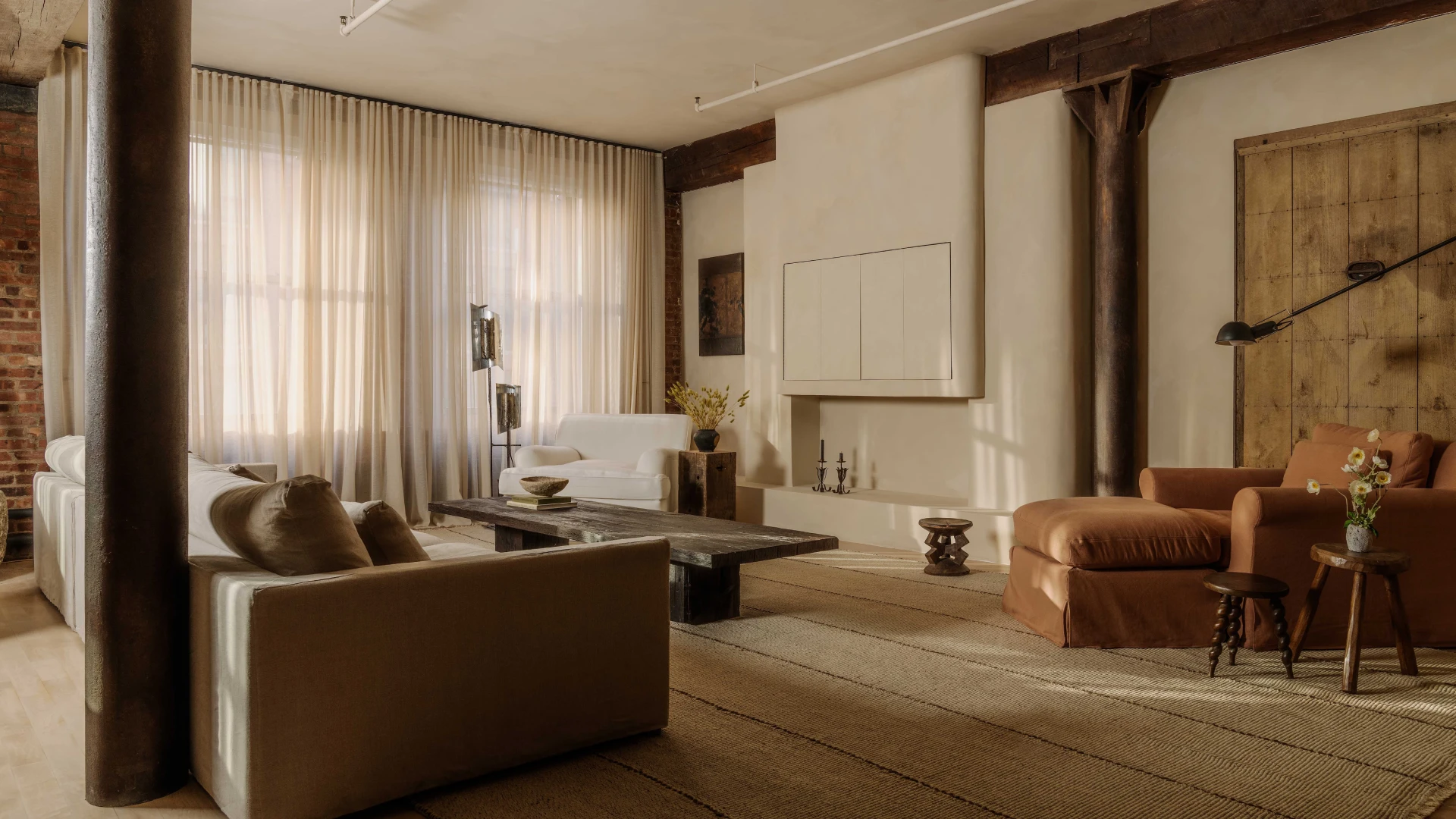
Tribeca has long been synonymous with generous proportions and architectural authenticity. Former manufacturing buildings—many dating from the late nineteenth and early twentieth centuries—have been meticulously transformed into residences that celebrate original structural frameworks. In Tribeca duplex apartments, these historic bones often inform the interior narrative.
Cast-iron columns, exposed brick, and expansive warehouse windows frame the living spaces. Yet contemporary design interventions introduce fluidity between levels, allowing the duplex apartment layout design to feel effortless rather than compartmentalized. A well-executed duplex balances openness with subtle zoning—ensuring that the living area connects visually to the upper floor while maintaining a sense of spatial hierarchy.
This architectural interplay has become a defining characteristic of Tribeca loft interiors, where heritage materials coexist with modern architectural clarity. For designers, the vertical dimension offers opportunities rarely found in conventional apartments.
Designing the Double-Height Living Room
The Power of Vertical Volume
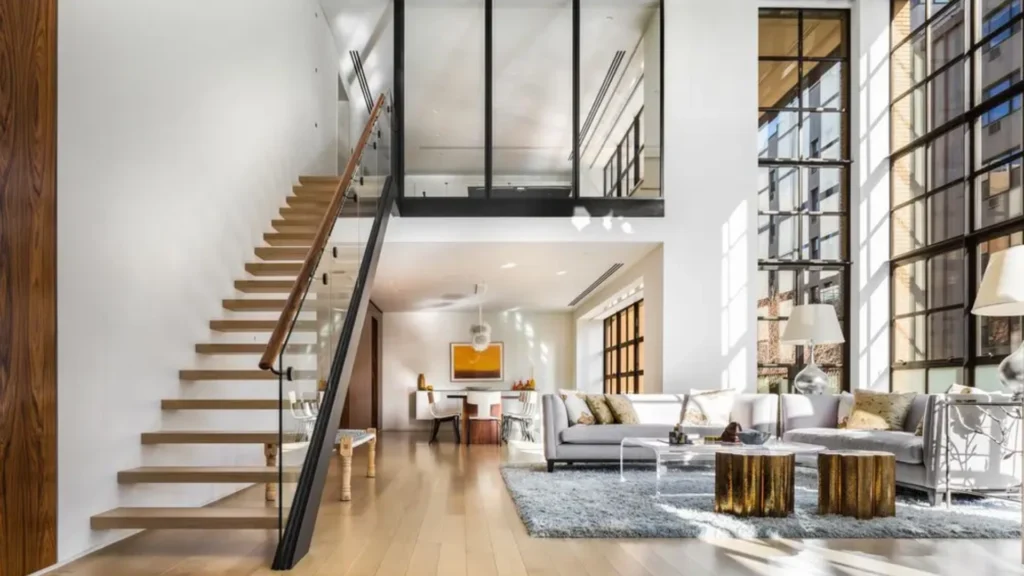
The defining feature of many Tribeca duplex apartments is the double-height living room. This architectural gesture creates an immediate sense of grandeur while reinforcing the relationship between the two floors. Rather than treating the upper level as a separate domain, the living room becomes a visual anchor connecting the entire residence.
Successful duplex apartment layout design considers the vertical scale of furniture, lighting, and artwork. Oversized pendant lighting, tall shelving systems, and monumental artworks help balance the height of the room while preserving human comfort.
- Sculptural lighting installations that emphasize vertical height
- Large-scale art pieces that visually bridge both levels
- Architectural shelving or bookcases rising across the double-height wall
- Layered seating arrangements that anchor the room spatially
These strategies ensure that the room remains visually cohesive rather than overwhelming. The goal is to celebrate volume without sacrificing warmth.
Balancing Monumentality and Intimacy
One of the most sophisticated aspects of Tribeca duplex apartments is the ability to balance dramatic architecture with comfortable living. Designers often achieve this by layering textures—plush textiles, warm woods, and refined stone surfaces—within the expansive space.
Area rugs, low-profile seating, and carefully positioned lighting create micro-environments within the larger volume. These zones allow the living area to feel intimate even within a grand architectural envelope.
Staircases as Architectural Sculptures
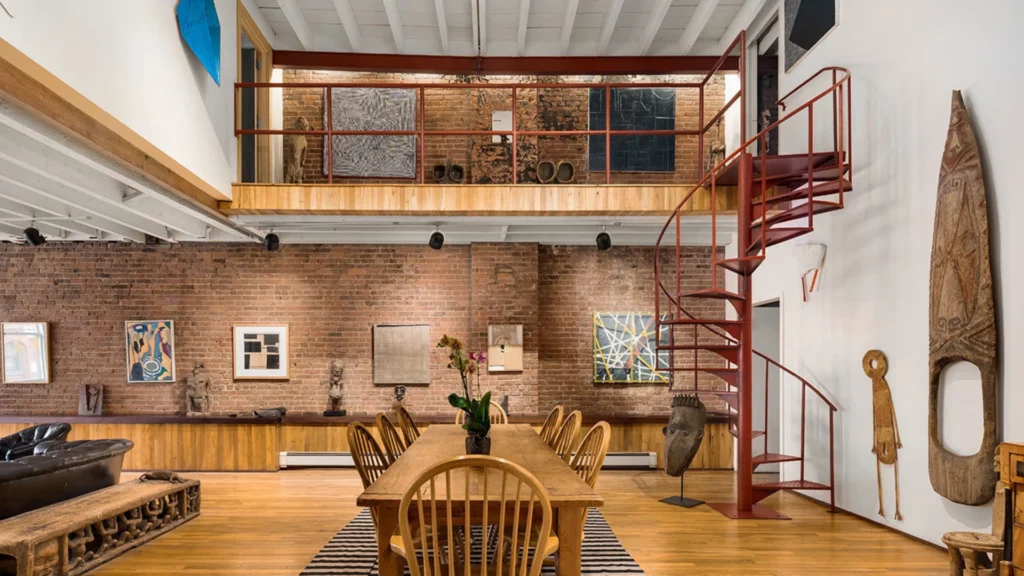
In a thoughtfully composed duplex apartment layout design, the staircase is rarely a secondary element. Instead, it becomes the architectural spine of the residence—an object that physically and visually connects the two levels.
Within Tribeca duplex apartments, designers frequently treat staircases as sculptural installations. Floating steel steps, stone treads, or cantilevered wood structures introduce a dynamic sense of movement within the living area.
These sculptural staircases often serve multiple purposes:
- Establishing a focal point within the living space
- Defining circulation between levels
- Creating architectural rhythm through repetition and form
- Allowing light to flow freely across floors
Transparent balustrades—often in glass or fine metal mesh—preserve the openness that characterizes the most compelling Tribeca loft interiors.
Light as the Primary Design Element
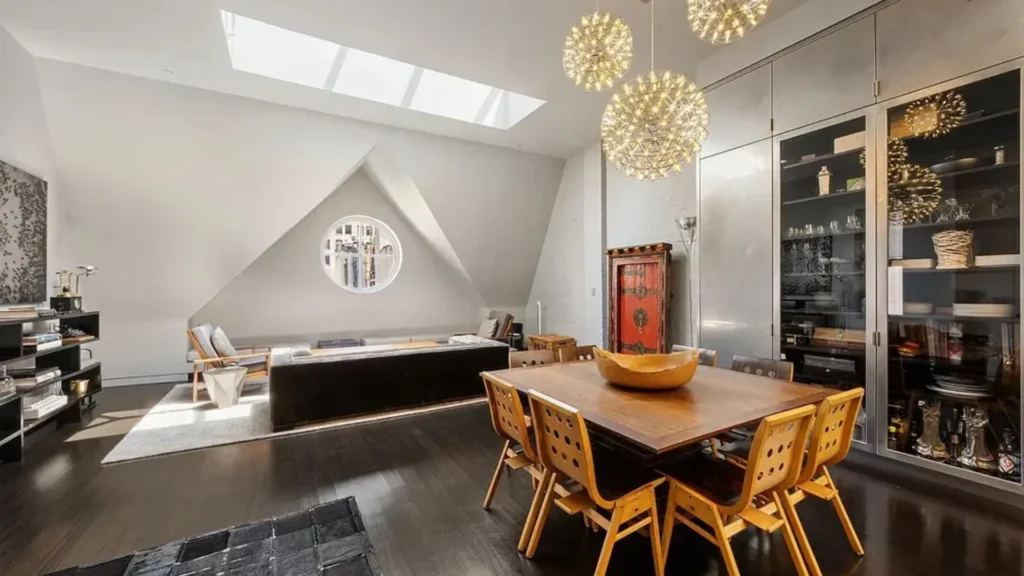
Light is perhaps the most powerful design material within Tribeca duplex apartments. Historic warehouse windows, often reaching nearly floor to ceiling, flood interiors with natural illumination. When paired with double-height living spaces, the effect is transformative.
Designers working on duplex apartment layout design often position key living functions—lounges, conversation areas, and dining spaces—within the path of natural light. Upper-level openings allow sunlight to cascade downwards, enriching the spatial experience.
Architectural lighting further enhances the relationship between floors. Carefully positioned uplights, wall washers, and pendant clusters emphasize vertical surfaces while reinforcing the architectural geometry of the space.
According to Architectural Digest, contemporary loft design increasingly prioritizes layered lighting systems that shift throughout the day—supporting both dramatic architecture and comfortable living.
Creating Visual Dialogue Between Floors
A successful duplex apartment layout design encourages visual interaction between levels rather than isolating them. Designers achieve this by carefully choreographing sightlines across the living area.
In many Tribeca duplex apartments, mezzanine-style upper levels overlook the main living space. These vantage points create dynamic visual relationships between the floors—transforming everyday movement into a spatial experience.
Several strategies help establish this dialogue:
- Open mezzanine galleries overlooking the living room
- Interior windows or glass balustrades connecting private and social spaces
- Consistent material palettes across both levels
- Aligned architectural axes that guide the eye through the residence
These design decisions reinforce continuity while maintaining a sense of spatial layering—a hallmark of sophisticated Tribeca loft interiors.
Furniture Placement in a Vertical Interior
Designing furniture arrangements in Tribeca duplex apartments requires an understanding of both scale and movement. Unlike traditional single-level homes, furniture in a duplex must respond to multiple perspectives—those on the ground floor as well as those looking down from above.
Within thoughtful duplex apartment layout design, furniture often acts as a spatial anchor that organizes circulation. Sofas, lounges, and console tables help guide movement through the living area without interrupting visual openness.
- Use modular seating to create flexible social zones
- Introduce low-profile furnishings to maintain open sightlines
- Incorporate textural contrasts for visual depth
- Balance large-scale pieces with sculptural accent objects
This balance between proportion and openness ensures that Tribeca loft interiors retain their architectural clarity while remaining livable.
Material Harmony Across Two Levels
Consistency in materials plays a critical role in unifying Tribeca duplex apartments. Because the living space unfolds vertically, abrupt changes in materials can disrupt the sense of architectural flow.
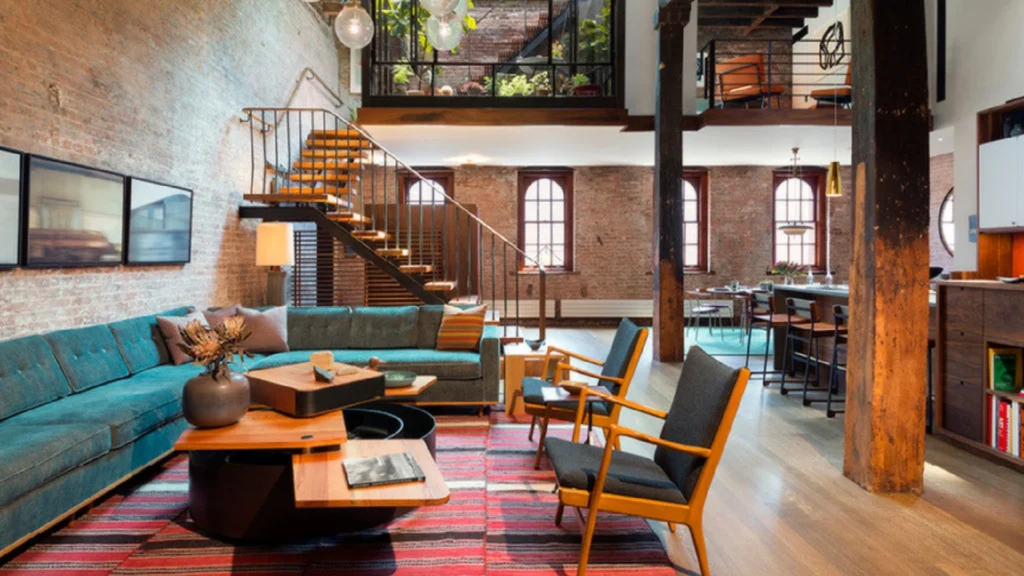
Designers often extend key materials—such as oak flooring, limestone, or custom metal finishes—across both levels. This approach strengthens continuity within the duplex apartment layout design.
Equally important is the interplay between historic and contemporary materials. In many Tribeca loft interiors, exposed brick walls coexist with refined marble surfaces, matte metals, and artisanal textiles. This layered material palette reflects the broader cultural narrative of Tribeca itself: a district where industrial heritage meets contemporary luxury.
The Future of Duplex Living in Tribeca
As urban living evolves, Tribeca duplex apartments continue to represent one of the most compelling residential typologies in New York. They offer a rare combination of architectural drama, spatial flexibility, and cultural heritage.
For architects and designers, the challenge lies in crafting a duplex apartment layout design that feels both monumental and personal. The most successful interiors do not simply emphasize height; they create a harmonious relationship between levels through light, movement, and carefully curated furnishings.
Within this context, Tribeca loft interiors remain a benchmark for sophisticated urban living. Their layered spaces reflect a refined design philosophy—one that celebrates architecture while embracing the rhythms of contemporary life.
Ultimately, designing living areas between two levels is about more than aesthetics. It is about crafting a spatial experience where architecture and daily life intersect seamlessly—an environment where every step, every view, and every moment becomes part of a carefully composed vertical narrative.