Interior trends 2026 are reshaping the way architects, interior designers, and luxury brands approach spatial design. Increasingly, the focus is shifting from purely visual composition to environments that evoke emotion, engage the senses, and create memorable experiences.
In this context, design is no longer limited to aesthetics or functionality. Instead, it becomes a tool for influencing perception, behavior, and well-being.
The Shift Toward Emotional Design
One of the defining characteristics of interior trends 2026 is the growing importance of emotional design. Spaces are being conceived to generate specific psychological responses, whether calm, intimacy, or stimulation.
Designers achieve this through a careful orchestration of light, proportion, texture, and material. Rather than relying on decorative elements, they focus on how space feels over time.
As a result, interiors are increasingly perceived as immersive environments rather than static compositions.
Materiality and Sensory Engagement
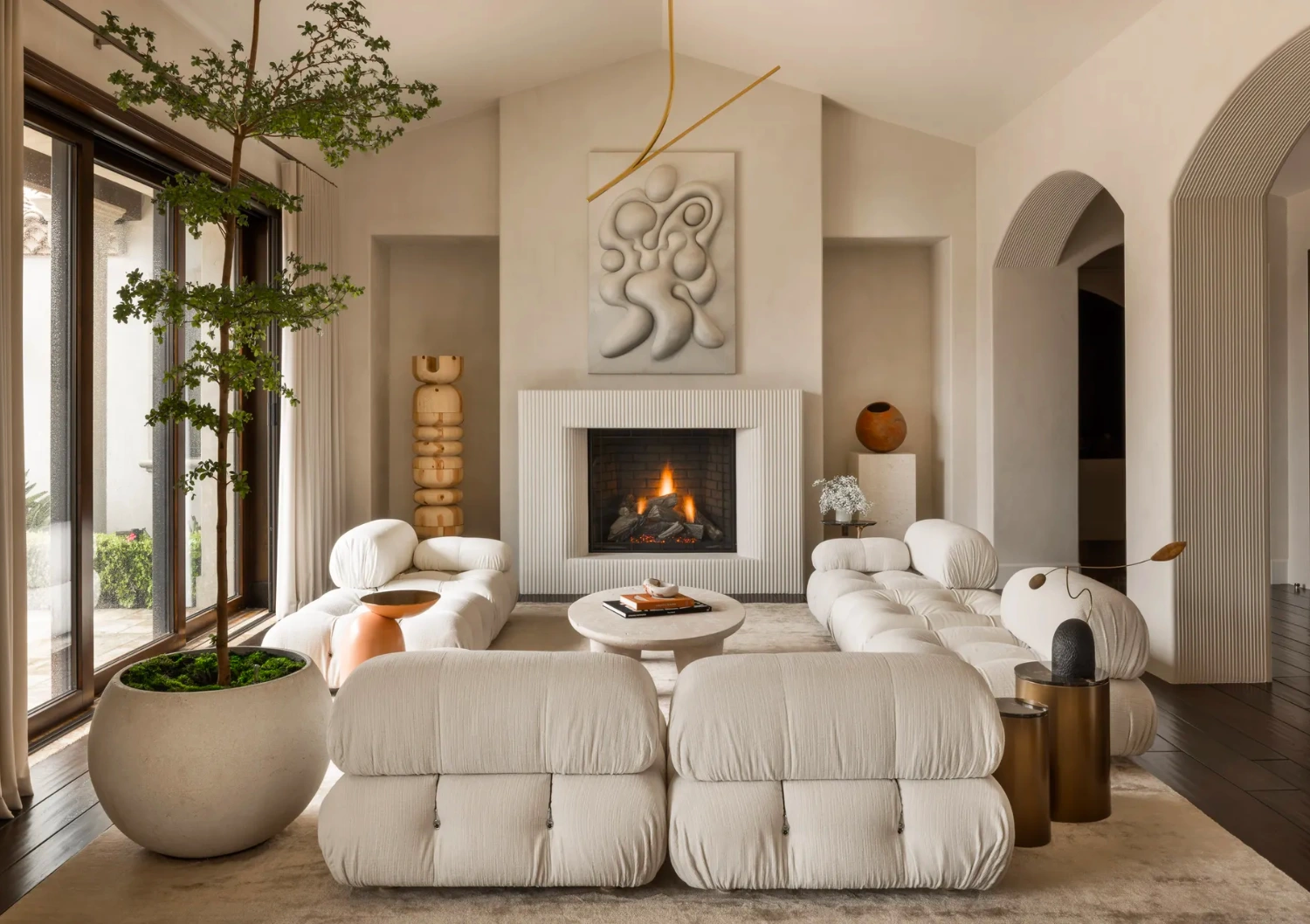
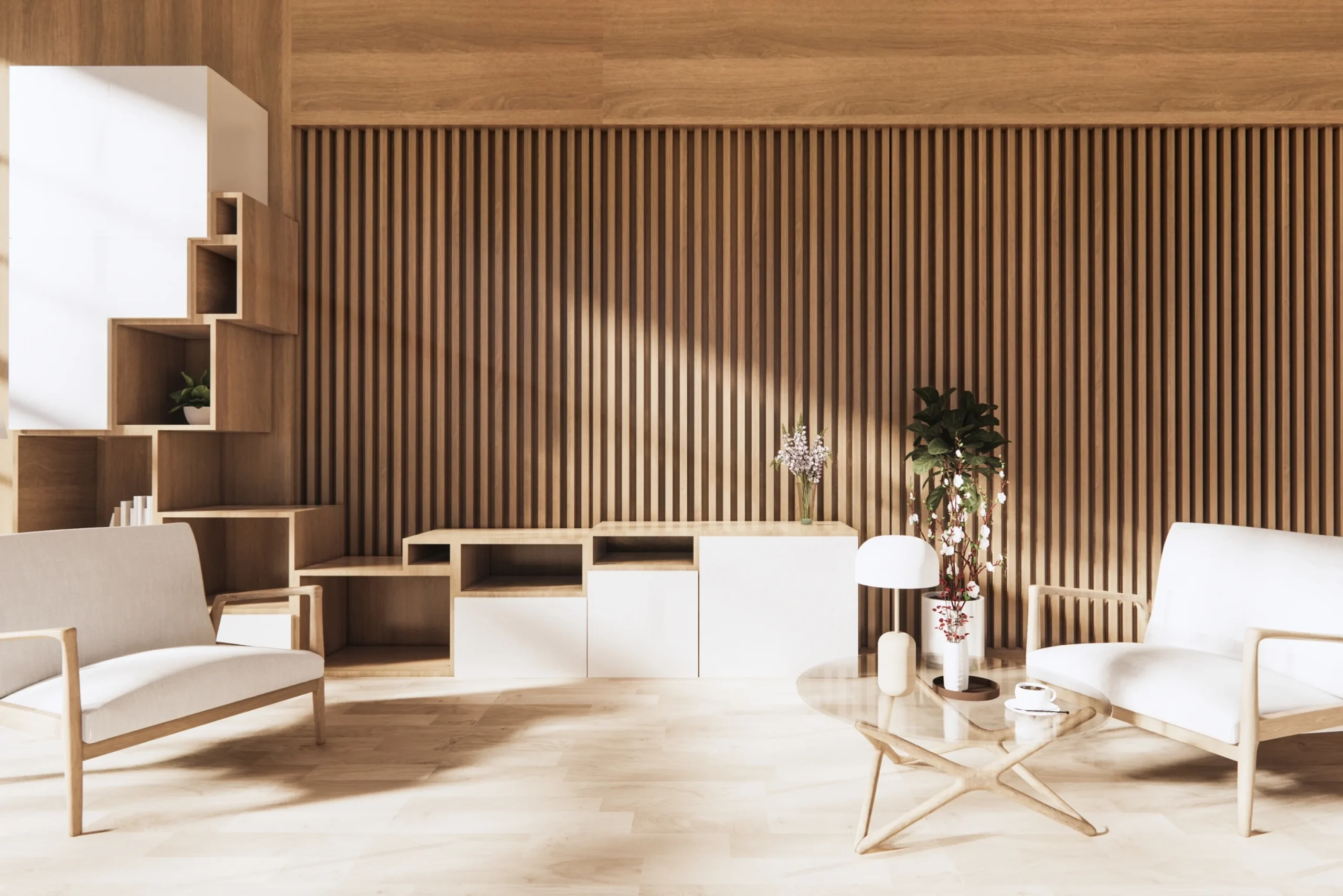
Material selection plays a critical role in shaping experiential interiors. In interior trends 2026, materials are chosen not only for their visual qualities but also for their tactile and sensory impact.
Natural materials such as wood, stone, linen, and clay introduce warmth and authenticity. Their imperfections contribute to a more human and relatable environment, reinforcing a sense of connection between the user and the space.
This approach reflects a broader movement toward material honesty and away from overly processed finishes.
Light as a Spatial and Emotional Tool
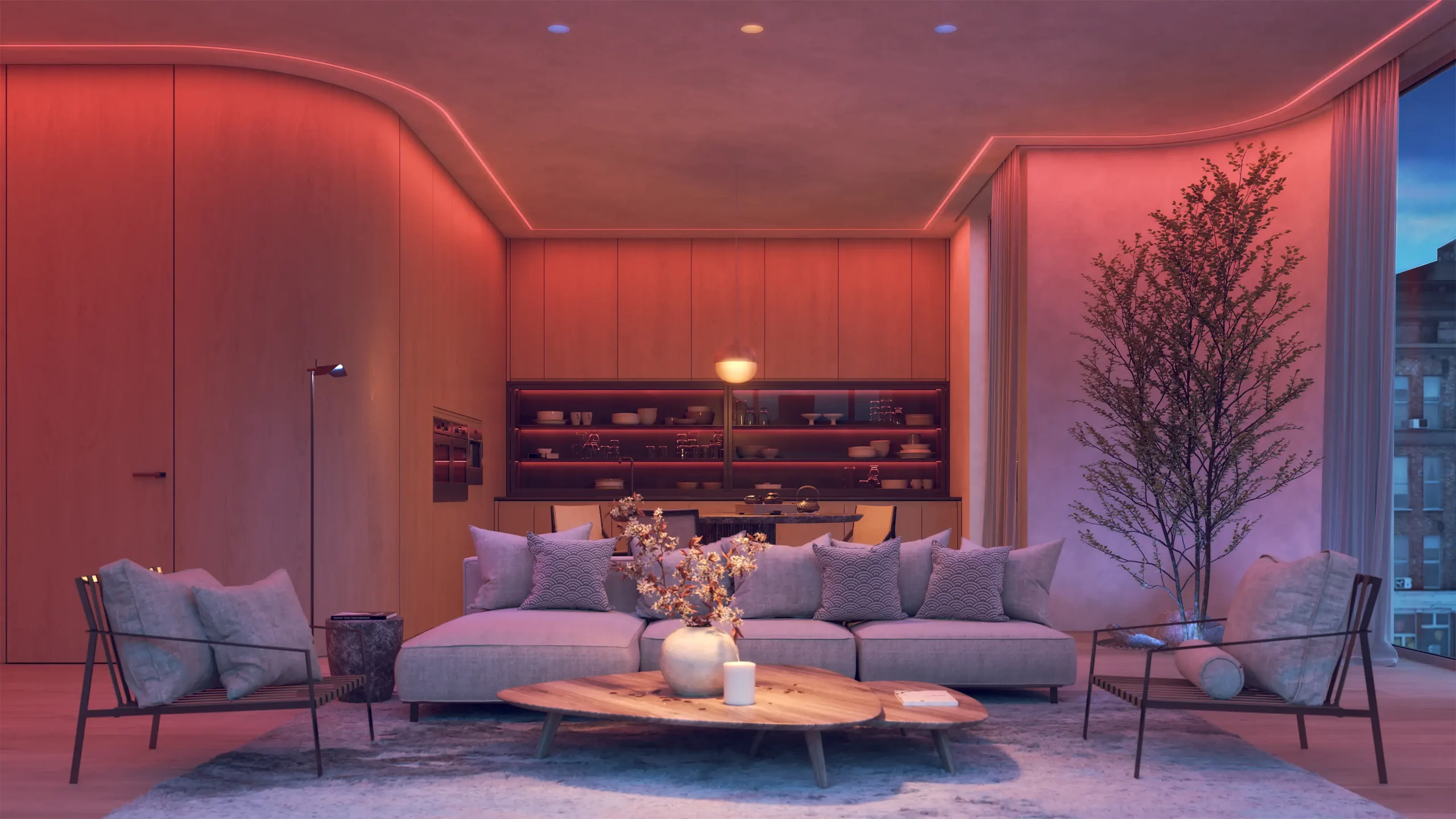
Lighting design has evolved into a central component of experiential interiors. In interior trends 2026, light is used to define atmosphere, guide movement, and enhance material perception.
Natural light is maximized whenever possible, while artificial lighting is layered to create depth and variation. Shadows, reflections, and transitions between light and dark become part of the spatial narrative.
Through this approach, lighting contributes directly to the emotional quality of a space.
Spatial Narrative and User Experience
Contemporary interiors are increasingly designed as sequences rather than isolated rooms. Interior trends 2026 emphasize spatial narrative, where movement through a space creates a coherent and engaging experience.
Transitions between areas are carefully considered, allowing users to discover the environment gradually. This approach enhances both functionality and emotional engagement.
In practice, this means that circulation, thresholds, and visual connections are treated as key design elements.
Influence of Hospitality Design
The hospitality sector continues to influence residential and commercial interiors. Hotels and resorts have long prioritized atmosphere and experience, making them a reference point for interior trends 2026.
Design strategies such as layered materials, bespoke furnishings, and curated details are now widely adopted in private residences and branded developments.
This shift reflects a broader expectation that all spaces should offer a sense of experience, not just utility.
Intellectual Property Considerations
As experiential design becomes more prominent, intellectual property considerations gain importance. Designers and studios must protect original concepts, spatial layouts, and custom-designed elements.
At the same time, they must ensure that inspiration drawn from cultural or historical sources is transformed rather than replicated.
Balancing innovation with respect for existing design languages is essential for maintaining both legal integrity and creative credibility.
Sustainability and Long-Term Relevance
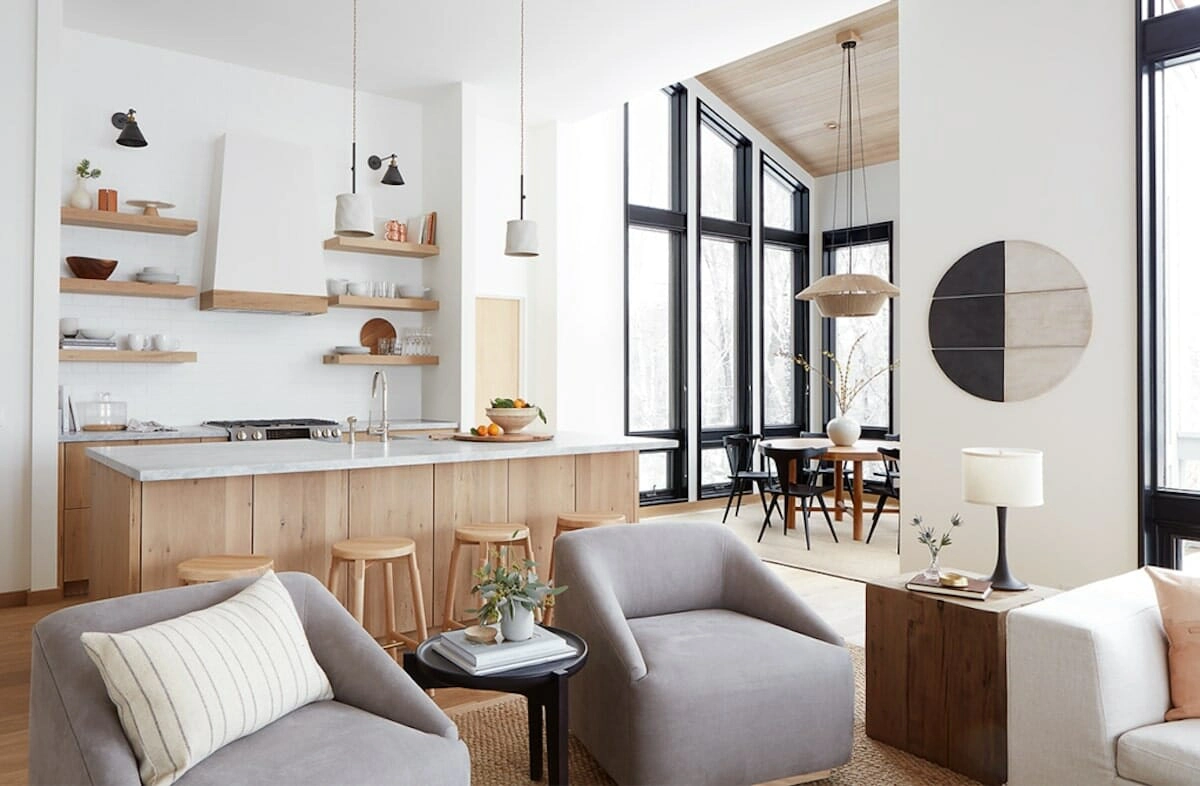
Sustainability is closely linked to the rise of emotional and experiential interiors. Spaces designed to create lasting emotional connections are less likely to be frequently altered or replaced.
Interior trends 2026 therefore favor durable materials, timeless compositions, and adaptable layouts. This approach supports both environmental responsibility and long-term value.
Designing for longevity becomes a key aspect of responsible practice.
Conclusion
Interior trends 2026 mark a clear transition toward more human-centered design. Emotional and experiential qualities are becoming central to how spaces are conceived and evaluated.
For architects, interior designers, and luxury brands, this evolution presents an opportunity to move beyond surface aesthetics and create environments that resonate on a deeper level.
Ultimately, the future of interior design lies in its ability to engage the senses, shape experiences, and establish meaningful connections between people and space.