John Pawson
In an era defined by visual overload and constant stimulation, the appeal of quiet, contemplative spaces has never been greater. Among the architects who have most profoundly shaped this approach to design is John Pawson, a figure synonymous with restraint, clarity, and spatial serenity. His work demonstrates that minimalism is not merely an aesthetic choice but a philosophy—one that prioritizes proportion, light, and material authenticity above decoration.
For architects, interior designers, and discerning homeowners alike, minimalist interiors inspired by Pawson offer a powerful alternative to cluttered environments. These spaces embrace simplicity without sacrificing warmth or sophistication, creating interiors that feel both timeless and deeply human.
This article explores how the principles developed by John Pawson have influenced contemporary minimalist interiors, revealing how subtle architectural gestures, thoughtful material selection, and disciplined spatial composition can transform interiors into places of calm, balance, and enduring beauty.
The Philosophy Behind John Pawson’s Minimalism
At the core of John Pawson‘s architectural language lies a profound belief that design should distill spaces to their most essential qualities. His minimalist interiors remove visual noise while amplifying what truly matters: light, proportion, and material integrity.
Pawson’s philosophy draws from diverse influences, including monastic architecture, Japanese spatial traditions, and classical proportions. The result is not austerity but a refined clarity that allows occupants to experience architecture with heightened awareness.
Rather than designing spaces that demand attention, minimalist interiors shaped by Pawson encourage contemplation. Surfaces remain calm, transitions are seamless, and every element serves a deliberate purpose.
This philosophy echoes the principle articulated by the architect himself: design should eliminate the nonessential so that the essential can speak more clearly.
The Power of Reduction in Minimalist Interiors
One of the defining qualities of spaces influenced by John Pawson is the disciplined process of reduction. Each decision is guided by the question: what is truly necessary?
In minimalist interiors, reduction does not mean emptiness. Instead, it means precision. Every line, plane, and junction is considered with extraordinary care.
Characteristics of Pawson-Inspired Spaces
- Architectural clarity with clean, uninterrupted lines
- Carefully controlled natural light that shapes the atmosphere of a room
- Minimal material palette emphasizing stone, wood, and plaster
- Hidden storage solutions that maintain visual calm
- Precise spatial proportions that create harmony and balance
By eliminating unnecessary visual distractions, these minimalist interiors allow the architecture itself to become the primary aesthetic experience.
Light as an Architectural Material
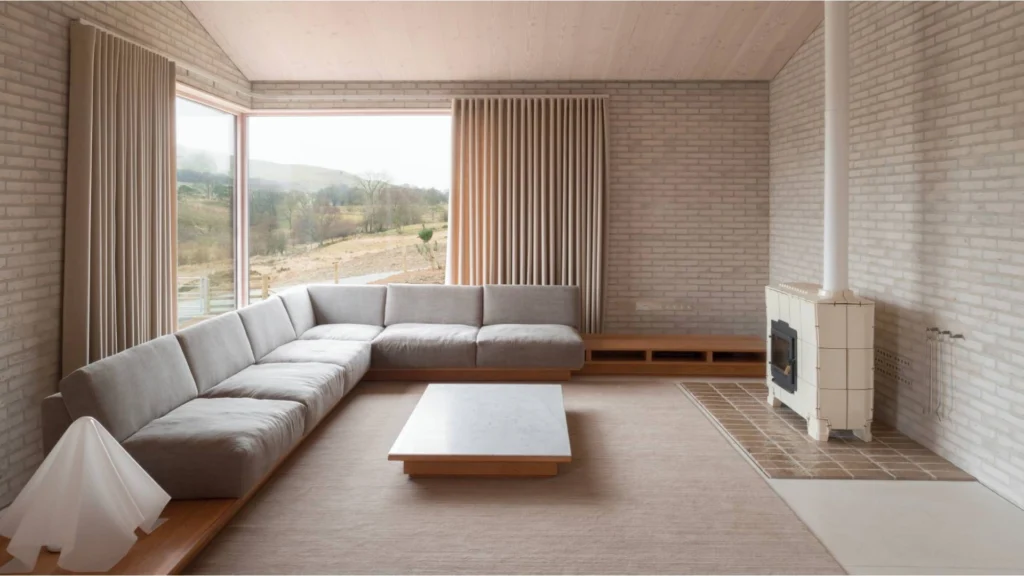
Few architects treat light with the same reverence as John Pawson. In his projects, daylight is not simply functional—it becomes an architectural material that defines the emotional tone of a space.
Large windows, carefully positioned openings, and subtle transitions between shadow and illumination shape the atmosphere of minimalist interiors. Light washes across pale surfaces, emphasizing texture while reinforcing the sense of quiet continuity.
This approach creates interiors that feel calm and almost meditative, where changing daylight subtly transforms the spatial experience throughout the day.
Architectural critics frequently highlight Pawson’s mastery of light. According to the Architectural Digest, his projects demonstrate how minimal design can achieve extraordinary emotional depth through restraint and precision.
Material Honesty and Sensory Depth
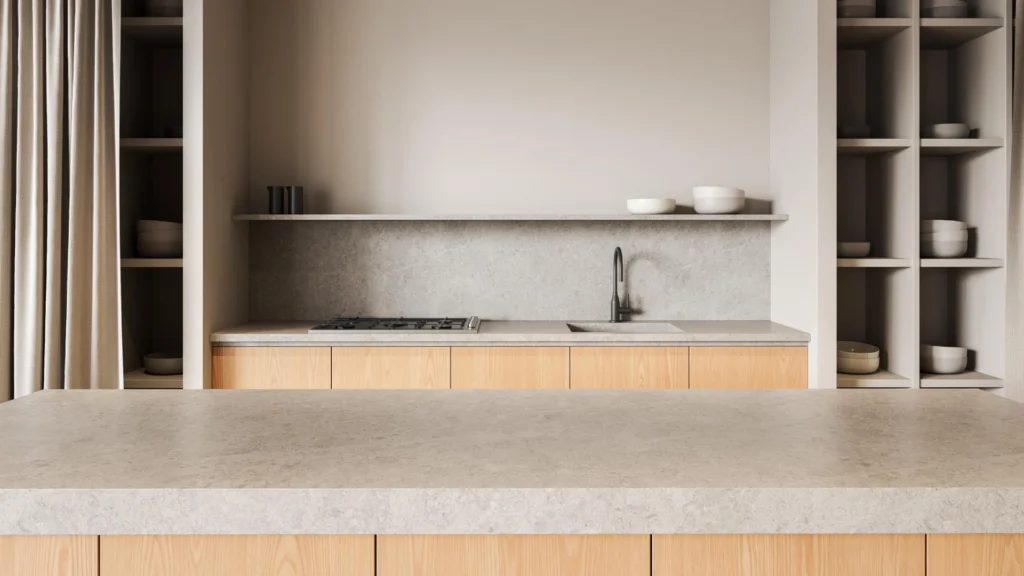
Despite the visual restraint of minimalist interiors, Pawson’s work never feels cold or sterile. Instead, it relies on the tactile richness of natural materials to create warmth and depth.
Stone floors, oak surfaces, limestone walls, and finely detailed plaster introduce subtle sensory complexity. These materials are rarely disguised; instead, their inherent character is celebrated.
In the world of John Pawson, beauty lies in authenticity. A perfectly crafted timber joint or a smoothly honed stone surface becomes an object of quiet admiration.
Common Materials in Pawson-Inspired Interiors
- Limestone and travertine
- Light oak or ash wood
- Polished plaster walls
- Concrete with refined finishes
- Subtle textiles in neutral tones
The restrained palette enhances the sense of calm that defines the most successful minimalist interiors.
Architecture That Encourages Stillness
The emotional impact of John Pawson‘s work extends beyond visual aesthetics. His minimalist interiors often evoke a profound sense of stillness.
This quality is particularly evident in his religious and contemplative projects, including monasteries and chapels, where architecture is designed to support reflection and quiet presence.
However, the same principles apply equally well to residential environments. When translated into homes, minimalist interiors offer a refuge from the constant noise of modern life.
By reducing visual clutter and emphasizing spatial clarity, Pawson-inspired interiors create environments where occupants can slow down and reconnect with their surroundings.
Minimalist Interiors in Contemporary Residential Design
The influence of John Pawson extends far beyond architectural circles. His ideas have shaped the broader movement toward minimalist interiors in luxury residential design across Europe, North America, and Asia.
High-net-worth homeowners increasingly seek spaces that emphasize serenity and timelessness rather than decorative excess.
Several key trends reflect this growing appreciation for Pawson-inspired minimalism.
Key Residential Design Trends
- Open-plan layouts that allow light to flow through the home
- Architectural storage integrated seamlessly into walls
- Muted color palettes dominated by warm neutrals
- Large-format materials that reduce visual interruptions
- Quiet luxury expressed through craftsmanship rather than ornament
These trends demonstrate how minimalist interiors have evolved from avant-garde experimentation into a defining feature of contemporary luxury living.
The Importance of Proportion and Spatial Rhythm
One of the most subtle yet powerful aspects of John Pawson‘s architecture lies in his extraordinary sensitivity to proportion. Even the most minimal spaces require careful spatial composition to feel harmonious.
In Pawson’s projects, room dimensions, ceiling heights, and openings are carefully calibrated to create a rhythm that feels intuitive and balanced.
These proportions often draw inspiration from classical architecture, yet they are expressed through an unmistakably modern language.
For designers seeking to create refined minimalist interiors, mastering proportion is just as important as selecting the right materials or furnishings.
Furniture in Minimalist Interiors
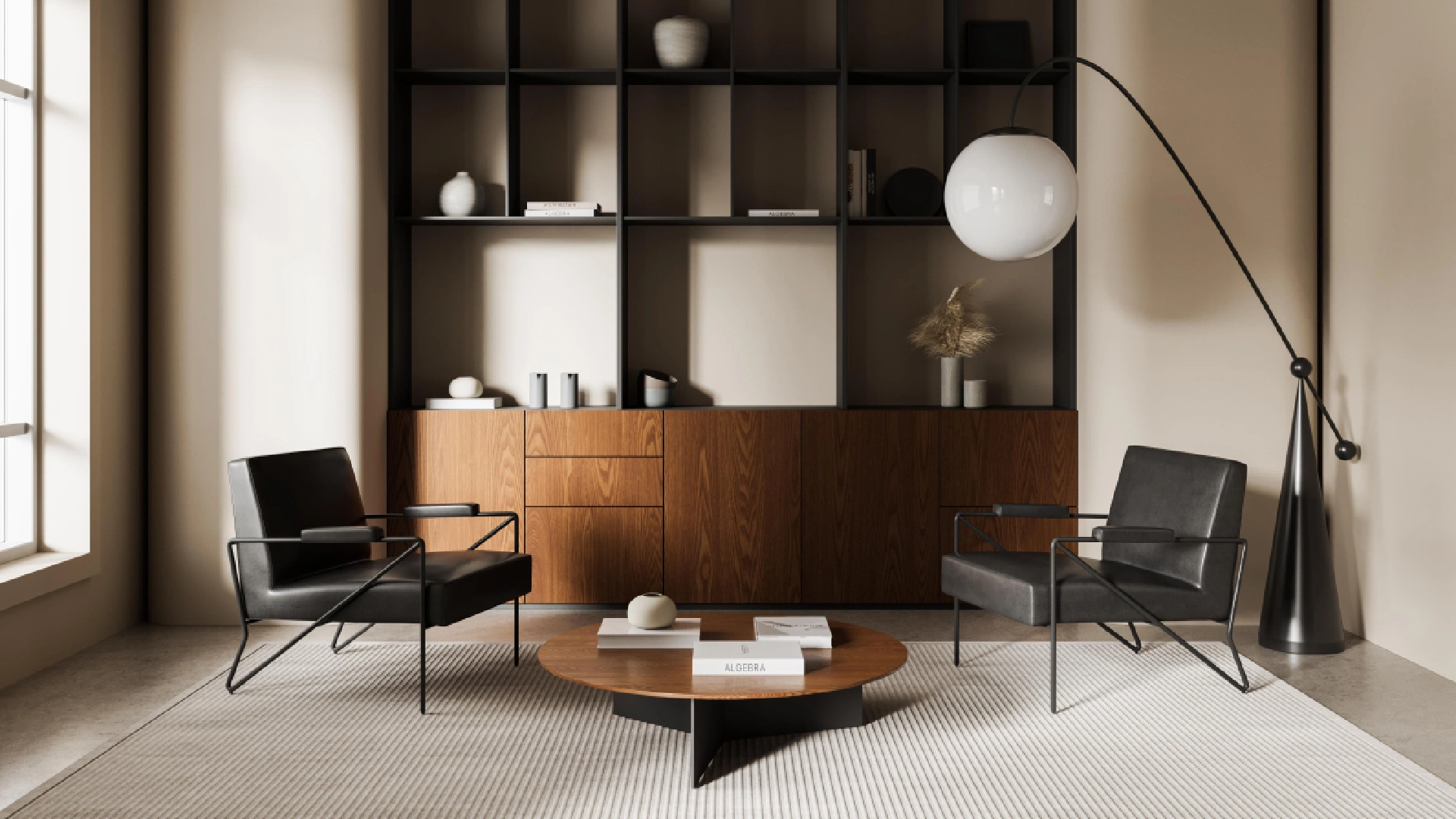
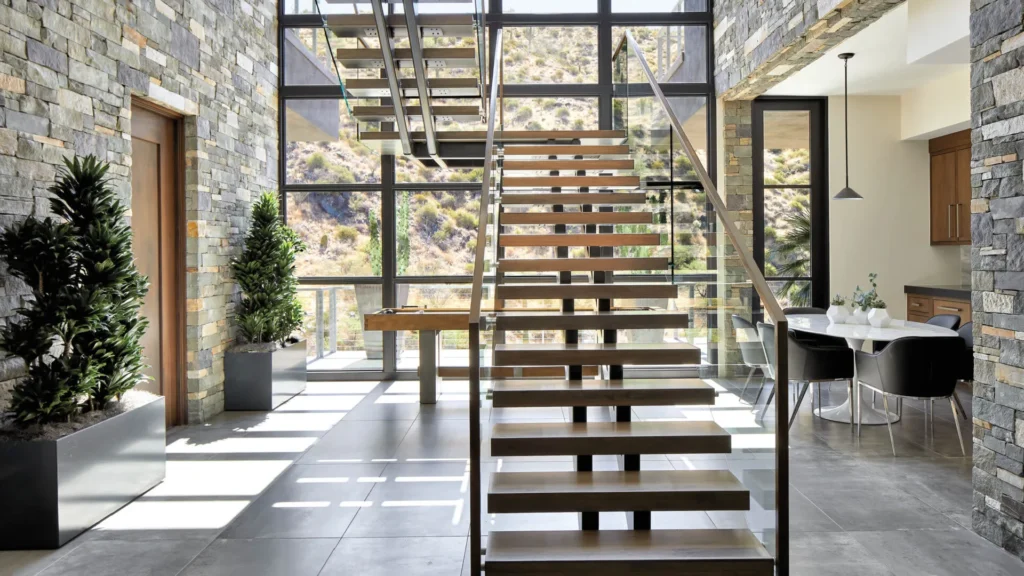
Furniture plays a supporting but essential role in spaces inspired by John Pawson. Rather than competing with the architecture, furnishings are chosen for their clarity, craftsmanship, and understated presence.
In the most successful minimalist interiors, furniture becomes an extension of the architectural language.
Guidelines for Selecting Furniture
- Choose pieces with clear geometric forms.
- Prioritize natural materials and impeccable craftsmanship.
- Maintain generous negative space between objects.
- Avoid excessive decorative detailing.
- Select timeless designs rather than trend-driven pieces.
When approached with discipline, furniture can enhance the calm atmosphere that defines Pawson-inspired spaces.
Minimalism and the Future of Luxury Living
The enduring influence of John Pawson suggests that minimalist interiors are more than a passing design trend. Instead, they represent a deeper cultural shift toward intentional living and thoughtful consumption.
In a world increasingly saturated with information and visual stimuli, architecture that promotes clarity and stillness holds profound appeal.
For luxury residential projects, minimalist interiors offer a timeless alternative to fleeting stylistic movements. By emphasizing craftsmanship, proportion, and authenticity, they create environments that remain elegant for decades.
The Enduring Legacy of John Pawson
The work of John Pawson continues to shape how architects and designers think about space, materiality, and the emotional power of restraint. His minimalist interiors demonstrate that simplicity, when executed with precision and sensitivity, can produce environments of extraordinary depth and beauty.
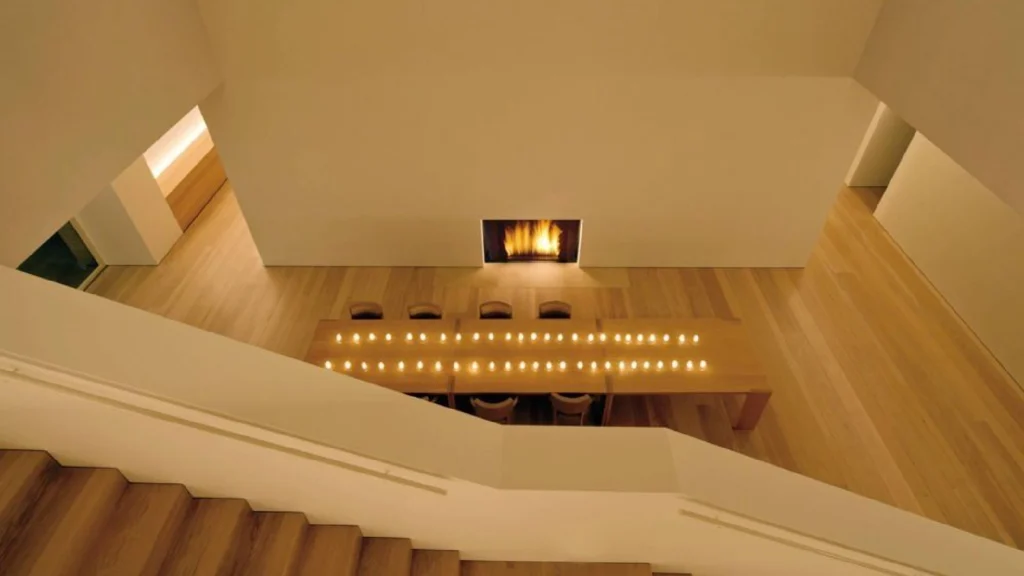
Rather than overwhelming the senses, Pawson’s approach invites reflection. Through careful composition, refined materials, and masterful control of light, minimalist interiors become places of quiet contemplation—spaces where architecture fades into calm presence.
For contemporary designers and discerning homeowners, the lessons of John Pawson remain deeply relevant. In the pursuit of clarity, balance, and timeless elegance, minimalist interiors continue to offer one of the most compelling visions for modern living.