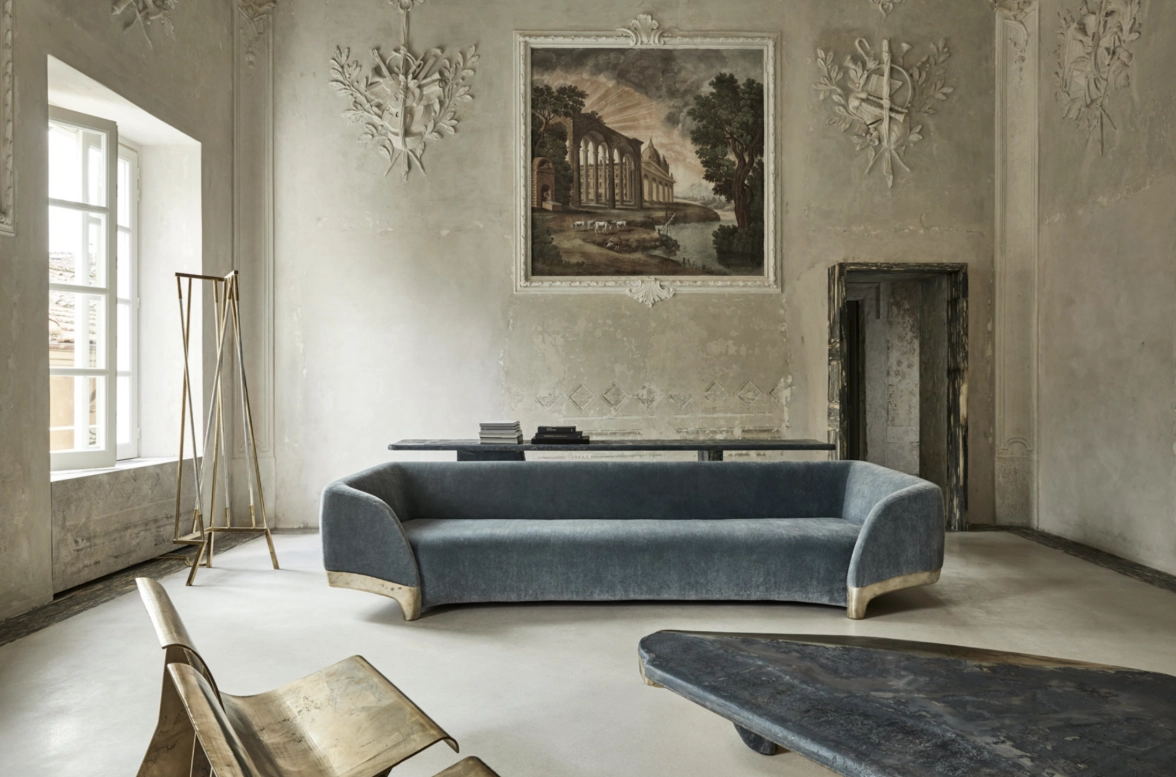
Within the world of collectible design, few names have become as influential as Vincenzo De Cotiis. Based in Milan, the architect, artist, and designer has redefined contemporary luxury furniture through a unique approach that merges sculpture, material experimentation, and architectural sensibility. For interior designers, architects, and luxury design studios, De Cotiis represents a significant shift in how furniture is perceived within high-end interiors. His work transcends functionality, positioning furniture as collectible art capable of shaping atmosphere, spatial identity, and emotional experience. Consequently, Milan has become a global epicenter for this evolving dialogue between art, architecture, and luxury living.
Milan and the Evolution of Collectible Design
Milan has long occupied a central role within international design culture. However, the city’s contemporary luxury landscape increasingly embraces collectible furniture as a defining feature of sophisticated interiors.
Unlike traditional furniture production, collectible design emphasizes limited editions, artistic expression, and material experimentation. This evolution reflects changing attitudes toward luxury, where exclusivity is increasingly associated with craftsmanship and individuality rather than mass-produced prestige. Vincenzo De Cotiis has become one of the leading figures within this movement, blending architecture, art, and furniture into a cohesive and highly recognizable design language.
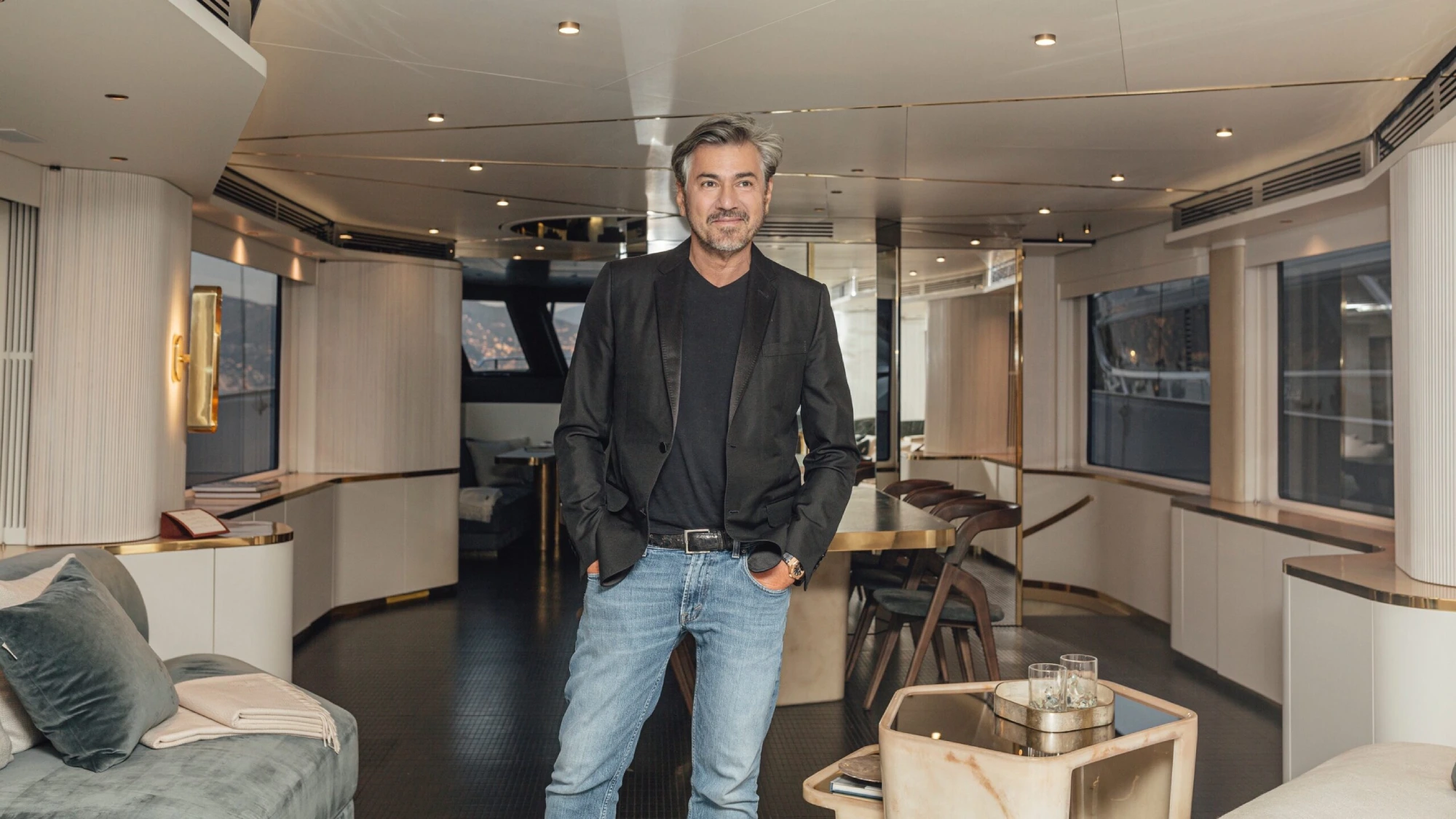
The Design Philosophy of Vincenzo De Cotiis
The work of Vincenzo De Cotiis is defined by a dialogue between past and future, refinement and imperfection, structure and emotion:
- Sculptural forms with architectural presence
- Reclaimed and raw materials combined with polished finishes
- Limited-edition pieces treated as collectible artworks
- Experimental surfaces with aged textures and patinas
- Interiors where furniture shapes spatial identity
These principles have positioned De Cotiis as one of the pioneers of contemporary collectible luxury furniture.
Material Experimentation and Artistic Expression
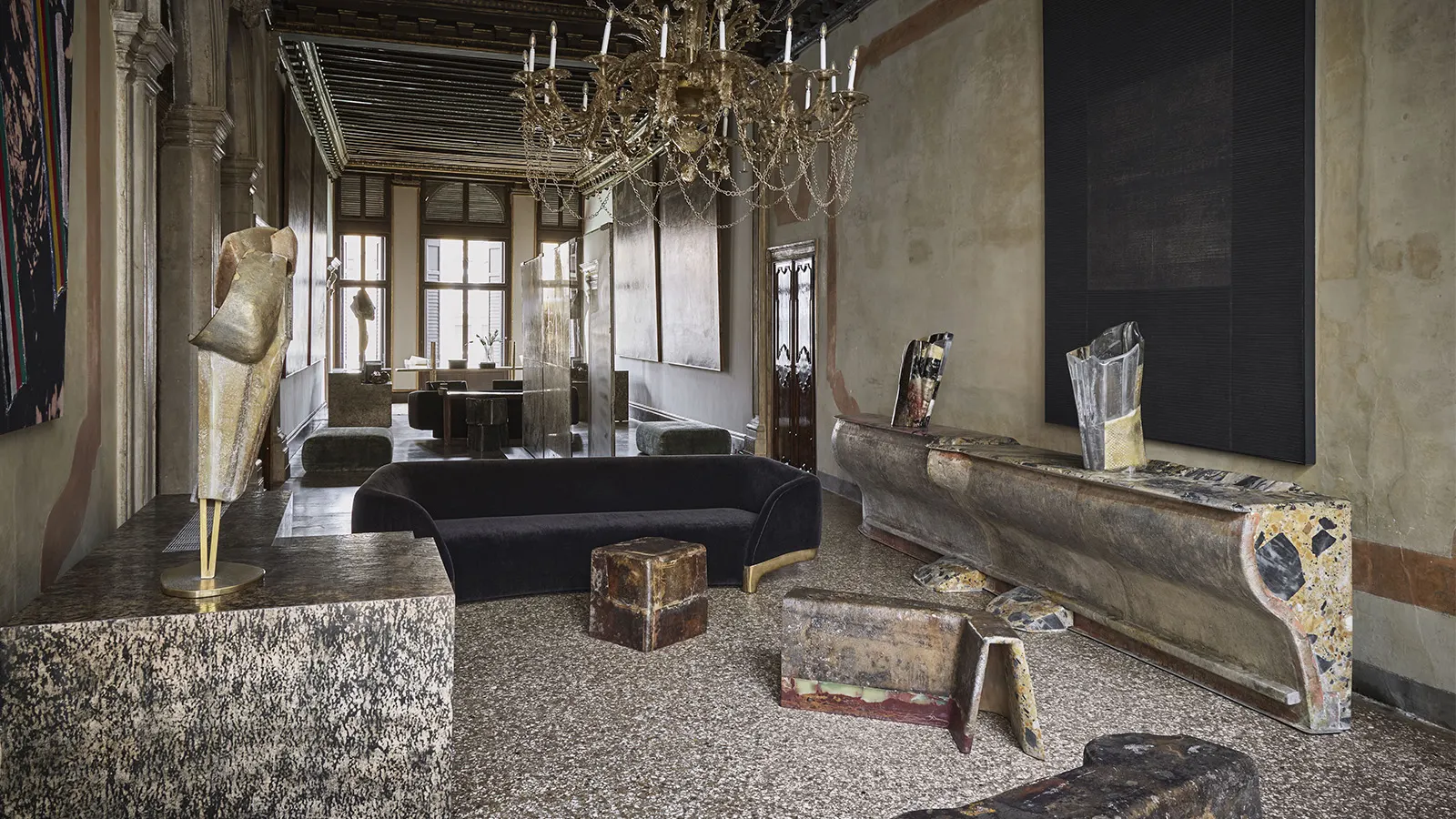
One of the most distinctive aspects of Vincenzo De Cotiis’s work is his approach to materiality. His furniture often combines reclaimed surfaces, cast bronze, fiberglass, stone, and reflective metals to create objects that feel simultaneously ancient and futuristic.
Rather than concealing imperfections, De Cotiis emphasizes texture, oxidation, and signs of transformation. This creates pieces that appear emotionally layered and deeply tactile. For luxury interior designers, this material experimentation introduces richness without relying on ornamentation. The result is a form of understated opulence where surfaces themselves become the primary source of visual and emotional impact.
Furniture as Collectible Art
The rise of collectible luxury furniture has transformed how furniture functions within contemporary interiors:
- Pieces are often produced in highly limited editions
- Furniture is displayed similarly to fine art
- Sculptural objects act as architectural focal points
- Galleries increasingly influence luxury interior trends
- Collectors seek emotional and artistic value alongside function
This shift has allowed designers like Vincenzo De Cotiis to blur the boundaries between interior design, contemporary art, and architecture.
Architectural Influence on Furniture Design
Educated at the Politecnico di Milano, Vincenzo De Cotiis approaches furniture through the lens of architecture. His pieces are designed not as isolated objects, but as elements that shape spatial experience and perception.
This architectural perspective explains the monumental quality present in many of his tables, cabinets, and seating collections. Scale, proportion, and material weight are carefully orchestrated to influence how people move through and experience interiors. Consequently, his furniture often becomes integral to the architecture itself, reinforcing cohesion between space and object.
The Role of Imperfection in Luxury Design
Contemporary luxury increasingly values authenticity over perfection, and Vincenzo De Cotiis’s work embodies this philosophy. His surfaces frequently feature irregular textures, weathered metals, and visible material transitions that reveal the creative process.
- Patinated metals that evolve over time
- Recycled fiberglass with painterly finishes
- Stone surfaces with natural irregularities
- Handcrafted details that resist uniformity
- Contrasts between roughness and refinement
These elements create interiors that feel emotionally resonant and deeply human rather than overly polished.
Collectible Furniture in Luxury Interiors
The popularity of collectible furniture reflects broader transformations within luxury interior design. Clients increasingly seek environments that feel curated, personal, and artistically significant rather than conventionally decorative.
Collectible pieces are particularly effective in minimalist interiors, where fewer objects are allowed greater visual importance. In these settings, a sculptural De Cotiis table or cabinet can anchor an entire room architecturally and emotionally. This approach aligns closely with contemporary luxury trends that prioritize individuality, craftsmanship, and emotional atmosphere over excess.
Vincenzo De Cotiis and Milanese Luxury
Milan remains central to the identity of Vincenzo De Cotiis’s work. The city’s architectural history, artisanal culture, and design heritage strongly influence his aesthetic language.
Projects such as Palazzo Mazenta demonstrate how De Cotiis merges historical architecture with contemporary collectible design. In these interiors, aged surfaces, sculptural furnishings, and curated lighting create environments that feel timeless yet experimental. This distinctly Milanese balance between heritage and innovation has become one of the defining characteristics of his work.
Influence on Contemporary Design Studios
Vincenzo De Cotiis has had a significant impact on contemporary luxury design studios worldwide:
- Encouraging the integration of collectible art into interiors
- Elevating material experimentation within furniture design
- Reinforcing the importance of craftsmanship and limited production
- Blurring distinctions between architecture and furniture
- Inspiring emotionally driven minimalist interiors
These ideas continue to influence residential, hospitality, and gallery-based design globally.
The Future of Collectible Luxury Furniture
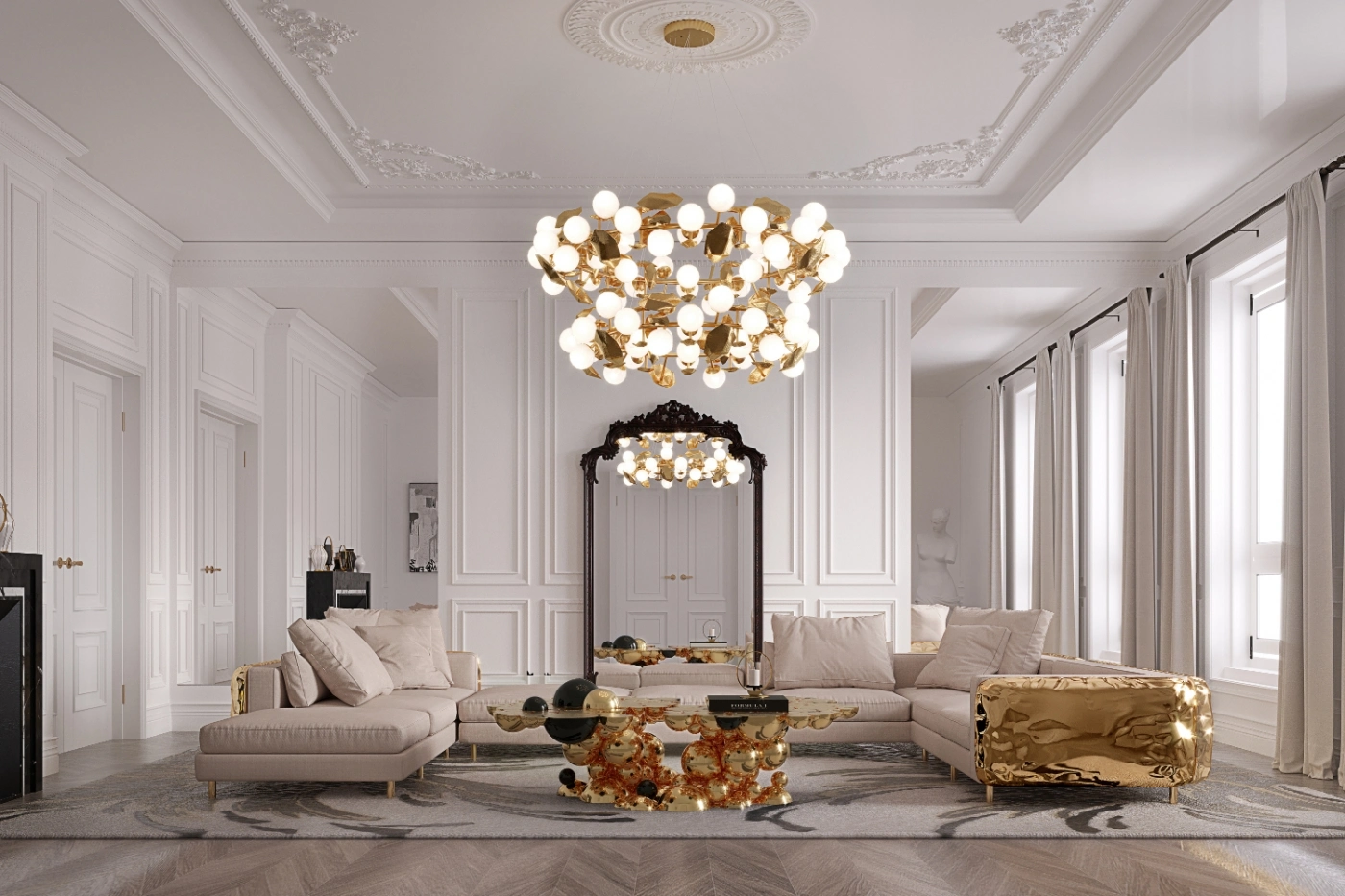
The collectible design market continues to expand as luxury clients increasingly seek individuality and artistic depth within their interiors. Furniture is no longer viewed solely as functional equipment but as cultural and emotional investment.
Design fairs such as Design Miami and PAD increasingly highlight collectible works that combine craftsmanship with conceptual design. Vincenzo De Cotiis remains at the forefront of this movement, demonstrating how furniture can operate simultaneously as architecture, sculpture, and luxury object.
Conclusion
Vincenzo De Cotiis has become one of the defining voices in collectible luxury furniture through his ability to merge architecture, art, and material experimentation into a singular design language. His sculptural works challenge conventional ideas of furniture while reshaping how luxury interiors are conceived and experienced.
For interior designers, architects, and luxury design studios, his work offers valuable insight into the future of contemporary design. As collectible furniture continues to gain prominence, the influence of Vincenzo De Cotiis will remain central to the evolution of sophisticated and emotionally engaging luxury interiors.