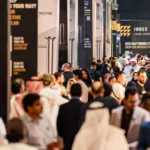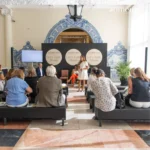

Luxury design fairs have entered a new phase, transforming from traditional trade events into influential cultural platforms. Today, they define how global trends in interior design, furniture, and architecture are created, interpreted, and shared across industries.
For designers, architects, and luxury brands, these events are no longer optional. They have become essential environments where innovation meets visibility, and where ideas evolve into global design movements.
The Evolution of Contemporary Design Fairs
Over the past decade, luxury design fairs have evolved beyond product-focused exhibitions. Instead of presenting individual pieces, brands now create immersive environments that communicate identity, lifestyle, and spatial narratives.
Leading platforms such as Dezeen and ArchDaily frequently highlight how exhibitions are becoming more conceptual, with a strong focus on storytelling and experience.
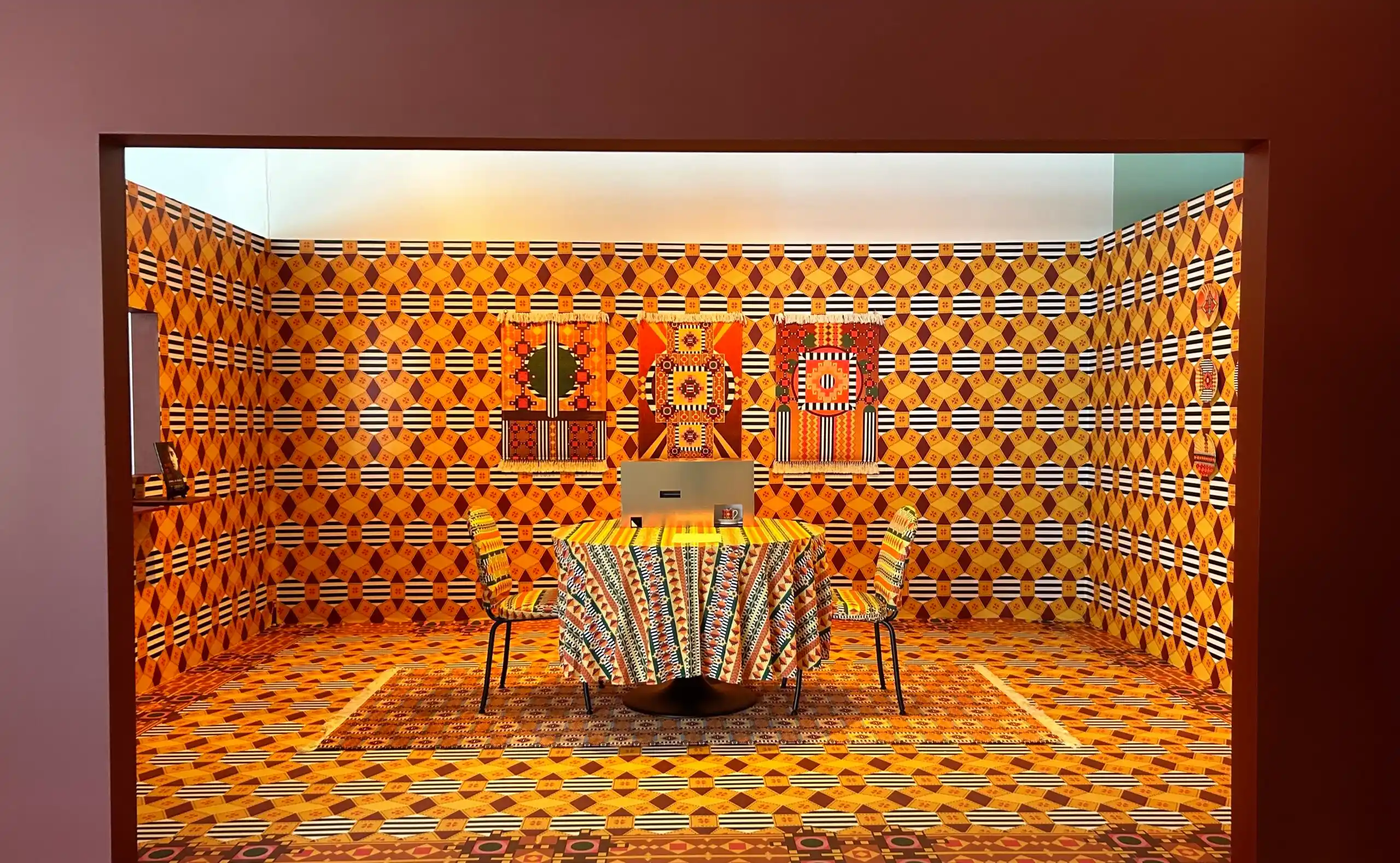
Immersive Experiences as a New Standard
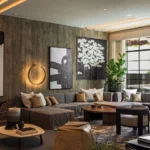
One of the most defining aspects of this transformation is the rise of immersive exhibition design. Visitors no longer engage passively with products—they experience complete environments shaped by light, texture, and architecture.
This approach allows brands to create emotional connections, turning exhibition spaces into memorable design experiences rather than static displays.
Material Innovation and Sustainable Thinking
Material exploration continues to play a central role in shaping contemporary design. Across global events, designers are presenting solutions that balance aesthetics with environmental responsibility.
Natural materials, recycled elements, and innovative finishes are increasingly visible, reflecting a broader shift toward sustainability. This evolution aligns with the expectations of a more conscious and design-aware audience.
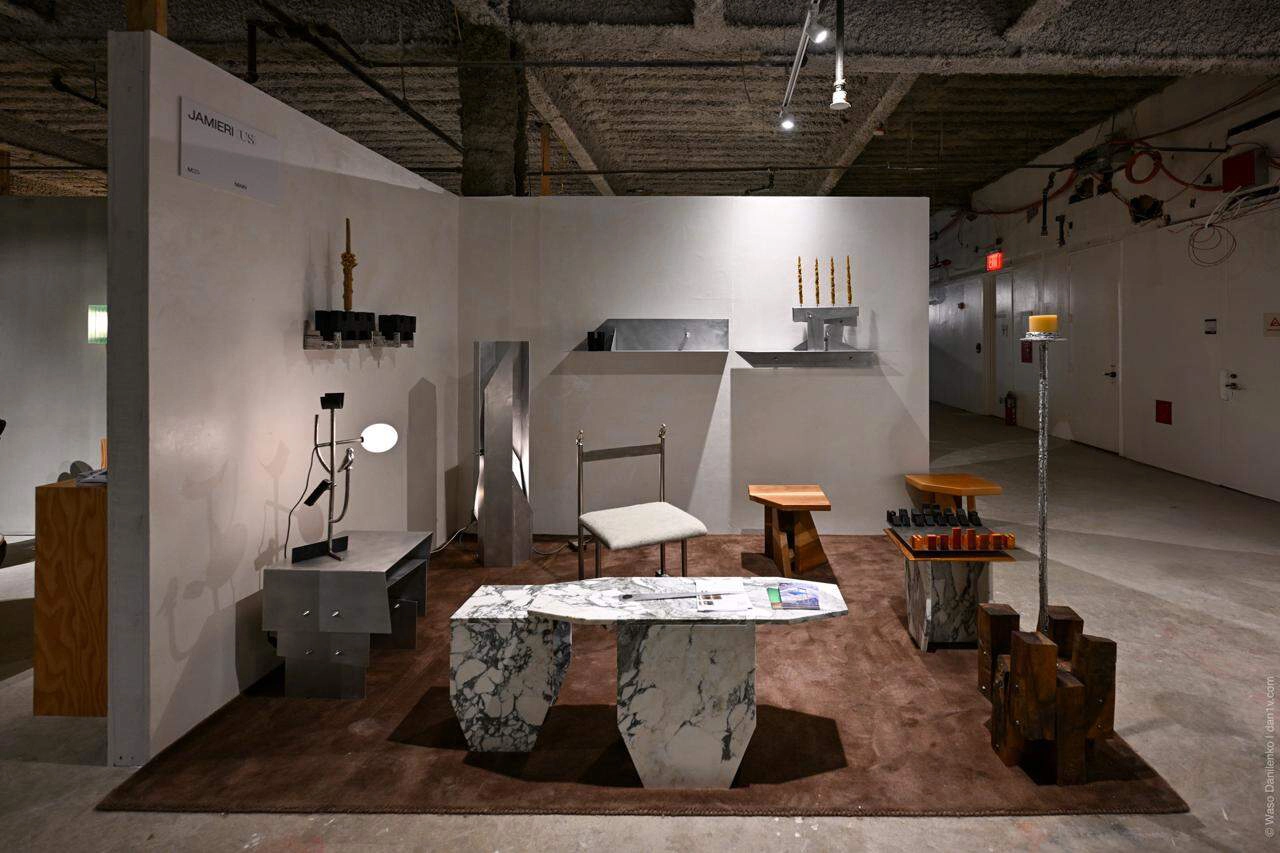
Collectible Design and Creative Authorship
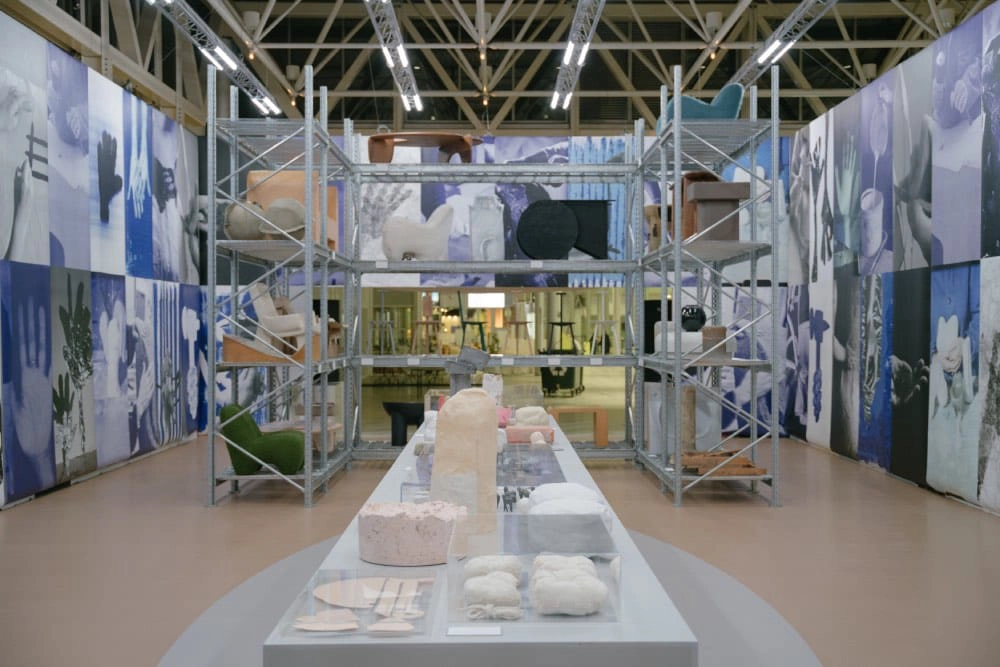
Another important development within luxury design fairs is the rise of collectible design. Limited-edition pieces are often displayed in gallery-style settings, reinforcing the idea of design as a form of authorship.
This movement elevates furniture and objects beyond functionality, positioning them as artistic expressions. As a result, originality becomes a defining factor in how designers and brands differentiate themselves.
Global Expansion and Cultural Exchange
While Milan remains a key reference, the influence of design fairs is becoming increasingly global. Cities such as Paris, Copenhagen, and Miami are emerging as important creative hubs.
This expansion allows for a richer exchange of cultural perspectives, encouraging designers to explore new materials, forms, and narratives. It also reflects the growing diversity of the global design landscape.
Intellectual Property and Design Protection
With increased visibility comes greater responsibility in protecting creative work. Designers and brands must consider intellectual property strategies to safeguard originality.
Although ideas circulate quickly within the global design community, protecting authorship ensures long-term value and recognition. Legal frameworks, including design registration and licensing, play a key role in maintaining this balance.
Conclusion
Luxury design fairs have become essential platforms for shaping the future of design. They bring together innovation, culture, and global perspectives, influencing how spaces and products are conceived.
As the industry continues to evolve, these events will remain at the center of creative exchange. For designers, architects, and luxury brands, understanding their impact is fundamental to staying relevant in an increasingly competitive market.