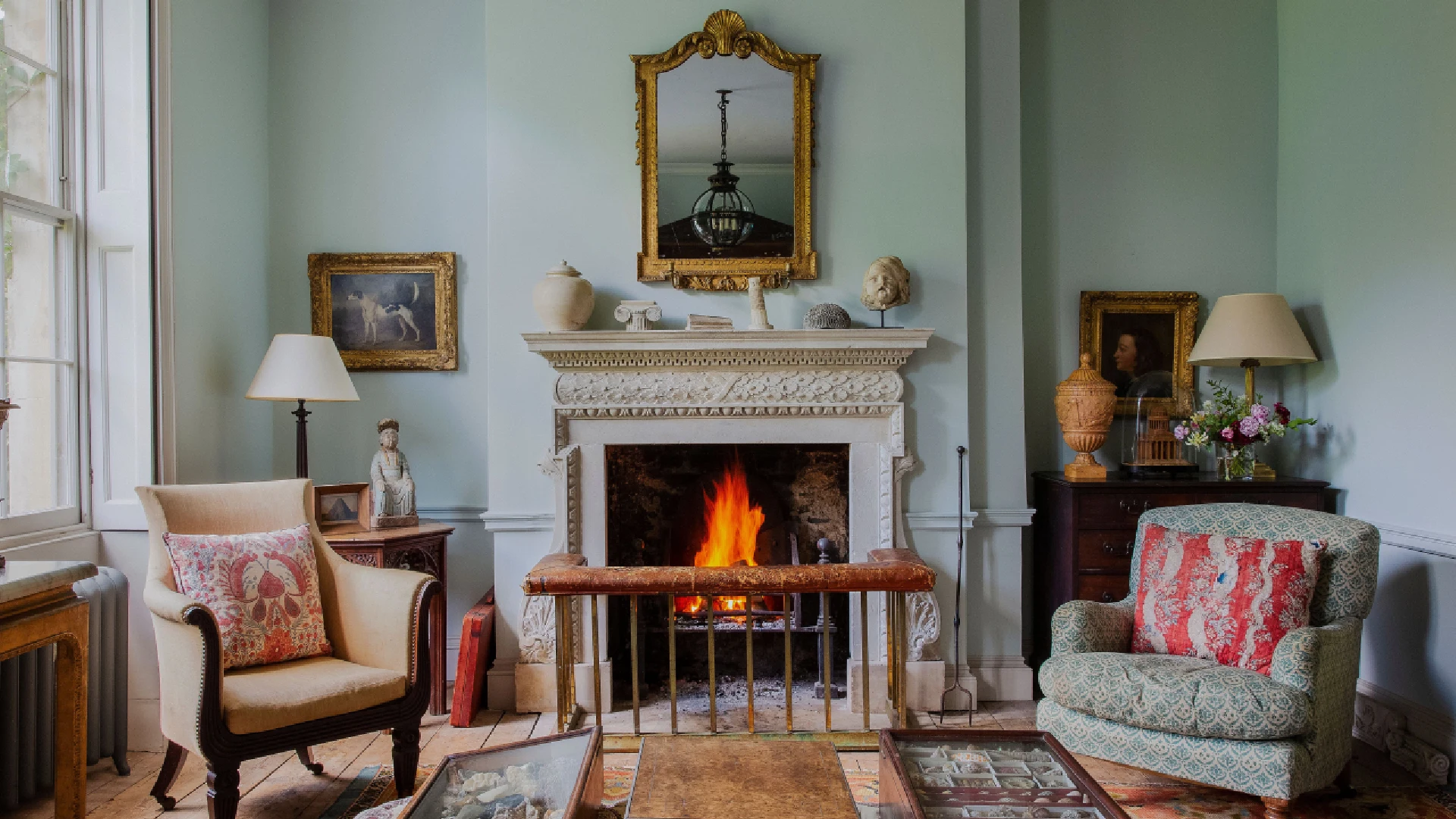

In today’s evolving property landscape, the dialogue between new build apartments and period homes extends far beyond architecture. It reaches into the subtleties of proportion, materiality, and—perhaps most critically—furniture scale. For architects, developers, and discerning homeowners, understanding how volume and layout influence furnishings is central to achieving coherent luxury apartment interiors or refined period home interior design.
Ceiling heights have lowered, room configurations have opened, glazing has expanded, and lifestyles have shifted. As a result, furniture conceived for grand Victorian salons rarely translates seamlessly into contemporary towers of glass and steel. Conversely, minimal modular pieces can appear visually underweight in historic townhouses. In the realm of luxury interior design, scale is no longer a secondary consideration—it is the framework upon which spatial harmony is built.
Understanding Architectural DNA
New Build Apartments: Efficiency and Openness
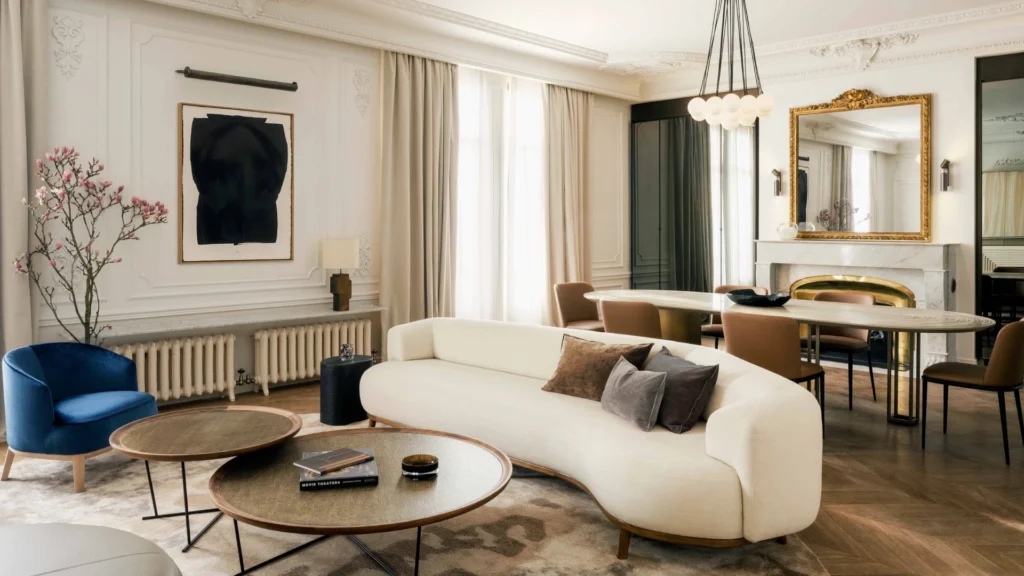
Modern residential developments prioritize efficiency, light, and flexibility. Open-plan kitchens merge into living areas; floor-to-ceiling glazing replaces thick masonry walls; ceiling heights often range between 2.6 and 2.8 meters. These characteristics define contemporary luxury apartment interiors.
While such apartments offer panoramic views and fluid circulation, they typically lack the deep cornices, alcoves, and compartmentalized rooms that once anchored furniture placement. The absence of architectural ornament shifts the burden of proportion and identity onto the furnishings themselves.
Period Homes: Volume and Ornamentation
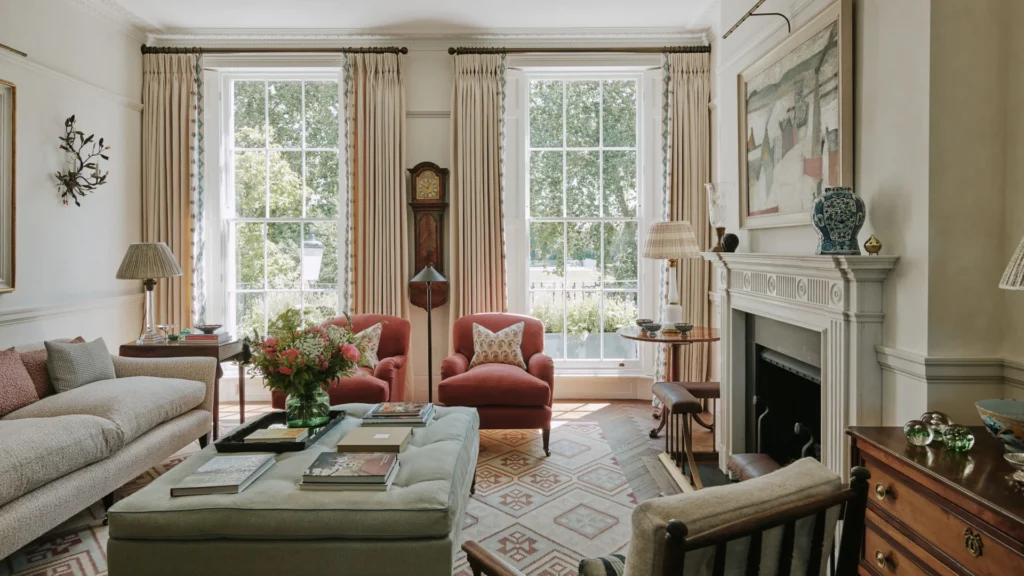
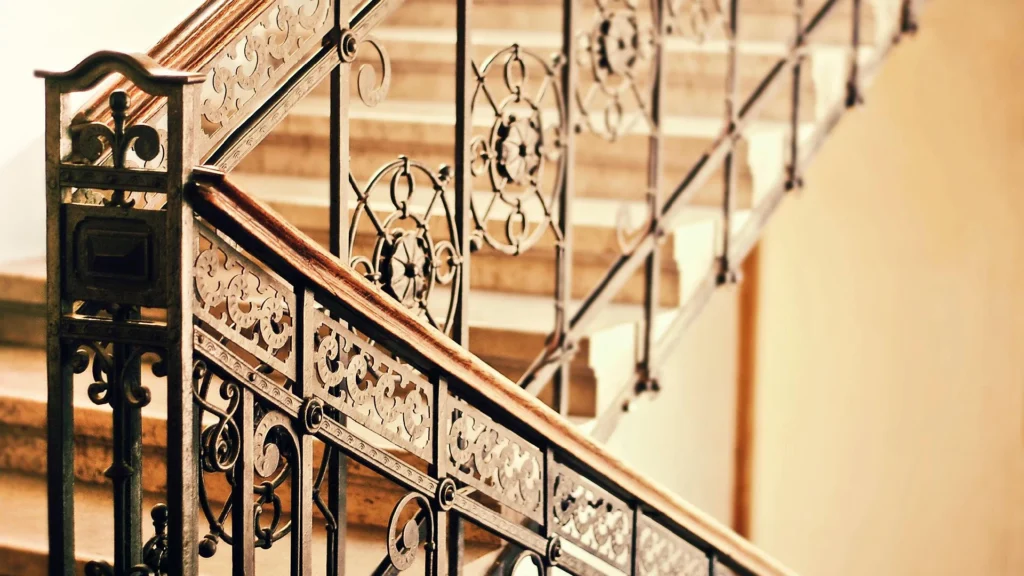
By contrast, Georgian, Victorian, Haussmannian, or early 20th-century residences were conceived with ceremony in mind. Ceiling heights often exceed three meters; rooms are clearly defined; fireplaces create axial symmetry; walls accommodate substantial art and cabinetry. In these environments, period home interior design relies on furniture with presence—both visually and physically.
Historic properties embody what the Architectural Digest frequently describes as “architectural gravitas”—a quality that demands furnishings capable of holding their own against elaborate moldings, paneling, and parquet floors.
Why Furniture Scale Must Change
1. Ceiling Height and Vertical Proportion
Ceiling height fundamentally dictates perceived scale. In period residences, tall ceilings allow for:
- High-backed sofas and wing chairs
- Substantial bookcases and armoires
- Layered chandeliers and pendant lighting
Within period home interior design, undersized furniture risks appearing dwarfed, visually floating beneath ornate cornices. Generous vertical mass restores equilibrium.
In contrast, most luxury apartment interiors require horizontal emphasis. Lower ceilings mean that oversized cabinetry or excessively tall headboards compress the space visually. Designers often select:
- Low-profile modular sofas
- Streamlined storage integrated into walls
- Sculptural yet compact lounge seating
In contemporary luxury interior design, restraint in height enhances perceived spaciousness.
2. Room Configuration and Flow
Period homes are typically cellular in layout. Each room performs a distinct function. This compartmentalization supports heavier, more permanent furniture arrangements—grand dining tables, symmetrical seating clusters, and imposing consoles.
By contrast, open-plan apartments require adaptability. Furniture in luxury apartment interiors often performs multiple roles:
- Zoning expansive living areas
- Maintaining visual permeability
- Allowing flexible reconfiguration
Bulky traditional pieces may obstruct sightlines or interrupt circulation. Therefore, scale in contemporary luxury interior design becomes lighter, modular, and strategically distributed.
3. Window Size and Natural Light
Expansive glazing defines many new builds. Floor-to-ceiling windows invite daylight deep into the interior, but they also expose furnishings to uninterrupted scrutiny. Heavy drapery and oversized armchairs can feel disproportionate against sleek façades.
In luxury apartment interiors, designers frequently opt for furniture with refined silhouettes, allowing architecture and views to remain protagonists. Meanwhile, period home interior design often benefits from fuller upholstery and layered textiles, which complement smaller sash windows and thicker walls.
4. Structural Load and Practical Constraints
Historic buildings were constructed with dense materials—stone, brick, solid timber. Floors could often bear significant weight. Conversely, modern apartments, particularly in high-rise developments, may impose stricter load limitations.
This structural reality subtly influences luxury interior design decisions. Solid hardwood cabinetry or marble-topped tables that feel natural in a 19th-century townhouse might require reconsideration in a contemporary tower.
Material Expression and Perceived Mass
Visual Weight in Period Residences
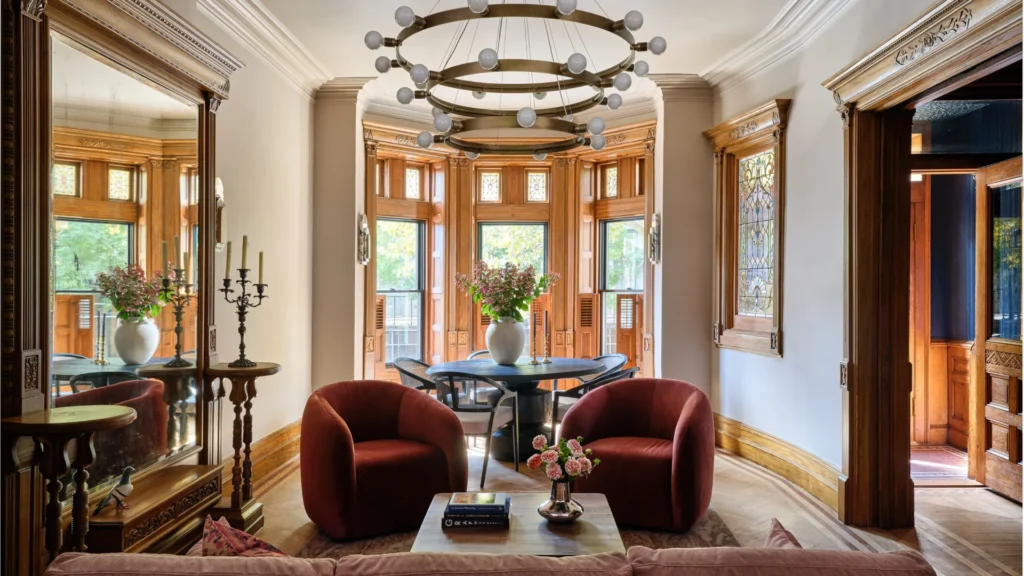
In period home interior design, dark woods, brass hardware, and richly upholstered seating contribute to a sense of permanence. Furniture scale is not solely about dimensions; it also concerns visual density. Deep button-tufting, carved legs, and layered textiles add optical weight, reinforcing architectural grandeur.
These environments invite craftsmanship that resonates with history. Furniture becomes part of an ongoing narrative rather than a standalone statement.
Lightness and Transparency in New Builds
Conversely, luxury apartment interiors often prioritize clarity. Glass tables, slim metal frames, pale timber finishes, and low-slung profiles create visual lightness. In contemporary luxury interior design, this approach prevents the space from feeling compressed.
The goal is not minimalism for its own sake, but proportional harmony. Even generous sofas can appear weightless if their bases are elevated and lines are disciplined.
Psychological Perception of Scale
Human perception of comfort shifts according to spatial context. A voluminous armchair that feels inviting in a tall drawing room may appear intrusive in a compact apartment. The psychology of scale is critical to both luxury apartment interiors and period home interior design.
Key Perceptual Principles
- Contrast amplifies perception: Large furniture in small rooms feels larger than its actual dimensions.
- Ceiling height influences emotional response: Taller spaces tolerate grander forms.
- Visual continuity enhances spaciousness: Lower furniture preserves horizontal sightlines.
Mastering these principles elevates luxury interior design from decoration to spatial choreography.
Guidelines for Designers and Developers
For New Build Apartments
- Prioritize modular seating systems with flexible configurations.
- Select furniture with lower backs to maintain visual openness.
- Integrate built-in storage to avoid freestanding bulk.
- Balance large glazing with sculptural but proportionate anchor pieces.
In premium developments, carefully considered scale distinguishes truly refined luxury apartment interiors from generic staging.
For Period Homes
- Embrace generous upholstery and substantial dining tables.
- Use height—bookcases, mirrors, drapery—to echo architectural volume.
- Respect symmetry created by fireplaces and paneling.
- Layer materials to reinforce historic character.
Thoughtful period home interior design honors architectural legacy while integrating contemporary comfort.
Investment Value and Market Perception
Furniture scale does not merely influence aesthetics; it impacts property valuation. Prospective buyers respond intuitively to proportion. Oversized furnishings in compact apartments can diminish perceived square footage, while underscaled pieces in historic homes may undermine their grandeur.
In high-end real estate, luxury interior design that aligns with architectural typology enhances desirability. For developers marketing luxury apartment interiors, professionally scaled furnishings can elevate sales velocity. Likewise, curated period home interior design reinforces authenticity and prestige.
Bridging the Two Worlds
Not all projects sit at extremes. Many contemporary developments reinterpret classical elements, while historic properties undergo modern renovations. In such hybrid contexts, scale becomes even more nuanced.
Designers may combine streamlined sofas with antique armchairs, or place minimalist tables beneath ornate plaster ceilings. The success of these compositions depends on proportional calibration—a hallmark of sophisticated luxury interior design.
Strategic Balancing Techniques
- Pair visually light contemporary pieces with one substantial anchor element.
- Use rugs to mediate scale discrepancies.
- Introduce vertical artwork to connect low furniture with tall ceilings.
- Adjust leg height and base detailing to fine-tune perceived mass.
The Future of Scale in Residential Design
As urban density increases and sustainability reshapes construction practices, average apartment sizes may continue to fluctuate. Meanwhile, historic preservation gains renewed cultural importance. Both trends reinforce the need for adaptive thinking in luxury apartment interiors and period home interior design.
Technological innovation—parametric modeling, virtual staging, and advanced prototyping—enables designers to test proportion with unprecedented precision. Yet the human eye remains the ultimate measure.
The Takeaway
The debate between new build apartments and period homes is not about superiority; it is about context. Furniture scale must evolve in response to ceiling height, room configuration, structural capacity, and psychological perception.
In exemplary luxury apartment interiors, scale is calibrated to preserve openness and light. In masterful period home interior design, furnishings rise to meet architectural grandeur. Across both typologies, thoughtful proportion defines the success of luxury interior design.
For architects, developers, and discerning homeowners, the lesson is clear: furniture is not an afterthought. It is an architectural instrument. When scale aligns with structure, space transcends trend and achieves timeless refinement.