In the evolving landscape of luxury interiors, few materials have maintained relevance as consistently as bouclé. Known for its soft, looped texture and tactile richness, bouclé has become a defining element in contemporary high-end design. Its appeal extends beyond aesthetics, offering comfort, depth, and a sense of understated sophistication. For interior designers and architects, bouclé represents more than a trend. It is a material that bridges modern minimalism with timeless elegance, making it a key component in creating refined and inviting residential environments.
The Origins and Resurgence of Bouclé
Bouclé first gained prominence in mid-century design, where it was celebrated for its unique texture and versatility. Today, it has experienced a strong resurgence within luxury interiors, driven by a renewed interest in tactile materials and sensory experiences.
This revival reflects a broader shift in design priorities. Clients are increasingly drawn to materials that offer comfort and authenticity, rather than purely visual impact. Bouclé meets these expectations by providing both softness and visual depth. As a result, it has reemerged as a staple in contemporary interiors, seamlessly integrating into a wide range of design styles.
Key Characteristics of Bouclé in Luxury Interiors
Bouclé’s continued popularity in luxury interiors can be attributed to several defining qualities:
- Distinctive looped texture that adds visual and tactile depth
- Soft, inviting surface that enhances comfort
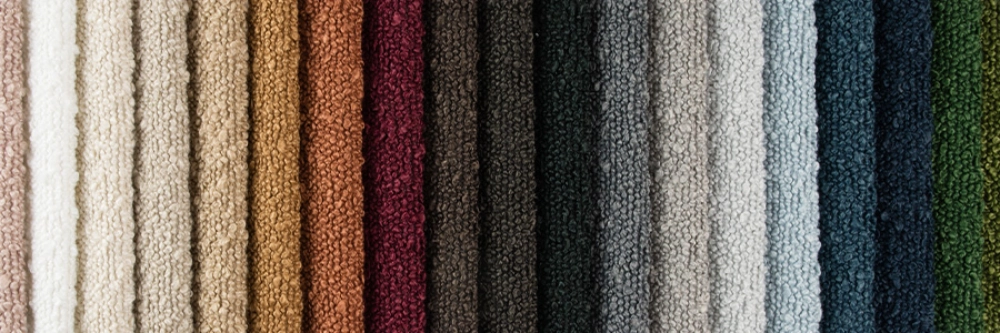
- Neutral color palette that supports versatility
- Ability to complement both modern and classic designs
- Durable construction suitable for high-end residential use
These characteristics make bouclé a versatile material that enhances both the aesthetic and functional aspects of interior spaces.
Texture as a Design Statement
In luxury interiors, texture plays a crucial role in creating depth and interest. Bouclé stands out as a material that can transform a space without relying on bold colors or patterns.
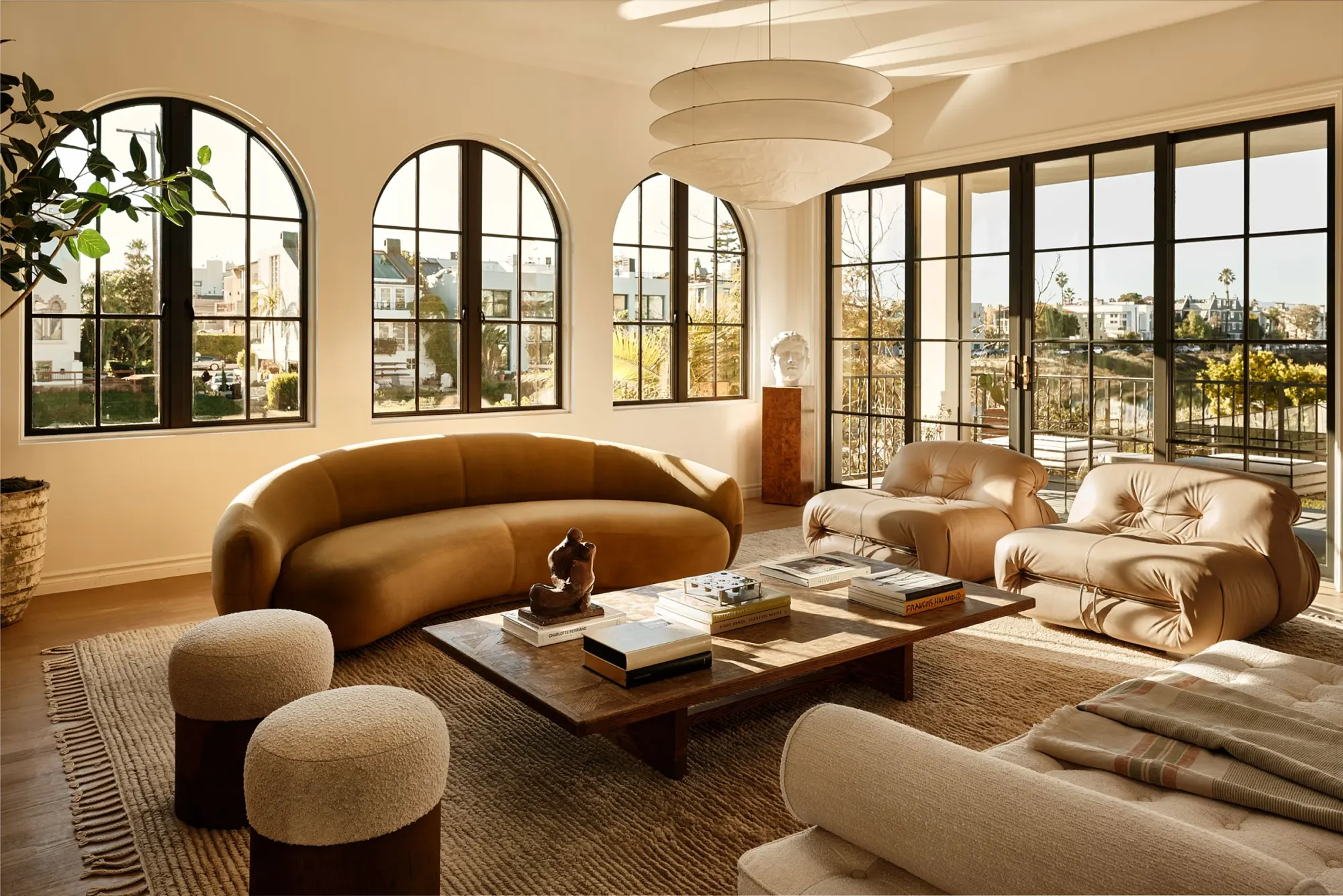
Its surface interacts with light in subtle ways, creating shadows and highlights that shift throughout the day. This dynamic quality adds a layer of complexity to interiors, making them feel more engaging. Moreover, bouclé’s texture contrasts effectively with smoother materials such as marble, glass, and metal, enhancing the overall composition. This ability to elevate texture positions bouclé as a key element in contemporary design.
Versatility Across Furniture and Applications
Bouclé is widely used across various elements in luxury interiors, offering flexibility in design:
Upholstery for sofas and armchairs that emphasizes comfort
- Accent chairs that serve as focal points
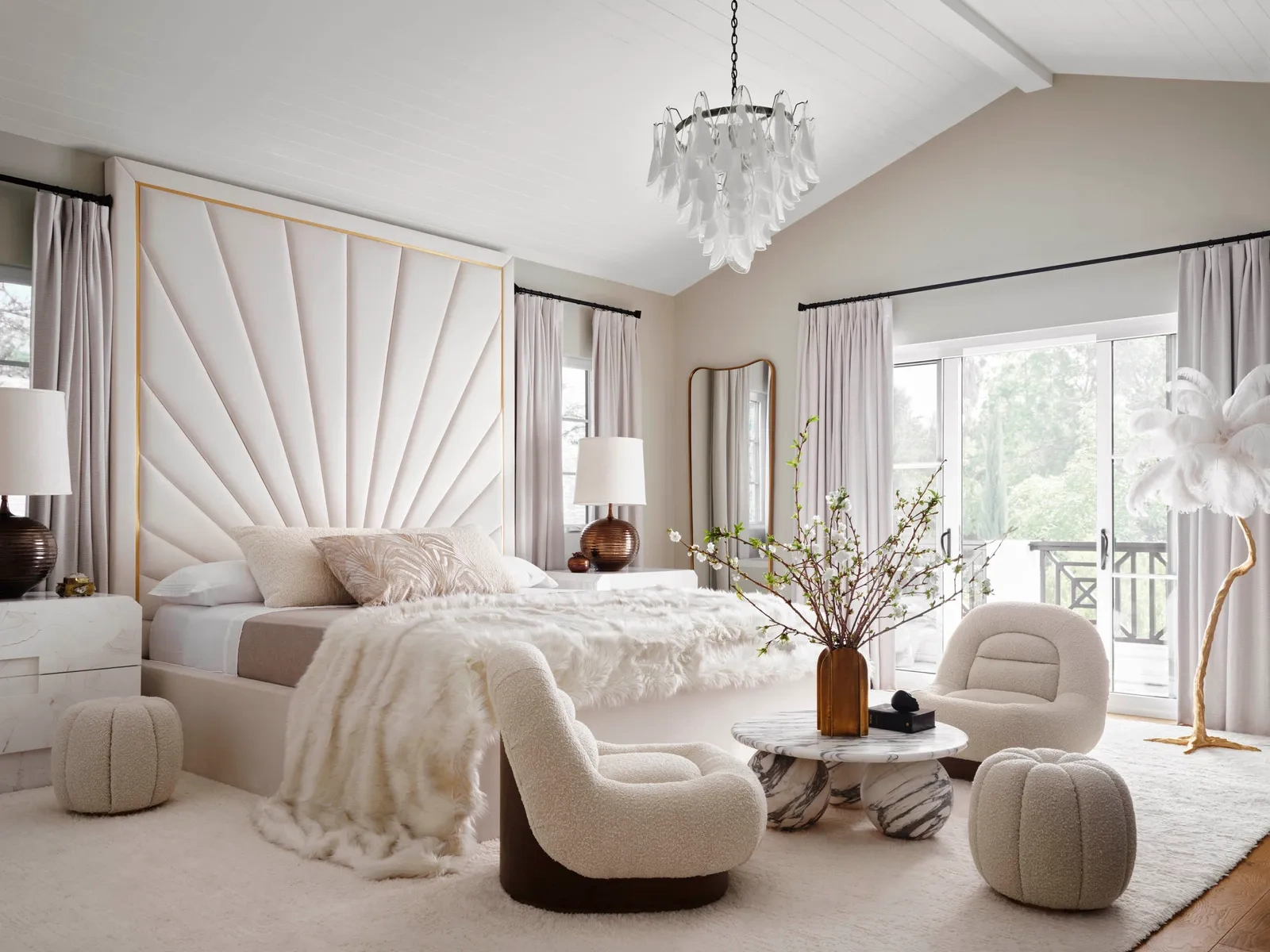
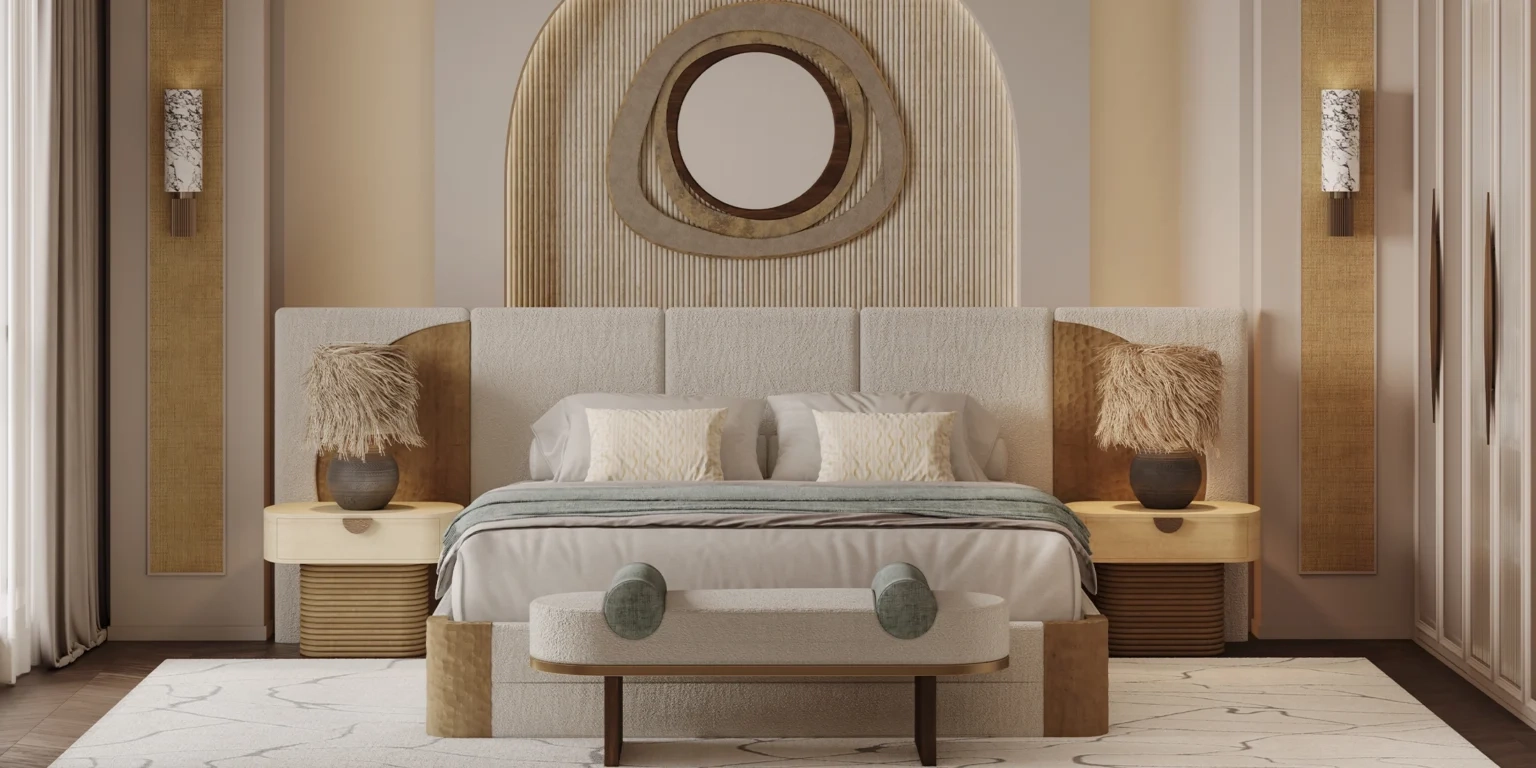
- Headboards that introduce softness into bedrooms
- Ottomans and benches that add functional texture
- Decorative cushions that enhance layering
Through these applications, bouclé becomes an integral part of the interior, contributing to a cohesive and refined design language.
Pairing Bouclé with Other Materials
Successful integration of bouclé in luxury interiors often involves thoughtful material pairing. Designers use contrast to highlight its unique qualities while maintaining balance within the space.
Bouclé is frequently combined with natural wood, stone, and metal to create a layered composition. For example, a bouclé sofa paired with a marble coffee table introduces a contrast between softness and solidity. Similarly, metal accents can add a subtle edge to the otherwise warm and inviting texture. These combinations ensure that bouclé enhances the overall design without overwhelming it.
The Role of Neutral Palettes
Color plays a significant role in the enduring appeal of bouclé. In luxury interiors, it is most commonly found in neutral tones:
- Soft whites that create a sense of lightness
- Warm beiges that enhance comfort
- Subtle greys that add sophistication
- Earthy tones that connect to natural materials
- Muted pastels that introduce gentle variation
These colors allow bouclé to integrate seamlessly into a variety of design schemes, supporting a cohesive and harmonious aesthetic.
Comfort and Emotional Experience
Beyond its visual appeal, bouclé contributes to the emotional quality of luxury interiors. Its soft texture invites touch, creating a sense of warmth and comfort that enhances the overall experience of a space.
This tactile quality is particularly important in residential design, where comfort is a key priority. Bouclé furniture encourages relaxation, making spaces feel more welcoming and livable. As a result, it supports a more human-centered approach to design, where materials are chosen not only for their appearance but also for their ability to enhance well-being.
Integrating Bouclé in Contemporary Spaces
Designers often incorporate bouclé into modern interiors through strategic placement and thoughtful composition:
- Using statement pieces to anchor the room
- Layering with complementary textiles for added depth
- Balancing with sleek surfaces to maintain contrast
- Positioning in high-visibility areas to highlight texture
- Combining with neutral palettes for cohesion
These strategies ensure that bouclé enhances the design while maintaining a refined and balanced aesthetic.
The Future of Bouclé in Luxury Interiors
As luxury interiors continue to evolve, bouclé is likely to remain a key material due to its versatility and timeless appeal. Its ability to adapt to different styles and contexts ensures its relevance in both contemporary and classic designs.
Future applications may explore new color variations, innovative blends, and sustainable production methods. However, the core qualities that define bouclé, texture, comfort, and subtle elegance, will continue to drive its popularity. For designers, it represents a reliable and sophisticated choice that aligns with the principles of modern luxury.
Conclusion
Bouclé has secured its place as a defining material in luxury interiors, offering a unique combination of texture, comfort, and versatility. Its ability to enhance both visual and tactile experiences makes it an essential tool for interior designers and architects.
As design trends continue to shift, bouclé’s timeless qualities ensure that it remains relevant and impactful. By integrating this material thoughtfully, designers can create interiors that are not only elegant but also deeply engaging, reinforcing the enduring appeal of luxury interiors.
Why Nolita Harbour
Nolita Harbour directly reflects the dominance of bouclé in luxury interiors by incorporating the fabric into many of its furniture pieces. Through soft silhouettes and tactile upholstery, the brand leverages bouclé to enhance both comfort and visual depth. This consistent use of textured materials aligns with contemporary design trends that prioritize sensory experience and understated elegance. As a result, Nolita Harbour contributes to a cohesive interior language where bouclé is not just an accent, but a defining element of refined, modern living spaces.