What to Expect from Light + Building 2028: Lighting Design and Smart Interior Innovation

The global lighting and building technology sector evolves rapidly, and few events capture that transformation as comprehensively as Light + Building in Frankfurt. Scheduled for March 5–10, 2028, the next edition will continue the fair’s reputation as the world’s leading trade platform for lighting design, electrical engineering, and intelligent building systems.
For interior designers, architects, furniture brands, and luxury design studios, Light + Building 2028 will provide a global stage where design creativity intersects with advanced technology. The event traditionally attracts thousands of exhibitors and professionals from architecture, engineering, and design sectors who gather to explore innovations that shape future interiors and buildings.
Looking ahead to 2028, several key themes and innovations are likely to dominate the conversation—particularly smart lighting systems, sustainable illumination, integrated building technologies, and experiential lighting design.
The Global Hub for Lighting and Building Innovation
Every two years, Frankfurt becomes a meeting point for companies, designers, engineers, and manufacturers who are shaping the future of built environments. The exhibition uniquely combines design-oriented lighting products with intelligent building automation and electrical systems, creating an ecosystem where technology and aesthetics evolve together.
Earlier editions have already demonstrated how the lighting industry is undergoing a technological transformation driven by electrification, digitalization, and energy efficiency.
By 2028, this convergence will likely become even more visible. Instead of treating lighting as an isolated design element, the fair increasingly frames illumination as part of a holistic building ecosystem that integrates architecture, interiors, and digital infrastructure.
For luxury residential projects, hospitality environments, and premium retail spaces, this shift will redefine how designers plan lighting from the earliest stages of architectural development.
1. Smart Lighting and Connected Interiors
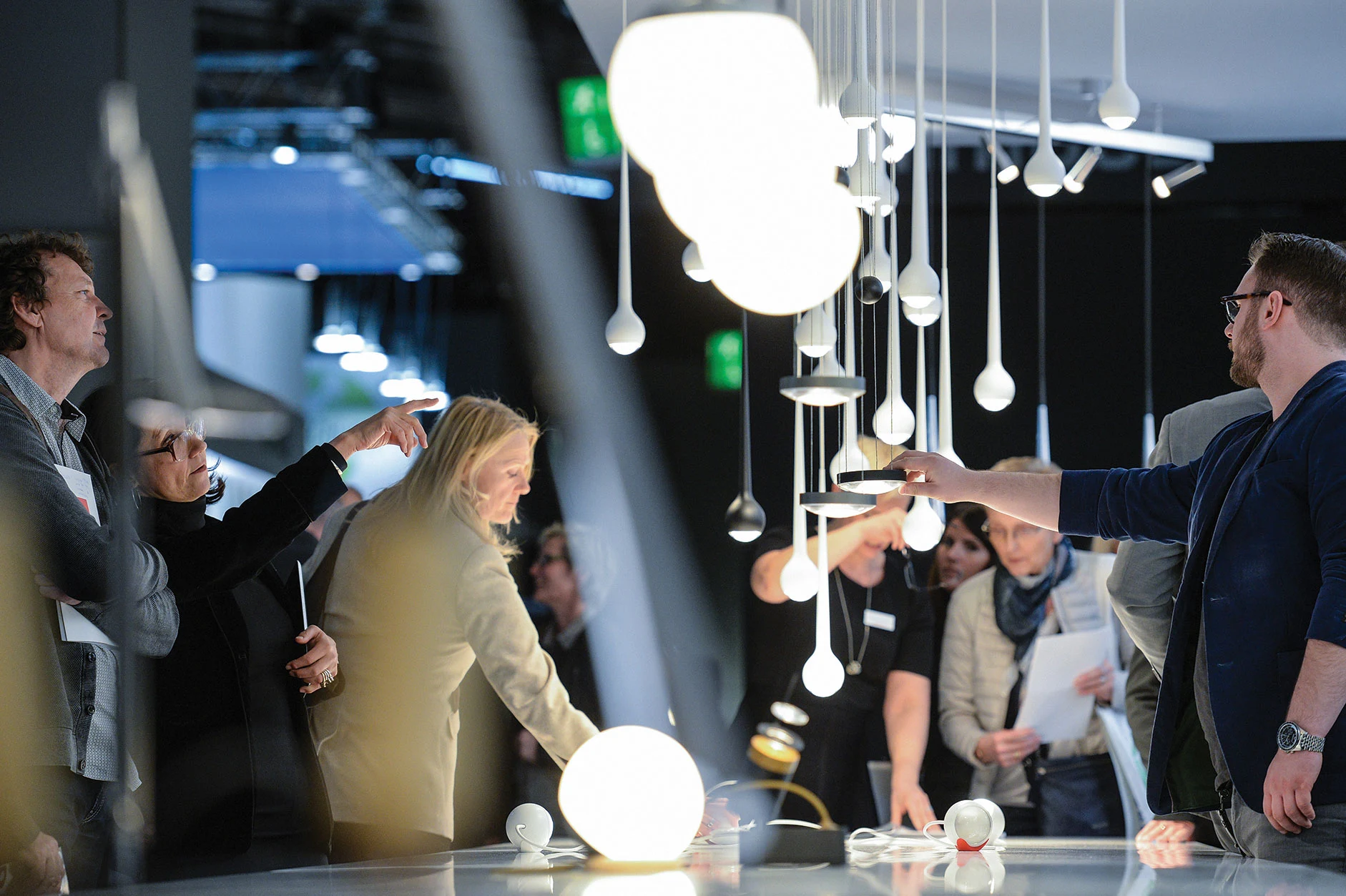
One of the central themes expected at Light + Building 2028 is the expansion of smart lighting ecosystems.
Modern lighting systems no longer operate independently. Instead, they function within networks of sensors, automation systems, and digital platforms that manage energy consumption and user experience simultaneously. Lighting technology now integrates with Internet-of-Things (IoT) infrastructures, enabling advanced features such as adaptive brightness, dynamic color temperature, and occupancy-based automation.
For architects and interior designers, these innovations open new possibilities:
- lighting that adjusts automatically to daylight cycles
- integrated control of lighting, climate, and shading systems
- programmable lighting scenes for hospitality or retail environments
- remote management through smart building dashboards
At large international projects—hotels, offices, and mixed-use developments—smart lighting increasingly serves as the interface between architecture and digital experience.
2. Sustainable Transformation and Energy Efficiency
Sustainability has become a central priority in architecture and design, and it remains a major focus at Light + Building events. Previous editions emphasized sustainable transformation as a key industry theme, highlighting solutions that reduce energy consumption and environmental impact.
In 2028, lighting innovation will likely emphasize:
- ultra-efficient LED technologies
- intelligent energy management systems
- adaptive lighting based on occupancy and daylight
- materials designed for long lifecycle performance
For luxury design studios and developers, energy-efficient lighting no longer conflicts with aesthetics. On the contrary, many premium lighting brands now combine high performance with sculptural design, allowing sustainable solutions to enhance the visual identity of interiors.
The result is a new generation of lighting systems that support both environmental responsibility and architectural elegance.
3. Experiential Lighting and Human-Centric Design
Lighting increasingly influences how people feel within a space. Beyond illumination, it shapes mood, productivity, and social interaction.
Recent exhibitions have already explored this concept through immersive installations demonstrating how lighting affects everyday environments—from homes and workplaces to educational spaces.
At Light + Building 2028, designers can expect deeper exploration of human-centric lighting, including:
- circadian lighting systems that follow natural biological rhythms
- layered lighting strategies for residential and hospitality interiors
- adaptive lighting environments in offices and wellness spaces
- interactive installations combining light, materials, and architecture
For interior designers, this direction highlights a shift: lighting design is evolving from technical planning to spatial storytelling.
4. Sculptural Fixtures and Material Innovation
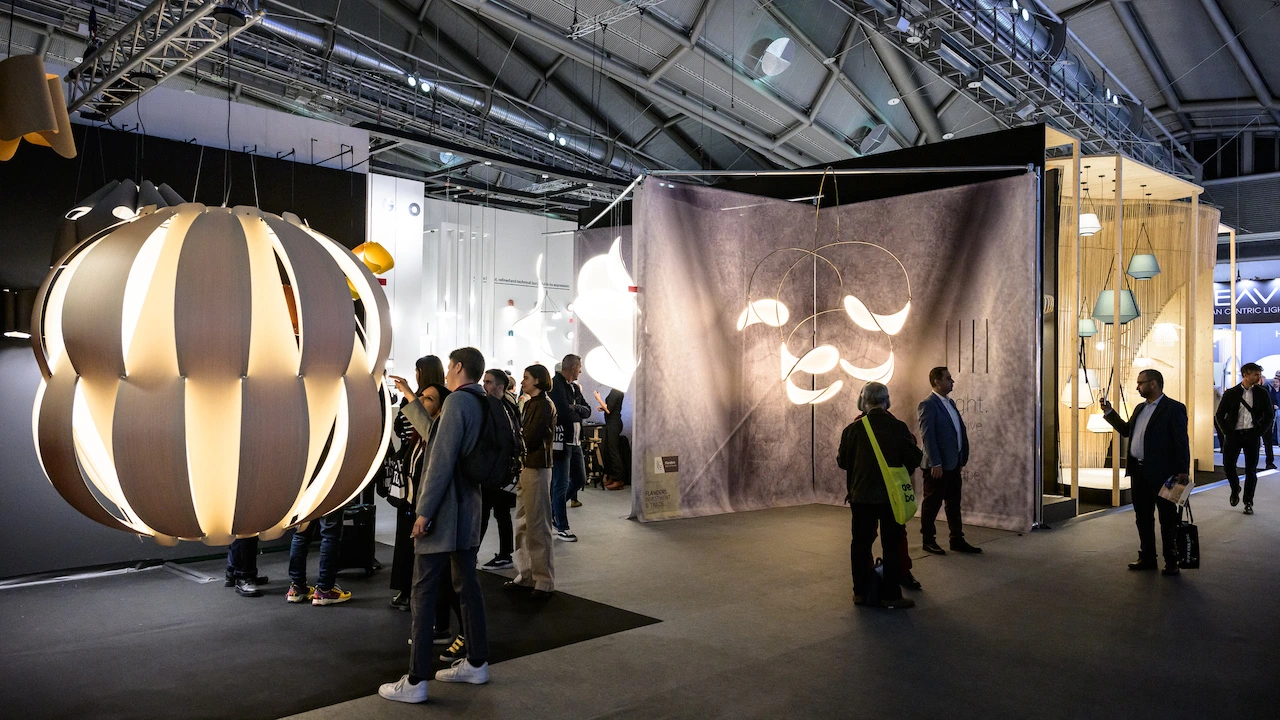
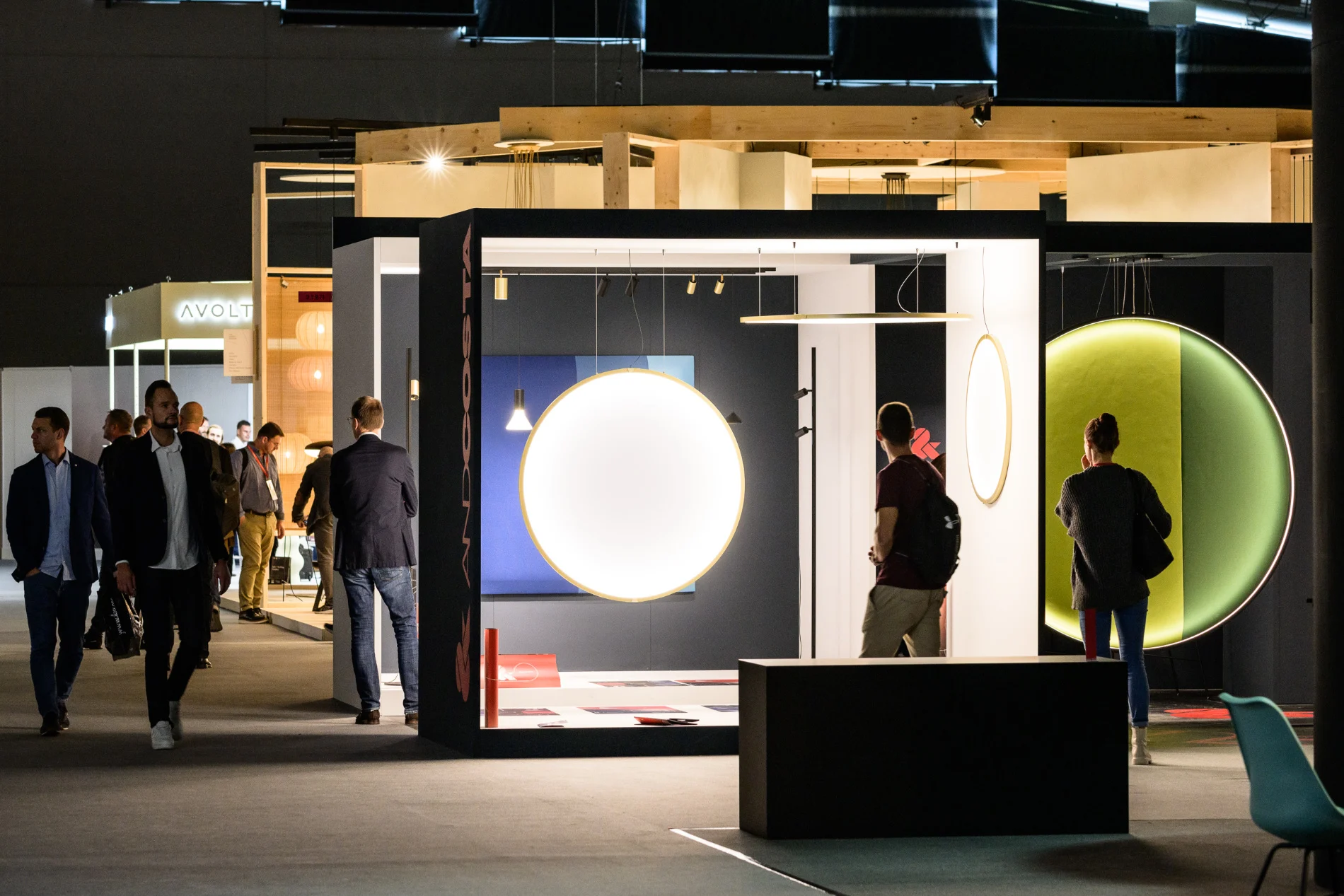
While technology plays a major role at the fair, design aesthetics remain equally important. Lighting fixtures increasingly act as architectural objects and artistic focal points within interiors.
Current design trends point toward sculptural lighting pieces that combine materials such as stone, metal, glass, textiles, and ceramics to create layered visual depth.
At future editions of the exhibition, designers can expect to see:
- oversized statement luminaires
- organic and biomorphic silhouettes
- mixed-material lighting constructions
- handcrafted decorative fixtures for luxury interiors
These developments align with the broader movement toward expressive, tactile design, where lighting becomes both a functional tool and a design centerpiece.
5. Integrated Building Technologies and Automation
Another defining aspect of Light + Building 2028 is its ability to unite lighting design with advanced building services technology.
The fair covers a wide spectrum that includes:
- electrical infrastructure
- building automation systems
- intelligent controls
- security and energy management technologies
This integrated approach reflects a broader industry shift: lighting now operates as part of a connected architectural ecosystem rather than a standalone system.
For architects and developers working on large-scale projects—such as hotels, airports, or luxury residential complexes—this integration simplifies design coordination and enables smarter building performance from the outset.
Why Light + Building 2028 Matters for Design Professionals
For professionals in architecture and interior design, attending Light + Building 2028 offers more than a product showcase. It provides insight into how design, engineering, and digital innovation will shape the next generation of built environments.
The fair traditionally brings together thousands of international exhibitors and visitors, making it a key networking and innovation platform for the global design industry.
For furniture brands and luxury design studios, it also offers early access to emerging materials, lighting technologies, and smart interior solutions that will influence projects in the years ahead.
The Future of Lighting Design
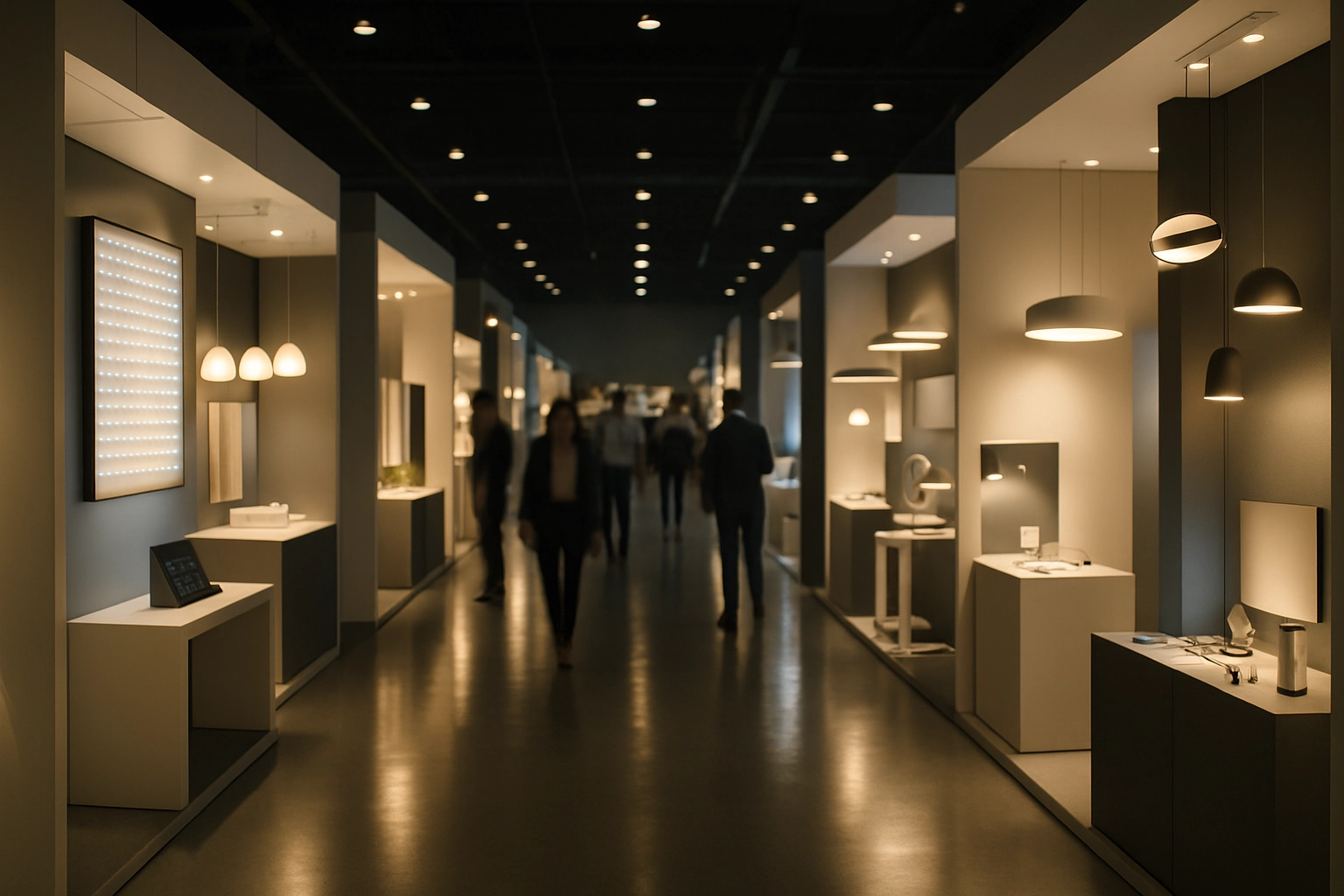
As architecture and technology continue to converge, lighting is becoming one of the most powerful tools in shaping spatial experience.
By 2028, designers will likely treat lighting systems not just as decorative or functional components but as interactive layers within intelligent buildings—capable of responding to users, optimizing energy consumption, and enhancing atmosphere.
Events like Light + Building 2028 demonstrate how quickly the industry evolves. For designers and architects working at the forefront of luxury interiors and innovative architecture, the exhibition remains one of the most important global stages for exploring the future of lighting and smart interior innovation.