
In the world of high-end residential design, Vancouver homes stand out for their unique ability to merge urban sophistication with the raw beauty of mountain landscapes. Positioned between forest, ocean, and alpine terrain, these residences offer a distinctive framework for contemporary interior design. For architects and interior designers, Vancouver homes present an opportunity to explore spatial openness, natural materiality, and seamless indoor-outdoor connections. As a result, they have become a benchmark for modern mountain living, where architecture and interiors are shaped by both environmental context and refined design sensibilities.
The Evolution of Contemporary Mountain Living
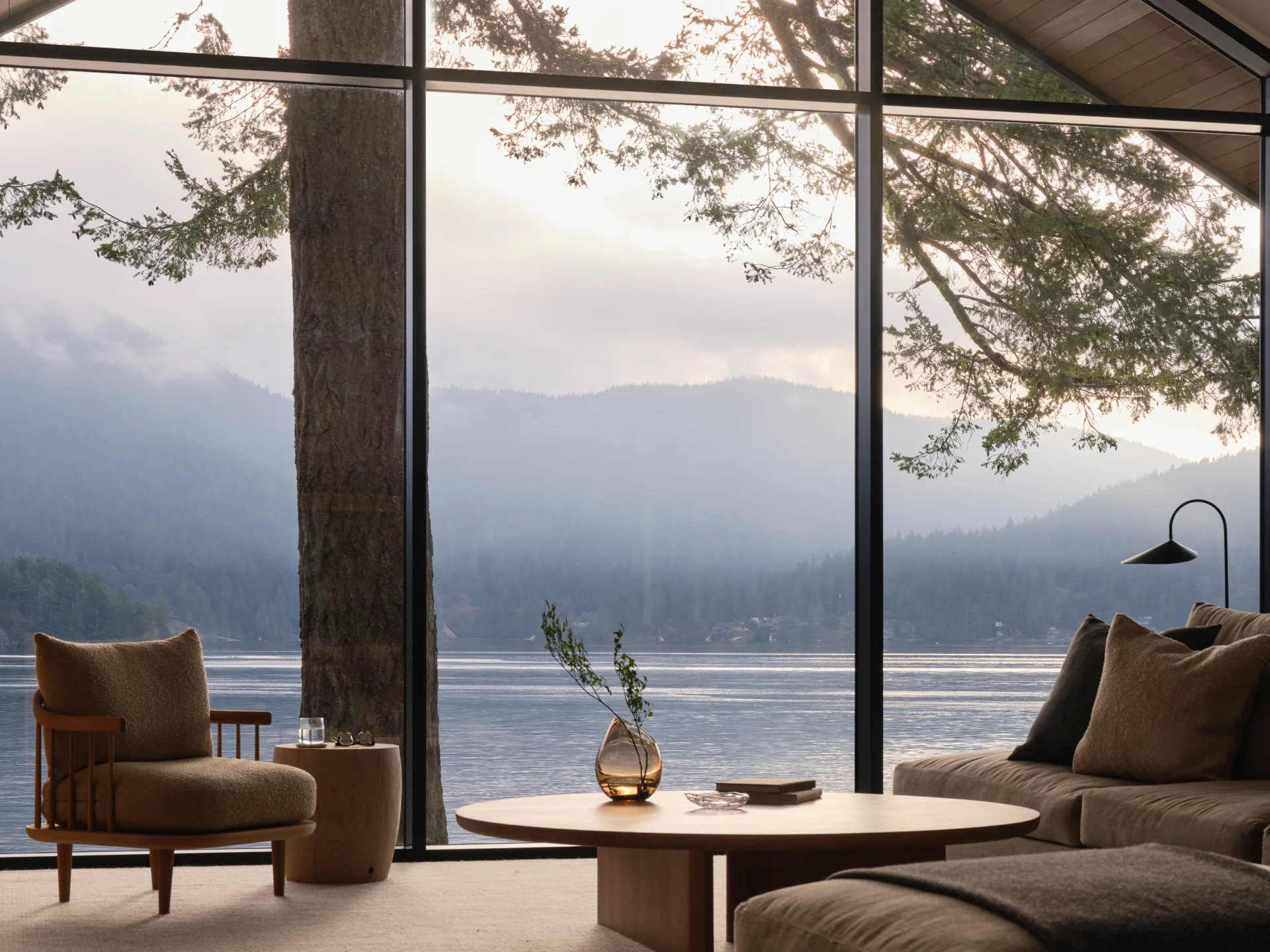
Traditionally, mountain residences were defined by rustic aesthetics and heavy materials. However, Vancouver homes have reinterpreted this typology through a contemporary lens. Instead of emphasizing weight and enclosure, modern designs prioritize transparency, lightness, and spatial flow.
This evolution reflects a broader shift in luxury interior design, where clients seek environments that feel connected to nature without sacrificing comfort or elegance. Large expanses of glass, open-plan layouts, and restrained material palettes now define contemporary mountain residences. Consequently, Vancouver homes exemplify how tradition can be transformed into a refined and forward-thinking design language.
Defining Characteristics of Vancouver Homes
Contemporary Vancouver homes share a set of key design features that shape their identity:
- Strong visual connection to surrounding landscapes
- Use of natural materials such as wood, stone, and glass
- Open layouts that enhance spatial continuity
- Minimalist detailing that emphasizes architectural clarity
- Integration of indoor and outdoor living spaces
These elements create interiors that feel both grounded and expansive, reinforcing the relationship between built form and natural context.
Architecture and Interior Integration
One of the most compelling aspects of Vancouver homes is the seamless integration between architecture and interior design. Rather than treating interiors as separate layers, designers approach them as extensions of the architectural concept.
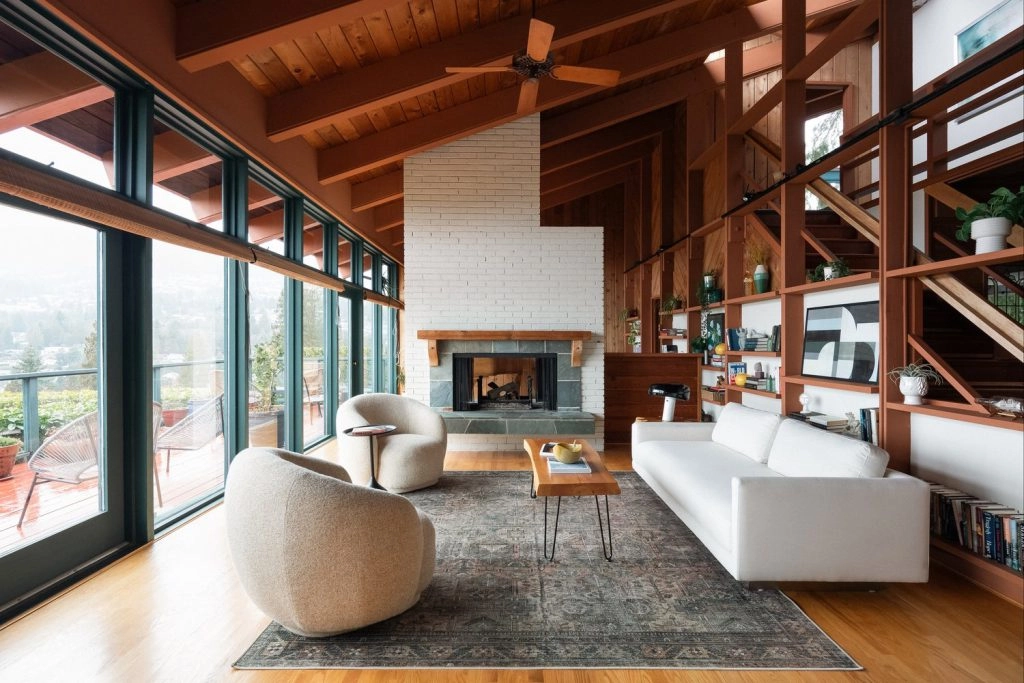
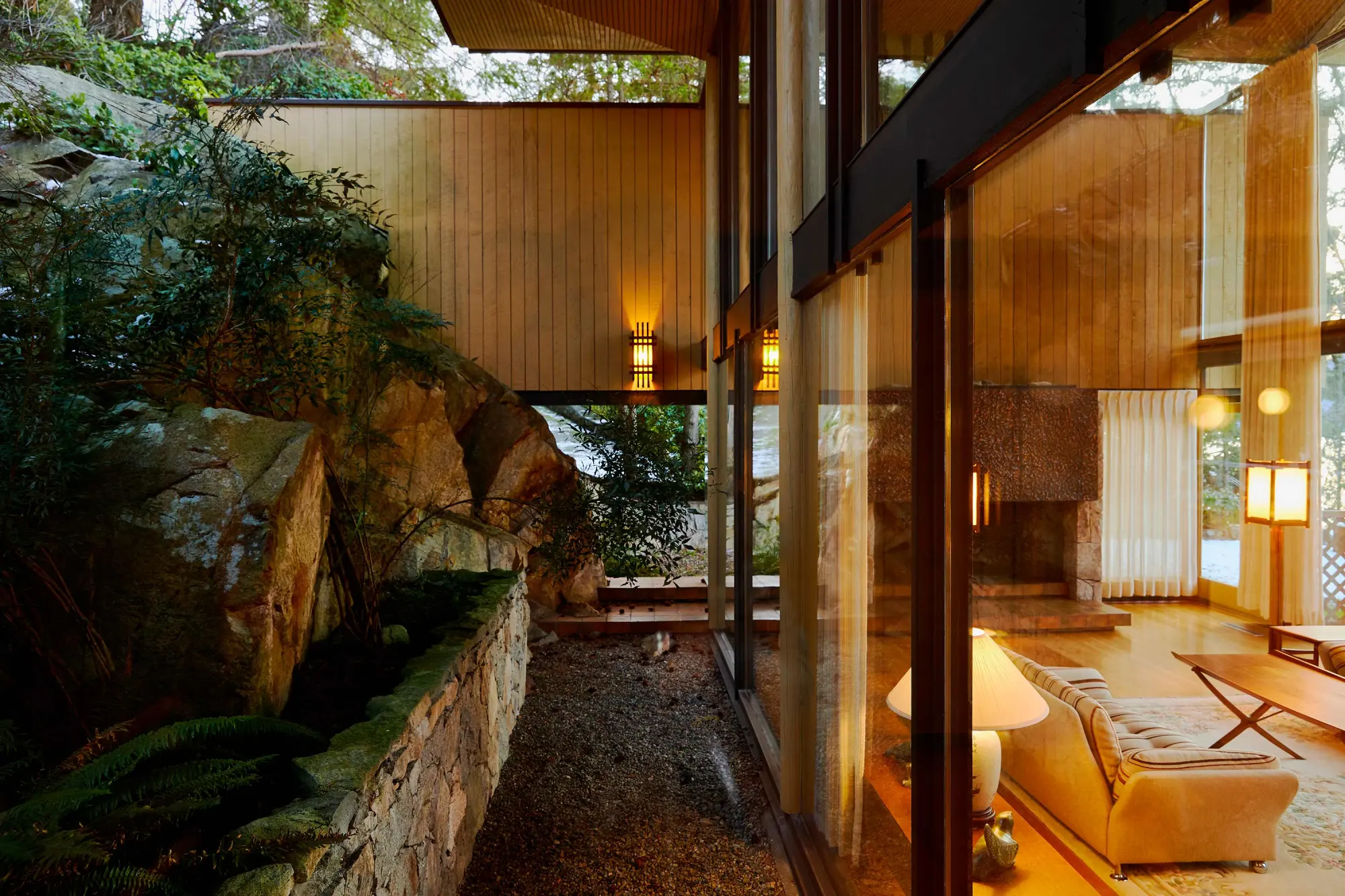
Walls, ceilings, and floors often share consistent materials, creating a unified visual language. Structural elements such as beams and columns are left exposed, adding rhythm and texture to the space. Moreover, transitions between rooms are softened, allowing interiors to flow naturally. This holistic approach ensures that every element contributes to a cohesive and immersive spatial experience.
Materiality and Natural Expression
Material selection plays a central role in defining the atmosphere of Vancouver homes. Designers typically focus on:
- Timber surfaces that introduce warmth and organic texture
- Stone elements that provide durability and visual weight
- Glass panels that enhance transparency and light
- Metal accents that add subtle contrast
- Natural textiles that soften the overall composition
By combining these materials, interiors achieve a balance between ruggedness and refinement. This approach reflects the surrounding environment while maintaining a sense of luxury and comfort.
Spatial Flow and Open Living
Spatial flow is a defining feature of contemporary mountain residences in Vancouver. Open-plan layouts are designed to maximize both functionality and visual continuity, creating interiors that feel expansive and connected.
Living, dining, and kitchen areas are often combined into a single, fluid space, allowing for flexible use. At the same time, subtle zoning techniques, such as changes in ceiling height or material transitions, help define different areas without disrupting the overall flow. This balance between openness and structure enhances the usability of the home while maintaining a strong architectural identity.
Furniture and Interior Composition
Furniture in Vancouver homes is carefully selected to complement the architectural framework:
- Low-profile pieces that preserve views of the landscape
- Neutral tones that align with the natural palette
- High-quality materials that reflect craftsmanship
- Modular configurations that support flexibility
- Minimalist forms that enhance spatial clarity
Through this approach, furniture becomes an extension of the architecture, reinforcing the overall design language while supporting comfort and functionality.
Light and Landscape Interaction
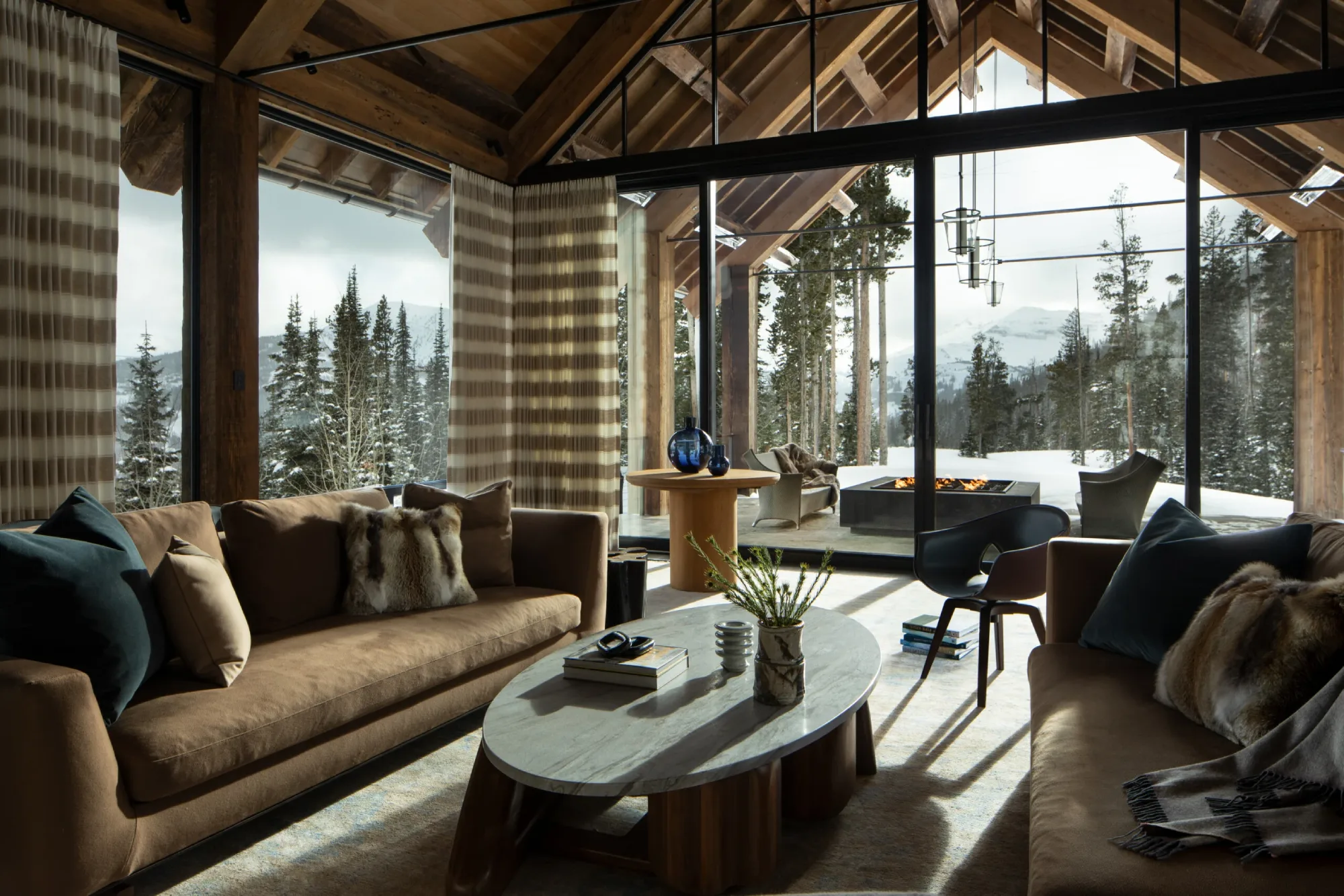
Natural light is a critical element in shaping the interiors of Vancouver homes. Large windows and sliding glass doors allow daylight to penetrate deep into the space, highlighting materials and enhancing spatial perception.
Designers often position openings to frame specific views, turning the landscape into a living artwork. As light changes throughout the day, interiors evolve, creating dynamic and engaging environments. This interaction between light and landscape reinforces the connection to nature, which is central to the identity of contemporary mountain residences.
Wellness and Comfort in Mountain Interiors
Wellness has become an integral aspect of luxury design in Vancouver homes. Interiors are designed to promote relaxation and well-being, reflecting the tranquility of the surrounding environment:
- Use of natural materials that create a calming atmosphere
- Integration of spa-like bathrooms and wellness areas
- Access to outdoor spaces for fresh air and movement
- Soft lighting that enhances comfort
- Acoustic considerations that reduce noise and promote quiet
These features contribute to a holistic living experience, where design supports both physical and emotional well-being.
Technology and Modern Living
While Vancouver homes emphasize natural elements, they also incorporate advanced technology to enhance functionality:
- Smart home systems for lighting and climate control
- Integrated audio and visual solutions
- Automated shading systems for large glass surfaces
- Energy-efficient technologies that support sustainability
- Discreet interfaces that maintain visual clarity
These integrations ensure that homes meet contemporary expectations while preserving the clean and minimal aesthetic of the design.
The Future of Vancouver Homes
As design continues to evolve, Vancouver homes are likely to remain at the forefront of contemporary mountain living. Future developments will focus on sustainability, innovative materials, and adaptive spatial solutions.
Designers will continue to explore ways to strengthen the connection between interiors and the natural environment while maintaining high levels of comfort and sophistication. This ongoing evolution positions Vancouver homes as a model for how luxury residential design can respond to both environmental and cultural contexts.
Conclusion
Vancouver homes represent a refined approach to contemporary mountain interior design, where architecture, materials, and landscape come together to create cohesive and immersive environments. Through thoughtful design strategies, these residences balance openness with intimacy, and natural expression with modern sophistication.
For interior designers and architects, they offer valuable insights into the future of luxury living. As the demand for meaningful and connected spaces continues to grow, Vancouver homes will remain a key reference point for creating interiors that are both elegant and deeply rooted in their surroundings.