
Urban environments are redefining how designers approach high-end residential spaces, with interior design trends increasingly shaped by vertical living. High-rise developments are no longer just about maximizing density; they now prioritize experience, comfort, and identity.
For interior designers and architects, this shift requires a careful balance between functionality and aesthetics. Today’s luxury towers integrate advanced technology, premium materials, and curated spatial layouts. As a result, high-rise interiors have become sophisticated environments that reflect both global influences and the unique character of urban life.
Key Characteristics of High-Rise Interior Design
Modern interior design trends in high-rise developments typically include:
- Open-plan layouts maximizing spatial perception
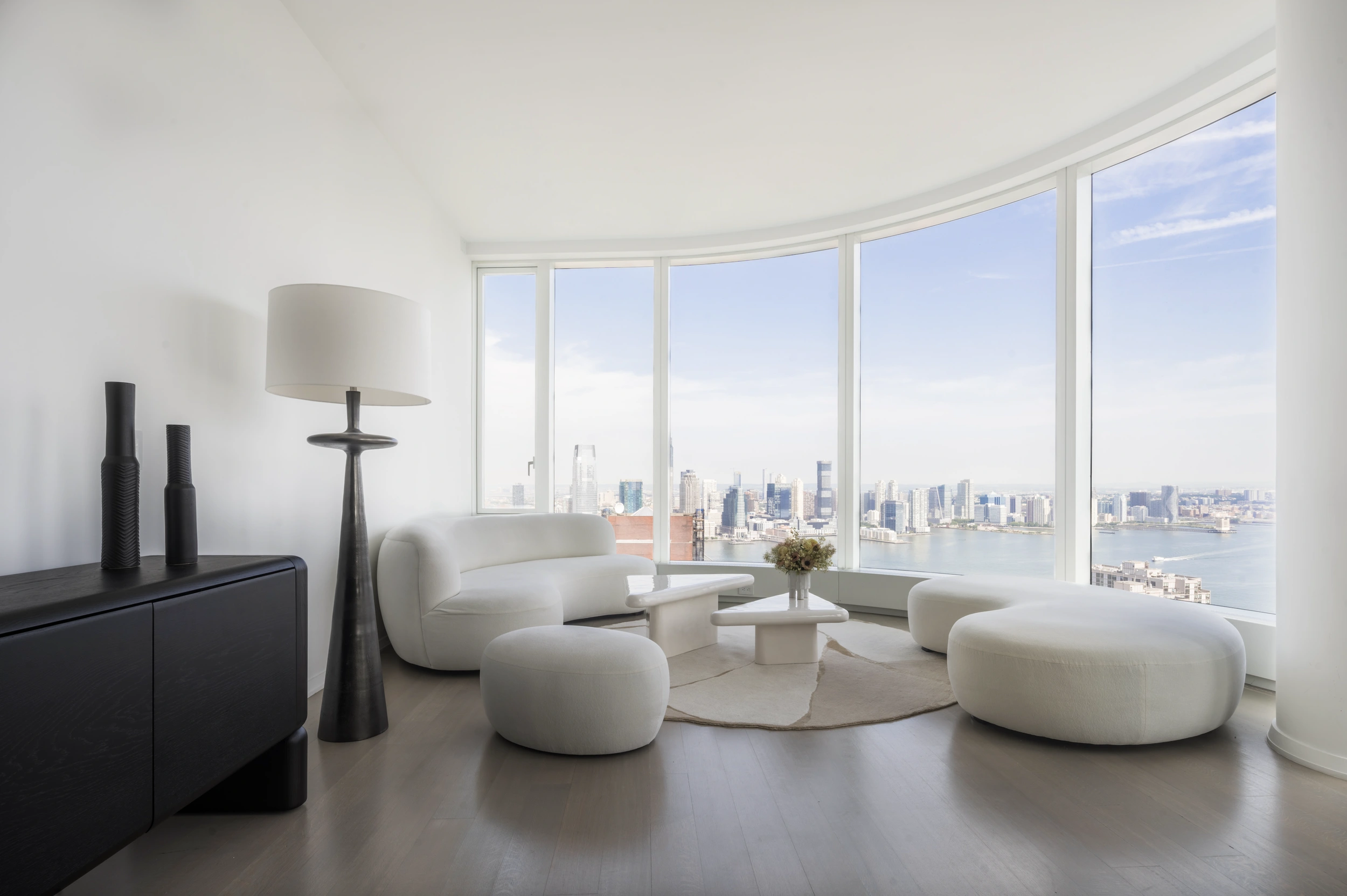
- Floor-to-ceiling windows enhancing natural light
- Seamless integration of indoor and outdoor living
- Use of high-end, durable materials
- Smart home technologies embedded in design
- Custom furniture tailored to compact luxury living
These features ensure that vertical residences deliver both comfort and exclusivity.
Maximizing Space in Vertical Environments
One of the most critical challenges in high-rise living is optimizing space without compromising luxury. Contemporary interior design trends focus on creating fluid layouts that enhance usability and visual openness.
Designers use multifunctional furniture, hidden storage, and strategic zoning to maximize efficiency. Spatial planning becomes an art form, where every square foot is carefully considered. This approach not only improves functionality but also contributes to a more refined and uncluttered aesthetic, essential for luxury urban living.
Space Optimization Strategies
Design professionals often rely on the following techniques:
- Built-in storage solutions minimizing clutter
- Modular furniture adapting to different needs
- Sliding partitions for flexible layouts
- Vertical storage maximizing wall space
- Minimalist design reducing visual noise
- Integrated cabinetry blending with architecture
These strategies reflect how interior design trends adapt to spatial constraints.
The Role of Natural Light and Views
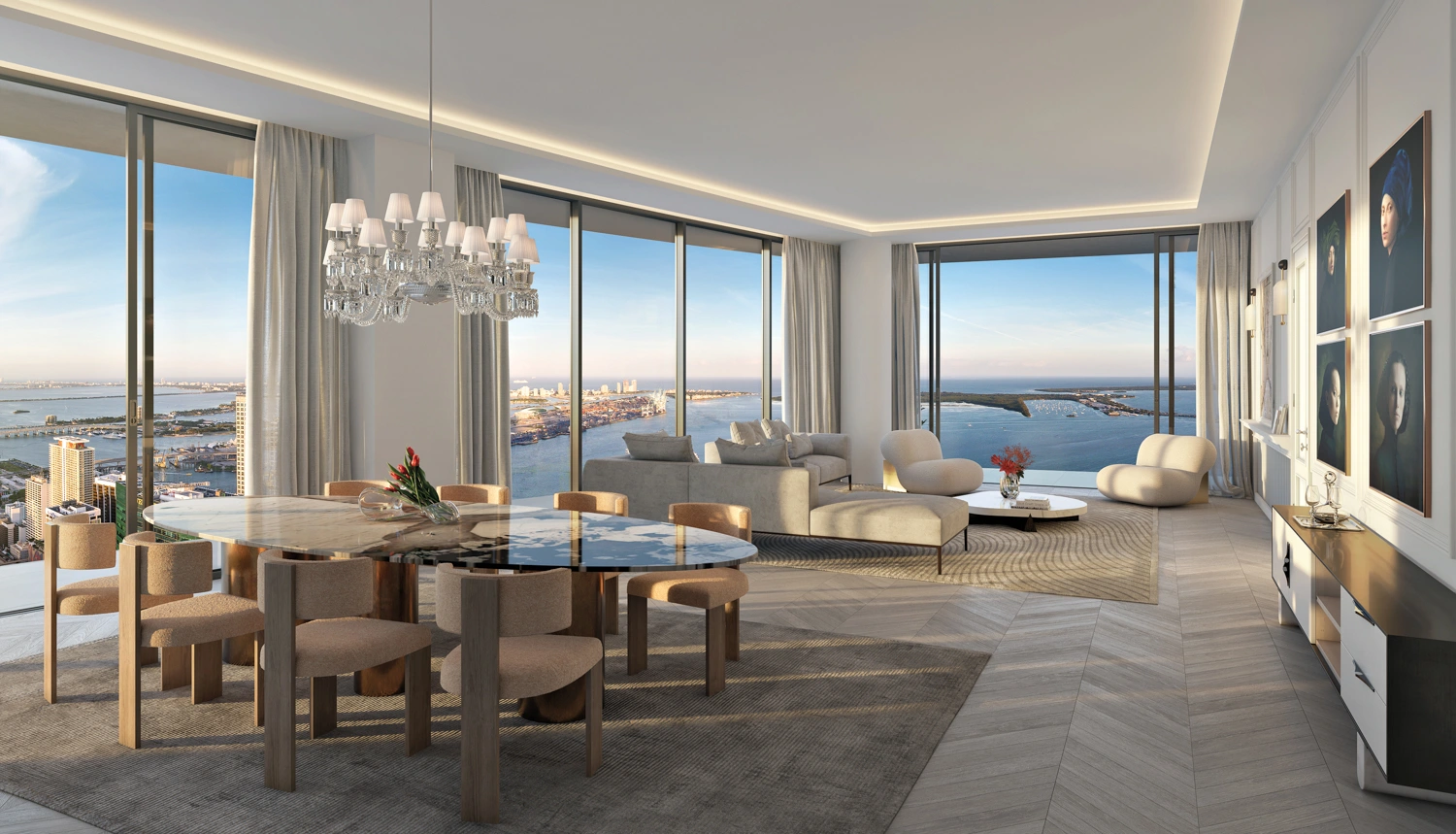
Natural light plays a defining role in shaping interior design trends within high-rise developments. Large windows and panoramic views are key selling points, influencing both layout and material selection.
Designers prioritize transparency and openness, allowing light to penetrate deep into interiors. Reflective surfaces and light color palettes further enhance brightness. Additionally, framing cityscapes becomes a design feature, turning windows into living artworks. This connection to the outside world enhances the overall living experience in urban luxury residences.
Enhancing Light Through Design
To maximize natural light, designers often incorporate:
- Floor-to-ceiling glazing systems
- Reflective materials such as glass and polished metals
- Neutral color palettes amplifying brightness
- Open layouts reducing obstructions
- Strategic mirror placement to distribute light
- Lightweight window treatments maintaining transparency
These elements reinforce the importance of light in interior design trends.
Materiality and Texture in Urban Interiors
Material selection is central to defining high-end interior design trends. In high-rise developments, materials must balance aesthetics, durability, and performance.
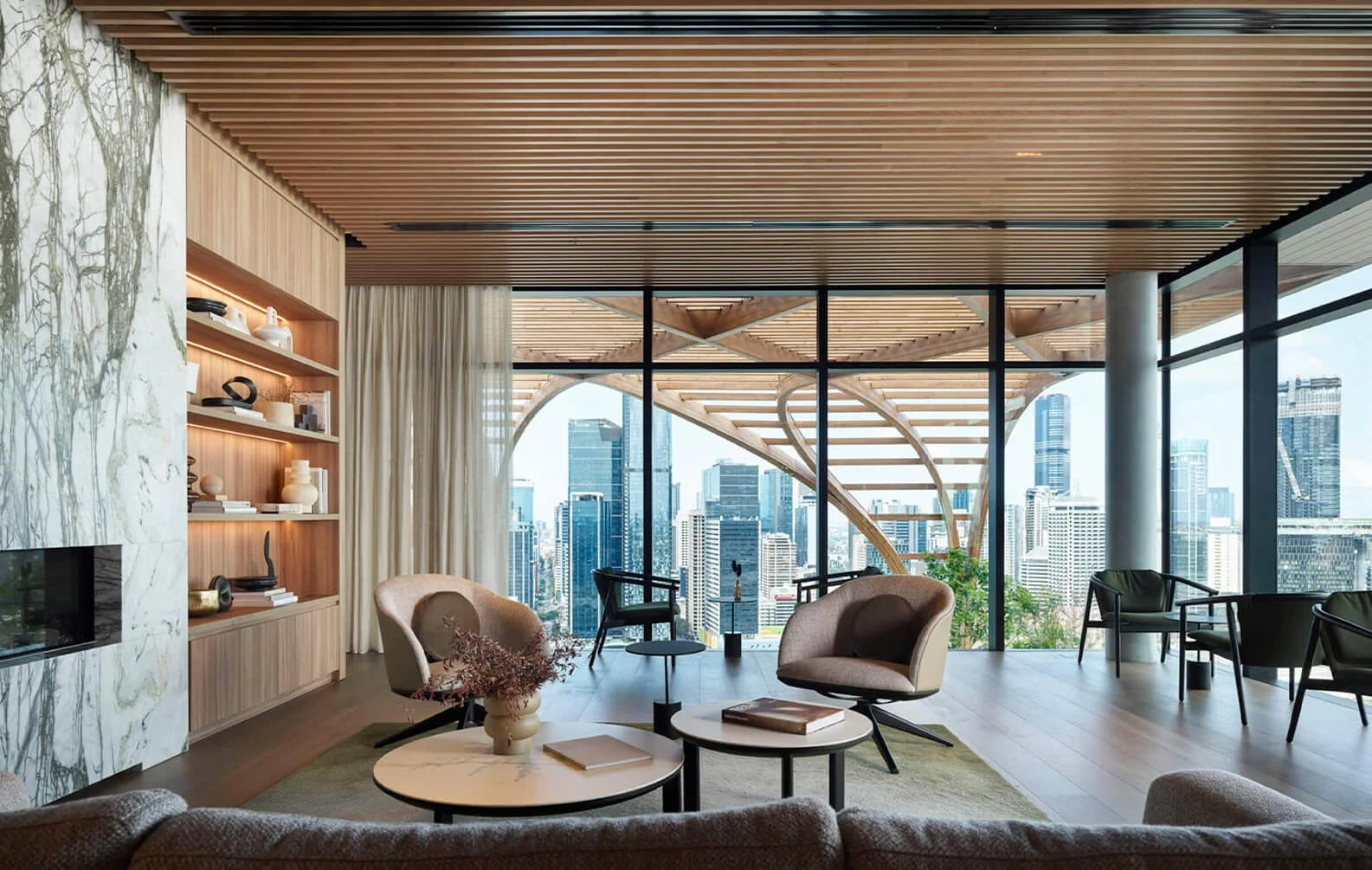
Natural stone, engineered wood, and high-quality metals are commonly used to create a sense of permanence and sophistication. Texture also plays a crucial role, adding depth and tactile richness to interiors. Designers carefully layer materials to achieve contrast and harmony, ensuring that spaces feel both luxurious and comfortable within an urban context.
Popular Materials in High-Rise Luxury
Commonly used materials in contemporary projects include:
- Marble and natural stone for elegance
- Engineered wood for durability and warmth
- Glass elements enhancing openness
- Metal finishes such as brass and steel
- Textured fabrics adding softness
- Composite materials for innovative applications
These materials define the tactile experience of interior design trends.
Technology Integration in Luxury Living
Technology is a defining factor in modern interior design trends, particularly in high-rise residential developments. Smart systems are seamlessly integrated into interiors to enhance convenience and efficiency.
From automated lighting and climate control to advanced security systems, technology supports a more personalized living experience. Designers must ensure that these systems are discreetly incorporated, maintaining the visual integrity of the space. The result is a harmonious blend of innovation and design that meets the expectations of contemporary luxury clients.
Smart Features in High-Rise Interiors
Luxury developments often include:
- Integrated home automation systems
- Voice-controlled lighting and climate settings
- Smart security and access control
- Energy-efficient systems reducing consumption
- Hidden charging stations and connectivity hubs
- Customizable digital interfaces for residents
These features highlight the technological dimension of interior design trends.
Wellness-Centered Design Approaches
Wellness has become a major influence on interior design trends in urban high-rise living. Designers are increasingly focused on creating environments that support physical and mental well-being.
This includes the use of natural materials, improved air quality systems, and spaces designed for relaxation. Incorporating elements such as greenery, natural light, and calming color palettes helps create a sanctuary within the city. For luxury developments, wellness is no longer an added feature but a fundamental design principle.
Wellness Features in High-Rise Developments
Key wellness-focused design elements include:
- Indoor greenery and biophilic design
- Air purification and ventilation systems
- Acoustic insulation for noise reduction
- Dedicated wellness spaces such as gyms or spas
- Natural materials promoting comfort
- Soft lighting enhancing relaxation
These features demonstrate the growing importance of wellness in interior design trends.
Customization and Personalization
Personalization is a hallmark of contemporary interior design trends in luxury high-rise developments. Buyers increasingly seek interiors that reflect their individual lifestyles and preferences.
Designers respond by offering customizable layouts, finishes, and furnishings. This approach allows residents to tailor their living spaces while maintaining a cohesive design language. Customization enhances both emotional connection and market value, making it a critical aspect of modern luxury interiors.
Approaches to Personalized Interiors
Design studios often implement:
- Bespoke furniture and cabinetry
- Custom material and finish selections
- Flexible layouts adaptable to client needs
- Personalized lighting schemes
- Integration of art and collectibles
- Tailored storage solutions
These strategies align with evolving interior design trends.
Sustainability in High-Rise Design
Sustainability is increasingly influencing interior design trends in urban developments. Designers are adopting environmentally responsible practices without compromising luxury.
This includes the use of sustainable materials, energy-efficient systems, and designs that reduce environmental impact. High-rise buildings also incorporate green technologies such as water recycling and renewable energy sources. Sustainable design not only benefits the environment but also enhances the long-term value of residential developments.
Sustainable Design Strategies
Key sustainable approaches include:
- Use of eco-friendly and recycled materials
- Energy-efficient lighting and appliances
- Water-saving fixtures and systems
- Sustainable sourcing of materials
- Integration of green technologies
- Design for longevity and durability
These practices are shaping the future of interior design trends.
Social Spaces and Community Living
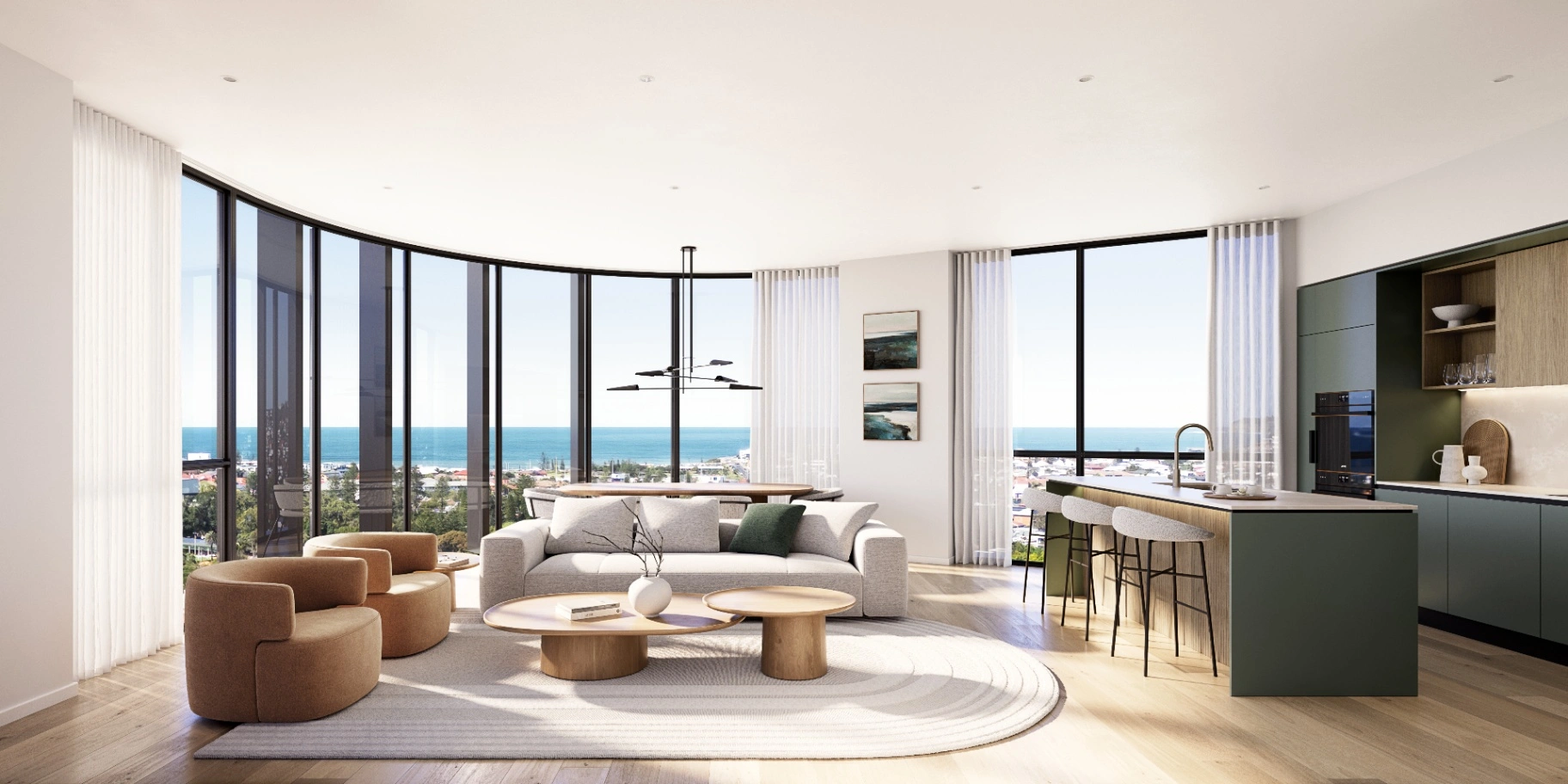
High-rise developments are increasingly incorporating shared spaces that enhance community interaction. These areas reflect evolving interior design trends focused on lifestyle and social engagement.
From lounges and co-working areas to rooftop terraces, communal spaces are designed with the same level of detail as private residences. Designers must create environments that are both functional and visually appealing, fostering a sense of belonging while maintaining privacy for residents.
Features of Shared Luxury Spaces
Common elements in communal areas include:
- Stylish lounges with curated furniture
- Co-working spaces with integrated technology
- Rooftop gardens and outdoor terraces
- Entertainment rooms and private dining areas
- Wellness facilities such as spas and gyms
- Flexible spaces for events and gatherings
These features redefine communal living within interior design trends.
Conclusion: Redefining Urban Luxury Interiors
High-rise residential developments are at the forefront of evolving interior design trends, shaping how luxury is experienced in urban environments. By combining innovation, sustainability, and personalization, designers are creating interiors that respond to the complexities of modern city living.
For interior designers, architects, and luxury studios, these trends offer valuable insights into the future of residential design. As cities continue to grow vertically, the challenge – and opportunity – lies in crafting interiors that are not only functional but also inspiring, sophisticated, and deeply connected to the urban lifestyle.