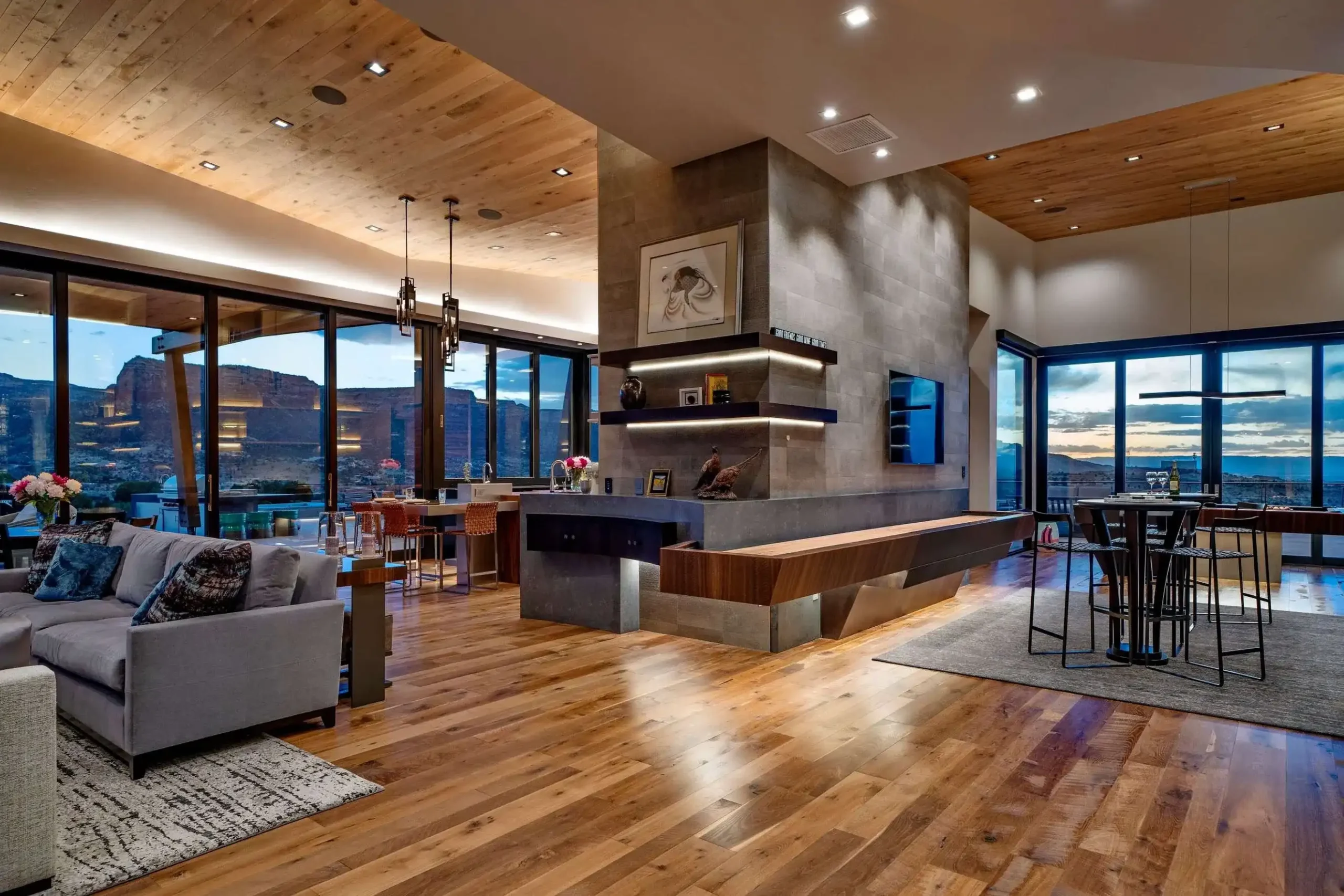

In today’s luxury design market, bespoke has become more than a buzzword—it defines a standard of excellence. Clients now expect interiors and furniture that reflect individuality, craftsmanship, and architectural integration. Across the United States, a new generation of designers and studios is redefining bespoke interior architecture and custom furniture through innovation, material mastery, and cross-disciplinary collaboration.
For interior designers, architects, and furniture brands, understanding how these leading figures approach bespoke design offers valuable insight into the future of high-end projects.
The Evolution of Bespoke in American Design
Traditionally, bespoke design focused on handcrafted furniture tailored to individual clients. Today, the concept extends far beyond standalone pieces. Designers now integrate bespoke elements into entire architectural frameworks—blurring the boundaries between interior design, furniture, and spatial planning.
This shift reflects a broader industry movement:
- Clients demand exclusivity and personalization
- Standardized luxury no longer satisfies high-end markets
- Craftsmanship and storytelling drive perceived value
As a result, bespoke interior architecture has become a defining feature of premium residential, hospitality, and commercial spaces.
Visionaries Leading the Bespoke Movement
Several US-based designers and studios stand out for their ability to merge custom furniture with architectural thinking. Their work demonstrates how bespoke design can shape entire environments.
Kelly Wearstler: Sculptural and Experiential Design
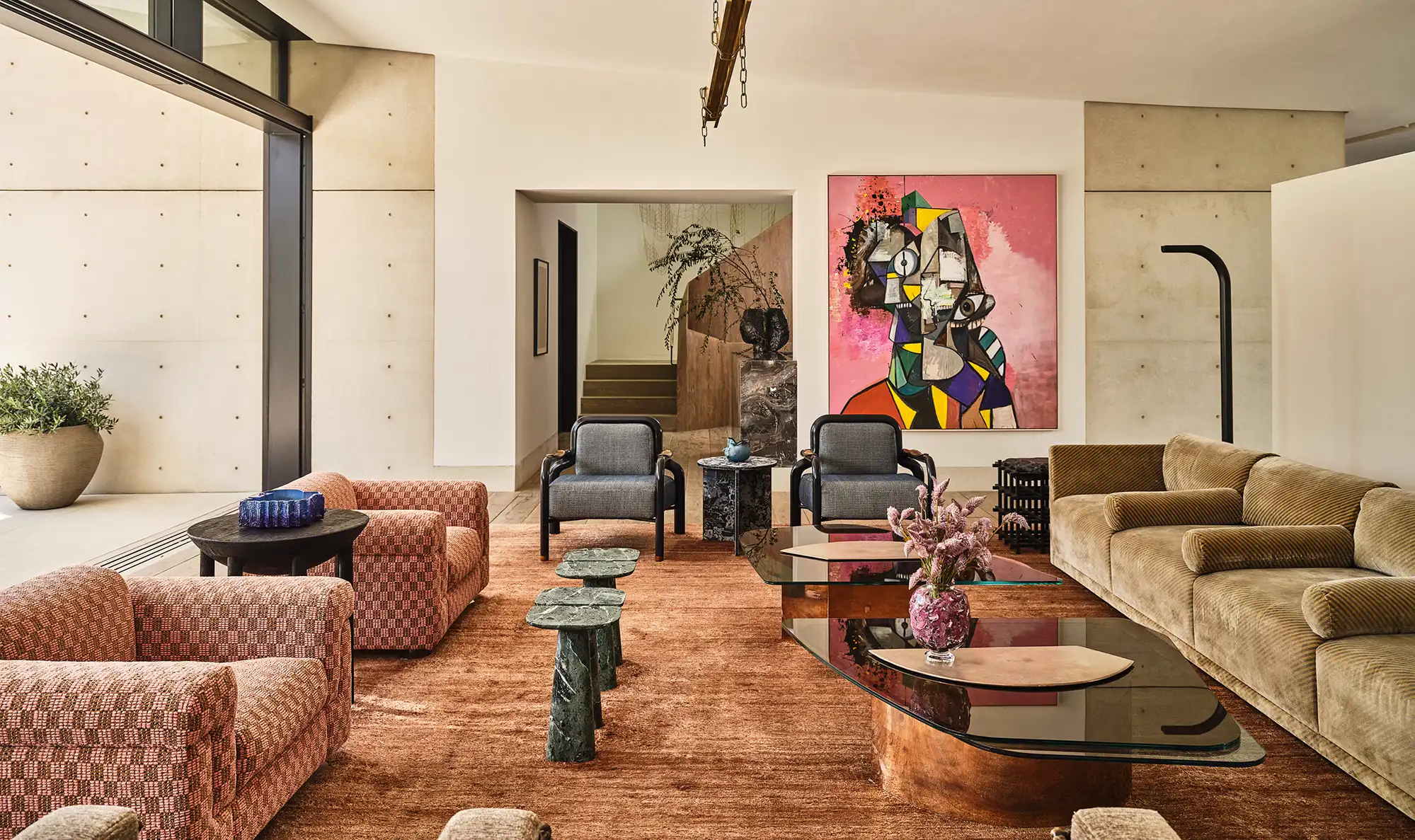
Kelly Wearstler has built a reputation for bold, immersive interiors that emphasize materiality and form. Her bespoke approach often includes:
- Custom furniture with sculptural qualities
- Layered materials such as stone, metal, and wood
- Integrated design elements that connect architecture and décor
Her projects show how bespoke pieces can act as focal points while contributing to a cohesive spatial narrative.
Roman and Williams: Craft-Driven Architecture
The New York-based studio Roman and Williams, founded by Robin Standefer and Stephen Alesch, champions craftsmanship at every scale.
Their bespoke philosophy emphasizes:
- Collaboration with artisans and fabricators
- Custom-built furniture designed alongside architecture
- Rich, tactile materials that create depth and warmth
Their projects—ranging from boutique hotels to private residences—highlight how bespoke design enhances both functionality and atmosphere.
Studio Shamshiri: Narrative-Driven Bespoke Interiors
Studio Shamshiri approaches bespoke design through storytelling. Founded by Pamela Shamshiri and Ramin Shamshiri, the studio creates interiors that feel deeply personal and historically informed.
Key aspects of their approach include:
- Custom furniture inspired by cultural and architectural references
- Thoughtful restoration combined with modern interventions
- Bespoke elements that reflect the client’s identity
This narrative-driven method resonates strongly with clients seeking authenticity.
Olson Kundig: Industrial Precision Meets Craft
The Seattle-based firm Olson Kundig integrates bespoke furniture directly into its architectural designs.
Led by figures such as Tom Kundig, the firm focuses on:
- Mechanically innovative custom elements
- Furniture that interacts with architectural systems
- Durable materials suited for diverse environments
Their work demonstrates how bespoke design can extend beyond aesthetics into functional engineering.
Key Characteristics of Bespoke Interior Architecture
The designers above share several defining principles that shape contemporary bespoke design.
Integration Across Disciplines
Bespoke furniture no longer exists in isolation. Designers integrate it into the architectural framework, ensuring that every element contributes to a unified vision.
Material Excellence
High-quality materials remain essential. Designers select stone, hardwood, metal, and textiles not only for aesthetics but also for performance and longevity.
Customization at Every Scale
From door handles to large-scale installations, bespoke design operates at multiple levels. This comprehensive approach creates immersive environments.
Craftsmanship and Artisanship
Collaboration with skilled artisans elevates bespoke projects. Handcrafted details add uniqueness and reinforce the value of custom design.
Why Bespoke Matters for Luxury Brands
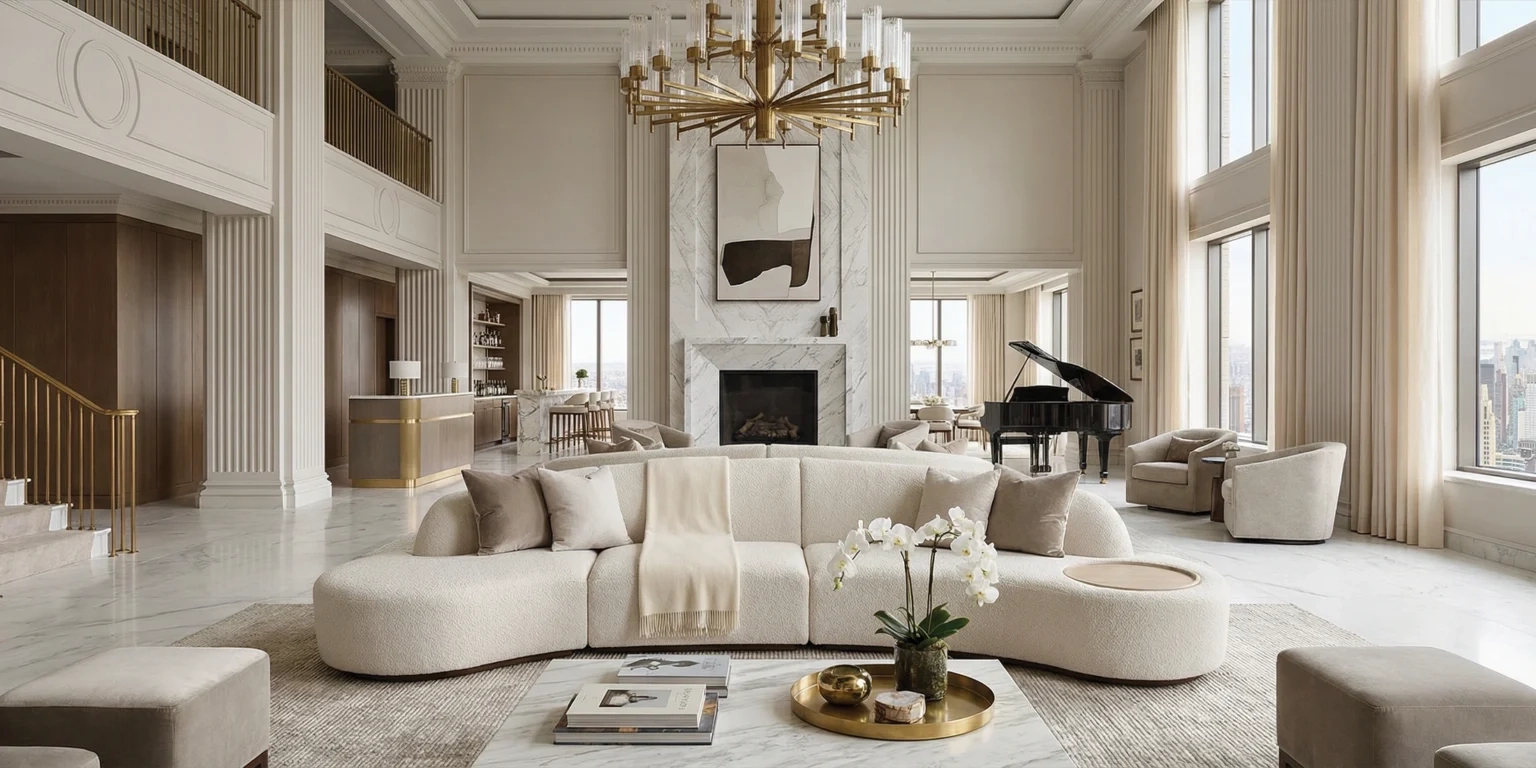
For furniture brands and design studios, bespoke design offers a competitive advantage. It allows brands to:
- Differentiate in a saturated market
- Build deeper relationships with clients
- Showcase craftsmanship and technical expertise
Luxury consumers increasingly prioritize originality over mass production. Bespoke solutions meet this demand while reinforcing brand identity.
The Future of Bespoke Interior Architecture
Bespoke design will continue to shape the future of luxury interiors. As technology advances, designers will combine traditional craftsmanship with digital fabrication techniques, expanding the possibilities of customization.
At the same time, sustainability will play a larger role. Designers will prioritize durable materials and responsible sourcing, ensuring that bespoke pieces remain relevant in an environmentally conscious market.
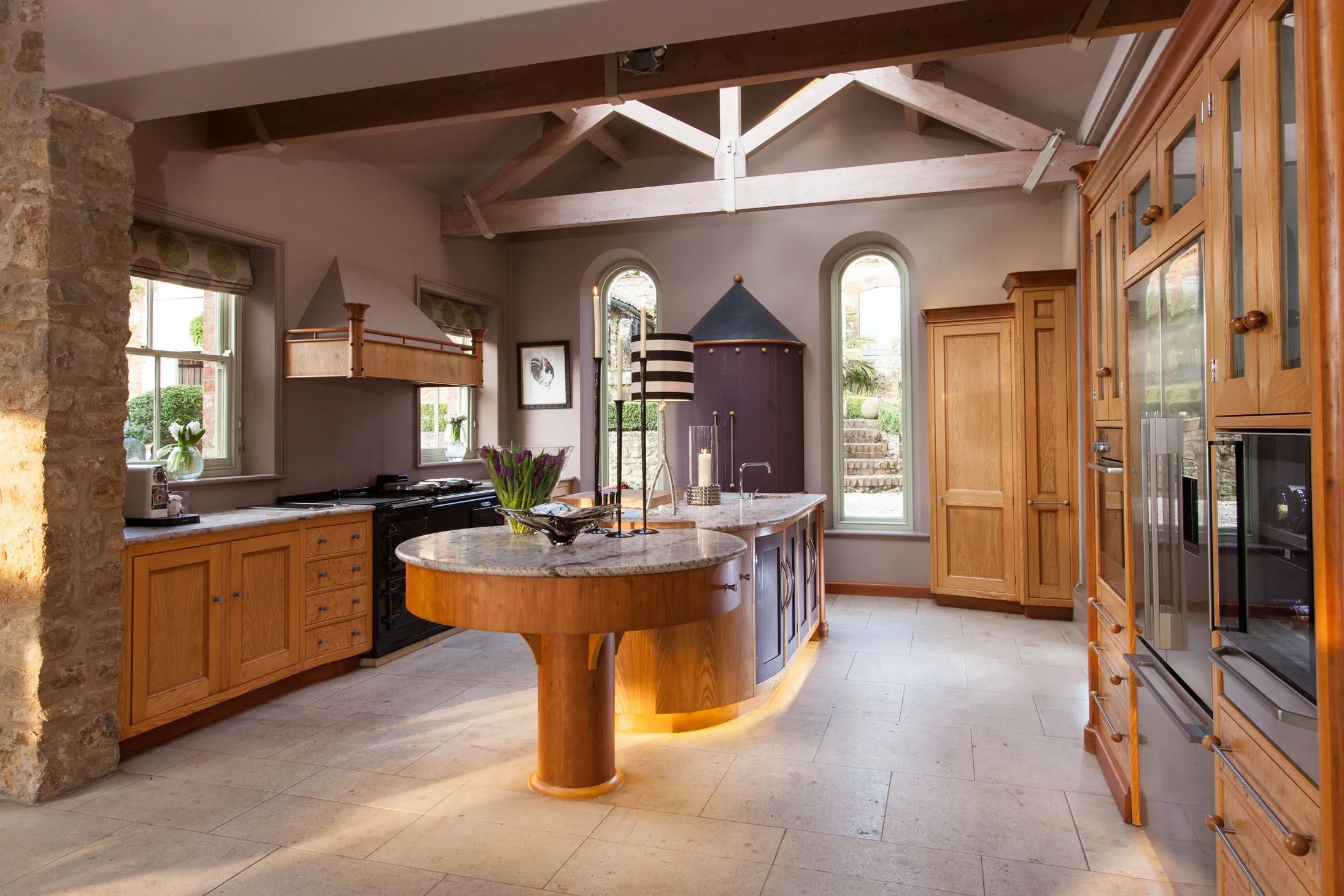
The Personalizatiom of Art
The top US designers redefining bespoke interior architecture demonstrate that customization goes far beyond aesthetics. It requires a deep understanding of materials, craftsmanship, and spatial design—combined with a strategic approach to intellectual property.
For interior designers, architects, and furniture brands, the message is clear: bespoke design represents the future of luxury. By embracing innovation, protecting creative work, and prioritizing craftsmanship, professionals can create environments that stand out in both form and function.
In this evolving landscape, bespoke is not just a service—it is a philosophy that defines excellence in contemporary design.