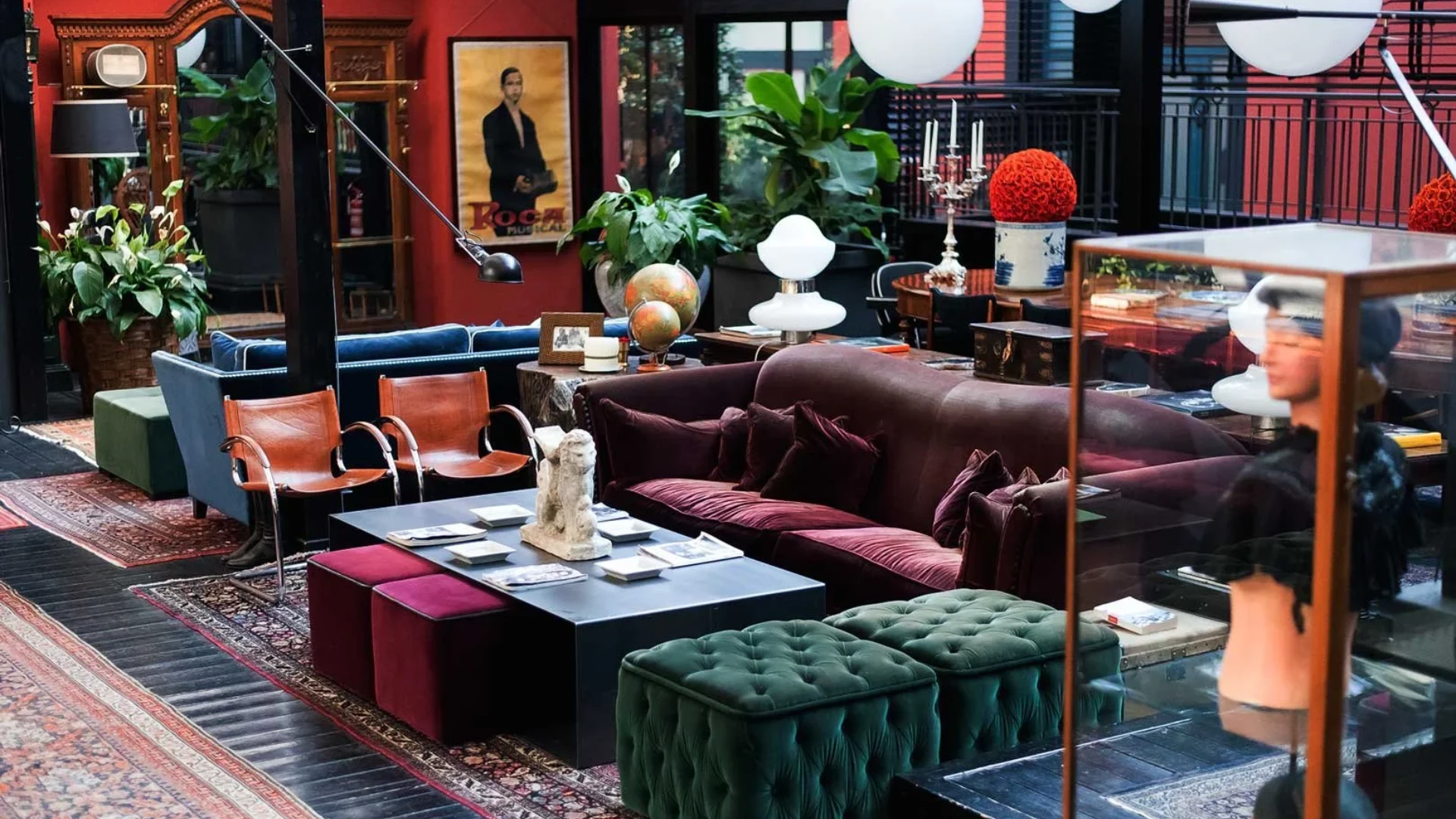
Milan has long been synonymous with fashion, craftsmanship, and avant-garde creativity. Yet beyond the runways and design fairs, the city has quietly cultivated a remarkable collection of Milan boutique hotels that rival the most celebrated hospitality destinations in Europe. These intimate properties are more than places to stay—they are laboratories of hospitality design, where architecture, interiors, art, and cultural storytelling converge.
For architects, interior designers, and global tastemakers, the best luxury boutique hotels in Milan provide inspiration that extends far beyond hospitality. From sculptural lighting compositions to curated material palettes and immersive guest experiences, these spaces reveal how thoughtful design can transform everyday environments into extraordinary ones.
This curated guide explores ten exceptional Milan boutique hotels whose design philosophies offer ideas worth translating into residential and commercial interiors around the world.
Why Milan’s Boutique Hotels Are a Global Design Reference
Unlike large international chains, Milan boutique hotels are often housed in historic palazzi, reimagined industrial buildings, or contemporary architectural statements. Each property embraces individuality, combining local craftsmanship with international design perspectives.
Many of these spaces are shaped by leading architects and designers, reflecting Milan’s reputation as a global capital of hospitality design. According to the Salone del Mobile.Milano, the city’s design ecosystem encourages cross-disciplinary collaboration between furniture brands, architects, and hospitality developers.
The result is a distinctive category of luxury boutique hotels where guests experience Milanese design culture not only during Milan Design Week, but throughout the year.
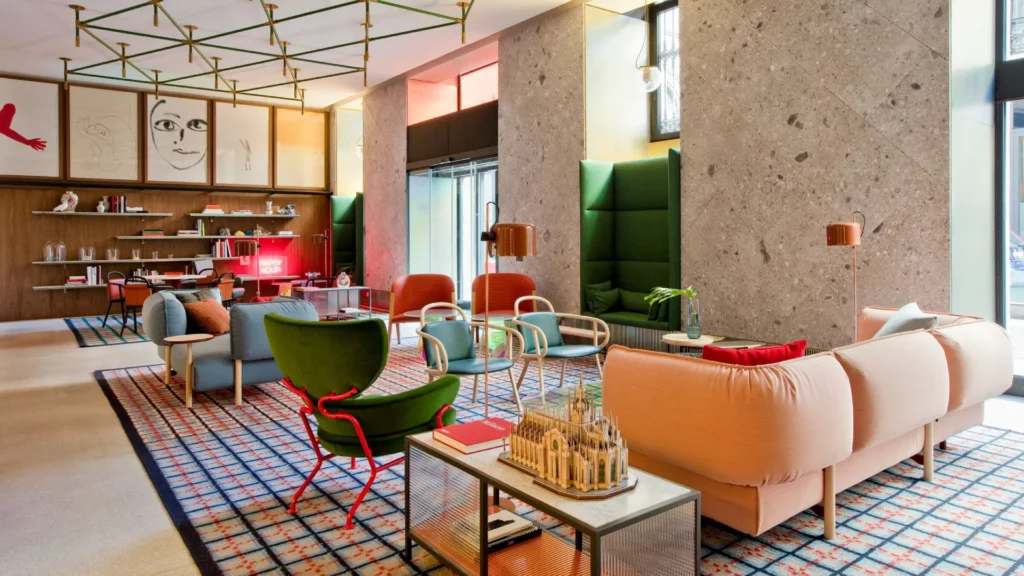
Top 10 Boutique Hotels in Milan: Design Inspiration
1. Portrait Milano
Set within a restored 16th-century seminary in the Quadrilatero della Moda, Portrait Milano is one of the newest icons among Milan boutique hotels. The architectural renovation transforms a historic cloister into an elegant courtyard surrounded by understated contemporary interiors.
The design emphasizes:
- Warm neutral palettes with layered textures
- Italian marble and bronze accents
- Tailored furnishings inspired by fashion ateliers
This approach illustrates how hospitality design can merge heritage architecture with modern luxury while preserving a sense of calm sophistication.
2. Casa Baglioni Milan
Located in the artistic Brera district, Casa Baglioni draws inspiration from the aesthetics of 1960s Italian design. The interiors pay tribute to Milan’s golden era of creativity with geometric patterns, bold colors, and handcrafted furnishings.
Among Milan boutique hotels, Casa Baglioni stands out for its ability to reinterpret mid-century design through a contemporary lens. Sculptural lighting fixtures and bespoke furniture pieces make the property a reference point for designers exploring retro-modern interiors.
3. Magna Pars L’Hotel à Parfum
Magna Pars offers one of the most unusual concepts among luxury boutique hotels in Milan. Built on the site of a former perfume factory, the hotel celebrates olfactory storytelling as part of its design identity.
Key design elements include:
- Fragrance-inspired suites
- Minimalist architecture with glass and natural light
- A lush internal garden courtyard
The project demonstrates how hospitality design can integrate sensory experiences—scent, texture, and atmosphere—to create memorable environments.
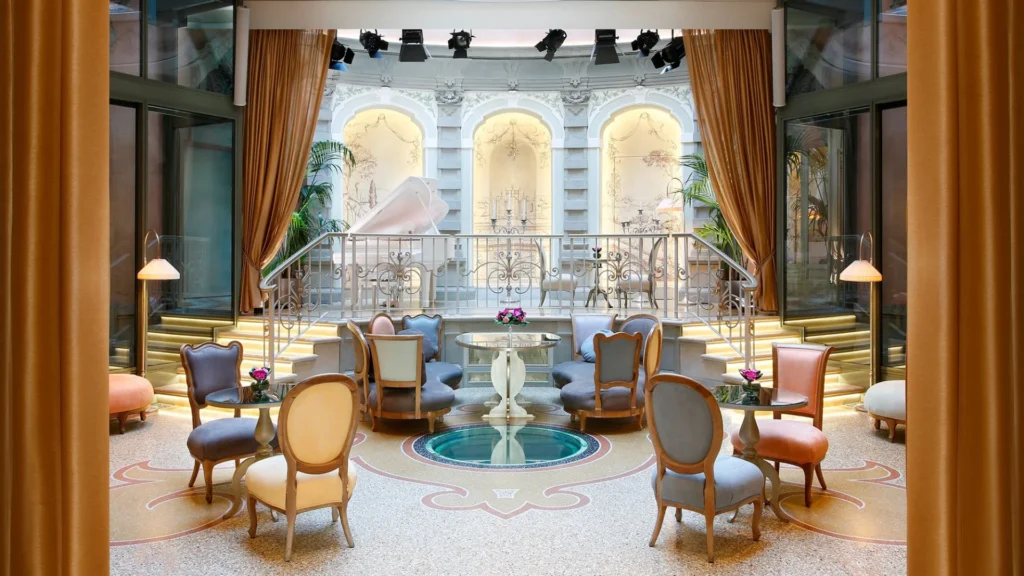
4. Room Mate Giulia
Designed by Patricia Urquiola, Room Mate Giulia is one of the most visually expressive Milan boutique hotels. Located steps from the Duomo, the property blends playful color palettes with refined Italian craftsmanship.
Highlights include terrazzo flooring, velvet upholstery, and vibrant geometric motifs. The design celebrates Milan’s creative spirit while illustrating how bold materials can coexist with functional comfort in contemporary luxury boutique hotels.
5. Senato Hotel Milano
Senato Hotel embodies the quiet elegance often associated with Milanese interiors. Housed in a Liberty-style building near Via Montenapoleone, the hotel favors restraint over extravagance.
The interiors combine dark woods, matte metals, and soft textiles—an approach that reflects the understated sophistication characteristic of many Milan boutique hotels. Designers frequently reference this aesthetic when creating residential spaces that balance luxury and serenity.
6. Vico Milano
Vico Milano merges contemporary art, architecture, and hospitality into a curated experience. The boutique property feels more like a private residence than a traditional hotel.
Among luxury boutique hotels, Vico Milano is particularly admired for its gallery-like atmosphere. Carefully selected artworks and collectible furniture pieces demonstrate how hospitality design can function as cultural storytelling.
7. Château Monfort
Château Monfort introduces a theatrical dimension rarely found among Milan boutique hotels. Inspired by fairy tales and opera, the interiors evoke a romantic, dreamlike world.
The property’s design includes:
- Decorative murals and whimsical color palettes
- Curved architectural details and ornate moldings
- Luxurious fabrics and dramatic lighting
This imaginative interpretation of hospitality design demonstrates how narrative-driven interiors can create unforgettable guest experiences.
8. The Yard Milano
The Yard Milano presents a striking contrast to classical Milanese elegance. The design blends vintage sports memorabilia, industrial textures, and dark wood finishes.
Among Milan boutique hotels, it stands out for its masculine, club-like atmosphere. The layered aesthetic shows how eclectic styling can bring character and personality to luxury boutique hotels.
9. Palazzo Segreti
Hidden within a historic palazzo near Castello Sforzesco, Palazzo Segreti offers a refined interpretation of contemporary Italian design. Each room features a unique color scheme inspired by Milan’s architectural palette.
The hotel’s thoughtful material combinations—stone, lacquered surfaces, and soft textiles—make it a compelling example of how hospitality design can elevate relatively compact spaces.
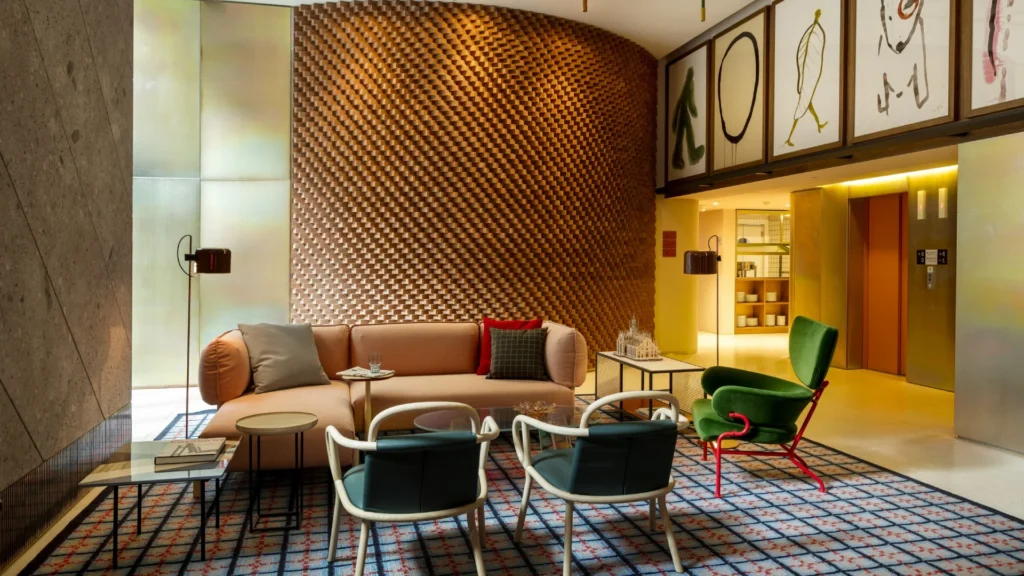
10. Hotel VIU Milan
Hotel VIU Milan blends cutting-edge architecture with sustainable design principles. The building’s copper façade and panoramic rooftop garden create a striking urban landmark.
While larger than many Milan boutique hotels, the property retains the intimacy and individuality characteristic of luxury boutique hotels. Its design demonstrates how contemporary architecture can coexist harmoniously with Milan’s historic cityscape.
Design Lessons Worth Bringing Home
The best Milan boutique hotels are not only destinations for travelers—they are sources of inspiration for designers shaping residential and commercial spaces worldwide.
1. Curated Material Palettes
Many luxury boutique hotels in Milan rely on carefully curated materials such as marble, terrazzo, velvet, and brushed metals. The key is balance: combining tactile richness with restrained color schemes.
2. Layered Lighting Strategies
Lighting plays a defining role in hospitality design. Sculptural pendants, concealed LED strips, and warm ambient lighting create atmosphere while emphasizing architectural details.
3. Art as an Integral Element
Rather than treating artwork as decoration, many Milan boutique hotels incorporate curated art collections as central design elements. This approach transforms interiors into immersive cultural environments.
4. Spatial Storytelling
The most memorable luxury boutique hotels build narratives through design—whether inspired by history, craftsmanship, or contemporary art. These stories give spaces emotional resonance and identity.
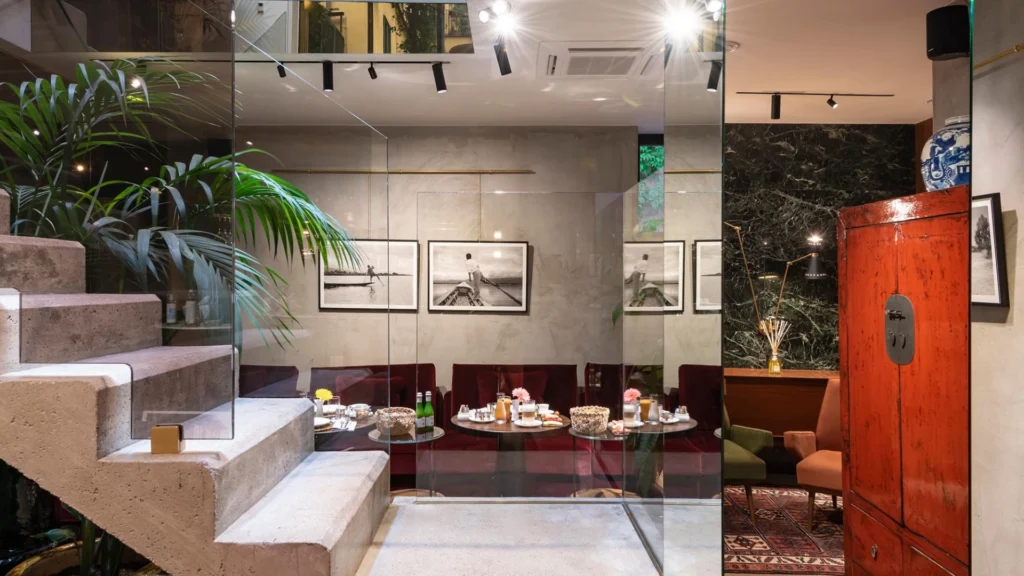
Milan Boutique Hotels and the Future of Hospitality Design
As travel continues to evolve, Milan boutique hotels remain at the forefront of innovation. Architects and designers increasingly prioritize personalization, sustainability, and immersive experiences.
The city’s vibrant design culture ensures that hospitality design will continue to evolve in dialogue with architecture, fashion, and art. For professionals in the creative industries, these luxury boutique hotels provide valuable insights into the future of interior environments.
The Takeaway
The enduring appeal of Milan boutique hotels lies in their ability to translate the city’s design heritage into contemporary hospitality experiences. From historic palazzi transformed into elegant retreats to modern architectural landmarks, each property offers a unique interpretation of luxury boutique hotels and innovative hospitality design.
For architects, designers, and discerning travelers alike, these spaces demonstrate how thoughtful design can elevate everyday living. Whether through curated materials, narrative interiors, or artistic collaborations, the most inspiring Milan boutique hotels remind us that the boundaries between hospitality and home are beautifully fluid.