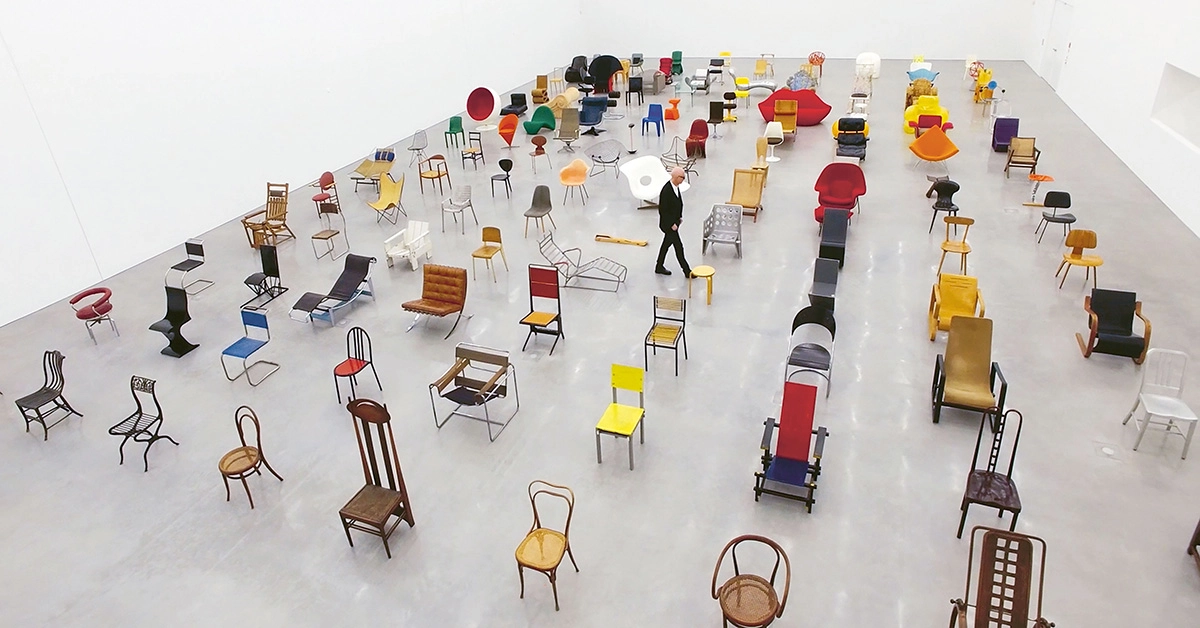
The Role of Design Museums in Preserving Architectural and Interior Heritage

Design Museums play a critical role in safeguarding the legacy of architecture, interior design, and furniture craftsmanship. For interior designers, architects, and luxury design studios, these institutions function as more than exhibition spaces—they operate as cultural archives, research hubs, and sources of strategic inspiration.
In an era driven by rapid production and digital design, design museums ensure that heritage, authorship, and craftsmanship remain visible, relevant, and protected.
Why Design Museums Matter in the Design Industry
Design Museums preserve the evolution of design disciplines while providing context for contemporary innovation. They connect past and present, allowing professionals to understand how materials, techniques, and aesthetics have developed over time.
Leading institutions such as the Victoria and Albert Museum and the Cooper Hewitt Smithsonian Design Museum curate collections that span centuries of architecture, interiors, and product design.
For professionals, these museums offer:
- Access to historic furniture, textiles, and architectural models
- Insight into material innovation and craftsmanship
- Documentation of design movements and influential creators
- Exposure to global design cultures
They don’t just display objects—they contextualize them within cultural, economic, and technological frameworks.
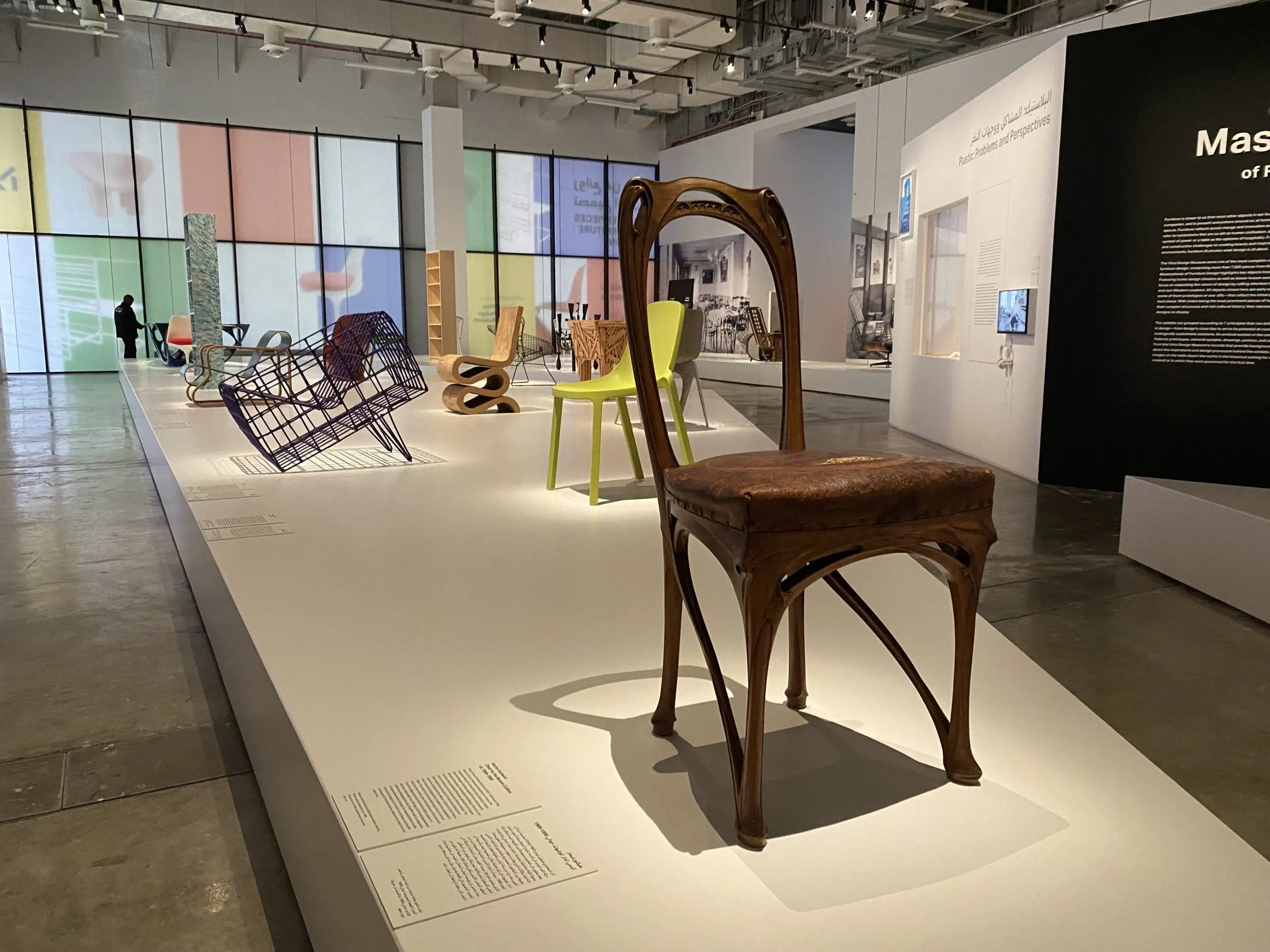
Preserving Architectural Heritage Through Design Museums
Architecture often faces challenges in preservation due to scale, location, and urban development pressures. Design Museums address this by archiving and exhibiting:
- Architectural drawings and blueprints
- Scale models and prototypes
- Material samples and construction techniques
Institutions like the Canadian Centre for Architecture specialize in documenting architectural history and theory. These archives allow architects to study past innovations and reinterpret them for modern use.
By preserving these records, museums ensure that architectural knowledge does not disappear, even when physical structures change or no longer exist.
Safeguarding Interior Design and Furniture Legacy
Interior design and furniture often evolve with trends, making preservation even more essential. Design Museums maintain collections that highlight craftsmanship, ergonomics, and aesthetic evolution.
The Design Museum and the Vitra Design Museum showcase iconic interiors and furniture pieces that have shaped modern living.
Key Contributions
- Preservation of original furniture pieces and prototypes
- Documentation of interior design styles and movements
- Exhibition of designer-led innovations
For furniture brands, these collections provide a reference point for developing new products rooted in proven design principles.
Design Museums as Curators of Material Innovation and Craftsmanship
Design Museums play a decisive role in preserving and elevating material innovation and craftsmanship within architecture, interiors, and furniture design. They don’t simply archive finished works—they highlight how materials and techniques define design quality and longevity.
Institutions such as the Vitra Design Museum and the Design Museum consistently showcase the evolution of materials—from traditional woods and metals to advanced composites and experimental finishes.
Elevating Material Intelligence in Design
For interior designers and architects, material selection shapes both aesthetic and functional outcomes. Design Museums document:
- The transition from handcrafted to industrial production
- The reintroduction of artisanal techniques in luxury design
- The performance and aging of materials over time
This level of documentation allows professionals to understand not just appearance, but durability, sustainability, and sensory impact.
Showcasing Craftsmanship as a Competitive Advantage
Luxury design increasingly depends on craftsmanship as a differentiator. Museums highlight:
- Handcrafted furniture and bespoke detailing
- Complex joinery and finishing techniques
- Limited-production design pieces
For furniture brands and studios, this reinforces the value of investing in skilled artisans and high-quality production processes.
Connecting Tradition with Contemporary Innovation
Design Museums position craftsmanship as a living practice, not a static tradition. They present how designers reinterpret classic techniques using modern tools and materials.
This connection between past and present helps professionals create work that feels both authentic and forward-thinking—an essential balance in today’s luxury market.
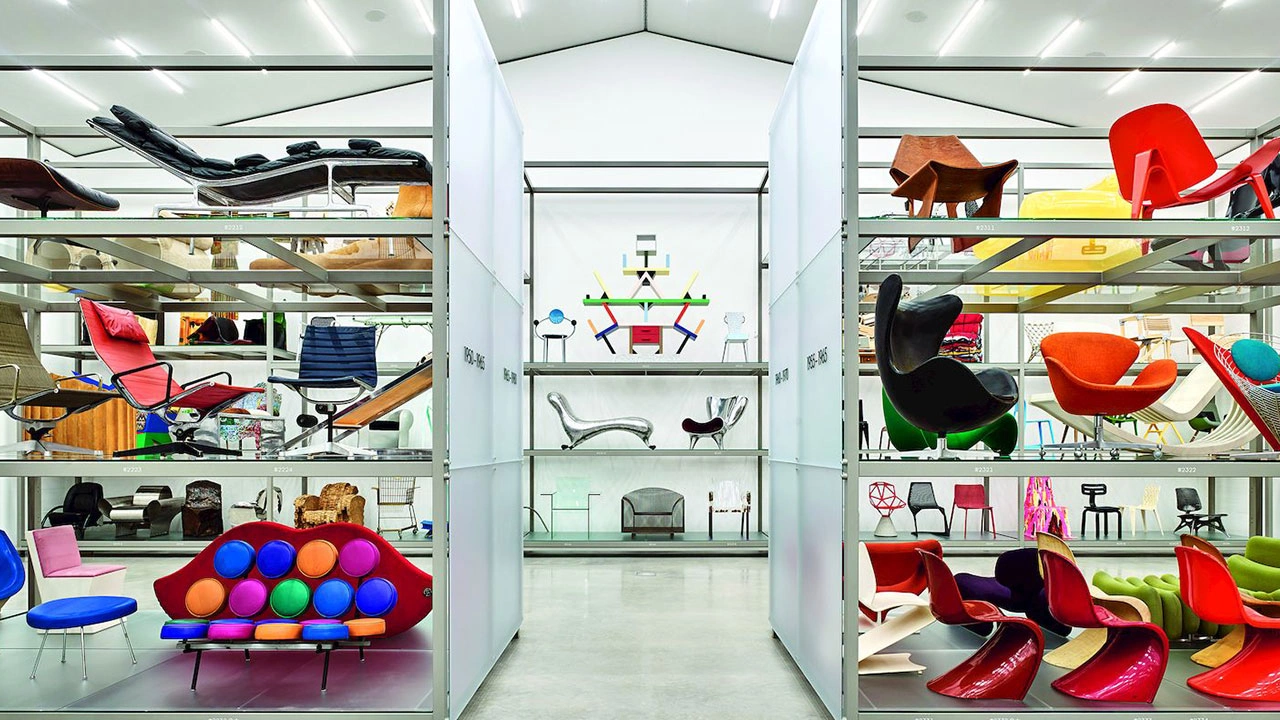
Cultural Identity and Global Design Influence
Design Museums also preserve cultural identity. They showcase how regional traditions influence architecture and interiors, ensuring that local craftsmanship remains visible in a globalized market.
For example, collections may include:
- Scandinavian furniture design principles
- Japanese spatial concepts and minimalism
- Mediterranean architectural detailing
This global perspective allows designers to draw inspiration responsibly, respecting origin and context while creating new interpretations.
The Digital Transformation of Design Museums
Many Design Museums now extend beyond physical spaces. Digital archives and virtual exhibitions make collections accessible worldwide.
Benefits for Design Professionals
- Remote access to rare collections and archives
- High-resolution imagery for material and detail study
- Online research tools for historical analysis
This shift expands the influence of museums, making them essential resources for international design studios and brands.
Why Design Museums Matter for Today’s Designers
For interior designers, architects, and furniture brands, Design Museums offer a strategic advantage.
They provide:
- A foundation for original, informed design
- Access to verified historical references
- Insight into craftsmanship and material innovation
- Support for intellectual property awareness
In a competitive global market, these insights help professionals create work that stands out while respecting design heritage.
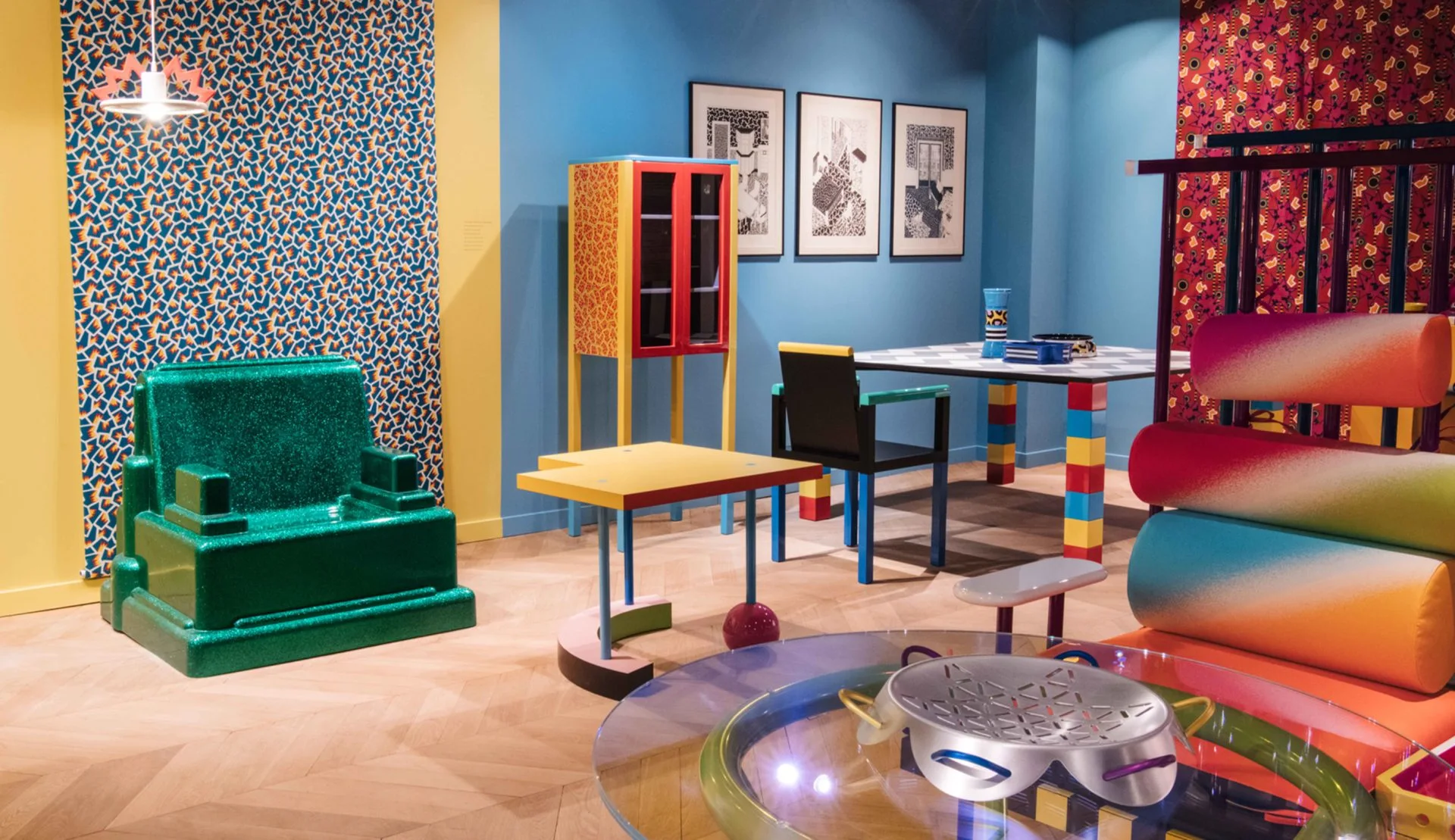
The Enduring Value of Design Museums
Design Museums remain essential to the preservation and evolution of architectural and interior heritage. They protect the past, inform the present, and inspire the future.
For design professionals, engaging with these institutions is not optional—it’s a critical part of developing meaningful, innovative, and enduring work.