Luxury Real Estate and Interior Design in Cultural Capitals: Paris, Milan, and London

Global cultural capitals like Paris, Milan, and London have long defined the standards of luxury real estate. These cities are not only economic hubs but also epicenters of art, fashion, and architecture, shaping how high-end interiors are conceived.
For interior designers and architects, working within these markets requires a deep understanding of cultural context. Each city presents a unique design language, where heritage, craftsmanship, and innovation intersect. Luxury real estate in these capitals reflects more than wealth—it embodies identity, history, and a refined approach to contemporary living.
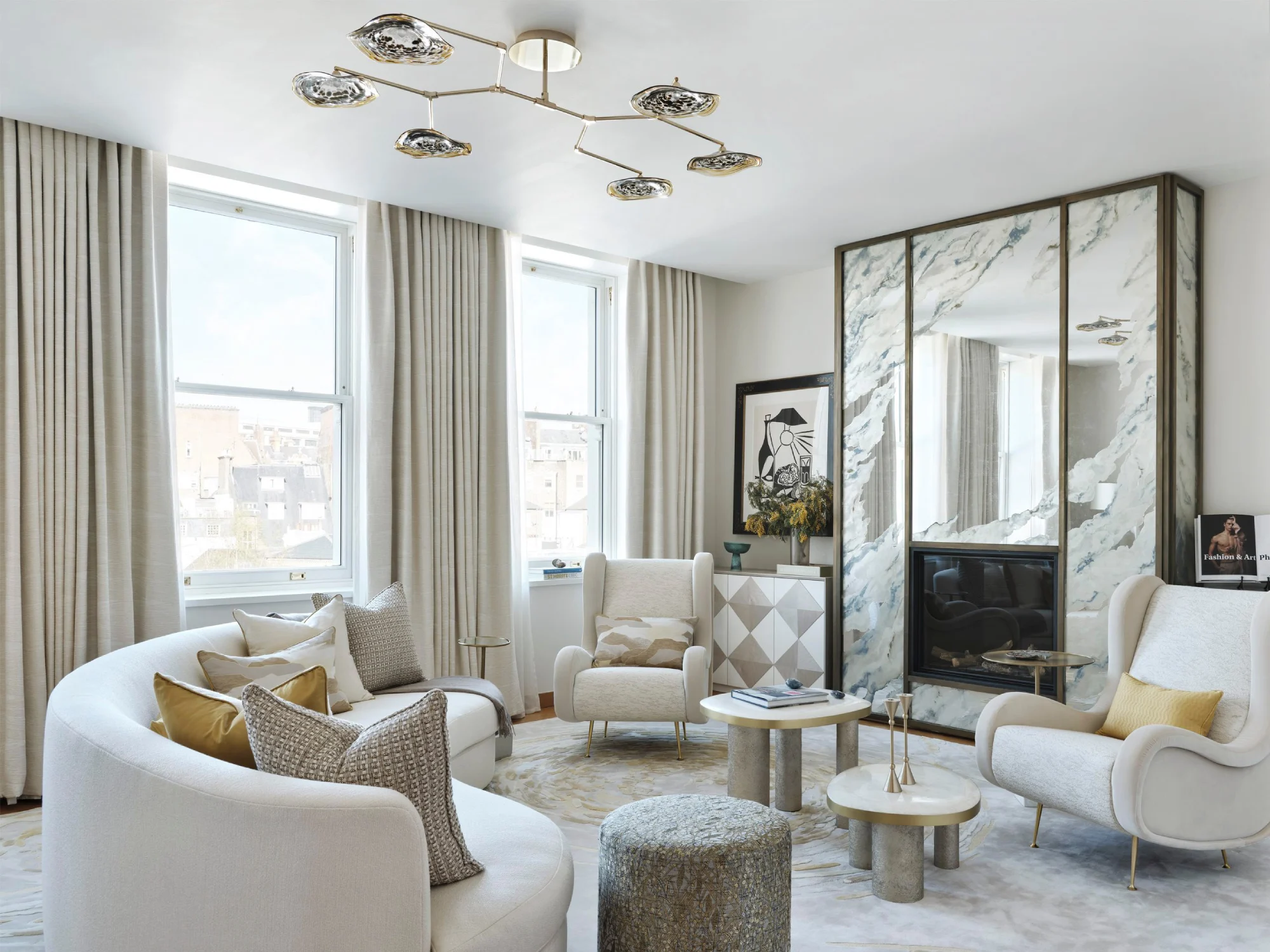
Key Characteristics of Luxury Real Estate in Cultural Capitals
High-end properties in these cities share several defining features:
- Prime locations in historic or architecturally significant districts
- Integration of heritage elements with modern design
- Use of premium materials and bespoke finishes
- High ceilings and generous spatial layouts
- Access to exclusive amenities and services
- Strong emphasis on design-driven value
These attributes distinguish luxury real estate in global cultural centers.
Paris: Timeless Elegance and Historic Preservation
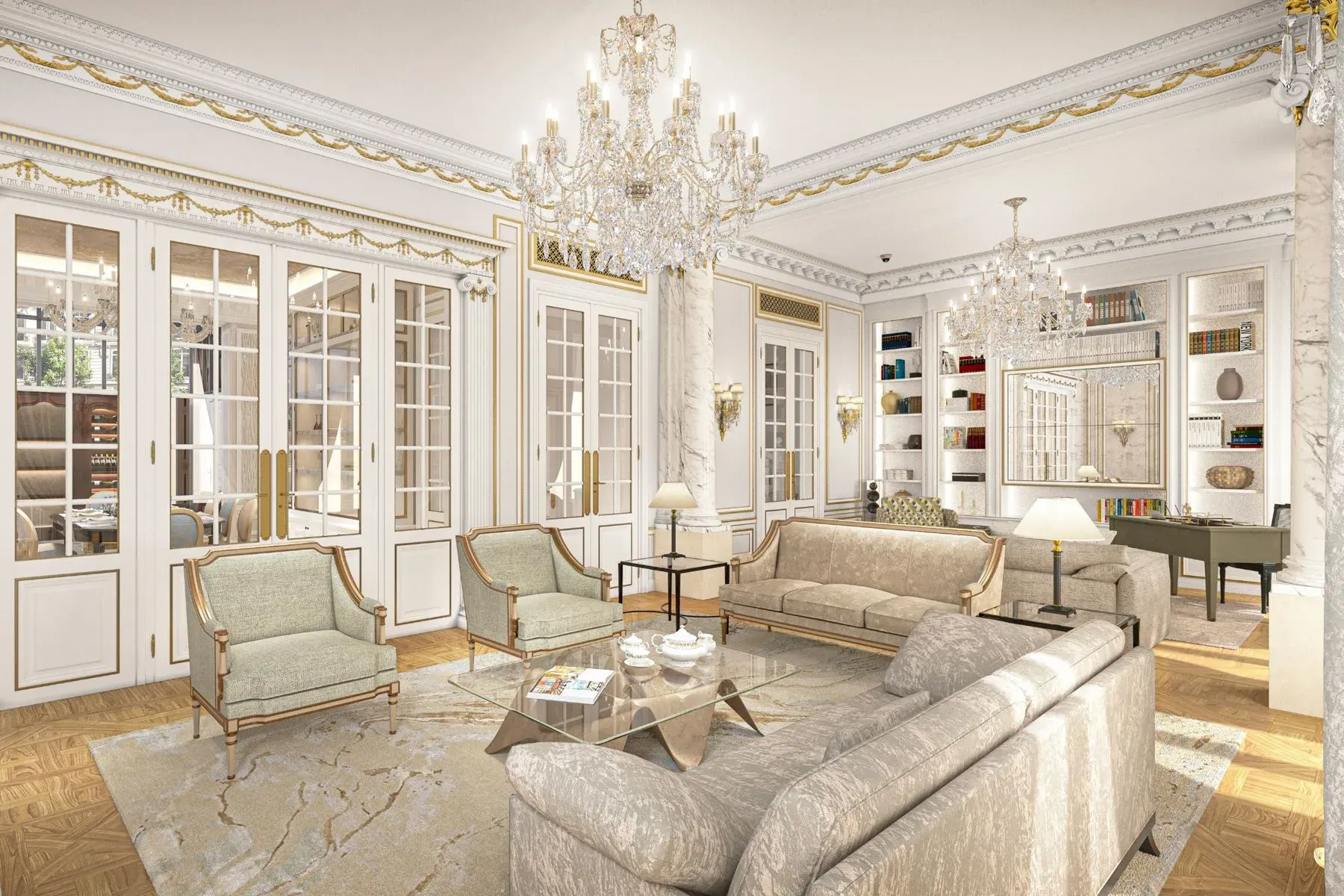
Paris represents the epitome of refined luxury real estate, where historic architecture and interior design coexist harmoniously. Haussmannian apartments, with their ornate moldings and grand proportions, remain highly sought after.
Interior designers in Paris often focus on preserving historical features while introducing contemporary elements. The challenge lies in balancing authenticity with modern comfort. Neutral palettes, curated art, and bespoke furnishings define Parisian interiors. This approach ensures that luxury properties maintain their cultural identity while meeting the expectations of today’s high-end clientele.
Design Elements in Parisian Luxury Interiors
Typical features found in Paris include:
- Decorative moldings and ceiling medallions
- Herringbone wood flooring
- Marble fireplaces and classic detailing
- Soft, neutral color palettes
- Integration of contemporary art
- Custom furniture blending old and new
These elements define the character of Parisian luxury real estate.
Milan: Innovation and Contemporary Sophistication
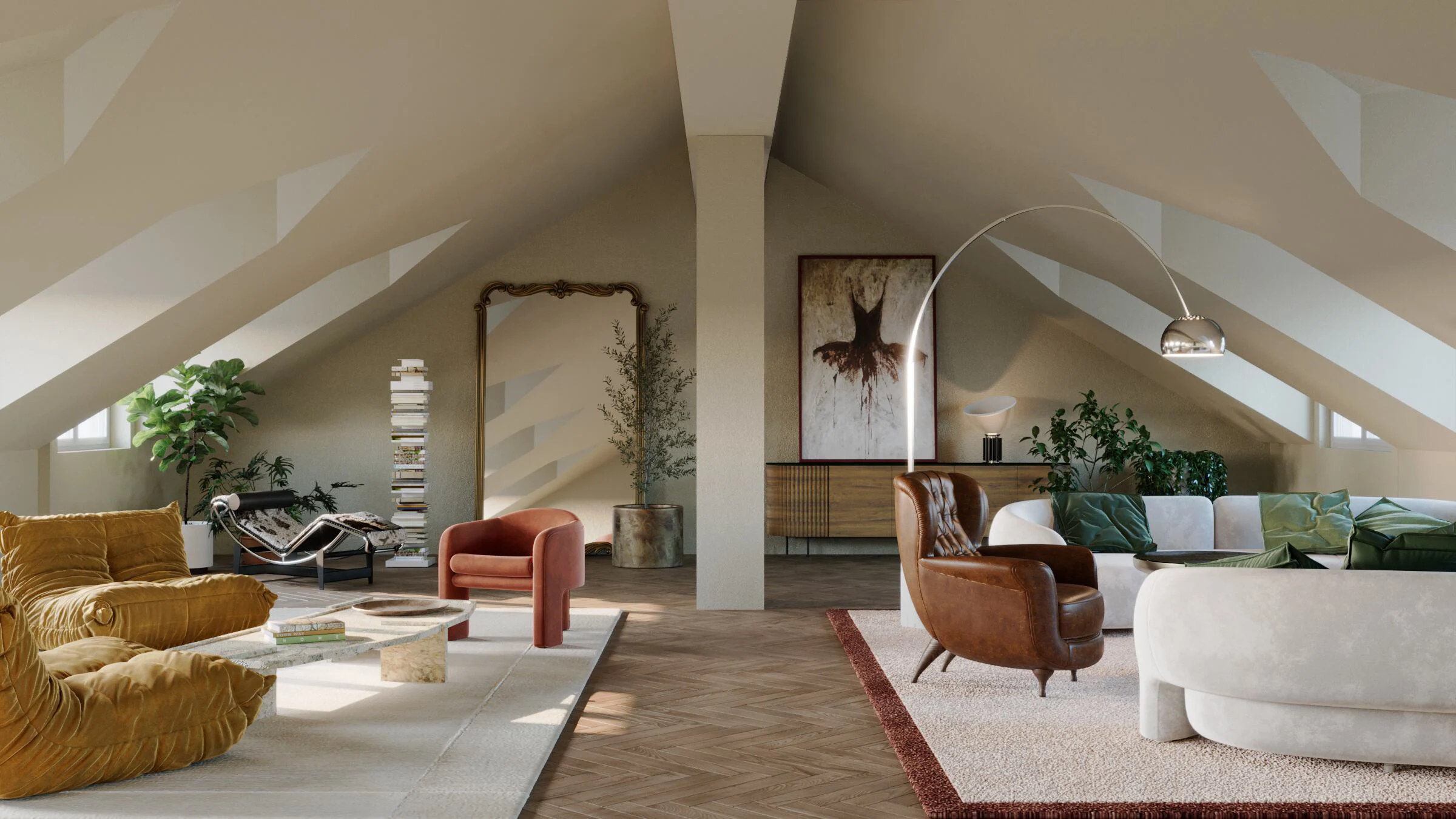
Milan stands at the forefront of design innovation, making it a key player in luxury real estate. Known as the global capital of design, the city blends modern architecture with a rich cultural heritage.
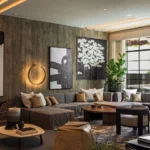
Luxury interiors in Milan often emphasize clean lines, material experimentation, and cutting-edge aesthetics. Designers frequently collaborate with leading furniture brands, resulting in highly curated spaces. The influence of Milan Design Week is evident in residential projects, where interiors reflect the latest trends in furniture and materiality.
Key Features of Milanese Luxury Interiors
Designers working in Milan often incorporate:
- Contemporary layouts with open-plan living
- High-end Italian furniture and craftsmanship
- Innovative materials and finishes
- Minimalist color palettes with bold accents
- Integrated lighting systems
- Seamless indoor-outdoor transitions
These features highlight Milan’s influence on luxury real estate.
London: Eclecticism and Global Influence
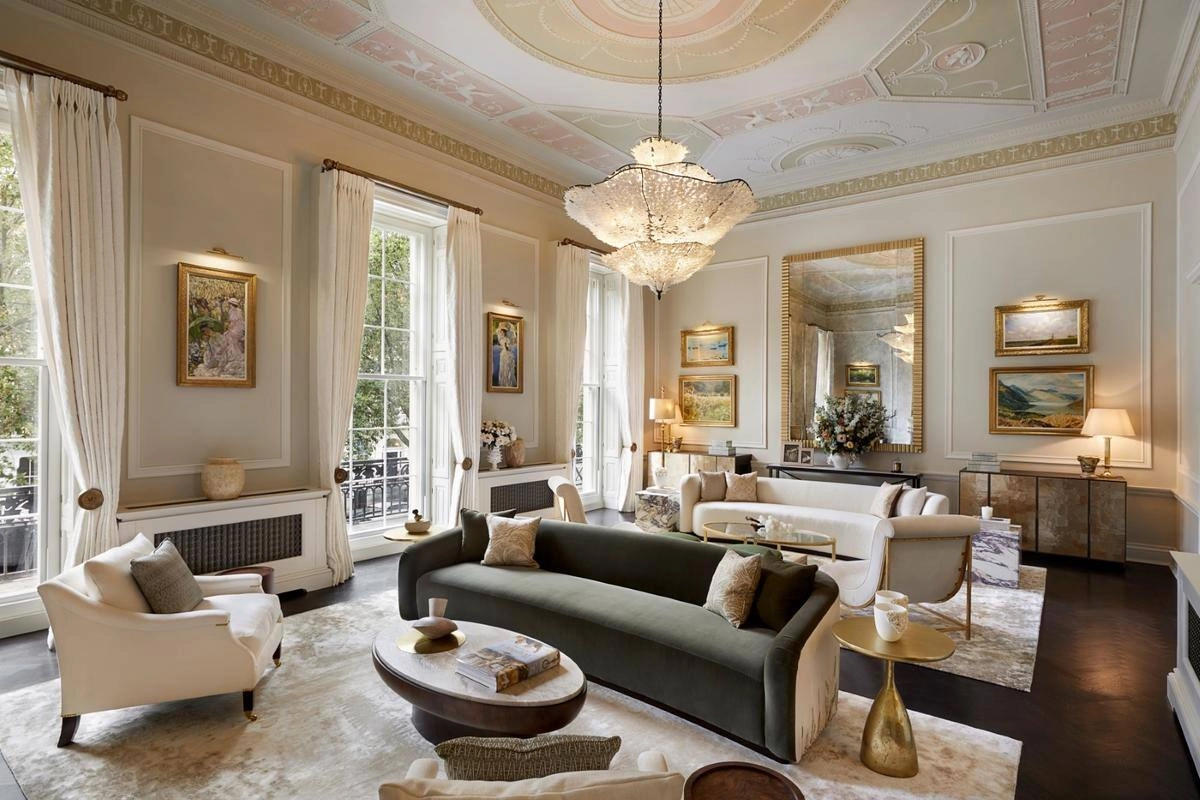
London’s luxury real estate market is defined by its diversity and global appeal. From historic townhouses in Mayfair to modern penthouses overlooking the Thames, the city offers a wide range of architectural styles.
Interior design in London reflects this eclecticism, combining classic British elements with international influences. Designers often blend traditional features such as paneling and fireplaces with contemporary furnishings. This layered approach creates interiors that are both sophisticated and adaptable, appealing to a global clientele seeking distinctive living environments.
Signature Elements of London Interiors
Luxury properties in London typically feature:
- Mix of traditional and contemporary design elements
- Use of rich materials such as wood and stone
- Custom joinery and detailed craftsmanship
- Layered lighting schemes
- Integration of global design influences
- Flexible layouts for modern living
These elements define London’s approach to luxury real estate.
The Role of Cultural Identity in Interior Design
Cultural identity plays a central role in shaping luxury real estate across Paris, Milan, and London. Each city’s history and artistic heritage influence material choices, spatial layouts, and design aesthetics.
Interior designers must interpret these cultural references while creating spaces that feel contemporary. This requires a nuanced approach, where tradition is respected but not replicated. By incorporating local craftsmanship and design language, professionals can create interiors that resonate with both local and international audiences.
Ways Designers Reflect Cultural Identity
Design strategies often include:
- Incorporating local materials and craftsmanship
- Referencing historical architectural elements
- Using art and décor that reflect regional culture
- Adapting traditional layouts for modern living
- Collaborating with local artisans
- Balancing heritage with innovation
These approaches enhance the value of luxury real estate.
Materiality and Craftsmanship in High-End Interiors
Material selection is a defining factor in luxury real estate, particularly in culturally rich cities. High-end interiors rely on materials that convey quality, durability, and aesthetic appeal.
From marble and natural stone to fine woods and metals, materials are carefully chosen to reflect both tradition and modernity. Craftsmanship also plays a crucial role, with bespoke detailing and artisanal techniques elevating interiors. For designers, materiality becomes a key tool in creating spaces that are both visually compelling and enduring.
Common Materials in Luxury Real Estate
Across these cities, designers frequently use:
- Marble and natural stone surfaces
- High-quality wood finishes
- Metals such as brass and bronze
- Luxurious textiles like silk and velvet
- Glass elements for light and transparency
- Custom finishes tailored to each project
These materials define the tactile experience of luxury real estate.
Technology and Modern Living Standards
Technology is increasingly integrated into luxury real estate, enhancing comfort and efficiency. Smart home systems, automated lighting, and advanced security features are now standard in high-end properties.
Designers must ensure that these technologies are seamlessly incorporated into interiors without disrupting the aesthetic. Hidden systems and intuitive interfaces allow residents to enjoy modern conveniences while maintaining a refined environment. This integration reflects the evolving expectations of luxury clients in global cities.
Smart Features in Luxury Properties
High-end developments often include:
- Home automation systems for lighting and climate
- Advanced security and surveillance
- Integrated entertainment systems
- Energy-efficient technologies
- Smart kitchen and appliance solutions
- Digital interfaces for personalized control
These features are essential in contemporary luxury real estate.
The Importance of Location and Lifestyle
Location remains one of the most critical factors in luxury real estate. In Paris, Milan, and London, prime properties are often situated in culturally significant neighborhoods.
Proximity to cultural institutions, fine dining, and high-end retail enhances the lifestyle appeal of these properties. Interior design must complement this context, creating spaces that reflect the surrounding environment. For architects and designers, understanding the relationship between location and interior design is key to delivering successful projects.
Lifestyle Features in Cultural Capitals
Luxury properties often offer:
- Access to exclusive cultural and social venues
- Proximity to luxury retail districts
- Views of iconic landmarks
- Concierge and personalized services
- Private outdoor spaces such as terraces
- Wellness and leisure amenities
These features elevate the experience of luxury real estate.
Sustainability in Urban Luxury Design
Sustainability is becoming an essential aspect of luxury real estate in cultural capitals. Designers are incorporating eco-friendly materials and energy-efficient systems into high-end projects.
This approach aligns with global efforts to reduce environmental impact while maintaining luxury standards. Sustainable design also enhances long-term property value, making it a key consideration for developers and investors. For interior designers, integrating sustainability into luxury projects is both a responsibility and an opportunity for innovation.
Sustainable Design Strategies
Common approaches include:
- Use of environmentally friendly materials
- Energy-efficient lighting and appliances
- Water-saving systems and fixtures
- Sustainable sourcing of materials
- Integration of green technologies
- Design for longevity and adaptability
These strategies are shaping the future of luxury real estate.
Conclusion: Defining Luxury Through Culture and Design
Paris, Milan, and London continue to set the global benchmark for luxury real estate, each offering a distinct approach to interior design. From Parisian elegance to Milanese innovation and London’s eclecticism, these cities showcase the diversity of luxury living.
For interior designers, architects, and luxury studios, understanding these markets provides valuable insights into how culture, craftsmanship, and modernity intersect. As global demand for high-end properties grows, these cultural capitals will remain at the forefront of design excellence, shaping the future of luxury interiors worldwide.