
Luxury interior lifestyle is no longer defined only by aesthetics or material wealth. Today, it represents a way of living where interior spaces actively shape behavior, emotion, and identity. In contemporary design culture, the home has become a curated environment that reflects values such as comfort, craftsmanship, and cultural awareness.
For interior designers, architects, and luxury brands, luxury interior lifestyle is now a guiding principle that connects spatial design with human experience. As a result, interiors are no longer passive backgrounds—they are active participants in modern life.
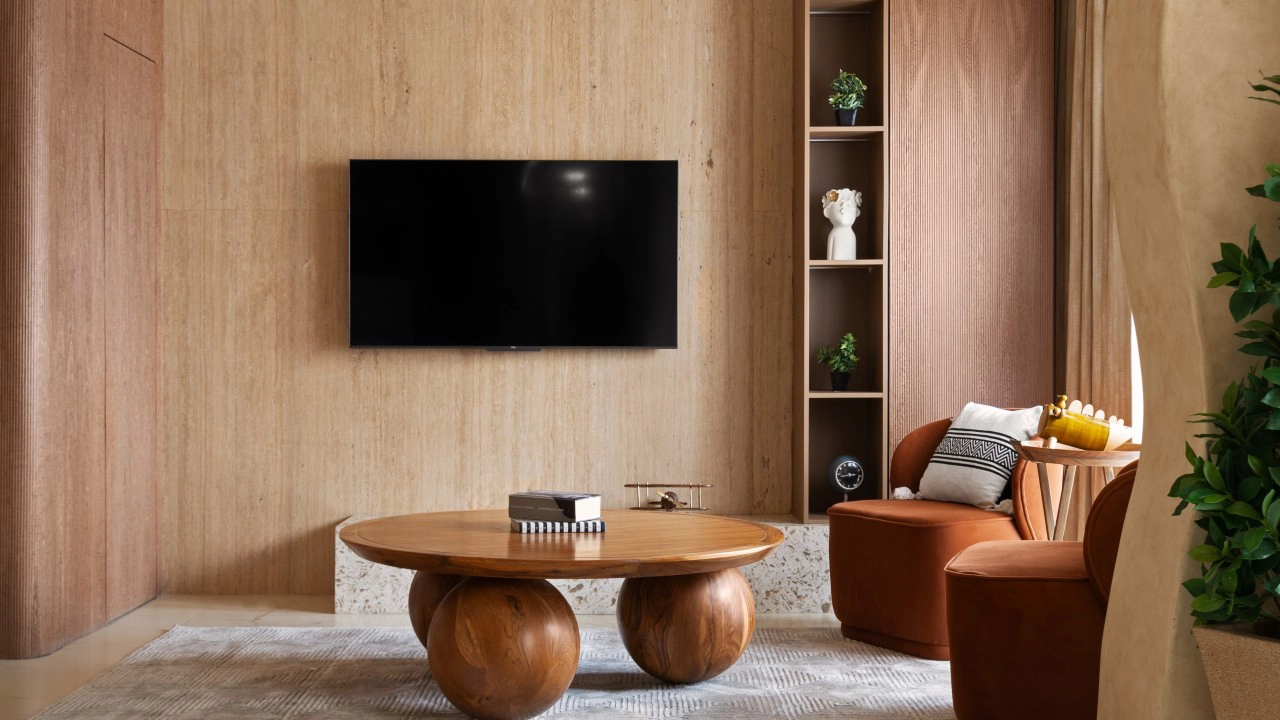
Luxury Interior Lifestyle and the New Meaning of Modern Living
In recent years, the concept of luxury interior lifestyle has evolved significantly. Traditional luxury once focused on excess, ornamentation, and exclusivity. However, contemporary luxury prioritizes intention, balance, and emotional well-being.
Moreover, modern interiors are designed to support daily rituals, productivity, and rest. Every spatial decision—from lighting to furniture layout—contributes to how people live and feel within a space.
As a result, luxury is now measured by experience rather than accumulation.
How Interior Spaces Influence Behavior and Emotion
A central aspect of luxury interior lifestyle is the psychological impact of space. Interior environments directly influence mood, focus, and overall well-being.
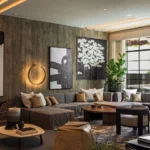
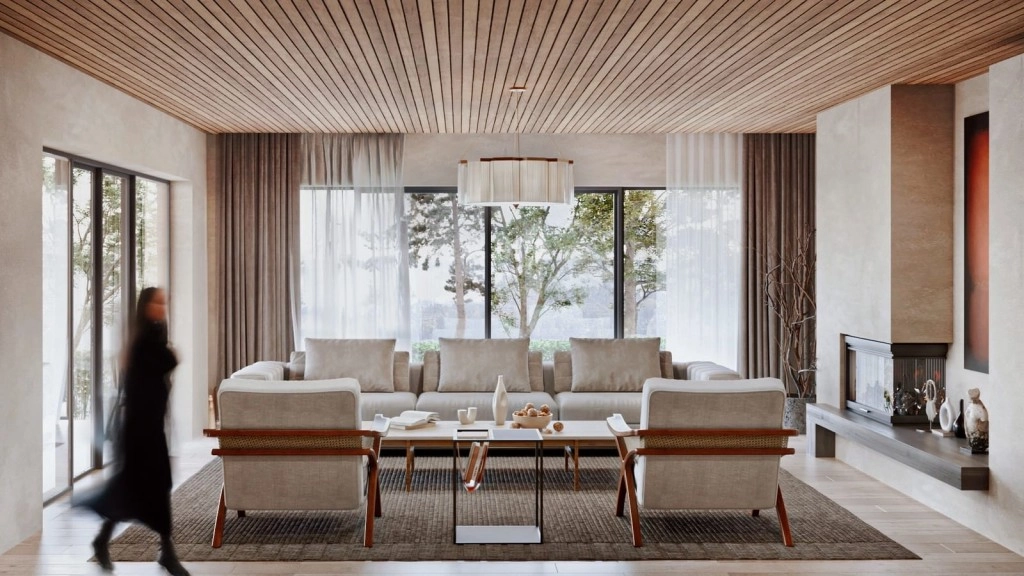
For example, natural light enhances calmness and productivity, while tactile materials such as wood, stone, and linen create emotional comfort. In addition, spatial flow determines how people move and interact within a home.
Therefore, designers are increasingly approaching interiors as sensory ecosystems rather than static compositions.
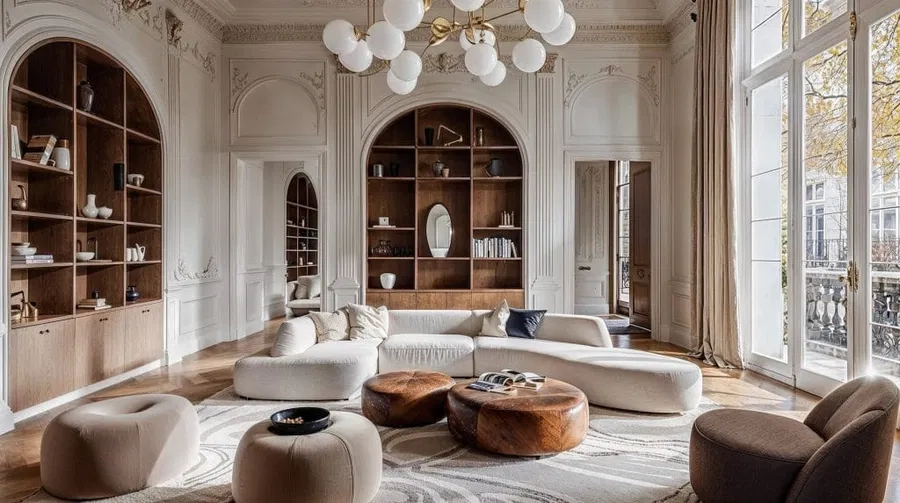
Craftsmanship and the Value of Material Authenticity
Craftsmanship plays a fundamental role in shaping luxury interior lifestyle. Handcrafted furniture and bespoke design elements introduce authenticity and uniqueness into living spaces.
Furthermore, materials are no longer chosen only for appearance but also for their emotional and cultural resonance. Natural surfaces, imperfections, and handmade details communicate depth and individuality.
Consequently, interiors become more meaningful and less standardized, reflecting a shift toward human-centered design.
Cultural Influence in Luxury Interior Design
Contemporary luxury interior lifestyle is deeply influenced by global cultural exchange. Designers draw inspiration from diverse traditions, blending architectural languages and aesthetic philosophies.
In addition, cultural storytelling has become an essential part of interior design. Spaces often reflect travel experiences, heritage, and personal narratives.
However, this requires careful consideration of authenticity and intellectual property. Designers must respect cultural origins while creating original interpretations that avoid replication.
Therefore, cultural influence in design is both a creative opportunity and a legal responsibility.
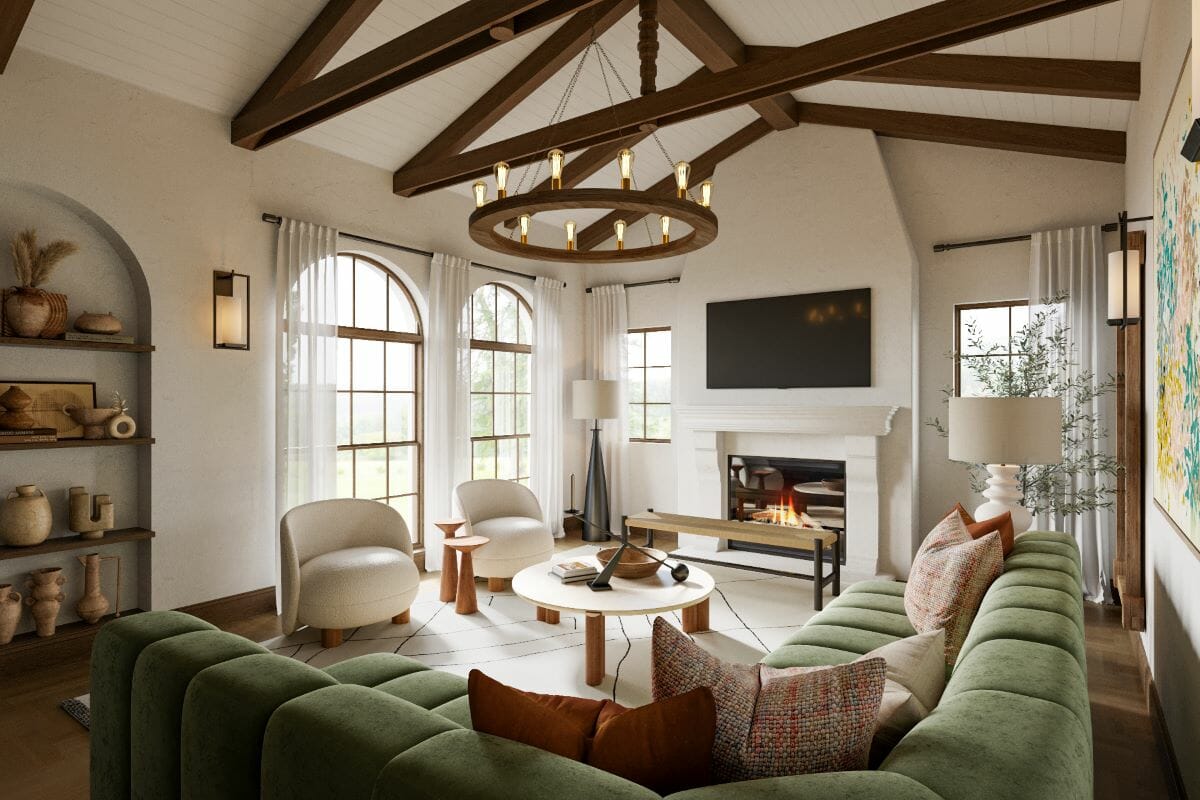
Interior Architecture as a Lifestyle Framework
Interior architecture plays a crucial role in defining luxury interior lifestyle. Spatial organization, proportions, and structural clarity determine how a space supports modern living.
Moreover, open-plan layouts, flexible environments, and multifunctional areas reflect the evolving needs of contemporary lifestyles. Homes are no longer static structures but adaptable systems.
As a result, architecture and interior design work together to shape a seamless living experience.
Intellectual Property and Design Authorship in Luxury Interiors
As interior design becomes more concept-driven, intellectual property protection becomes increasingly important. In luxury interior lifestyle, originality is a key asset.
Design authorship ensures that creative ideas, spatial concepts, and furniture designs are legally protected. This is especially relevant in luxury markets, where signature styles and bespoke solutions define brand identity.
Furthermore, designers must navigate the balance between inspiration and imitation in a highly globalized design environment.
Therefore, protecting creative ownership is essential for maintaining integrity in contemporary design practice.
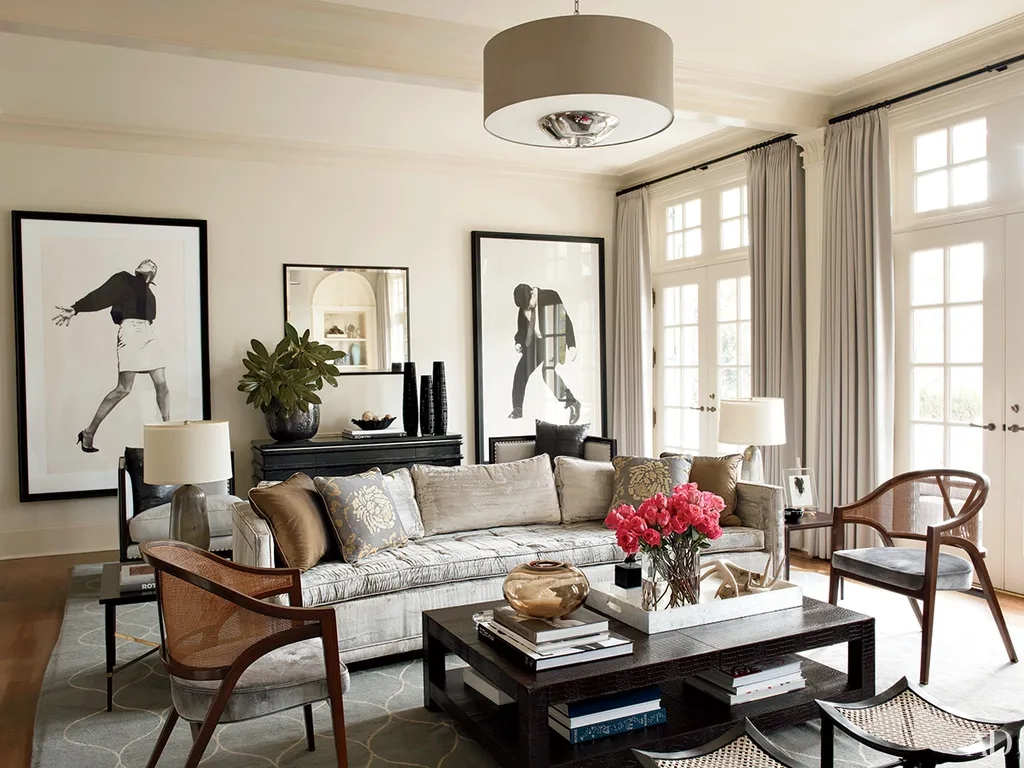
Conclusion: The Future of Luxury Interior Lifestyle
Ultimately, luxury interior lifestyle represents a shift toward more intentional, emotional, and culturally aware living. Interior spaces are no longer just functional environments—they are expressions of identity, well-being, and creativity.
Looking ahead, luxury interiors will continue to evolve through craftsmanship, sustainability, and intellectual design authorship. As designers redefine what it means to live well, interiors will remain at the center of modern cultural experience.