Luxury residential design continues to evolve toward cleaner, calmer, and more integrated living environments. Among the most influential movements shaping contemporary interiors today, the Rise of Invisible kitchens stands out as a defining trend in high-end homes. Architects, interior designers, and luxury furniture brands increasingly embrace concealed culinary spaces that blend seamlessly into sophisticated interiors.
Once designed purely for utility, the kitchen has transformed into a curated architectural feature. Today’s affluent homeowners demand spaces that feel refined, uncluttered, and deeply connected to the overall interior language of the residence. The Rise of Invisible kitchens reflects this shift by combining advanced functionality with minimalist aesthetics and handcrafted detailing.
From concealed cabinetry to integrated appliances and sculptural materials, invisible kitchens represent the future of luxury living.
What Defines an Invisible Kitchen?
An invisible kitchen conceals traditional kitchen components behind architectural surfaces, custom millwork, and minimalist design solutions. Rather than showcasing appliances, storage systems, and countertops, these kitchens integrate them discreetly into the surrounding environment.
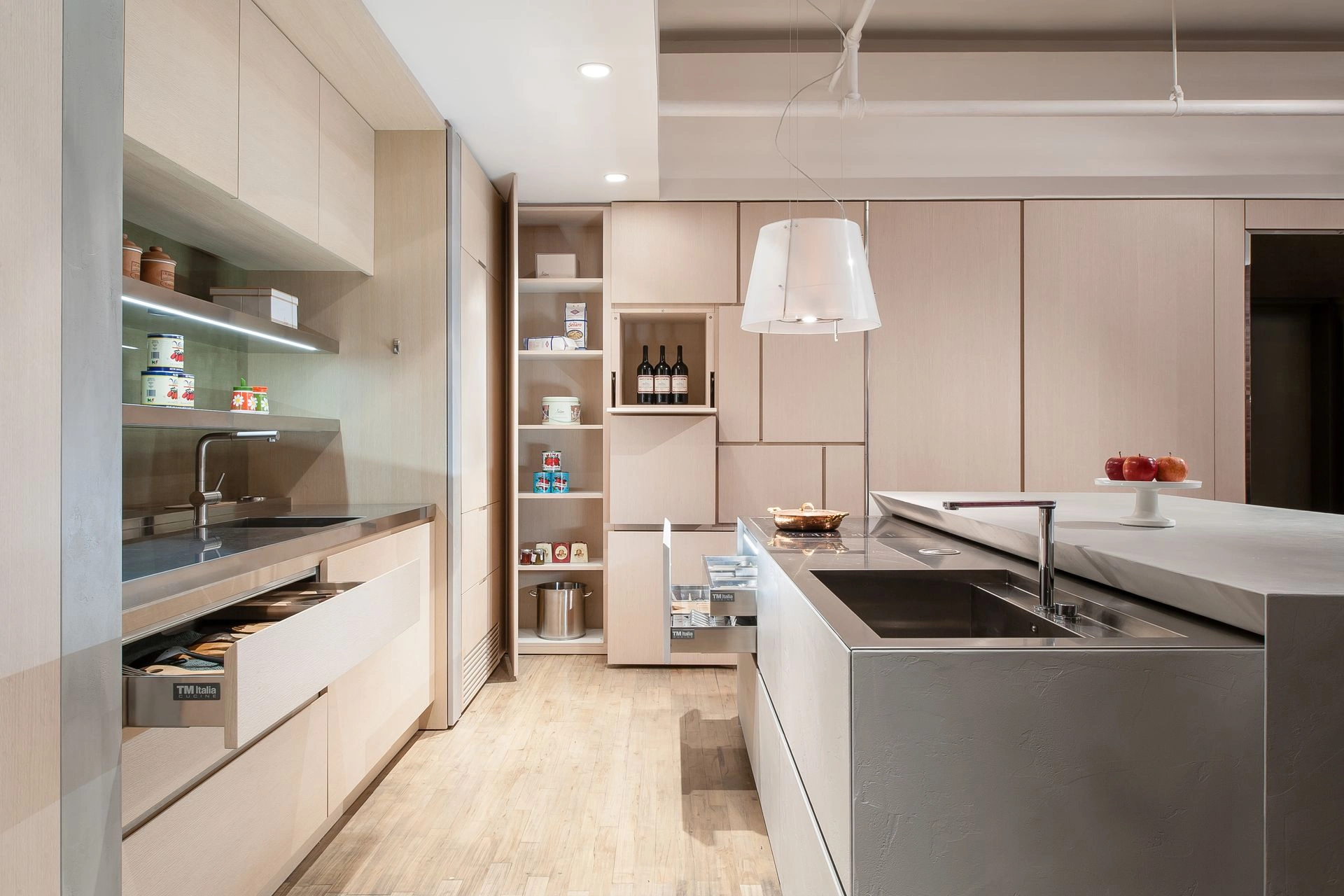
Flush cabinetry, hidden handles, pocket doors, retractable countertops, and integrated ventilation systems define the aesthetic. Many high-end invisible kitchens resemble elegant living spaces or bespoke furniture compositions rather than conventional culinary zones.
The Rise of Invisible kitchens also reflects the growing importance of open-plan architecture. In luxury homes where kitchens connect directly to dining and lounge areas, visual continuity becomes essential. Designers therefore prioritize seamless transitions between functional and social spaces.
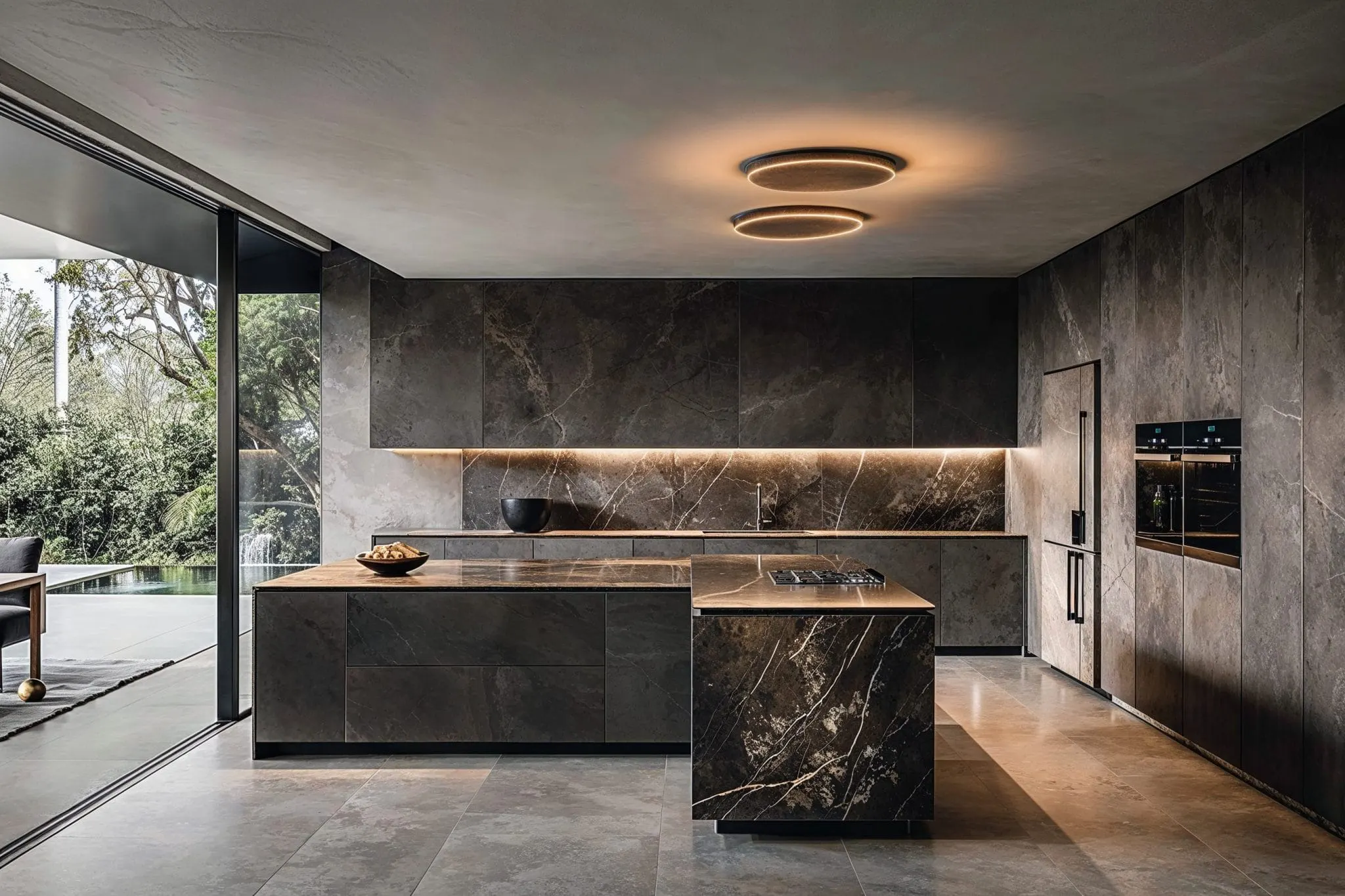
Natural materials play a major role in achieving this effect. Stone, smoked oak, walnut, bronze, textured glass, and handcrafted finishes create depth without visual noise. The goal is not sterility but refined simplicity supported by exceptional craftsmanship.
Why Luxury Homeowners Prefer Invisible Kitchens
Affluent homeowners increasingly seek interiors that support relaxation and visual clarity. Excessive clutter, exposed appliances, and overly technical aesthetics often disrupt the serene atmosphere many luxury clients desire.
Invisible kitchens answer this demand by creating spaces that feel calm, architectural, and timeless. When closed, concealed cabinetry transforms the kitchen into a sculptural backdrop that complements the larger interior composition.
This design approach also enhances flexibility within open-plan homes. A concealed kitchen allows living spaces to adapt effortlessly from casual family use to formal entertaining. Hosts can prepare meals without exposing cookware, utensils, or functional clutter to guests.
Privacy also contributes to the Rise of Invisible kitchens. High-net-worth clients often value discretion in both lifestyle and design. Concealed culinary zones align naturally with that preference, offering elegance without visual excess.
The Role of Handcrafted Millwork and Bespoke Design
Custom millwork sits at the center of every successful invisible kitchen. Unlike mass-produced cabinetry, handcrafted systems allow designers to conceal appliances, storage solutions, and technical elements with precision.
Luxury furniture brands and artisan workshops increasingly collaborate with architects to create bespoke kitchen environments tailored to each residence. The craftsmanship involved often rivals that of custom wardrobes or high-end furniture collections.
Hand-finished wood panels, integrated stone surfaces, and precision joinery create continuity throughout the interior. Rather than separating the kitchen from the rest of the home, designers treat it as an extension of the architectural language.
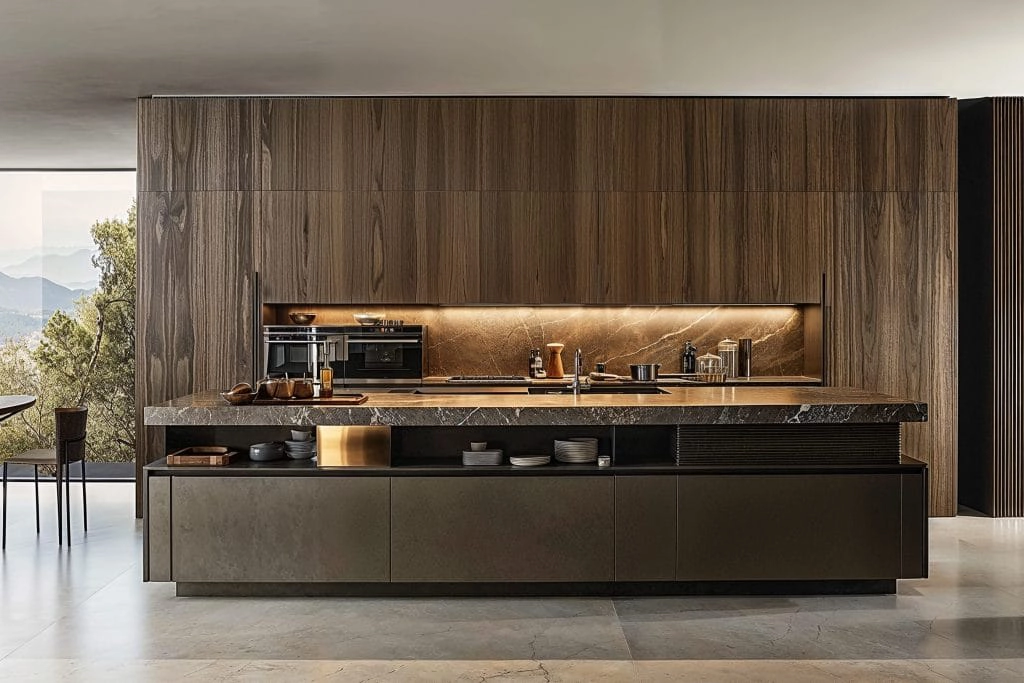
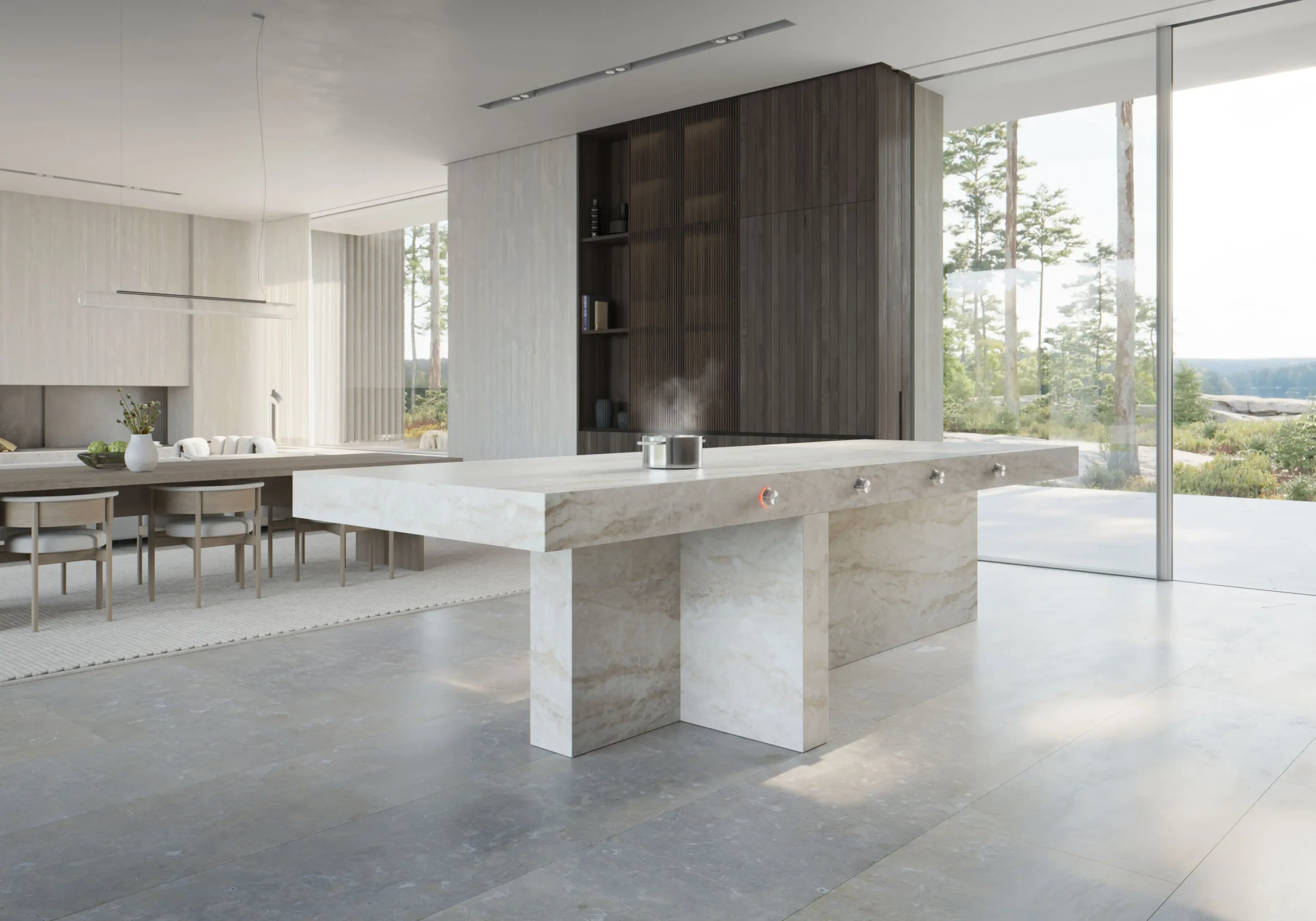
Large monolithic islands often serve as sculptural centerpieces within invisible kitchens. Designers frequently carve these islands from natural stone or clad them in seamless wood veneers to reinforce visual purity. Hidden induction systems and integrated sinks further strengthen the minimalist effect.
The Rise of Invisible kitchens has therefore elevated kitchen design into a specialized discipline that merges architecture, furniture craftsmanship, and advanced engineering.
Technology Driving the Rise of Invisible Kitchens
Modern technology plays a critical role in making invisible kitchens functional without compromising aesthetics. Luxury appliance manufacturers now produce increasingly sophisticated systems designed specifically for concealed integration.
Handleless opening mechanisms, touch-sensitive cabinetry, retractable ventilation systems, and fully integrated refrigeration units help eliminate visual interruption. Smart home technology also supports automation within these spaces, allowing homeowners to control lighting, appliances, and storage systems discreetly.
Induction cooking surfaces integrated directly into stone countertops continue to gain popularity in luxury projects. These systems preserve clean surfaces while maintaining high culinary performance.
Lighting design also shapes the experience of invisible kitchens. Hidden LED systems, recessed architectural lighting, and illuminated shelving create atmosphere without drawing attention to technical components. Warm, indirect lighting helps maintain the residential softness that defines contemporary luxury interiors.
As technology becomes more refined, the Rise of Invisible kitchens will likely continue accelerating across both residential and hospitality sectors.
Minimalism Meets Luxury
Minimalism no longer means sacrificing warmth or comfort. Contemporary invisible kitchens demonstrate how restraint can coexist with richness, texture, and material sophistication.
Luxury design studios increasingly move away from glossy finishes and overly futuristic aesthetics. Instead, they favor tactile surfaces, organic materials, and muted palettes that create emotional depth.
Soft beige limestone, dark walnut cabinetry, brushed brass accents, and matte finishes contribute to interiors that feel luxurious without appearing ostentatious. The absence of visible clutter allows craftsmanship and proportion to become the primary visual focus.
This refined approach aligns strongly with broader trends in luxury architecture and interior design. Clients increasingly prioritize wellness, tranquility, and sensory comfort within the home. Invisible kitchens support these goals by reducing visual distraction and creating harmonious living environments.
The Rise of Invisible kitchens therefore reflects more than a stylistic preference. It represents a deeper cultural movement toward intentional living and architectural calm.
Invisible Kitchens in Luxury Hospitality and Branded Residences
High-end hospitality projects increasingly incorporate invisible kitchen concepts into branded residences, penthouses, and luxury suites. Developers recognize that affluent buyers now expect kitchens to function as elegant extensions of living spaces rather than isolated utility zones.
Boutique hotels and private residences often feature concealed bar areas, hidden preparation stations, and integrated dining systems that maintain visual sophistication throughout the guest experience.
Architects designing luxury apartments also benefit from the spatial efficiency of invisible kitchens. Concealed layouts maximize openness while preserving functionality, especially in urban environments where spatial optimization remains essential.
This approach also photographs exceptionally well, making invisible kitchens highly attractive for luxury marketing campaigns, editorial features, and architectural showcases.
The Future of Invisible Kitchens
The Rise of Invisible kitchens shows no sign of slowing as luxury homeowners continue seeking interiors that balance performance with serenity. Future developments will likely focus on even greater integration between architecture, furniture, and technology.
Sustainable materials, handcrafted cabinetry, and advanced appliance concealment will continue shaping the next generation of kitchen design. Designers may also explore more sculptural forms and richer natural textures while maintaining the clean visual language that defines the aesthetic.
For interior designers, architects, and luxury furniture brands, invisible kitchens offer a compelling opportunity to redefine how modern living spaces function and feel. By prioritizing craftsmanship, spatial harmony, and discreet innovation, these kitchens embody the future of high-end residential design.
As luxury interiors increasingly move toward calm sophistication and timeless materiality, invisible kitchens will remain one of the most influential design movements shaping contemporary homes worldwide.