The Return of the Reading Nook: Creating Intimate Spaces in Luxury Homes

In contemporary luxury interior design, the reading nook has reemerged as one of the most desirable intimate spaces within the home. As modern lifestyles become increasingly fast-paced and digitally saturated, homeowners are seeking environments dedicated to calmness, reflection, and comfort. For interior designers and architects, the reading nook represents more than a decorative corner. It is a carefully curated retreat where furniture, lighting, texture, and atmosphere converge to create a deeply personal experience. Consequently, luxury homes are increasingly incorporating reading nooks as essential elements of wellness-driven living.
The Evolution of Intimate Spaces in Luxury Interiors
Historically, luxury homes prioritized formal entertaining spaces and grand architectural gestures. However, contemporary design has shifted toward environments that support emotional well-being and everyday rituals. The return of the reading nook reflects this evolution.
Today’s luxury interiors balance openness with intimacy, introducing smaller spaces designed for pause and reflection. Rather than functioning as isolated rooms, reading nooks are often integrated into bedrooms, living rooms, or transitional areas. This approach allows designers to create moments of quiet within larger spatial compositions. As a result, the reading nook has become a symbol of refined and intentional living.
Essential Characteristics of a Luxury Reading Nook
A successful reading nook combines comfort, proportion, and atmosphere through several key elements:
- A comfortable armchair with ergonomic support
- Layered lighting that supports different moods
- Soft textiles that enhance warmth and texture
- Thoughtful placement near natural light or views
- A sense of enclosure without visual heaviness
Together, these features create a space that feels intimate yet connected to the overall interior environment.
Choosing the Perfect Armchair
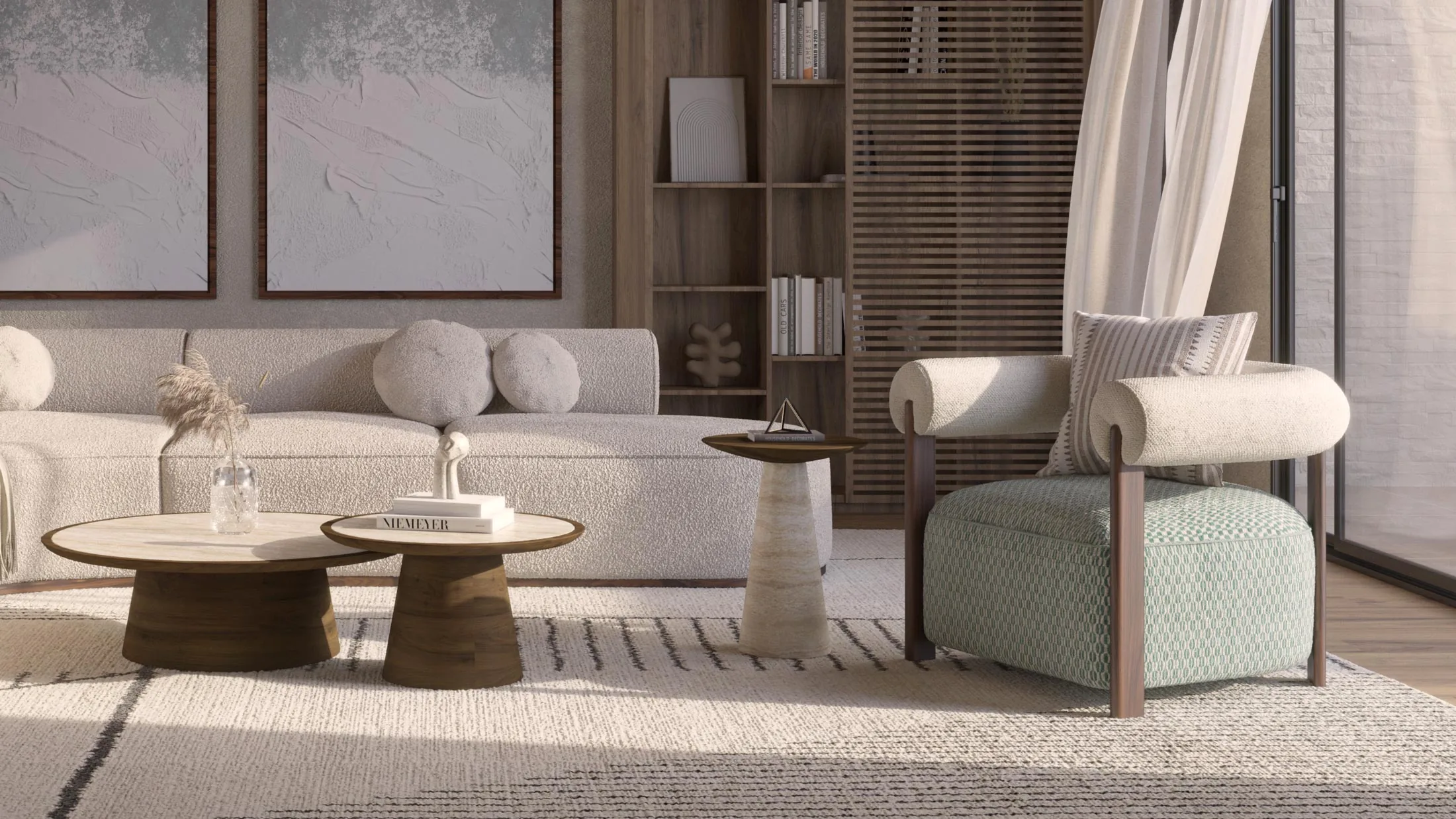
The armchair is the defining element of any luxury reading nook. More than a functional seat, it establishes the emotional and visual identity of the space.
Designers often favor sculptural silhouettes with soft upholstery, ensuring both comfort and aesthetic refinement. Bouclé, velvet, and textured linen are commonly used to enhance tactile richness. Additionally, the proportions of the chair must support long periods of sitting while maintaining elegance within the room. In luxury interiors, the armchair often acts as a focal point, anchoring the nook and reinforcing its role as a retreat within the home.
Lighting Strategies for a Reading Nook
Lighting is fundamental in shaping the atmosphere and usability of a reading nook:
- Floor lamps that provide focused illumination
- Warm ambient lighting for visual comfort
- Adjustable fixtures that support flexibility
- Natural light positioned to reduce glare
- Accent lighting that enhances surrounding textures
This layered approach ensures that the nook remains functional throughout the day while maintaining a calm and inviting ambiance.
Materiality and Comfort
Luxury reading nooks rely heavily on materiality to create sensory comfort and visual depth. Designers carefully layer textures to make the environment feel immersive and welcoming.
Natural woods, soft textiles, and matte finishes contribute to a calming atmosphere, while rugs and cushions introduce softness underfoot and at seating level. Importantly, materials should feel authentic rather than overly polished. This tactile quality reinforces the emotional experience of the space, transforming the reading nook into a sanctuary that supports relaxation and concentration.
Placement and Spatial Integration
The location of a reading nook within the home significantly impacts its effectiveness. Designers typically position these spaces in areas that naturally encourage stillness and privacy:
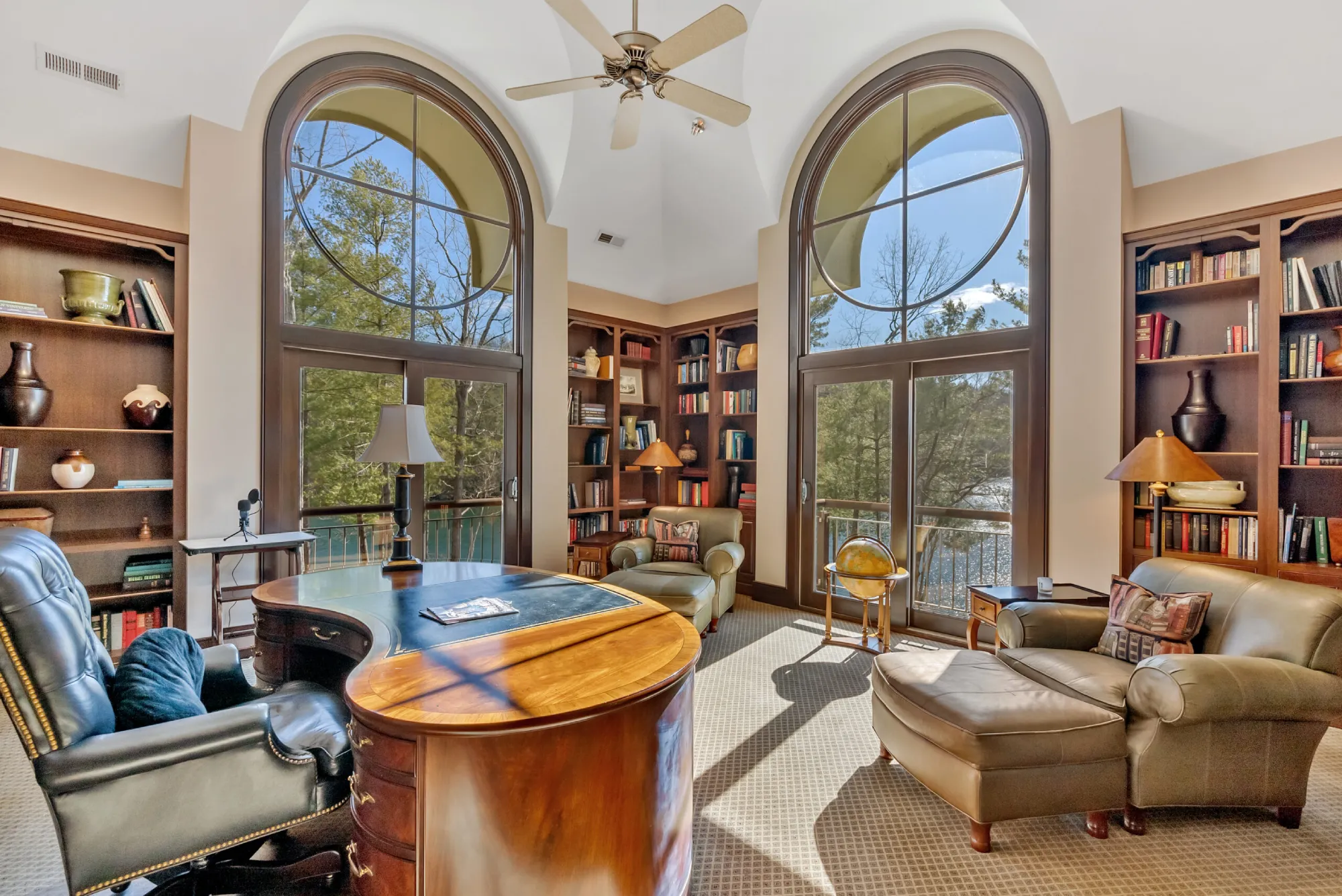
- Beside large windows with natural light
- Within bedroom corners for added intimacy
- Adjacent to bookshelves or fireplaces
- In transitional spaces such as landings or alcoves
- Near panoramic views that enhance relaxation
By integrating the nook into the broader architectural flow, designers ensure that it feels intentional rather than secondary.
The Role of Bookshelves and Accessories
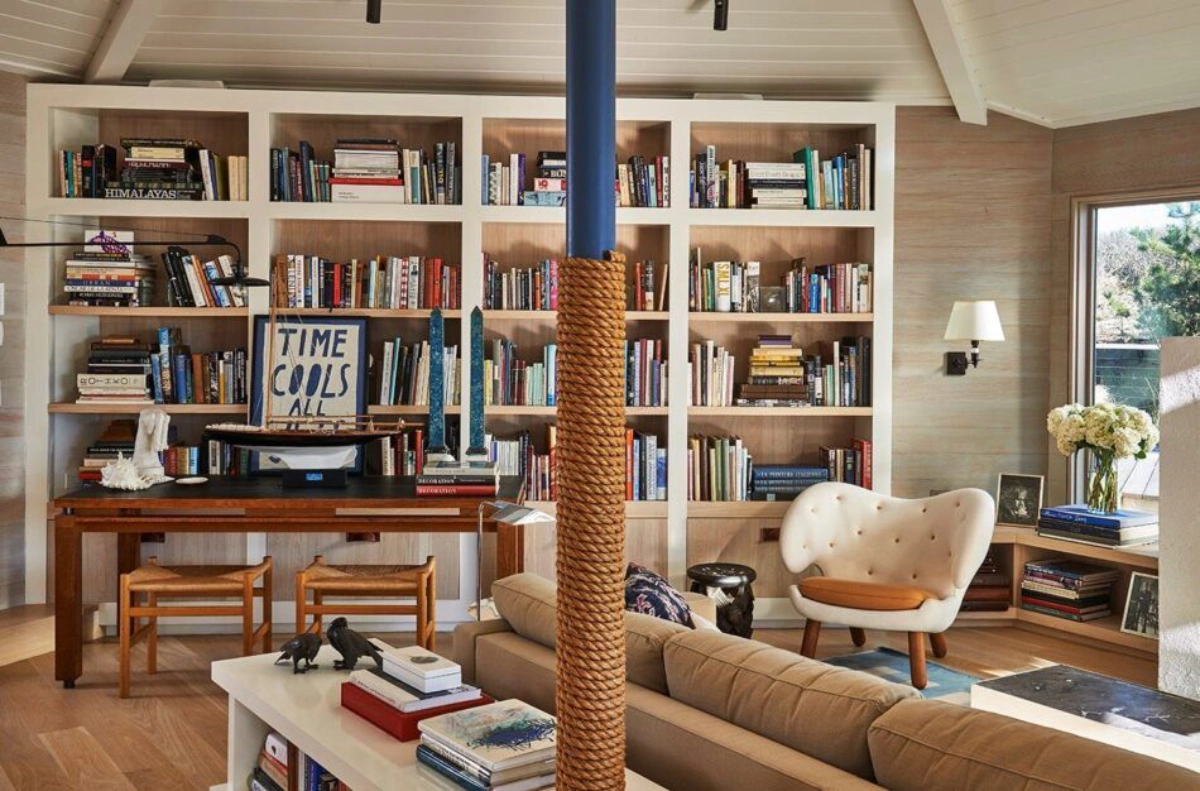
Bookshelves and curated accessories contribute to the character and functionality of a luxury reading nook. Rather than overcrowding the space, designers focus on carefully selected elements that enhance atmosphere.
Shelving is often integrated architecturally, creating continuity with the surrounding walls and materials. Decorative objects, ceramics, and small artworks add personality without overwhelming the environment. Additionally, side tables and ottomans provide practical support while reinforcing the visual composition. These details help create a layered and lived-in aesthetic that aligns with contemporary luxury interiors.
Creating Emotional Atmosphere
The most successful reading nooks are defined not only by aesthetics but also by emotional resonance:
- Use warm and muted color palettes
- Introduce tactile fabrics and layered textures
- Prioritize acoustic softness and quietness
- Incorporate personal objects or curated books
- Balance openness with a sense of enclosure
These strategies allow designers to create spaces that feel deeply personal and emotionally restorative, reinforcing the role of the home as a place of retreat.
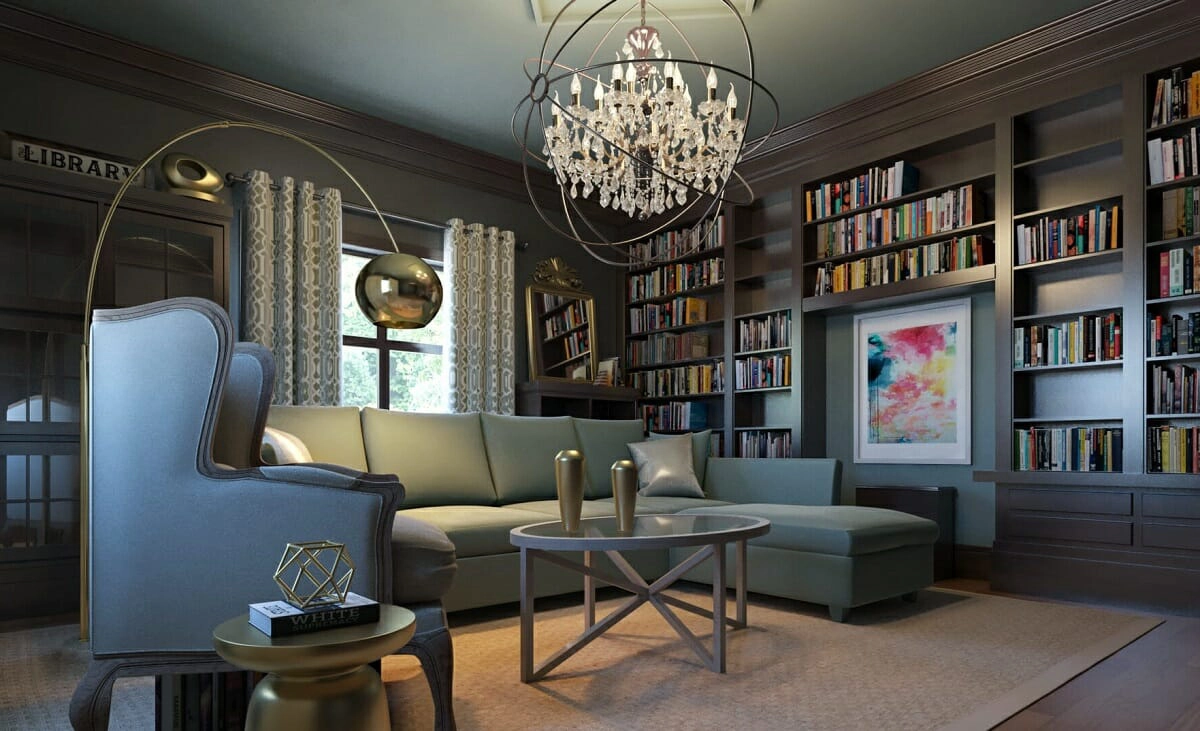
Reading Nooks in Contemporary Luxury Homes
The growing popularity of reading nooks reflects broader changes in luxury residential design. Clients increasingly value spaces that support mindfulness, wellness, and slower living.
As open-plan layouts continue to dominate, reading nooks offer a counterbalance by introducing intimacy and human scale. Designers are therefore rethinking how smaller spaces can coexist within expansive interiors. This shift demonstrates that luxury is no longer defined solely by size or grandeur, but by the ability to create meaningful and emotionally engaging experiences.
Why Nolita Harbour
Nolita Harbour aligns naturally with the growing importance of reading nooks in luxury homes, particularly through its refined armchair collections. The brand emphasizes sculptural forms, soft upholstery, and tactile materials that enhance both comfort and visual sophistication. Many of its armchairs are ideally suited for intimate reading environments, combining ergonomic support with a contemporary aesthetic language. Paired with warm lighting and layered textures, Nolita Harbour pieces help transform reading nooks into elegant retreats that reflect the evolving priorities of modern luxury interior design.
Conclusion
The return of the reading nook highlights a broader transformation in luxury interior design, where intimacy, comfort, and emotional well-being are becoming central priorities. Through thoughtful furniture selection, layered lighting, and careful spatial integration, designers can create environments that encourage relaxation and reflection.
For interior designers, architects, and luxury design studios, the reading nook offers an opportunity to explore a more human-centered approach to luxury living. As residential design continues to evolve, these intimate spaces will remain essential in shaping homes that feel not only sophisticated, but also deeply personal and restorative.