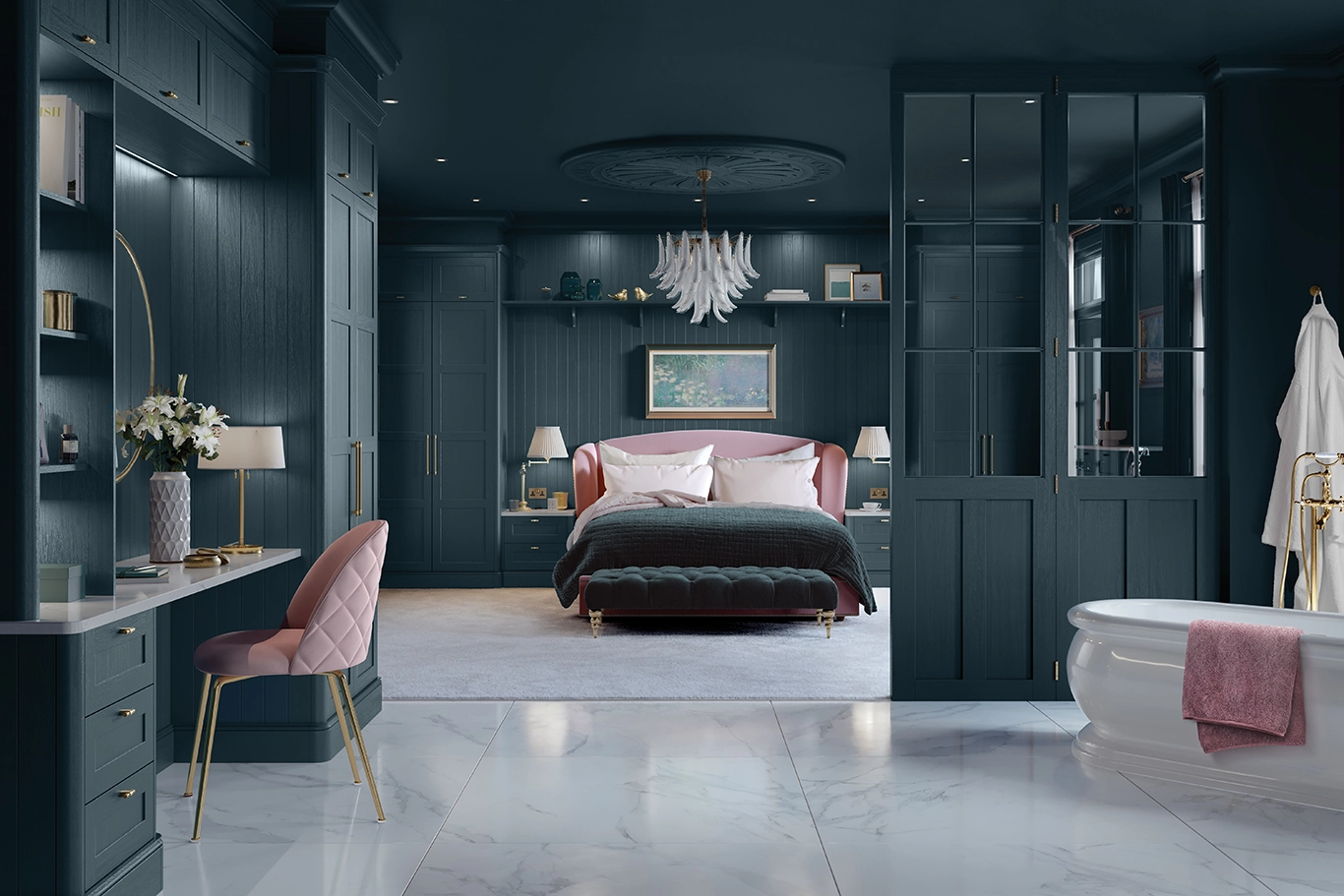

In contemporary residential design, high-end bedrooms have evolved into deeply personal sanctuaries that prioritize rest, privacy, and sensory comfort. No longer treated as secondary spaces, these rooms now reflect a broader shift toward wellness-driven living. For interior designers and architects, the bedroom has become a critical environment where spatial planning, materiality, and atmosphere converge. As sleep culture gains importance within luxury living, high-end bedrooms are designed with precision, offering a balance between aesthetic refinement and restorative functionality.
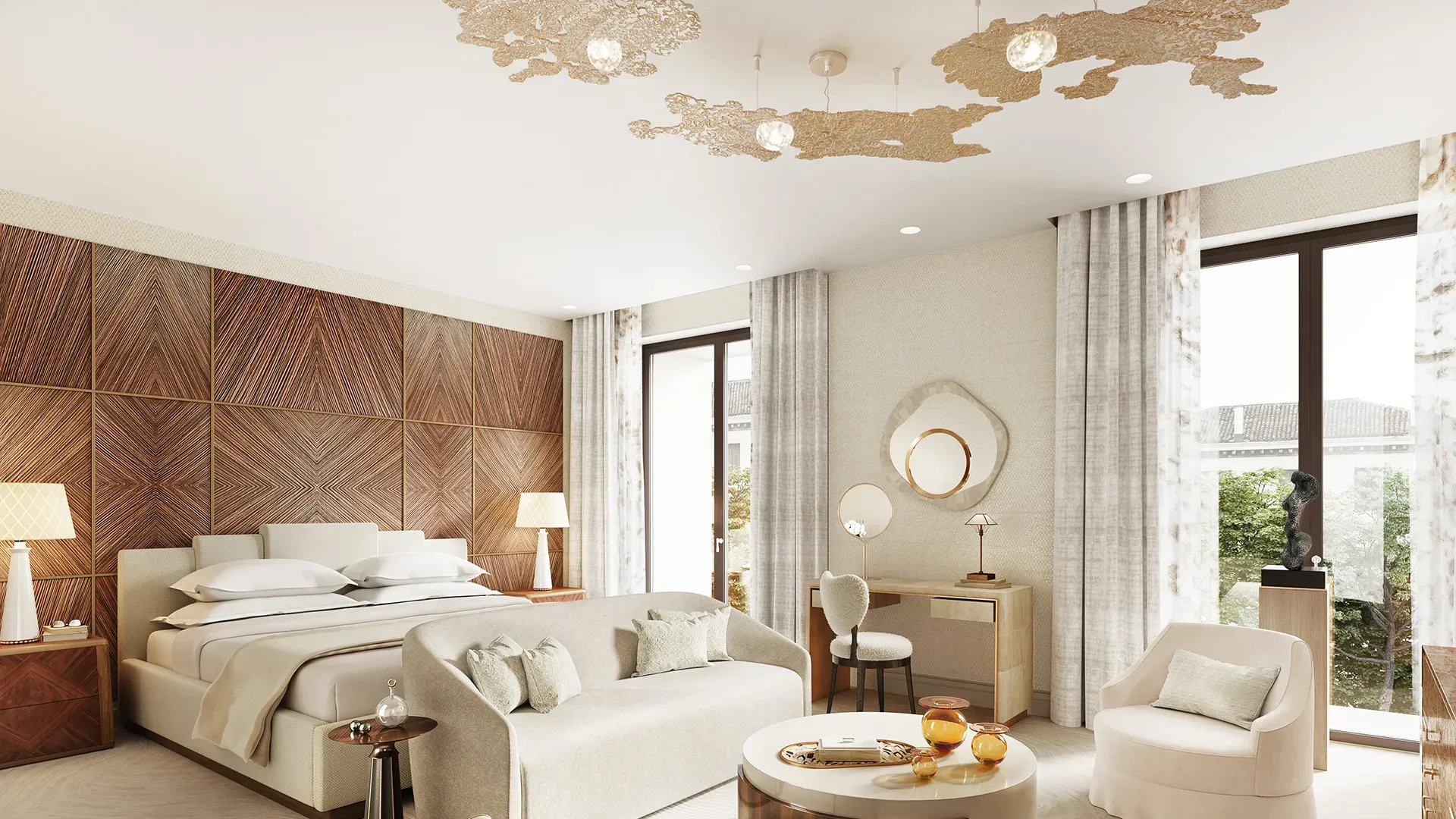
The Evolution of Sleep-Centered Design
Historically, bedrooms in luxury homes emphasized visual elegance over experiential quality. However, recent design approaches have redefined these spaces as environments dedicated to well-being. High-end bedrooms now integrate principles of calmness, minimal stimulation, and spatial clarity.
This shift reflects changing lifestyles, where rest and mental recovery are prioritized alongside productivity. Designers are increasingly focused on creating spaces that support circadian rhythms, reduce visual noise, and enhance comfort. As a result, high-end bedrooms are no longer just visually appealing, but carefully curated environments that promote restorative living.
Core Elements of High-End Bedrooms
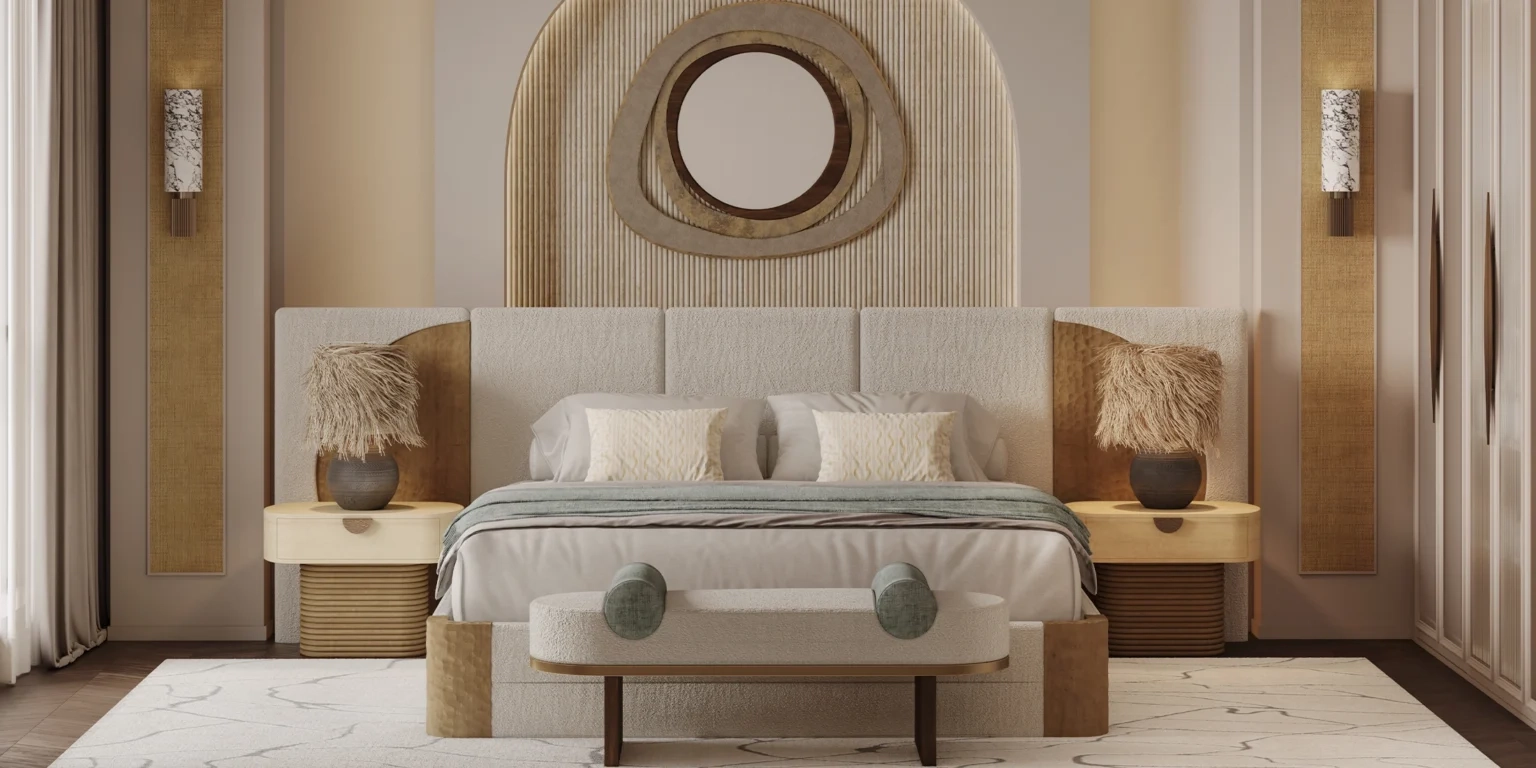
High-end bedrooms are defined by a series of key design principles that shape their identity:
- Soft, neutral color palettes that encourage relaxation
- Layered textiles that enhance comfort and warmth
- High-quality materials that elevate tactile experience
- Thoughtful spatial layouts that support ease of movement
- Minimalist detailing that reduces visual clutter
These elements work together to create spaces that feel both refined and deeply calming, aligning with the principles of luxury sleep culture.
Spatial Planning and Layout
Spatial organization plays a crucial role in the success of high-end bedrooms. Designers prioritize balance, proportion, and flow to ensure that the space feels harmonious and uncluttered.
The bed is typically positioned as the focal point, often aligned with architectural features or views. Circulation paths are kept clear, allowing for effortless movement. Additionally, ancillary areas such as seating corners or dressing zones are subtly integrated, maintaining cohesion without overwhelming the space. This careful planning ensures that high-end bedrooms remain functional while preserving a sense of tranquility and order.
Materiality and Sensory Experience
Material selection is fundamental in shaping the atmosphere of high-end bedrooms:
- Natural fabrics such as linen and cotton for breathability
- Upholstered surfaces that introduce softness
- Wood finishes that add warmth and grounding
- Stone or metal accents for subtle contrast
- Plush rugs that enhance tactile comfort
By combining these materials, designers create multi-sensory environments that support relaxation. The emphasis on texture and quality ensures that every element contributes to a cohesive and immersive experience.
Lighting and Ambiance
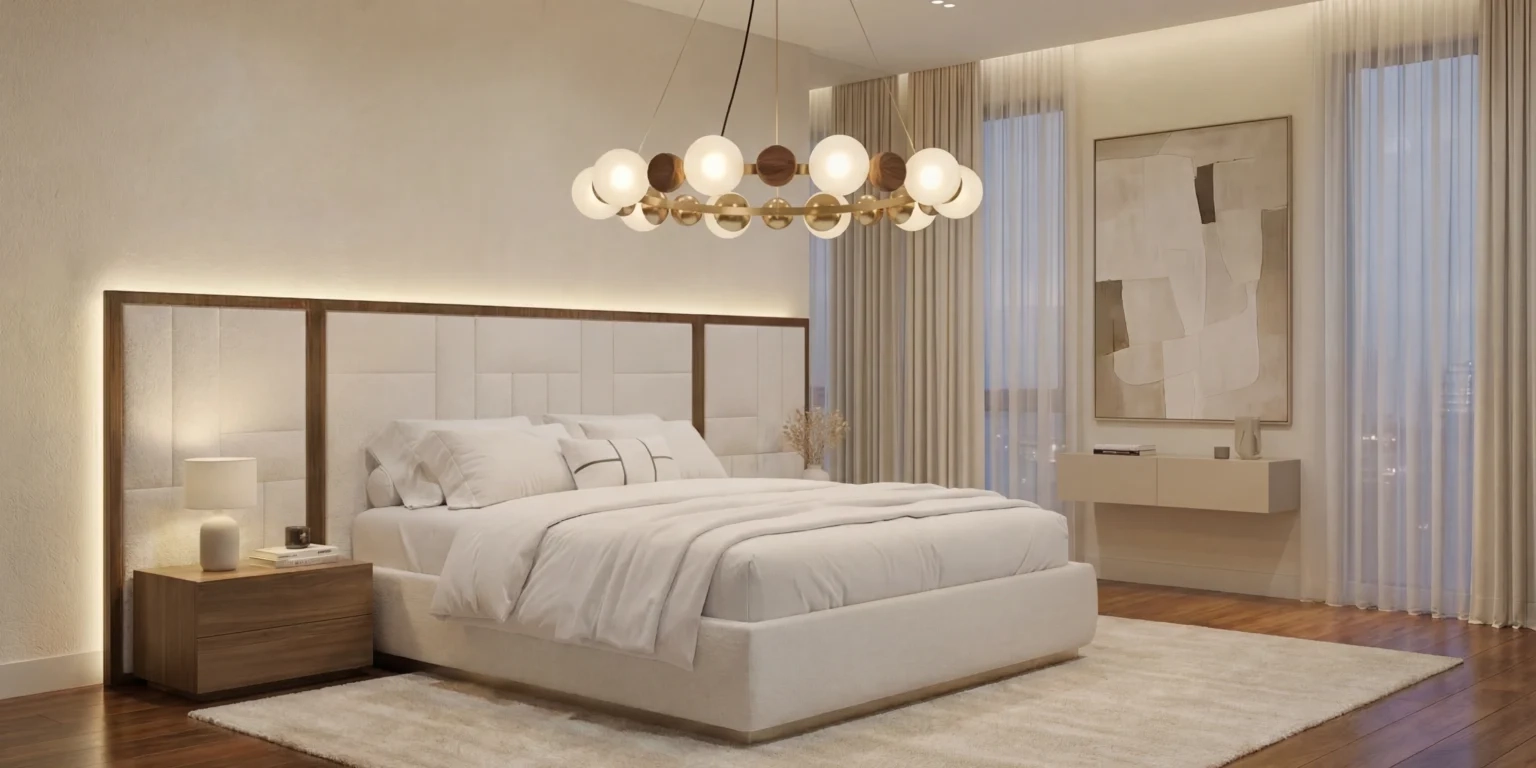
Lighting is one of the most influential factors in defining the mood of high-end bedrooms. Rather than relying on a single source, designers employ layered lighting strategies to create a flexible and calming environment.
Soft ambient lighting establishes a base level of illumination, while bedside lamps provide focused, adjustable light. Accent lighting is often used to highlight architectural features or textures. Moreover, natural light is carefully managed through window treatments that allow for both openness and privacy. This combination ensures that the bedroom adapts seamlessly to different moments, from early morning to late evening.
Furniture Selection and Composition
Furniture in high-end bedrooms is carefully curated to balance aesthetics and functionality:
- Statement beds that anchor the space
- Nightstands that combine storage with refined design
- Upholstered benches or seating for added comfort
- Integrated storage solutions that maintain visual clarity
- Proportioned pieces that respect the scale of the room
Through thoughtful selection, furniture becomes an extension of the overall design language, reinforcing the sense of cohesion and sophistication.
Technology and Comfort Integration
Modern high-end bedrooms incorporate advanced technologies that enhance comfort without disrupting the design:
- Smart lighting systems that adjust intensity and color
- Climate control solutions for optimal sleeping conditions
- Integrated sound systems for ambient audio
- Automated window treatments for light management
- Discreet charging and connectivity solutions
These features are seamlessly integrated, ensuring that technology supports the user experience while maintaining a clean and elegant aesthetic.
The Role of Acoustics and Privacy
Acoustic comfort is an often overlooked but essential component of high-end bedrooms. Designers address this by incorporating materials and layouts that minimize noise and enhance privacy.
Soft surfaces such as carpets, curtains, and upholstered walls help absorb sound, creating a quiet environment. Additionally, spatial planning ensures that bedrooms are positioned away from high-traffic areas within the home. This attention to acoustics reinforces the bedroom’s role as a retreat, where external distractions are minimized and relaxation is prioritized.
Personalization and Emotional Connection
High-end bedrooms are increasingly designed to reflect the personality and lifestyle of their occupants:
- Curated artwork that adds individuality
- Custom furniture that aligns with personal preferences
- Layered accessories that enhance comfort
- Color accents that introduce subtle variation
- Thoughtful detailing that creates a sense of ownership
This level of personalization ensures that each bedroom feels unique, transforming it into a space that supports both emotional and physical well-being.
The Future of High-End Bedrooms
As luxury living continues to evolve, high-end bedrooms will become even more focused on wellness and adaptability. Designers are exploring new materials, technologies, and spatial concepts that enhance the sleep experience.
Future trends may include more integrated wellness features, such as dedicated relaxation zones or advanced environmental controls. However, the core principles of comfort, simplicity, and material quality will remain central. High-end bedrooms will continue to serve as essential spaces where design meets well-being.
Why Nolita Harbour
Nolita Harbour aligns seamlessly with the design principles of high-end bedrooms through its refined approach to beds and nightstands. The brand emphasizes soft forms, tactile materials, and balanced proportions, all of which contribute to a calm and cohesive bedroom environment. Its bed designs often serve as sculptural focal points, while nightstands integrate functionality with understated elegance. By prioritizing both comfort and material sophistication, Nolita Harbour supports the creation of bedrooms that reflect contemporary sleep culture and elevated interior design.
Conclusion
High-end bedrooms represent a fundamental shift in luxury interior design, where sleep culture and well-being take center stage. Through thoughtful spatial planning, material selection, and integration of technology, these spaces offer a refined balance between comfort and sophistication.
For interior designers and architects, the challenge lies in creating environments that are both visually compelling and deeply restorative. As the demand for wellness-driven design continues to grow, high-end bedrooms will remain a key focus, shaping the future of luxury living through innovation, craftsmanship, and a commitment to human-centered design.