
In today’s high-end interiors, Sideboard Designs have evolved far beyond simple storage units. Designers and architects now treat sideboards as focal points—pieces that anchor a space, define material palettes, and express a project’s overall identity. Whether placed in dining rooms, living areas, or transitional spaces, sideboards play a crucial role in shaping modern luxury interiors.
From sculptural forms to innovative materials, the latest sideboard designs reflect a balance between craftsmanship, functionality, and artistic expression. Below, we explore five standout styles that are redefining luxury interiors and influencing global design direction.
1. Sculptural Statement Sideboards
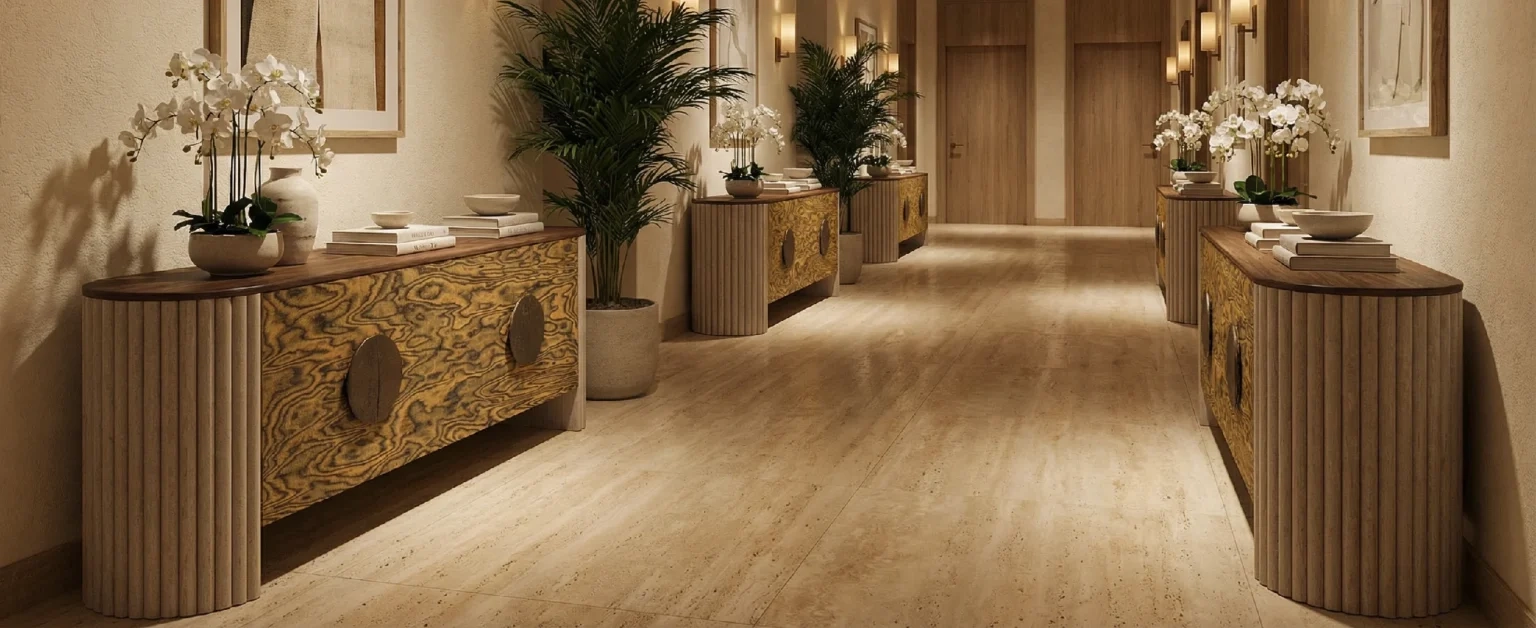
Sculptural sideboards dominate contemporary luxury interiors. These pieces blur the line between furniture and art, often featuring bold silhouettes, asymmetrical volumes, and unexpected proportions.
Designers frequently use materials such as carved wood, cast metal, or resin to create dramatic forms. Instead of blending into the background, these sideboards command attention and act as centerpieces within a room.
Curved edges, monolithic bases, and fluid geometries characterize this style. Many high-end studios draw inspiration from collectible design, producing limited-edition pieces that emphasize uniqueness and craftsmanship.
For interior designers, sculptural sideboards offer an opportunity to introduce a strong visual narrative without overwhelming the entire space. They work particularly well in minimalist interiors where each element carries significant weight.
2. Minimalist Monolithic Designs
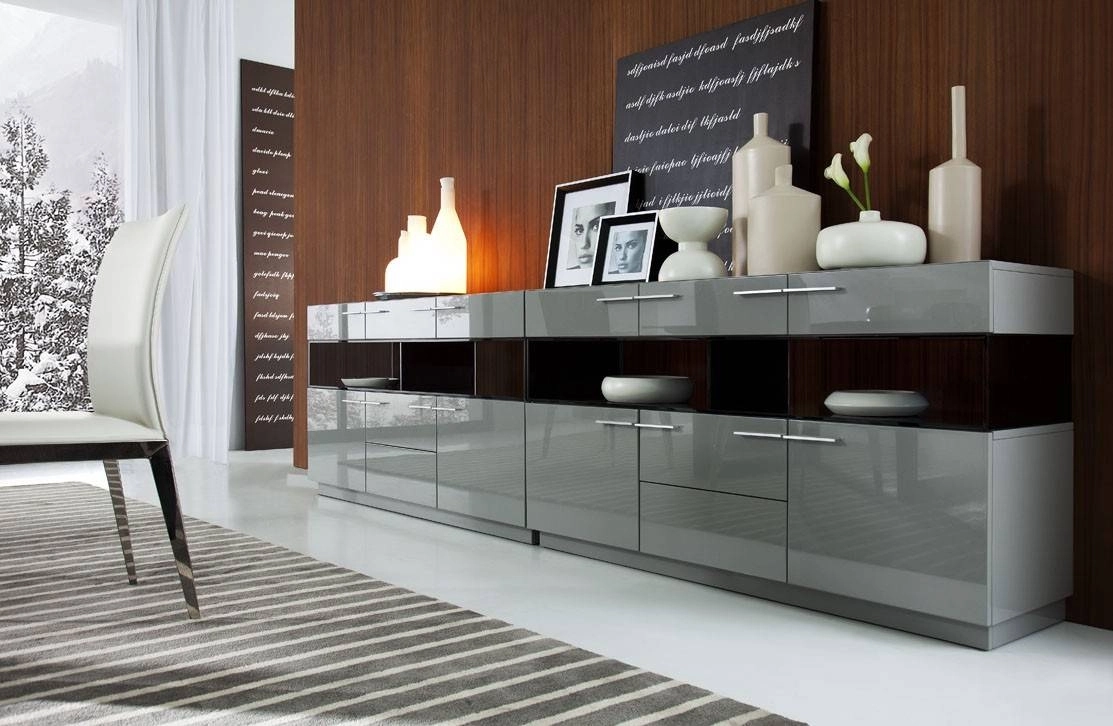
At the opposite end of the spectrum, minimalist monolithic sideboards focus on clean lines, refined proportions, and material purity. These designs often feature seamless surfaces, concealed handles, and a restrained color palette.
Stone, lacquer, and high-quality wood veneers dominate this category. The emphasis lies in precision—perfect joints, flawless finishes, and subtle detailing that reveals itself upon closer inspection.
Monolithic sideboards align perfectly with contemporary architectural spaces, especially those influenced by modernist principles. They integrate effortlessly into interiors that prioritize openness, natural light, and spatial clarity.
Luxury design studios often specify these sideboards for high-end residential projects where the architecture itself takes center stage. The furniture complements rather than competes, creating a cohesive and sophisticated environment.
3. Mixed-Material Masterpieces
One of the most exciting trends in sideboard designs involves the combination of contrasting materials. Designers experiment with pairings such as wood and metal, marble and glass, or leather and stone to create layered, tactile compositions.
These sideboards showcase a high level of craftsmanship. Each material requires different fabrication techniques, and their integration demands precision and expertise. The result is a piece that feels rich, dynamic, and visually engaging.
For example, a sideboard might feature a marble top, a wood body, and brushed brass detailing. This combination not only enhances durability but also introduces depth and texture to the space.
Mixed-material sideboards resonate strongly with luxury interiors because they reflect a curated approach. They allow designers to echo multiple finishes used throughout a project, tying together different elements into a cohesive design language.
4. Retro-Inspired Contemporary Designs
Mid-century influences continue to shape modern luxury interiors, and sideboards play a key role in this revival. However, today’s interpretations move beyond nostalgia, incorporating updated materials, finishes, and proportions.
These designs often feature tapered legs, rounded corners, and rhythmic paneling, but with a contemporary twist. High-gloss lacquers, bold color accents, and innovative hardware elevate the classic aesthetic.
Retro-inspired sideboards bring warmth and character to interiors, making them ideal for residential spaces that aim to feel inviting yet refined. They also pair well with eclectic design schemes, where different eras and styles coexist.
Furniture brands frequently revisit archival designs, reimagining them for modern audiences. This approach bridges the gap between heritage and innovation, creating pieces that feel both familiar and fresh.
5. Modular and Customizable Systems
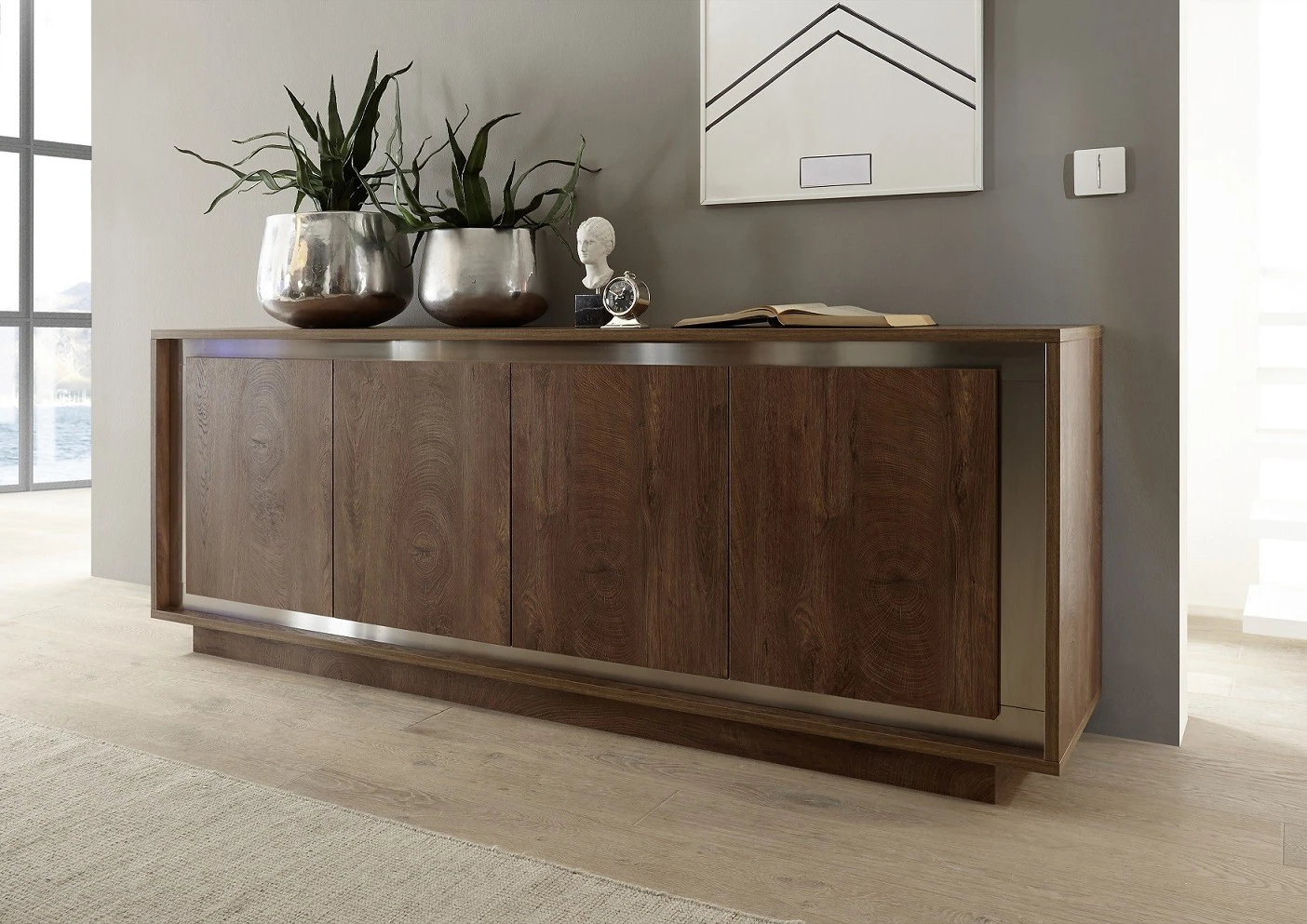
Flexibility has become a defining feature of modern luxury interiors, and modular sideboard designs reflect this shift. These systems allow designers to configure storage units according to specific spatial and functional requirements.
Modules can vary in size, finish, and configuration, enabling endless customization. Open shelving, closed cabinets, integrated lighting, and even multimedia components can be combined within a single design.
Architects and interior designers value this adaptability, especially in projects where space planning plays a critical role. Modular sideboards can evolve alongside the needs of the client, offering long-term functionality without compromising aesthetics.
In luxury contexts, customization extends beyond configuration. Clients often select bespoke finishes, unique materials, or tailored dimensions, ensuring that each piece aligns perfectly with the overall design vision.
The Role of Sideboard Designs in Luxury Interiors
Sideboard designs now serve multiple purposes within modern interiors. They provide storage, define spatial zones, and contribute to the overall aesthetic narrative. In open-plan layouts, they often act as subtle dividers, helping to organize space without disrupting visual flow.
Material selection plays a crucial role in their impact. Designers carefully choose finishes that complement flooring, wall treatments, and other furniture elements. A well-designed sideboard can unify a room, creating a sense of harmony and balance.
Lighting also enhances their presence. Integrated LED systems, backlit panels, or strategically placed ambient lighting can highlight textures and emphasize form, transforming the sideboard into a visual feature.
Craftsmanship and Detail as Differentiators
In the luxury segment, craftsmanship remains a key differentiator. High-end sideboard designs showcase meticulous attention to detail—from seamless joinery to hand-finished surfaces.
Artisans often spend hours refining edges, aligning grain patterns, and perfecting finishes. These details may appear subtle, but they significantly elevate the perceived quality of the piece.
For furniture brands, investing in craftsmanship not only enhances product value but also strengthens brand identity. Clients recognize and appreciate the difference, especially in bespoke or limited-edition collections.
A Defining Element of Contemporary Spaces
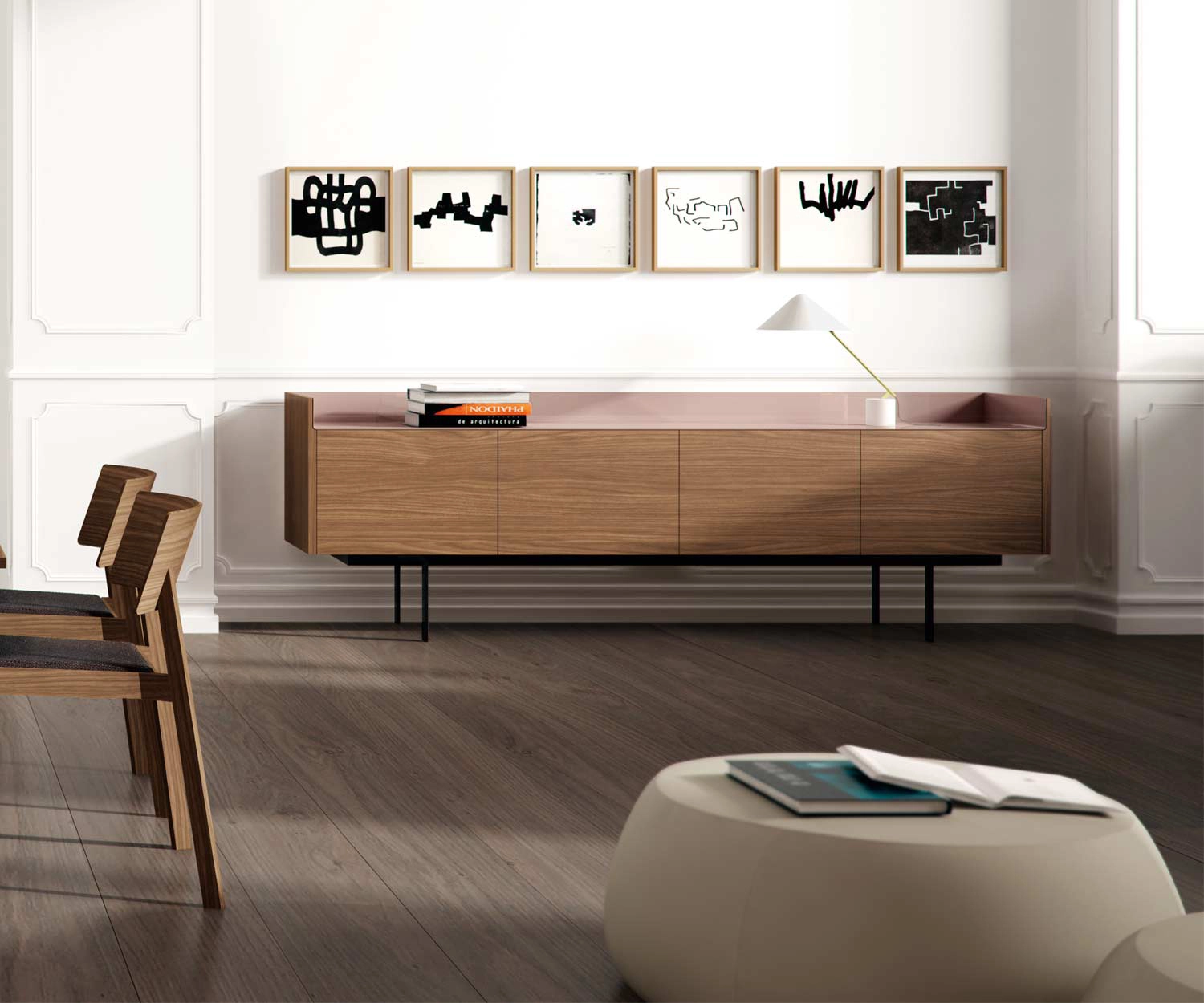
As interior design continues to evolve, sideboard designs maintain their relevance by adapting to new trends and technologies. They reflect broader shifts in how spaces function and how people interact with their environments.
Whether sculptural or minimalist, traditional or modular, the most successful designs share a common trait: they balance form and function while contributing to a cohesive interior vision.
For interior designers, architects, and luxury brands, sideboards offer a powerful design tool. They provide an opportunity to experiment with materials, introduce statement elements, and enhance spatial composition—all within a single piece of furniture.
In modern luxury interiors, the sideboard is no longer secondary. It stands at the forefront of design, shaping the way spaces look, feel, and perform.