Saudi Arabia’s Rising Luxury Interior Designers Transforming Vision 2030 Architecture

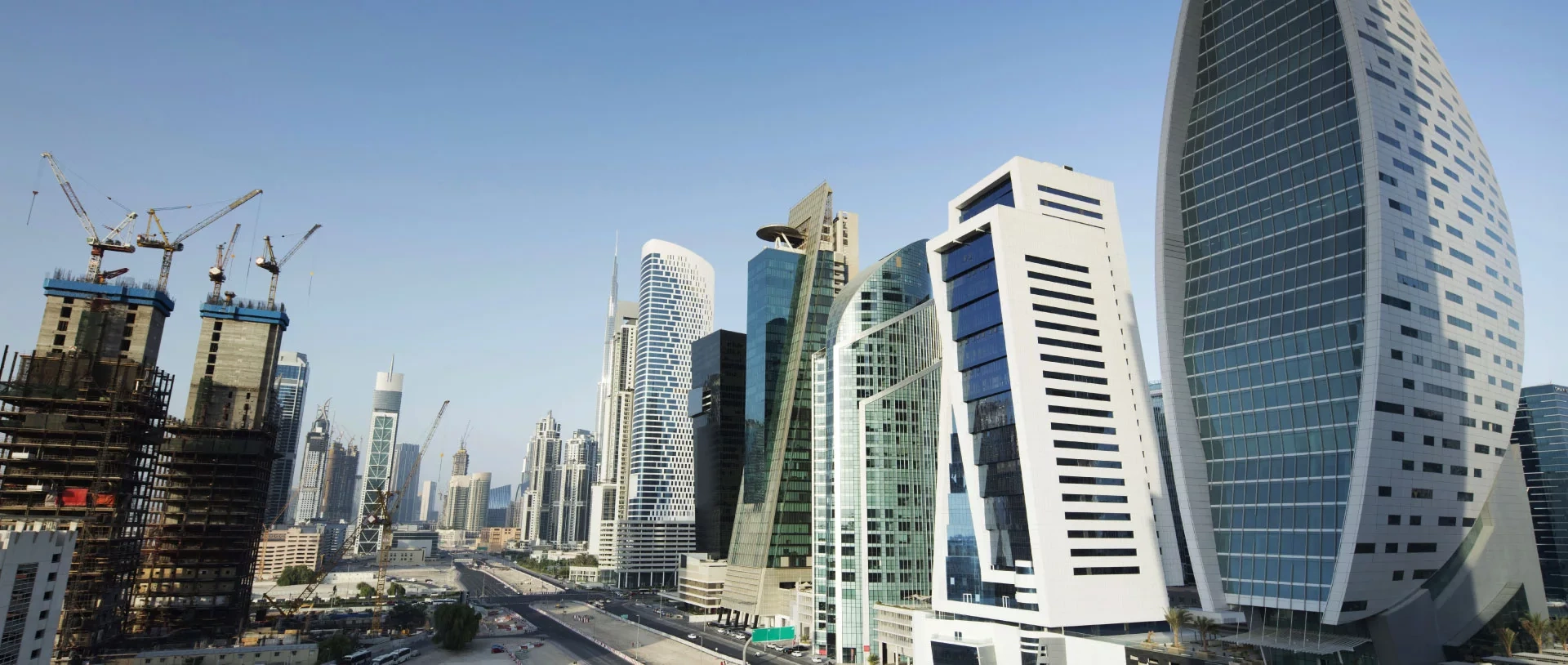
Saudi Arabia has entered a defining design era. Large-scale development, cultural investment, and global attention now converge around Vision 2030, the country’s long-term economic and cultural transformation strategy. Within that transformation, a new generation of Luxury Interior designers has begun reshaping how architecture feels from the inside.
These designers do more than decorate prestigious buildings. They translate national ambition into spatial identity. Through materials, craftsmanship, lighting, furniture design, and cultural storytelling, they help define what modern Saudi luxury looks like. For interior designers, furniture brands, architects, and luxury design studios around the world, the rise of Saudi Arabia’s design voices offers important insights into the future of Middle Eastern architecture and high-end interiors.
Why Saudi Arabia Has Become a Global Luxury Interior Design Hub
The rapid development of cultural districts, hospitality destinations, and next-generation cities has created unprecedented opportunities for design. Massive architectural projects require interiors that match their ambition. That demand has accelerated the growth of the country’s Luxury Interior design sector.
Several factors drive this shift.
First, Vision 2030 encourages local creative leadership. Saudi designers now participate more actively in projects that once relied almost exclusively on international firms.
Second, luxury tourism, hospitality, and residential development continue expanding across the country. Destinations such as the Red Sea coast, Riyadh, and historic regions require refined interior environments that blend global standards with local identity.
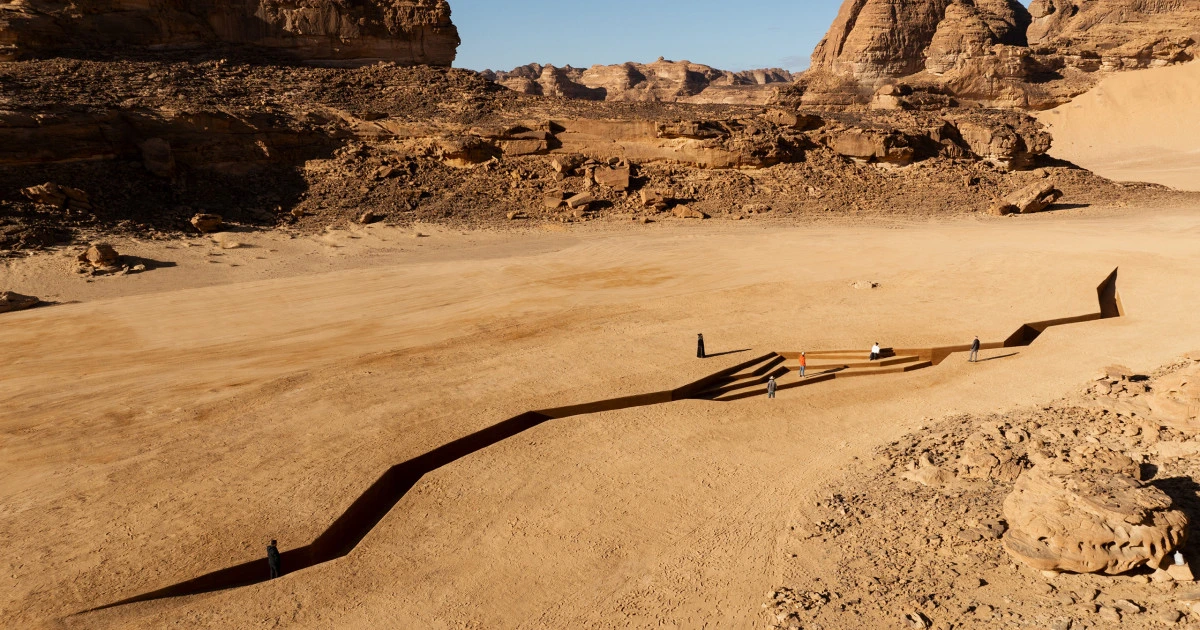
Third, the design market increasingly values authenticity. Saudi designers bring cultural fluency that global firms cannot always replicate. They understand traditional materials, Islamic geometric patterns, regional craft, and climate-responsive spatial planning.
As a result, the new generation of Luxury Interior designers in Saudi Arabia has become a critical force shaping the interiors of Vision 2030 architecture.
What Defines Saudi Arabia’s Emerging Luxury Interior Style
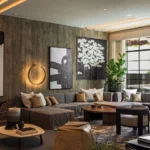
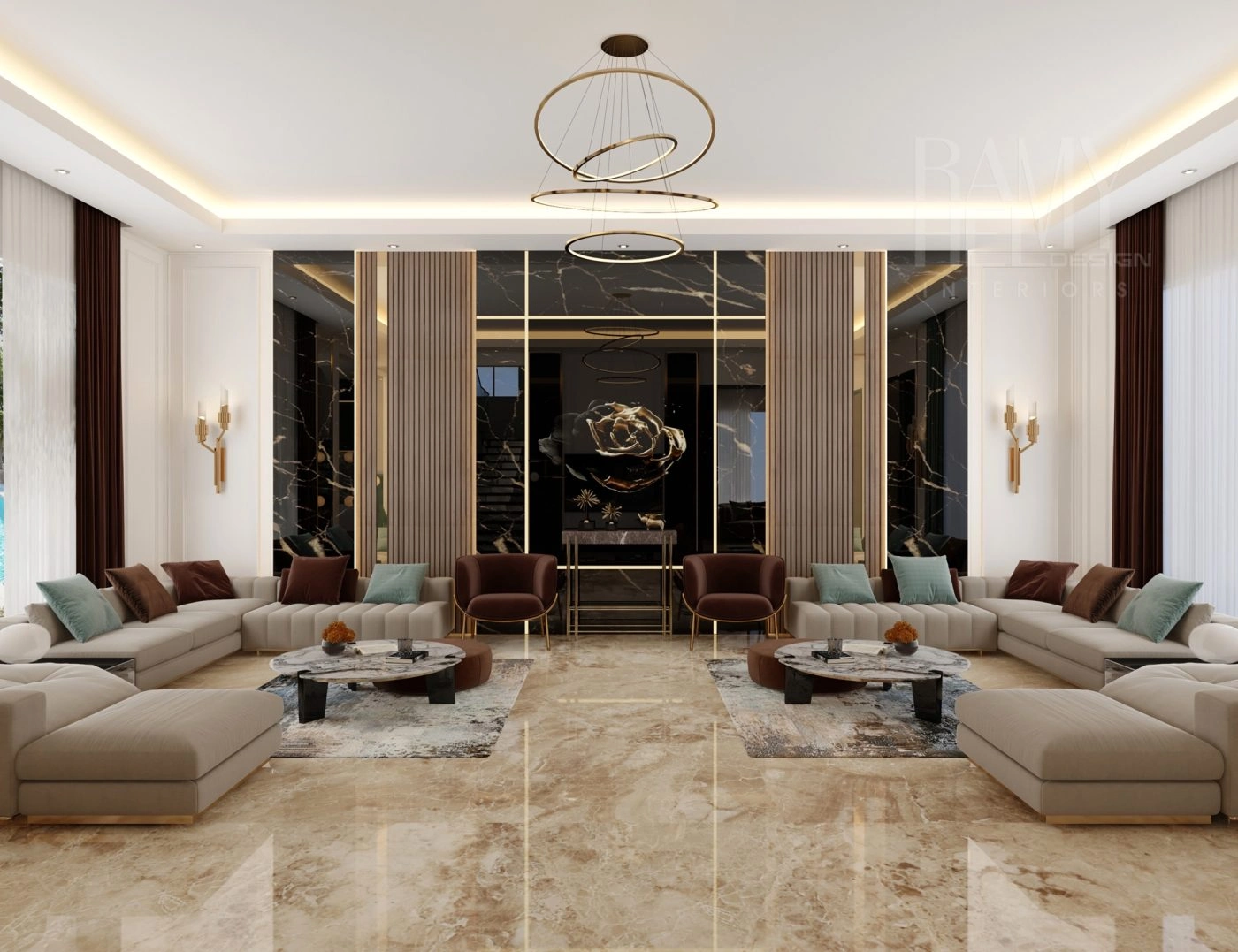
The country’s rising design language reflects both heritage and innovation. Rather than copying Western luxury aesthetics, many Saudi designers build an approach rooted in regional craft, desert landscapes, and architectural history.
Several design principles now define the evolving Luxury Interior style of the region.
Cultural Storytelling
Interior spaces often incorporate references to Islamic geometry, Arabic calligraphy, desert landscapes, and historic trade routes. These references appear through pattern, spatial rhythm, and material selection.
Material Depth and Craftsmanship
Luxury interiors increasingly showcase stone, carved wood, metalwork, textiles, and custom furniture that highlight traditional craft techniques alongside contemporary fabrication.
Architectural Integration
Rather than treating interiors as separate layers, designers work closely with architects from the start. Walls, ceilings, furniture, and lighting often feel structurally integrated.
Atmospheric Lighting
Lighting design plays a central role. Designers use filtered illumination, sculptural fixtures, and architectural light wells to create dramatic contrasts between shadow and glow.
Modern Minimalism With Regional Identity
Many projects combine contemporary restraint with cultural richness. Clean volumes provide calm backdrops for handcrafted elements and artistic details.
These principles define how the next generation of Luxury Interior designers contributes to Saudi Arabia’s architectural future.
Rising Saudi Luxury Interior Designers to Watch
Several designers and studios now shape the design narrative of Vision 2030 architecture. Their work influences hospitality, residential, cultural, and commercial interiors across the region.
1. Hatem Alakeel
Hatem Alakeel has gained recognition for blending Saudi heritage with contemporary luxury aesthetics. His design approach often incorporates traditional craftsmanship and cultural symbolism while maintaining a modern, refined atmosphere.
For design professionals, his work demonstrates how Luxury Interior design can communicate identity without relying on historical imitation. His projects often show careful control of materials, lighting, and artisanal details.
2. Nojoud Alsudairi
Nojoud Alsudairi has emerged as a powerful voice within Saudi design culture. Her work focuses on elevating regional craft and cultural narratives in modern interiors.
She approaches Luxury Interior design as a platform for cultural storytelling. Instead of treating tradition as decorative reference, she integrates it into the spatial concept itself. That philosophy resonates strongly with Vision 2030’s emphasis on cultural preservation alongside modernization.
3. Noura Suleiman
Noura Suleiman represents a generation of Saudi designers who confidently navigate international luxury standards while maintaining regional authenticity. Her interiors often feature refined material palettes, contemporary forms, and subtle cultural cues.
For architects and luxury studios, her work illustrates how Luxury Interior design can bridge cultural context and global hospitality expectations.
4. Emerging Vision 2030 Design Studios
Beyond individual designers, several emerging Saudi design studios now collaborate with international architects on major projects tied to Vision 2030 developments. These studios contribute interior concepts for luxury hotels, cultural institutions, museums, and residential developments.
Their work demonstrates how local designers help shape the experiential dimension of architecture. They define how visitors, residents, and guests emotionally experience these ambitious environments.
Vision 2030 Projects Driving Interior Design Innovation
The scale of Vision 2030 architecture has created an environment where Luxury Interior designers can experiment, innovate, and collaborate at unprecedented levels.
Several development types lead this transformation.
Ultra-Luxury Hospitality
Saudi Arabia’s new tourism destinations require world-class hospitality interiors. Designers craft immersive environments that combine global luxury standards with regional materials and storytelling.
Cultural Institutions and Museums
Museums and cultural centers require interiors that communicate heritage while supporting contemporary exhibition design. Interior designers often work closely with curators and architects to achieve that balance.
High-End Residential Developments
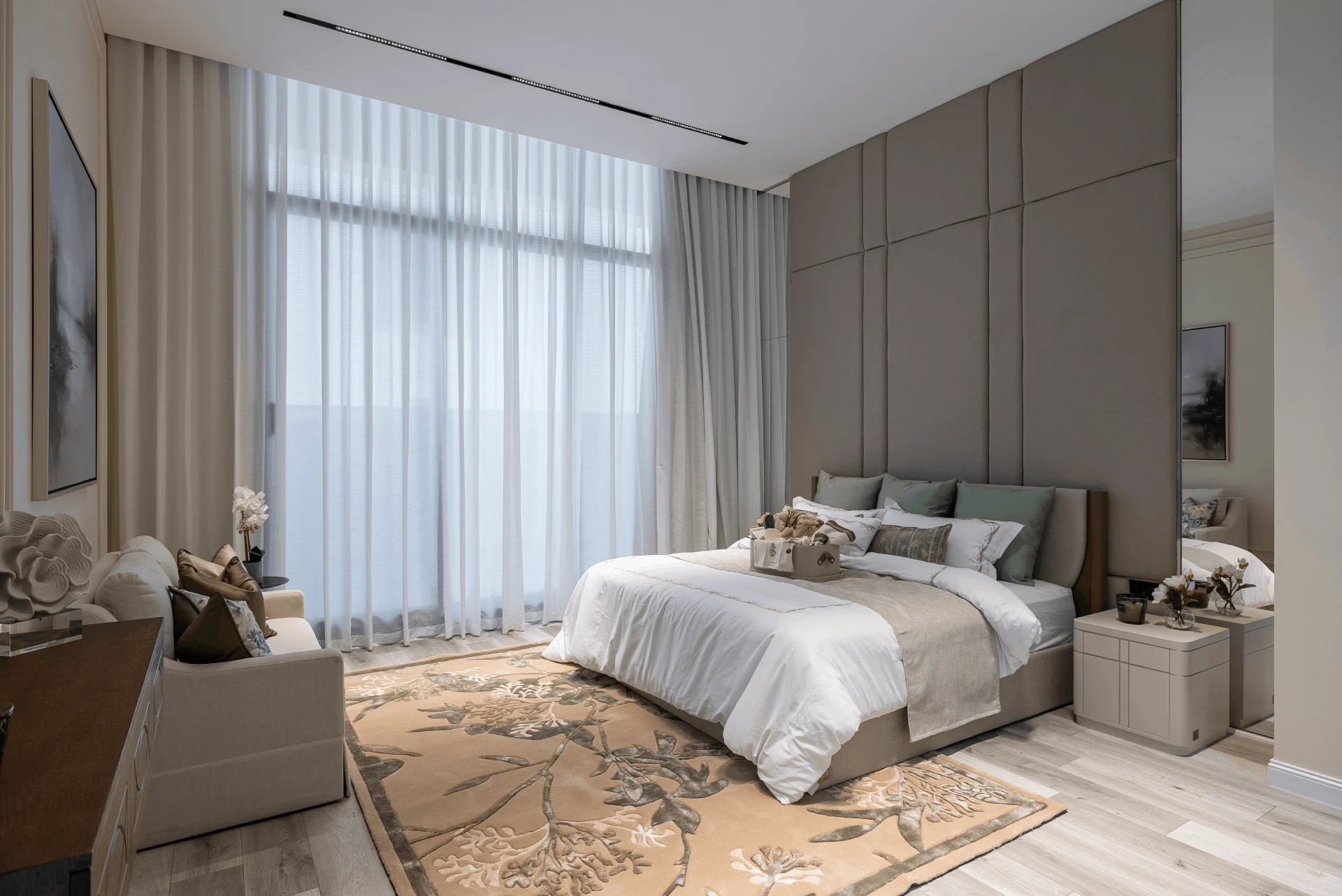
Luxury residences connected to Vision 2030 projects demand personalized interiors, bespoke furniture, and custom materials that reflect international luxury expectations.
Mixed-Use Urban Developments
New urban districts require integrated design strategies. Interior designers help shape retail spaces, restaurants, cultural venues, and residential environments that contribute to cohesive urban experiences.
Through these projects, Saudi Luxury Interior designers actively influence how architecture translates into lived experience.
Opportunities for International Collaboration
Saudi Arabia’s design expansion has opened new opportunities for collaboration between local talent and international design firms. Many projects combine Saudi Luxury Interior designers with global architects, lighting designers, furniture brands, and material specialists.
For furniture brands and luxury studios, this environment offers several opportunities:
- custom furniture collaborations for hospitality projects
- artisan material sourcing and fabrication partnerships
- curated collectible design pieces for luxury developments
- cross-cultural design research and innovation
These partnerships often produce interiors that feel both globally sophisticated and deeply connected to local culture.
Why Saudi Arabia’s Luxury Interior Designers Matter Globally
The rise of Saudi Luxury Interior designers reflects more than a regional design trend. It signals a broader shift in global design culture. Countries that once imported luxury design narratives now create their own.
Saudi designers combine cultural heritage, contemporary aesthetics, and large-scale architectural opportunity. Their work introduces new visual languages to international hospitality, residential design, and cultural architecture.
For interior designers, architects, furniture brands, and luxury studios, understanding this design movement provides valuable perspective on how luxury evolves across cultures.
Innovation in the East
Saudi Arabia’s Vision 2030 has created one of the most ambitious architectural transformations of the twenty-first century. Within that transformation, a new generation of Luxury Interior designers now defines how these spaces feel, function, and inspire.
Their work blends tradition with innovation, craftsmanship with technology, and cultural identity with global luxury expectations. As new cities, cultural institutions, and hospitality destinations rise across the country, these designers will continue shaping the interiors that give Saudi architecture its human dimension.
For design professionals worldwide, the message is clear: the future of luxury interior design increasingly includes Saudi Arabia as one of its most dynamic creative centers.