Palazzo Versace Dubai: A Masterclass in Fashion-Driven Luxury Interior Design

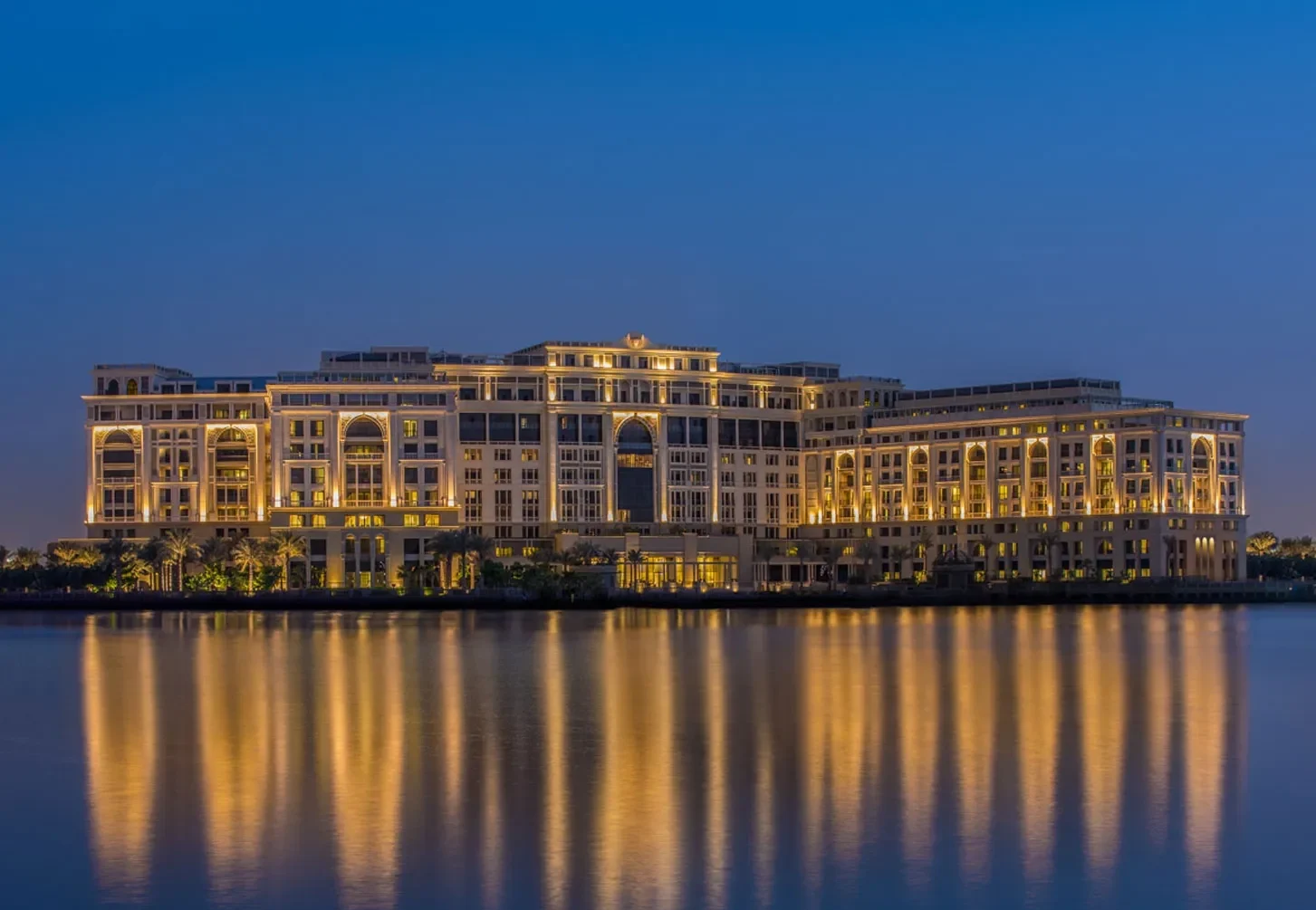
In the realm of hospitality design, Palazzo Versace Dubai stands as a defining example of how fashion can shape interior architecture at the highest level. Located along the Dubai Creek, the property translates the identity of the Versace brand into a fully immersive spatial experience. For interior designers and architects, Palazzo Versace Dubai offers a compelling case study in how textile, pattern, and craftsmanship can extend beyond fashion into built environments. Moreover, it demonstrates how luxury interior design can become a cohesive narrative that connects architecture, interiors, and lifestyle.
The Concept: Fashion as Interior Architecture
Palazzo Versace Dubai is conceived as a neoclassical palazzo infused with the unmistakable codes of the Versace brand. Rather than applying decorative motifs superficially, the design integrates fashion principles into the architectural framework.
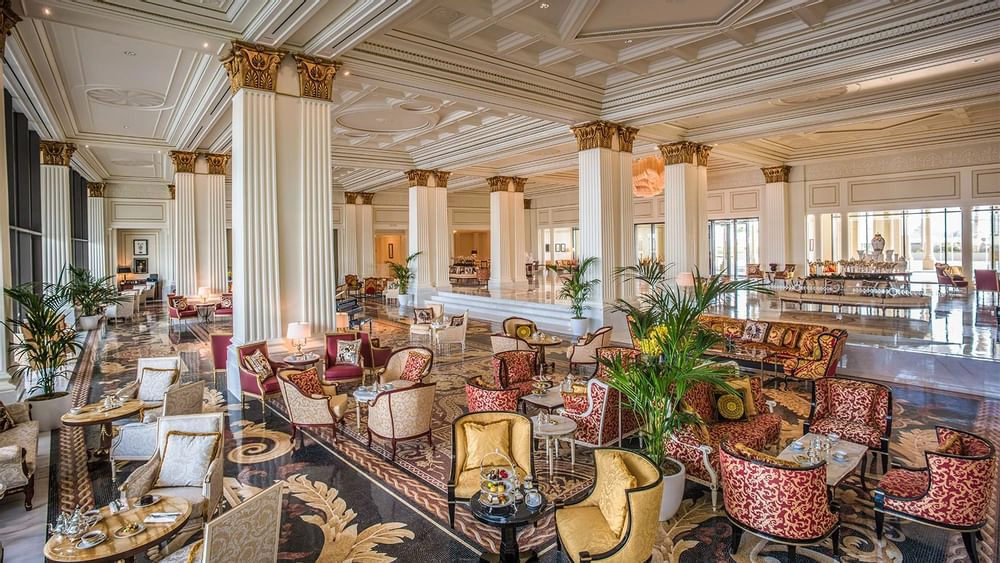
Symmetry, bold patterning, and rich material palettes define the spatial experience. Every element, from flooring to ceiling details, reflects a curated aesthetic that aligns with haute couture sensibilities. This approach transforms the hotel into more than a destination. It becomes a fully branded environment where interior design expresses identity with precision and consistency.
Signature Interior Design Elements
The interiors of Palazzo Versace Dubai are defined by a series of distinctive design strategies:
- Iconic Versace patterns integrated into floors and textiles
- Custom-designed furniture developed specifically for the property
- Rich color palettes combining gold, cream, and deep tones
- Marble surfaces that reinforce classical luxury
- Intricate detailing that reflects craftsmanship and heritage
These elements create a layered and visually expressive environment, offering a clear example of how branding and interior design can merge seamlessly.
Materiality and Craftsmanship
Material selection at Palazzo Versace Dubai is both opulent and highly controlled. The design emphasizes quality and detail, ensuring that every surface contributes to the overall narrative.
Marble is used extensively, often featuring intricate inlays that echo fashion patterns. Fabrics play a central role, with upholstery and drapery reflecting the richness associated with haute couture. Additionally, handcrafted details reinforce the sense of exclusivity. This focus on materiality highlights how luxury interiors can achieve depth through precision rather than excess.
Spatial Experience and Layout
The spatial composition of Palazzo Versace Dubai is designed to evoke grandeur while maintaining a sense of flow and cohesion. Public areas such as lobbies and lounges are expansive, with high ceilings and symmetrical layouts that enhance the architectural presence.
However, these grand spaces transition smoothly into more intimate environments, ensuring comfort and usability. Corridors, suites, and private areas are carefully proportioned, creating a balance between scale and intimacy. This layered spatial strategy demonstrates how large-scale hospitality projects can maintain a human-centered approach.
Amenities as Integrated Design Features
At Palazzo Versace Dubai, amenities are not separate from the design narrative but fully integrated into the overall experience:
- Lagoon-style pools surrounded by landscaped gardens
- Fine dining restaurants with distinct interior identities
- Spa facilities designed for relaxation and sensory comfort
- Private terraces that extend interior spaces outdoors
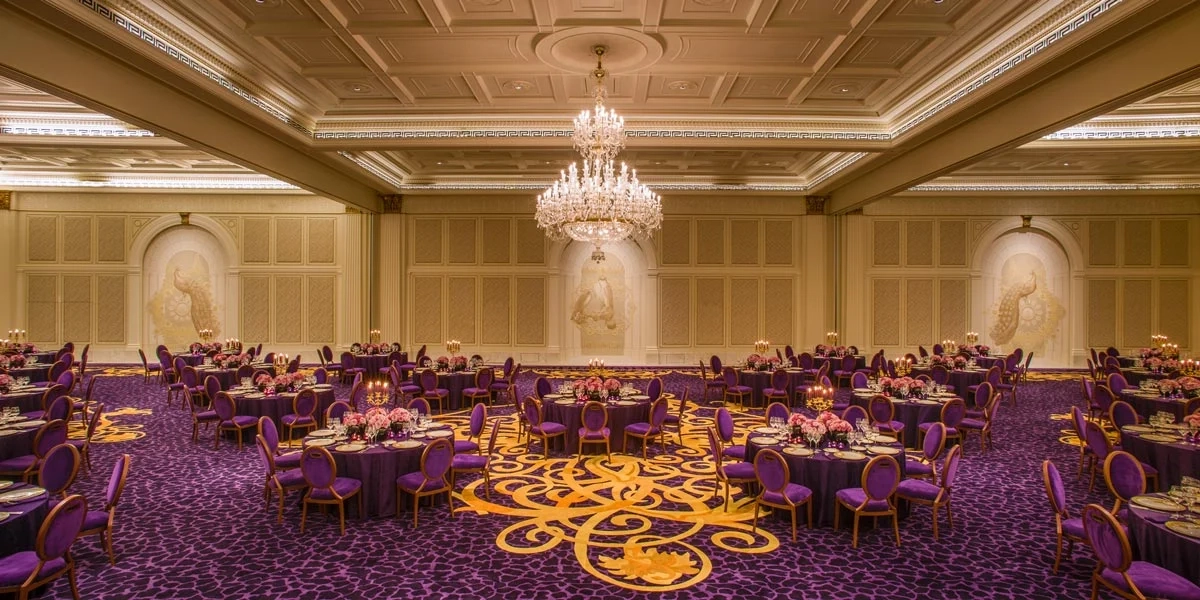
- Event spaces that combine scale with refined detailing
These amenities reinforce the idea that luxury interior design extends beyond rooms, shaping the entire lifestyle experience.
Suites and Residential Influence
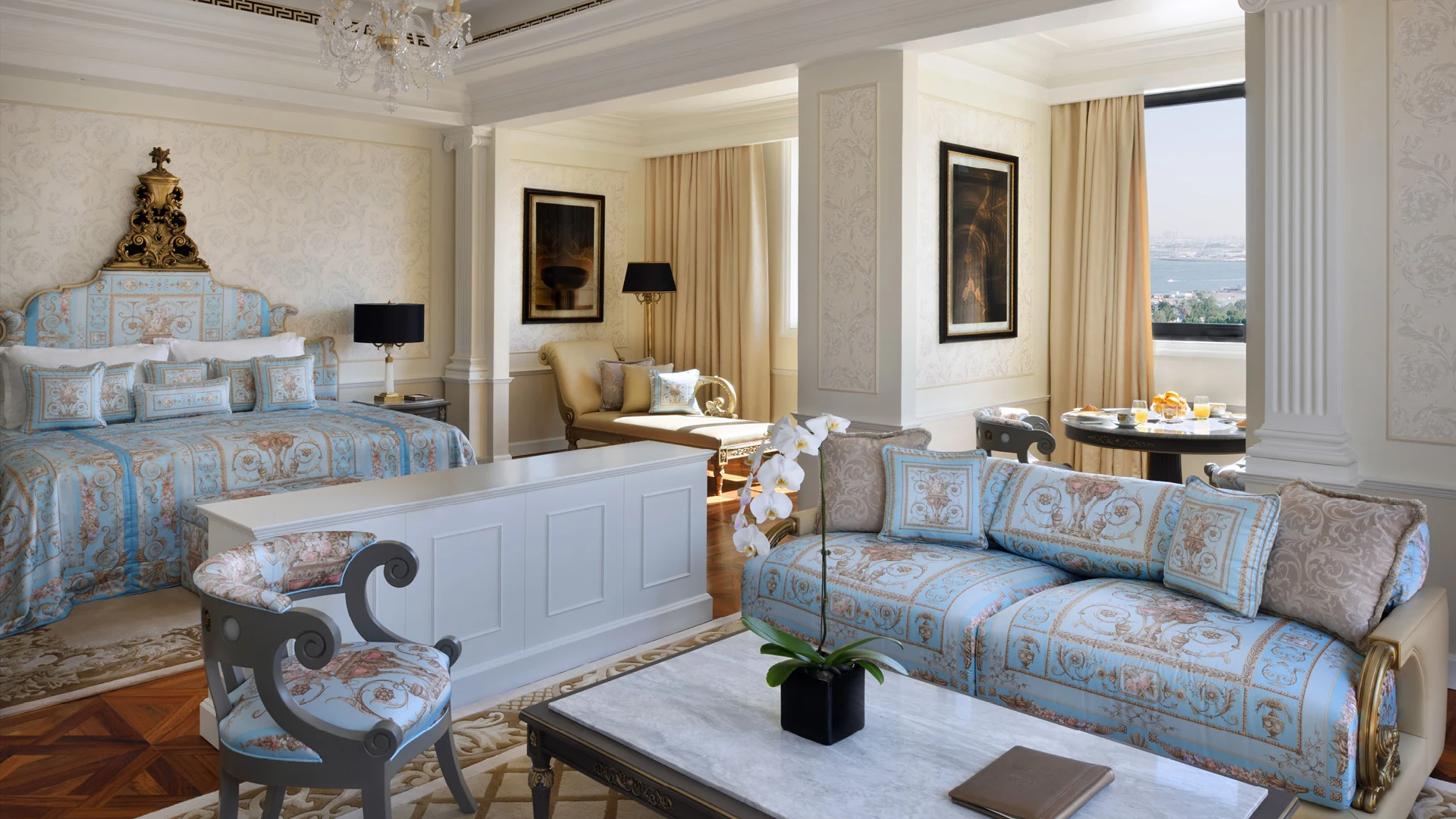
The suites at Palazzo Versace Dubai provide a strong reference for high-end residential design. Each suite is conceived as a complete living environment, where furniture, materials, and layout work together cohesively.
Large windows frame views of the waterfront, while interiors emphasize comfort through layered textiles and custom furnishings. Bathrooms are designed as spa-like retreats, featuring marble finishes and refined detailing. For designers, these suites illustrate how hospitality interiors can influence residential projects, particularly in the creation of cohesive and immersive living spaces.
Furniture and Custom Design Language
Furniture plays a central role in defining the identity of Palazzo Versace Dubai:
- Bespoke pieces that reflect the Versace aesthetic
- Sculptural forms that enhance architectural composition
- Upholstered elements that introduce comfort and texture
- Coordinated finishes that ensure visual cohesion
- Statement pieces that act as focal points
This approach ensures that furniture is fully integrated into the design language, reinforcing the overall narrative of the space.
Lighting and Visual Drama
Lighting at Palazzo Versace Dubai is designed to enhance both materiality and atmosphere. Large chandeliers create focal points in public spaces, adding a sense of drama and scale.
At the same time, softer lighting is used in private areas to create a more intimate ambiance. This layered approach allows the interiors to adapt to different functions and moods. Moreover, the interplay between natural and artificial light enhances textures and patterns, ensuring that the design remains dynamic throughout the day.
Lessons for Interior Designers and Architects
Palazzo Versace Dubai offers valuable insights for design professionals working in luxury environments:
- Integrate brand identity into every design element
- Use materials to reinforce narrative and quality
- Balance visual richness with spatial clarity
- Design amenities as part of the overall experience
- Ensure cohesion across architecture, interiors, and furniture
These principles highlight the importance of consistency and storytelling in high-end interior design.
The Influence of Fashion on Luxury Interiors
The success of Palazzo Versace Dubai underscores the growing relationship between fashion and interior design. By translating fashion codes into spatial environments, designers can create interiors that feel distinctive and immersive.
This approach is increasingly relevant in luxury projects, where clients seek unique and personalized experiences. Palazzo Versace Dubai demonstrates how fashion can inform not only aesthetics but also spatial composition and material selection, offering a new perspective on contemporary luxury.
Conclusion
Palazzo Versace Dubai represents a masterclass in fashion-driven luxury interior design, where every element contributes to a cohesive and immersive experience. Through its integration of architecture, materials, furniture, and amenities, the hotel sets a high standard for design excellence.
For interior designers, architects, and luxury design studios, it provides a powerful example of how branding and design can work together to create environments that are both visually striking and deeply engaging. As luxury interiors continue to evolve, the principles demonstrated by Palazzo Versace Dubai will remain highly influential in shaping the future of design.