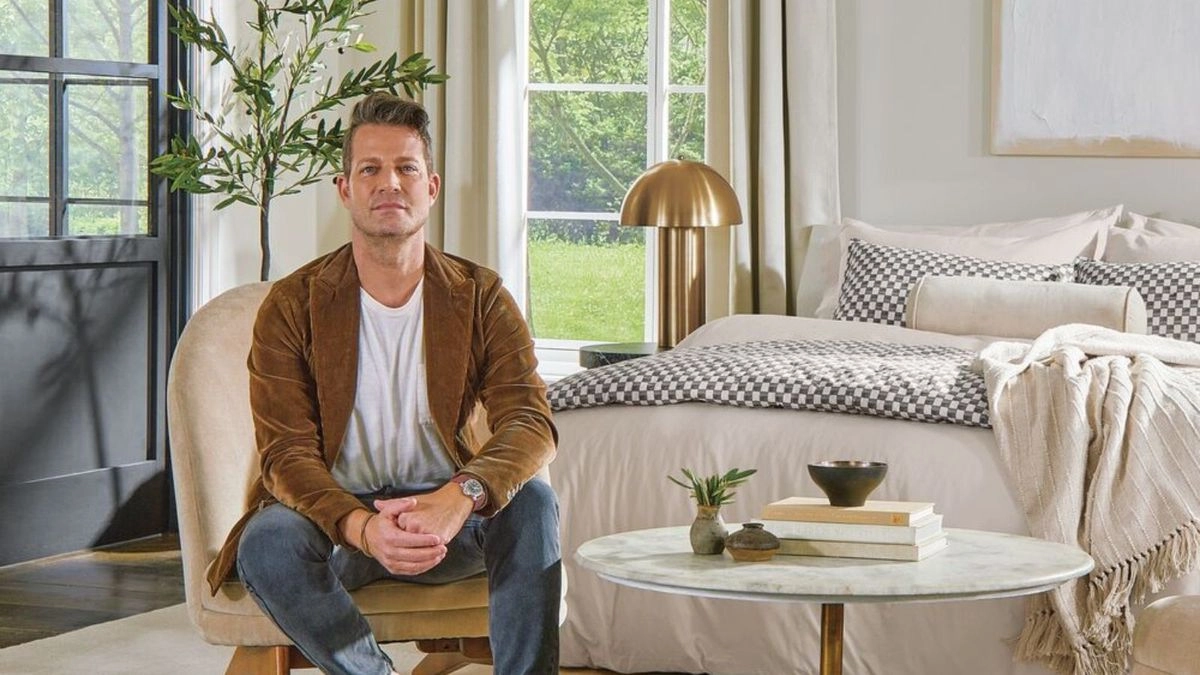
Nate Berkus has built a global reputation by redefining what modern interiors can feel like. His work blends refined aesthetics with emotional storytelling, creating spaces that feel deeply personal yet universally appealing. For interior designers, furniture brands, architects, and luxury design studios, his approach offers a compelling model of how to merge livable modernism with narrative-driven design.
Rather than pursuing minimalism for its own sake, Nate Berkus emphasizes meaning, memory, and materiality. His interiors invite people to live fully within them, not just admire them.
The Foundation of Livable Modernism
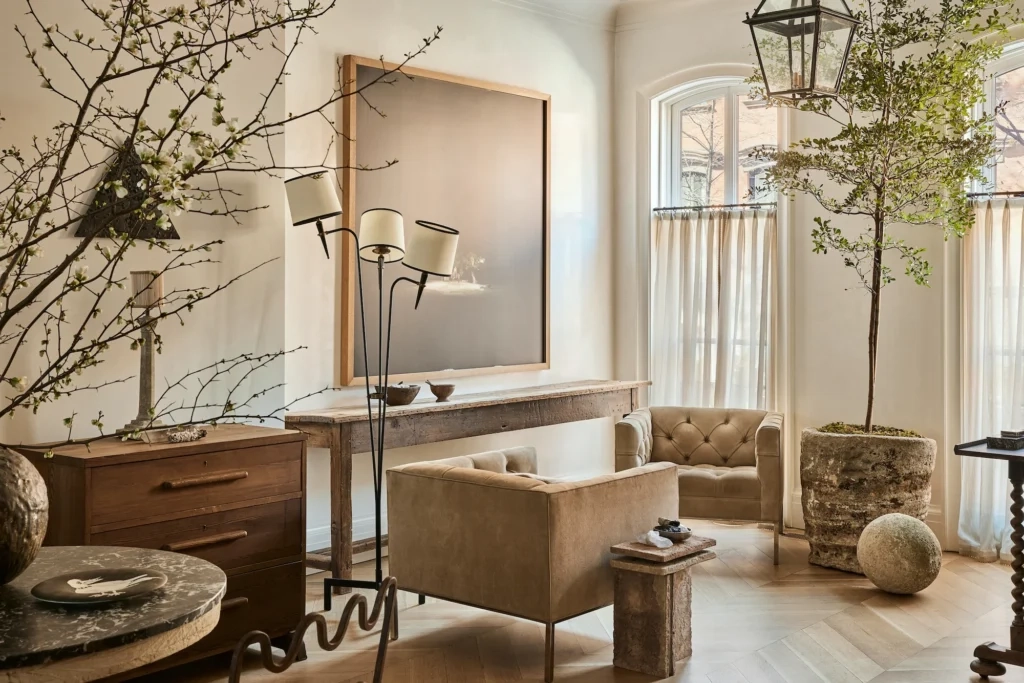
At the core of Nate Berkus’s philosophy lies a concept often described as “livable modernism.” This approach rejects cold, overly curated spaces in favor of environments that balance clean lines with warmth and comfort.
He often works with a restrained palette—neutral tones, natural textures, and timeless materials—but avoids sterility by layering elements that introduce depth. The result feels modern but never impersonal.
Key characteristics of his style include:
- Soft, neutral color schemes anchored by tactile materials
- A mix of contemporary and vintage furnishings
- Clean architectural lines softened by organic forms
- Functional layouts that prioritize everyday living
This balance resonates strongly with high-end residential and boutique hospitality projects, where clients seek sophistication without sacrificing comfort.
Designing with a Narrative
One of the defining aspects of Nate Berkus’s work is his focus on storytelling. He believes that every object in a space should have meaning, whether it’s a vintage find, a handcrafted piece, or a personal artifact.
Instead of designing from a purely visual perspective, he builds interiors around the lives and experiences of the people who inhabit them. This narrative-driven approach transforms spaces into reflections of identity.
For design professionals, this translates into:
- Curating pieces with history or emotional value
- Integrating travel-inspired elements and global influences
- Designing spaces that evolve over time rather than remain static
This philosophy aligns particularly well with luxury design studios that aim to create bespoke environments tailored to individual clients.
The Power of Layering Materials
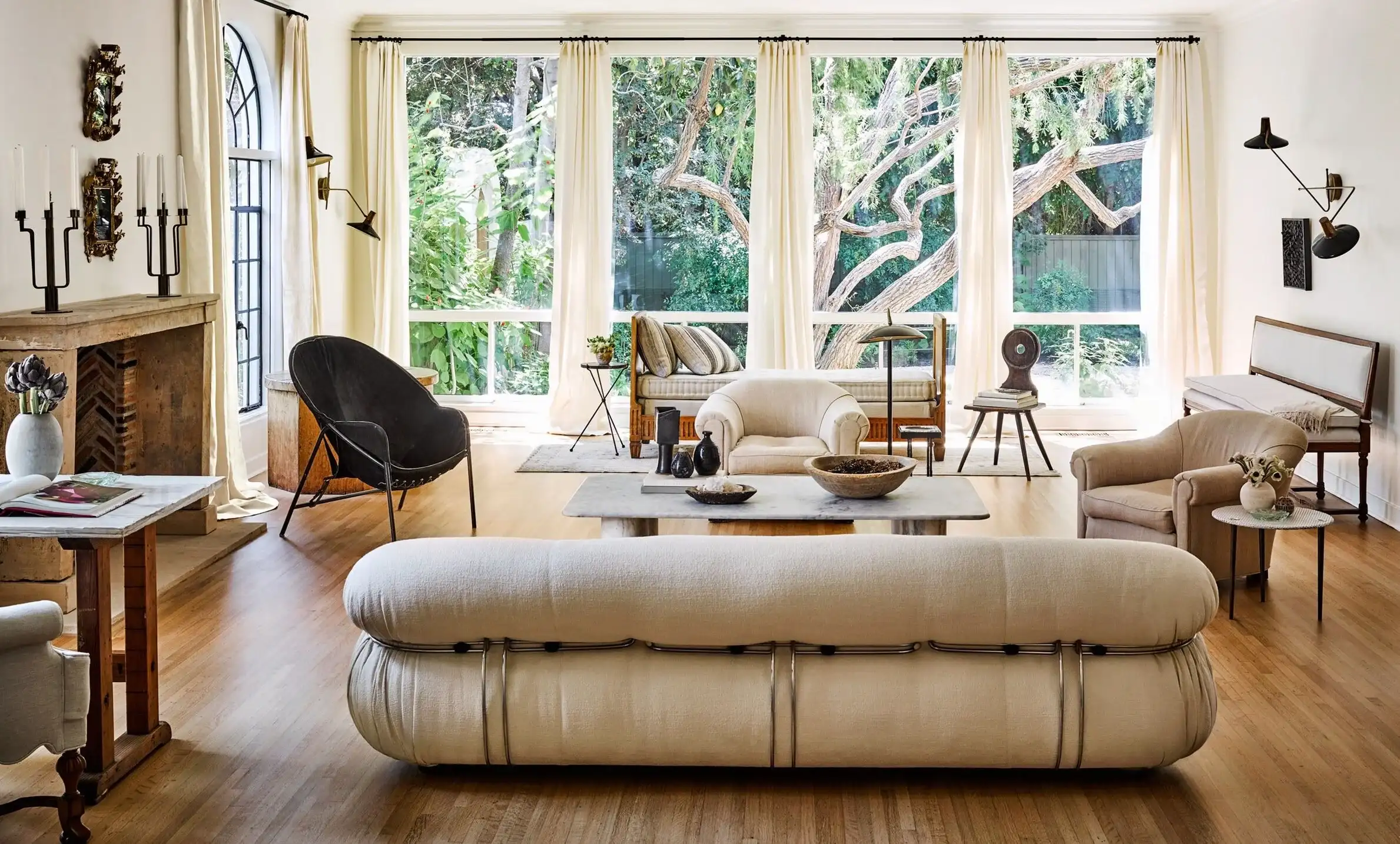
Material layering plays a crucial role in Nate Berkus’s interiors. He combines contrasting textures—such as linen, leather, wood, and metal—to create richness without overwhelming the space.
Rather than relying on bold colors or dramatic forms, he uses materials to introduce visual interest. A simple palette becomes dynamic through variation in texture and finish.
Common combinations include:
- Weathered wood paired with polished stone
- Soft textiles layered over structured furniture
- Aged metals contrasted with smooth ceramics
For furniture brands, this approach highlights the importance of tactile quality and craftsmanship. Pieces must not only look refined but also feel authentic and enduring.
Blending Vintage and Contemporary Elements
Another hallmark of Nate Berkus’s style is his seamless integration of vintage and modern pieces. He often incorporates antiques or one-of-a-kind finds into otherwise contemporary settings.
This mix prevents interiors from feeling overly uniform or mass-produced. It also reinforces the narrative aspect of his work, as vintage items carry their own stories.
Design strategies include:
- Pairing mid-century furniture with modern upholstery
- Using antique accessories to add character to new spaces
- Combining bespoke pieces with curated market finds
For architects and designers, this approach encourages a more layered and individualized aesthetic, especially in high-end residential projects.
Collaboration and Creative Synergy
Nate Berkus’s design journey often intersects with that of Jeremiah Brent, his husband and creative partner. Together, they have developed a design language that merges their individual sensibilities into a cohesive vision.
Their collaborative work emphasizes:
- Emotional resonance in design
- Attention to detail at every scale
- A balance between structure and spontaneity
This partnership has influenced a wide range of projects, from private residences to product collections, reinforcing the value of collaboration in the design process.
Expanding Influence Through Media and Retail
Beyond interior design, Nate Berkus has extended his influence through media and product design. His appearances on The Oprah Winfrey Show introduced his philosophy to a broad audience, positioning him as a leading voice in accessible luxury design.
He has also developed product lines that reflect his signature aesthetic—timeless, approachable, and rooted in quality materials. These collections allow furniture brands and retailers to connect with consumers seeking elevated yet livable design.
For industry professionals, his success demonstrates the importance of building a cohesive brand that spans multiple platforms while maintaining a clear design identity.
Architectural Sensibility in Interiors
Nate Berkus approaches interiors with a strong architectural mindset. He considers proportion, scale, and spatial flow as fundamental elements of design.
Rather than treating interiors as separate from architecture, he integrates them into a unified composition. This perspective is particularly valuable for architects and luxury studios working on ground-up projects.
Key principles include:
- Aligning furniture layouts with architectural lines
- Enhancing natural light through material selection
- Creating visual continuity between spaces
This holistic approach ensures that every element contributes to the overall experience of the environment.
Why Nate Berkus Resonates with Modern Design Professionals
The enduring appeal of Nate Berkus lies in his ability to humanize modern design. He proves that contemporary interiors can be both refined and deeply personal, structured yet flexible.
For interior designers, furniture brands, architects, and luxury design studios, his work highlights several important directions in the industry:
- A shift toward authenticity and storytelling
- Increased emphasis on material quality and craftsmanship
- The blending of global influences with local context
- The creation of spaces that prioritize real-life use
His approach aligns with the evolving expectations of clients who value meaning as much as aesthetics.
Final Thoughts
Nate Berkus continues to shape contemporary design through his distinctive blend of livable modernism and narrative depth. His interiors go beyond visual appeal, offering spaces that feel grounded, layered, and emotionally engaging.
As the design industry moves toward more personalized and experiential environments, his philosophy remains highly relevant. By combining clean lines with meaningful details, and modern forms with lived-in warmth, Nate Berkus sets a standard for creating interiors that truly resonate.
For professionals across the design spectrum, his work serves as a powerful example of how to craft spaces that are not only beautiful but also deeply connected to the people who inhabit them.