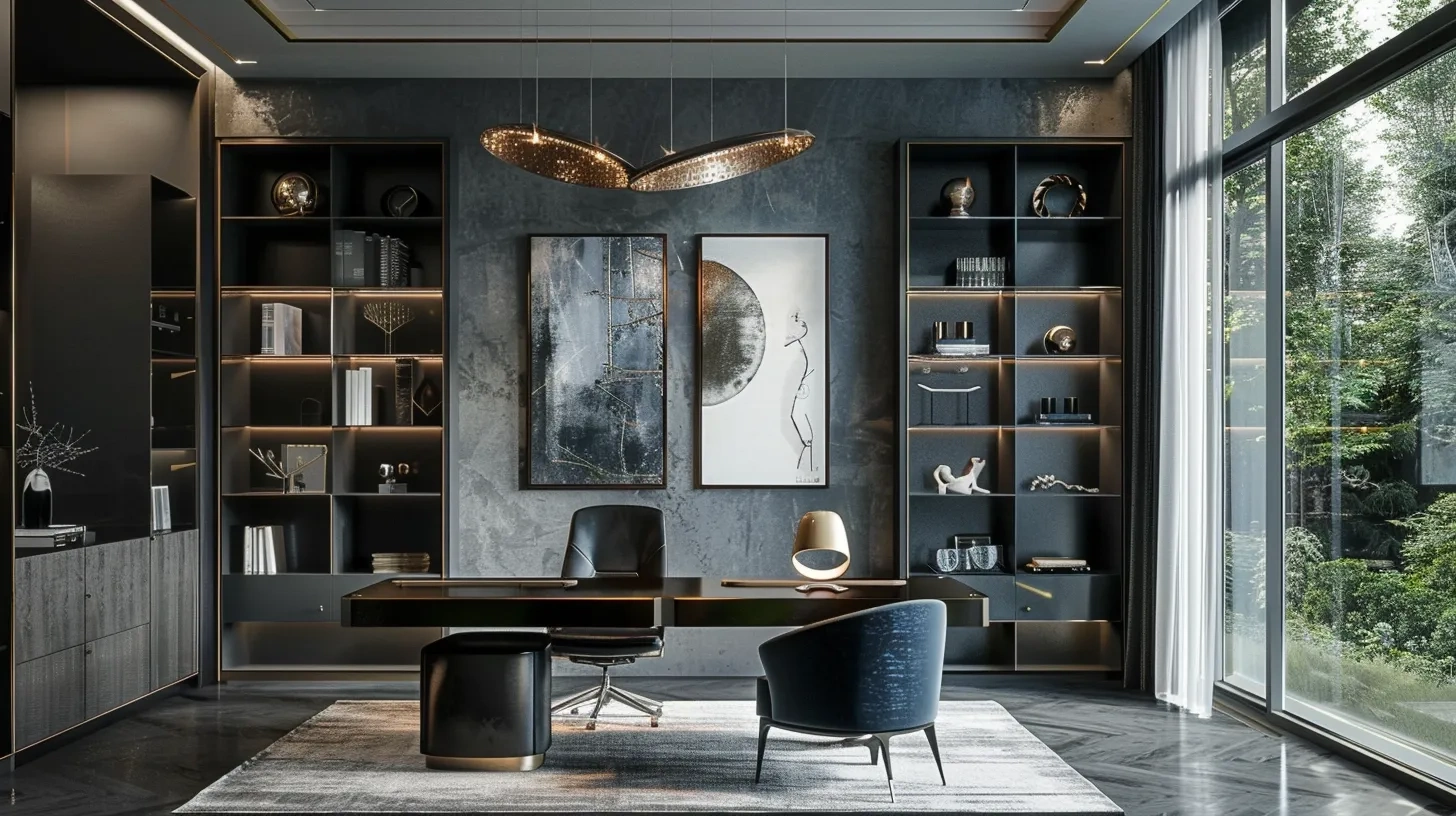
Monochrome luxury interiors have emerged as a defining trend in high-end design, offering a sophisticated alternative to more eclectic styles. By focusing on a single color palette, designers create spaces that emphasize harmony, balance, and visual clarity.
For interior designers and architects, monochrome schemes provide an opportunity to highlight form, texture, and materiality. Rather than relying on multiple colors, the focus shifts to subtle variations in tone and finish. This refined approach aligns with contemporary luxury, where restraint and precision define the overall aesthetic.
Core Elements of Monochrome Design
Key characteristics of monochrome luxury interiors include:
- Use of a single color palette with tonal variations
- Emphasis on texture and material contrast
- Clean lines and uncluttered spaces
- Integration of light and shadow
- High-quality finishes and detailing
- Cohesive and harmonious spatial composition
These elements define the essence of monochrome interiors.
The Power of Simplicity in Luxury Spaces
Simplicity is at the heart of monochrome luxury interiors, allowing designers to create spaces that feel calm and intentional. By reducing visual complexity, attention is directed toward architectural features and material quality.
This approach enhances the perception of space, making interiors feel more expansive and refined. For luxury projects, simplicity does not mean minimalism alone—it represents a careful balance between restraint and richness. The result is an environment that exudes elegance while maintaining a sense of comfort and livability.
Techniques for Achieving Simplicity
Designers often use:
- Minimalist layouts with clear spatial organization
- Limited decorative elements
- Consistent color schemes across surfaces
- Subtle transitions between materials
- Strategic use of negative space
- Focus on proportion and scale
These techniques define monochrome luxury interiors.
Materiality as a Design Driver
Material selection plays a crucial role in monochrome luxury interiors, where variation in texture replaces color diversity. Designers rely on materials to create depth and visual interest.
Natural stone, wood, metal, and textiles are often combined to achieve a layered effect. The interplay between matte and glossy finishes further enhances the aesthetic. By carefully selecting materials, designers can create interiors that feel dynamic and engaging, even within a neutral color palette.
Materials Commonly Used in Monochrome Interiors
Designers frequently incorporate:
- Marble and natural stone surfaces
- High-quality wood with subtle finishes
- Metals such as steel, brass, and chrome
- Glass elements for transparency
- Luxurious textiles like wool and velvet
- Matte and polished finishes for contrast
These materials define monochrome luxury interiors.
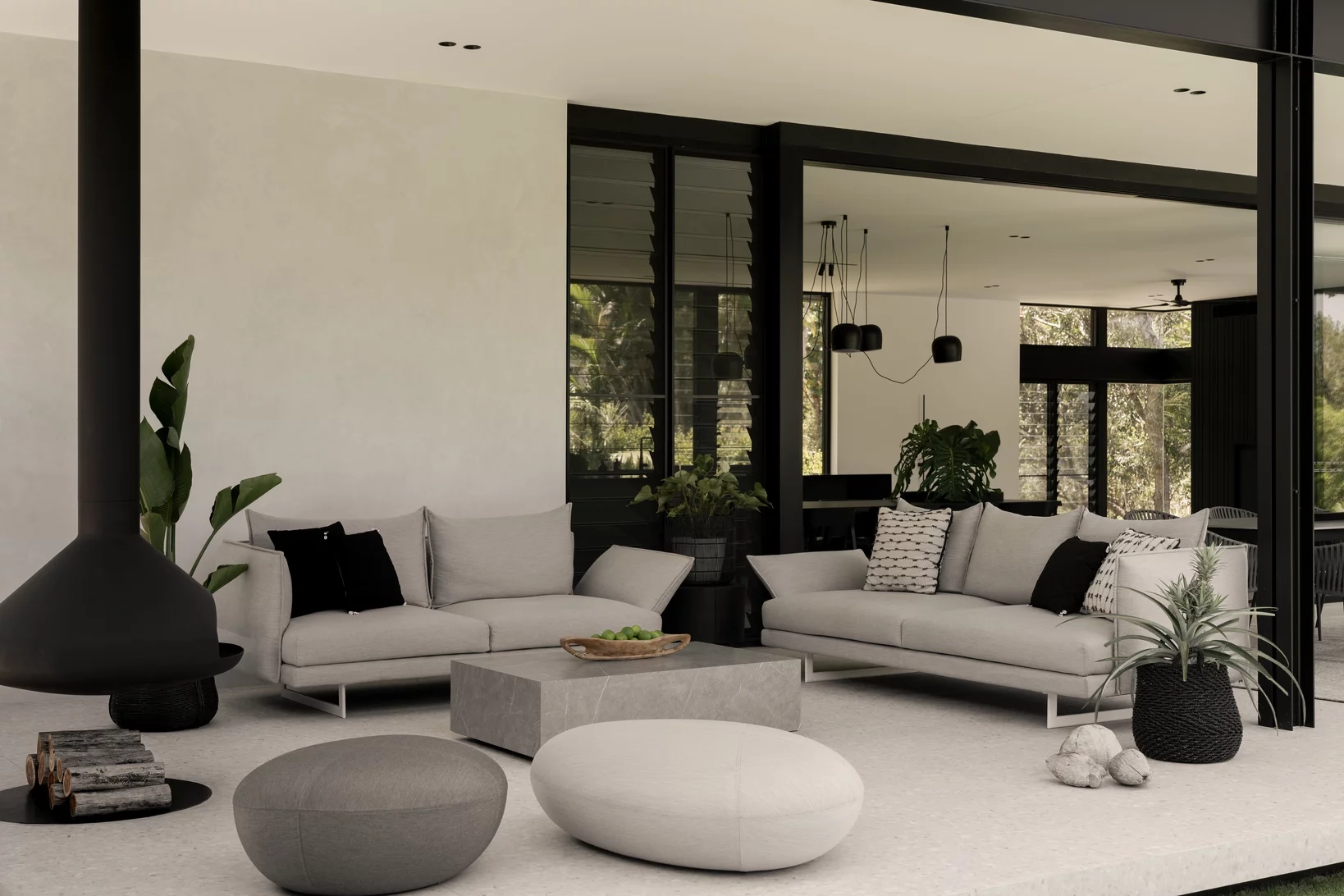
Light and Shadow: Enhancing Depth
Lighting is a critical component of monochrome luxury interiors, as it enhances depth and highlights materiality. Without a wide range of colors, light becomes a primary tool for creating visual interest.
Designers use both natural and artificial lighting to emphasize textures and architectural features. Shadows add dimension, transforming flat surfaces into dynamic elements. This interplay between light and shadow is essential in achieving a sophisticated and immersive monochrome environment.
Lighting Strategies in Monochrome Design
Common approaches include:
- Layered lighting for flexibility and depth
- Indirect lighting to create soft illumination
- Accent lighting highlighting textures
- Use of natural light through large windows
- Minimalist fixtures blending with the design
- Warm and cool tones to enhance contrast
These strategies elevate monochrome luxury interiors.
The Role of Furniture in Monochrome Spaces
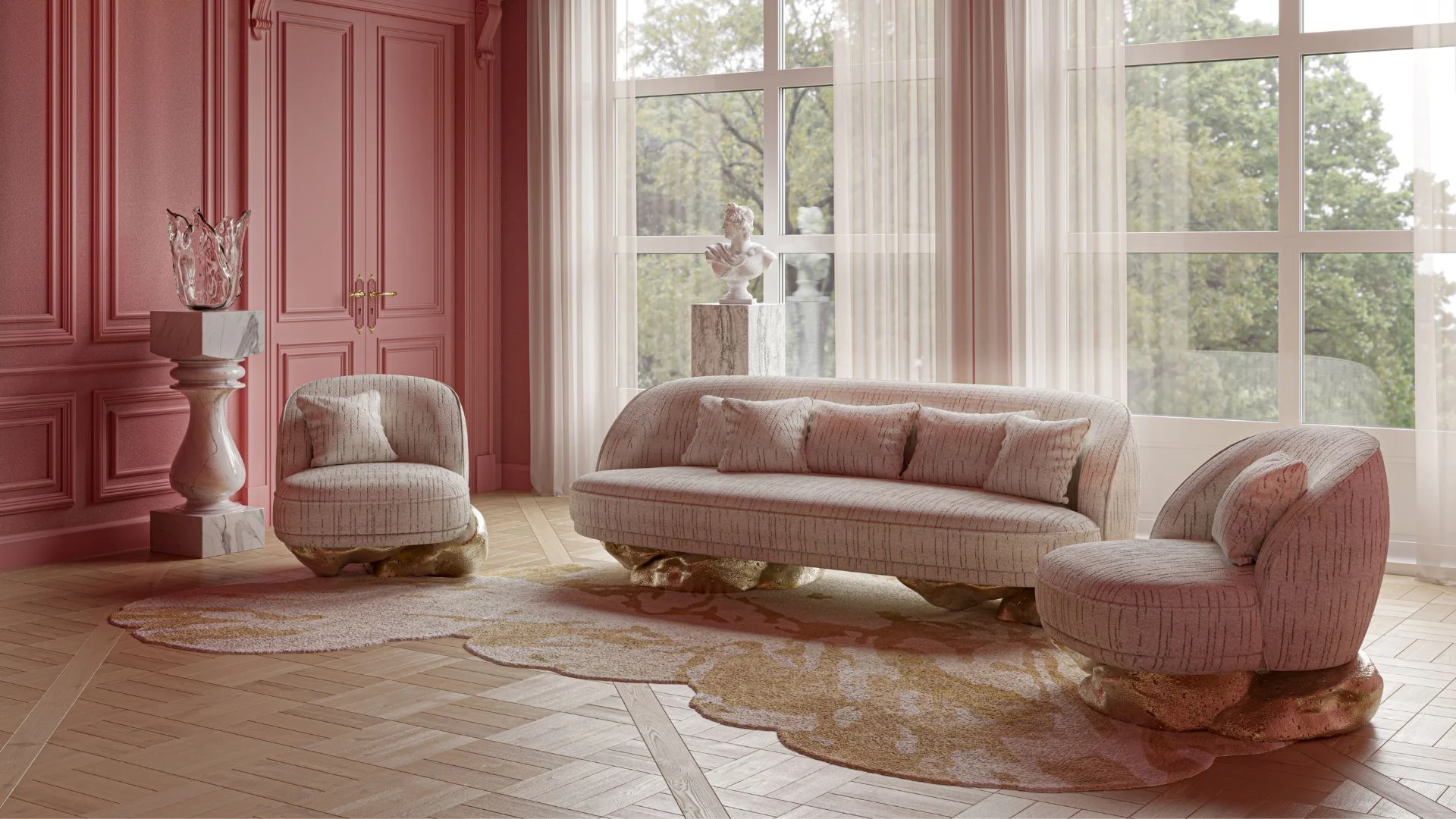
Furniture plays a significant role in defining monochrome luxury interiors, serving as both functional and aesthetic elements. In the absence of bold colors, furniture design becomes more prominent.
Designers often select pieces with strong silhouettes and refined detailing. The use of high-quality materials ensures that each piece contributes to the overall composition. By carefully curating furniture, designers can create cohesive spaces that maintain visual interest and balance.
Characteristics of Monochrome Furniture
Furniture in these interiors often features:
- Clean lines and sculptural forms
- Neutral tones matching the overall palette
- High-quality materials and finishes
- Minimal ornamentation
- Emphasis on comfort and functionality
- Integration with architectural elements
These characteristics define furniture in monochrome luxury interiors.
Monochrome in Different Design Styles
Monochrome luxury interiors can be adapted to various design styles, from minimalist to classical. The versatility of a single color palette allows designers to explore different aesthetics while maintaining cohesion.
In contemporary spaces, monochrome often emphasizes clean lines and modern materials. In more traditional settings, it can highlight architectural details and craftsmanship. This adaptability makes monochrome design a valuable tool for creating diverse yet unified luxury interiors.
Style Variations in Monochrome Design
Designers apply monochrome principles through:
- Minimalist interiors with clean, open spaces
- Industrial styles using raw materials
- Classical interiors emphasizing symmetry
- Contemporary designs with bold forms
- Scandinavian-inspired simplicity
- Art-inspired spaces focusing on composition
These variations showcase monochrome luxury interiors.
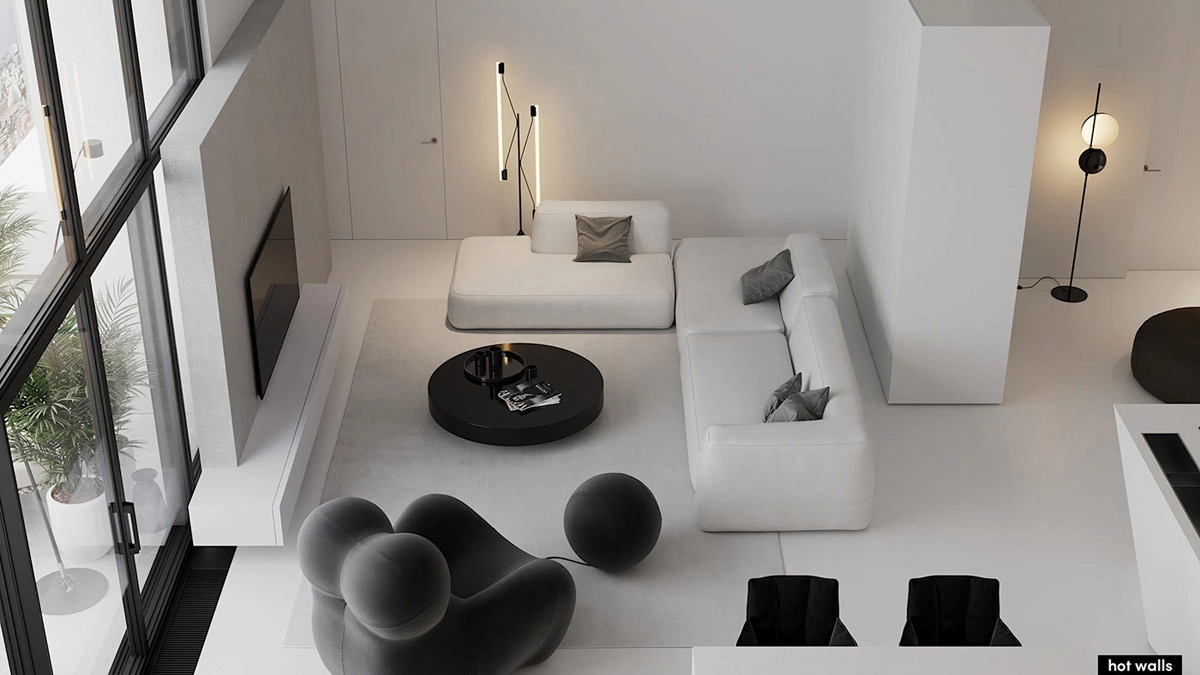
Customization and Bespoke Design
Customization is essential in monochrome luxury interiors, where subtle differences in materials and finishes create unique spaces. Designers often develop bespoke solutions tailored to each project.
From custom furniture to specialized finishes, every detail is carefully considered. This level of personalization ensures that monochrome interiors remain distinctive and reflective of the client’s vision. For luxury design studios, customization is a key factor in delivering high-end projects that stand out.
Bespoke Elements in Monochrome Interiors
Customization often includes:
- Tailor-made furniture and fixtures
- Custom lighting designs
- Unique material combinations
- Personalized spatial layouts
- Collaboration with artisans
- Integration of art and decorative elements
These elements define bespoke monochrome luxury interiors.
The Psychological Impact of Monochrome Design
The psychological effects of monochrome luxury interiors contribute to their growing popularity. Neutral and consistent color schemes create a sense of calm and order.
This environment supports relaxation and focus, making monochrome interiors ideal for both residential and hospitality settings. For luxury clients, the ability to create a peaceful and balanced space is highly desirable. Designers leverage this psychological impact to enhance the overall experience of the interior.
Benefits of Monochrome Environments
Key advantages include:
- Reduced visual clutter
- Enhanced sense of space
- Promotion of calm and relaxation
- Greater focus on design details
- Timeless aesthetic appeal
- Flexibility for future updates
These benefits define monochrome luxury interiors.
Sustainability in Monochrome Design
Sustainability is increasingly integrated into monochrome luxury interiors, with designers prioritizing durable and eco-friendly materials.
By focusing on quality and longevity, monochrome interiors reduce the need for frequent updates. This approach aligns with sustainable design principles, emphasizing timeless aesthetics over trends. For luxury projects, sustainability enhances both environmental responsibility and long-term value.
Sustainable Practices in Monochrome Interiors
Common approaches include:
- Use of eco-friendly materials
- Durable finishes ensuring longevity
- Energy-efficient lighting systems
- Responsible sourcing of materials
- Design for adaptability and reuse
- Reduction of waste through precise planning
These practices support monochrome luxury interiors.
The Future of Monochrome Luxury Interiors
The future of monochrome luxury interiors lies in continued innovation and refinement. Designers will explore new materials, textures, and technologies to enhance monochrome spaces.
As the demand for sophisticated and timeless interiors grows, monochrome design will remain a key trend. Its ability to adapt to different styles and contexts ensures its relevance in the evolving landscape of luxury design. For professionals, mastering monochrome design is essential for creating elegant and enduring interiors.
Conclusion: A Timeless Approach to Luxury Design
Monochrome luxury interiors represent a refined direction in interior design, where simplicity and sophistication coexist. By focusing on materiality, light, and form, designers create spaces that are both elegant and functional.
For interior designers, architects, and luxury studios, monochrome design offers a versatile and timeless approach. As the industry continues to evolve, this aesthetic will remain a cornerstone of luxury interiors, shaping how spaces are conceived and experienced.