
Singapore residences have become a global benchmark for modern luxury living, reflecting the city-state’s position as a financial and cultural hub. With limited land and a dense urban environment, design innovation is essential.
Interior designers and architects must create spaces that maximize functionality while delivering high-end aesthetics. The result is a unique blend of contemporary design, advanced technology, and cultural sensitivity. Luxury interiors in Singapore are defined by precision, efficiency, and a strong connection to the surrounding environment.
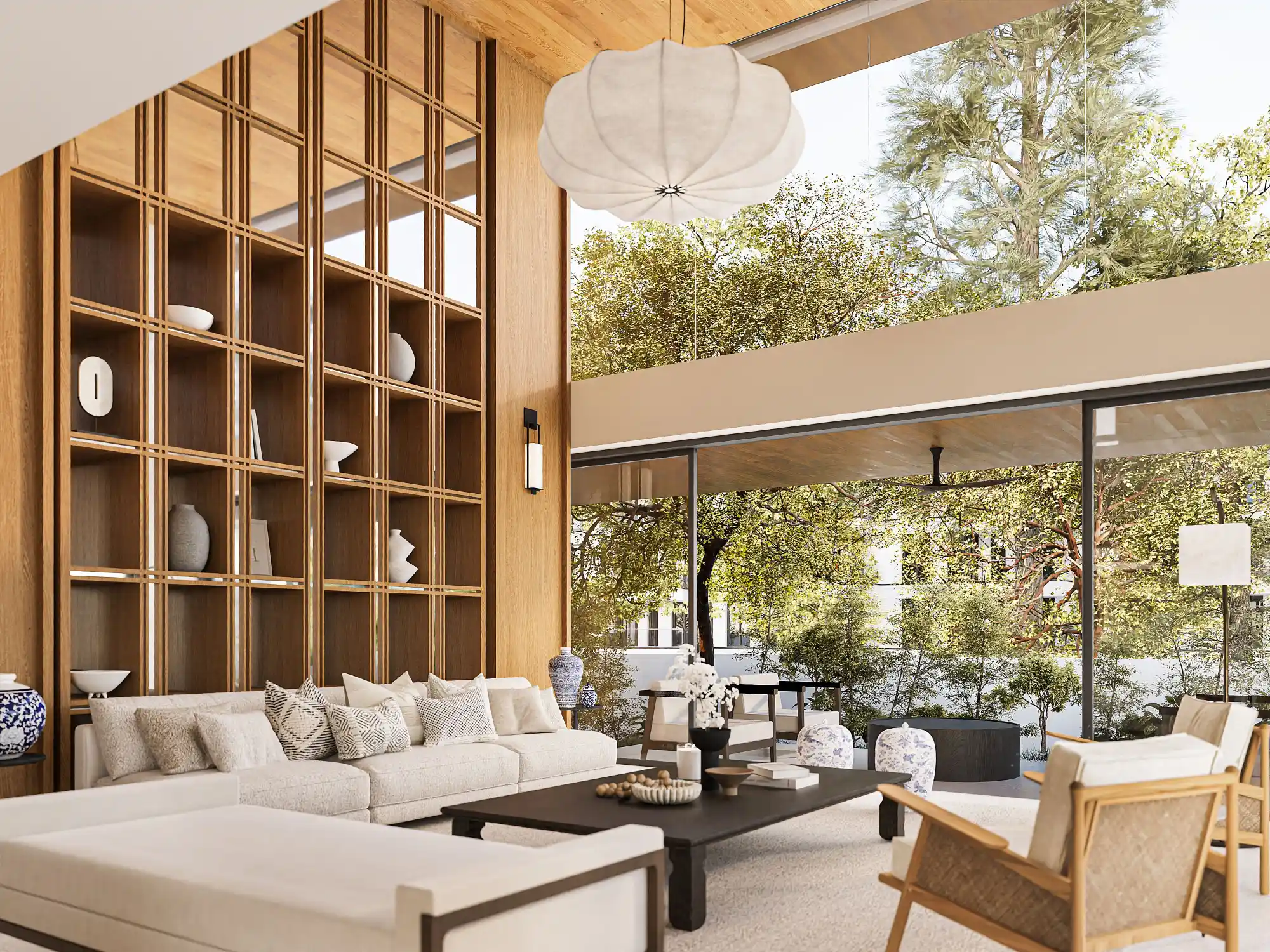
Key Features of Singapore Residences
Luxury Singapore residences typically include:
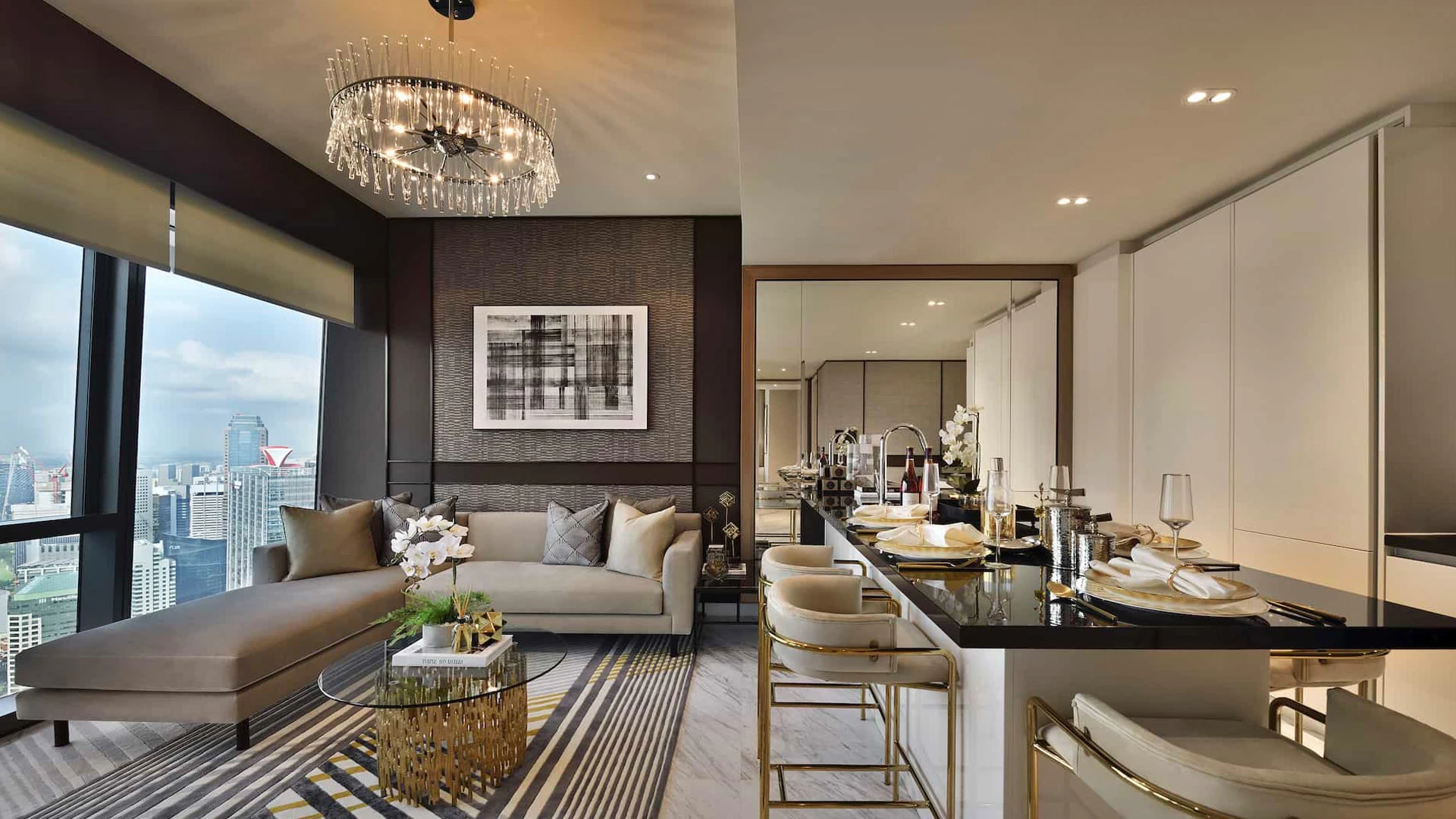
- High-rise apartments with panoramic city or waterfront views
- Open-plan layouts enhancing spatial flow
- Integration of indoor and outdoor living spaces
- Access to premium amenities such as pools and gyms
- Use of high-quality materials and finishes
- Advanced smart home technologies
These features define Singapore’s luxury residential market.
Urban Density and Spatial Innovation
The high density of Singapore residences has led to innovative approaches to space planning. Designers must optimize every square foot while maintaining a sense of openness and comfort.
This challenge has resulted in creative solutions such as multifunctional furniture, built-in storage, and flexible layouts. By prioritizing efficiency, designers can create interiors that feel spacious despite limited footprints. For luxury projects, this efficiency is paired with premium materials and refined detailing, ensuring that functionality does not compromise elegance.
Space Optimization Strategies
Designers often implement:
- Built-in storage systems reducing clutter
- Sliding partitions for flexible layouts
- Multifunctional furniture adapting to different uses
- Vertical design maximizing available space
- Open layouts enhancing flow and light
- Hidden elements maintaining a clean aesthetic
These strategies define Singapore residences.
Materiality and Contemporary Aesthetics
Material selection plays a crucial role in shaping Singapore residences, where contemporary aesthetics dominate. Designers often use a combination of natural and engineered materials to create refined interiors.
Stone, wood, glass, and metal are frequently combined to achieve a balanced and sophisticated look. The emphasis on quality and durability ensures that interiors maintain their appeal over time. For luxury design studios, materiality is key to delivering spaces that reflect both modernity and timeless elegance.
Common Materials in Singapore Interiors
Designers frequently incorporate:
- Marble and natural stone surfaces
- High-quality wood finishes
- Glass elements for transparency and light
- Metals such as stainless steel and brass
- Durable engineered materials
- Luxurious textiles for comfort and softness
These materials define Singapore residences.
Indoor-Outdoor Living in Tropical Climates
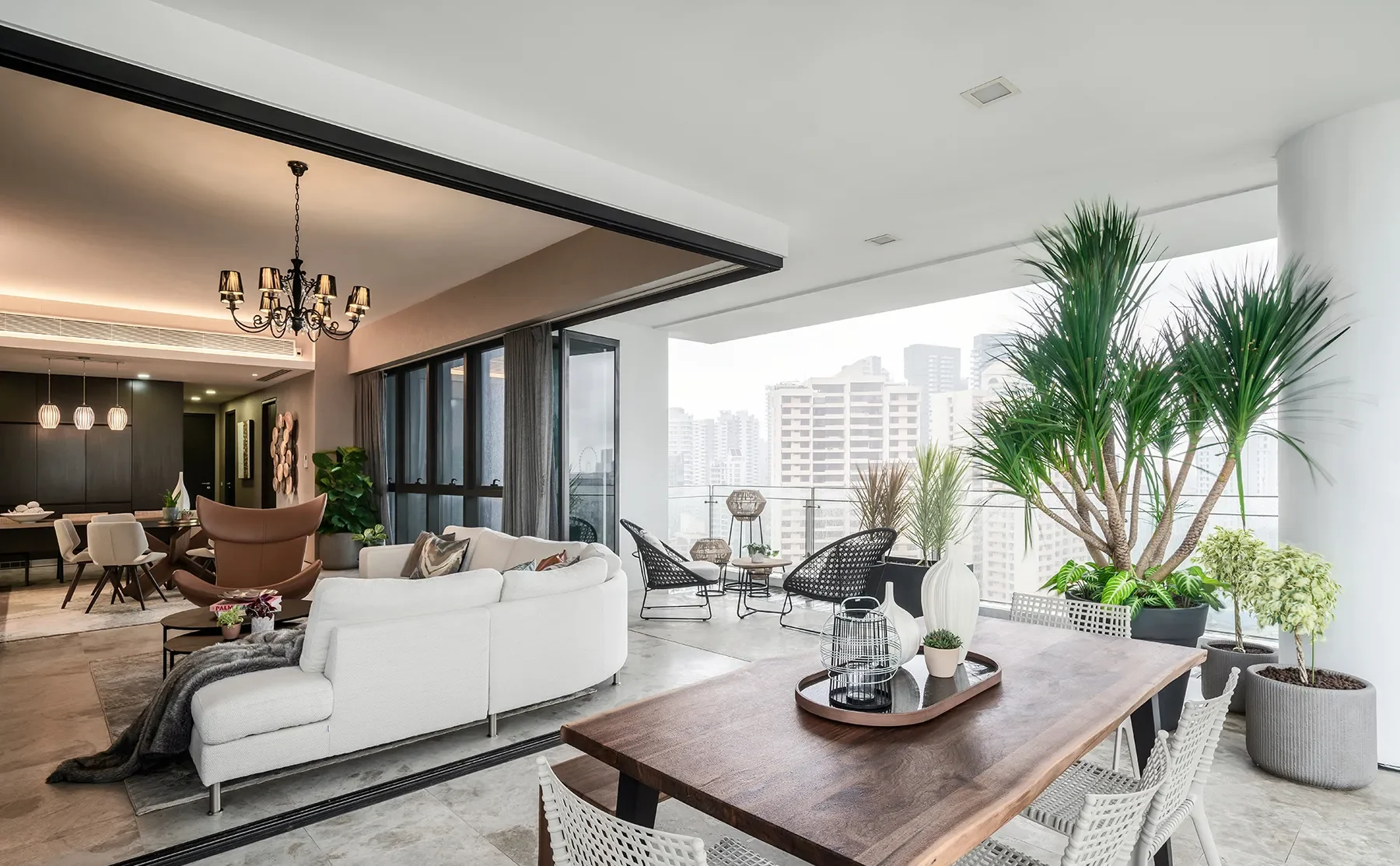
The tropical climate significantly influences the design of Singapore residences, encouraging a strong connection between indoor and outdoor spaces.
Designers often integrate balconies, terraces, and greenery into the interior layout. Large windows and sliding doors allow natural light and ventilation to enhance the living environment. This approach not only improves comfort but also creates a sense of openness, making interiors feel more expansive and connected to nature.
Features of Indoor-Outdoor Integration
Common design elements include:
- Floor-to-ceiling windows maximizing natural light
- Sliding glass doors connecting to outdoor areas
- Use of natural materials complementing greenery
- Shaded terraces for comfort in warm climates
- Integration of plants and landscaping
- Seamless transitions between interior and exterior
These features enhance Singapore residences.
Customization and Bespoke Design Solutions
Customization is a defining aspect of Singapore residences, where clients expect interiors tailored to their lifestyles. Designers often develop bespoke solutions to meet these expectations.
From custom furniture to unique layouts, every element is carefully planned. This level of personalization ensures that each residence reflects the client’s identity while maintaining a cohesive design. For luxury projects, customization enhances exclusivity and allows designers to create truly distinctive spaces.
Elements of Bespoke Interiors
Customization often includes:
- Tailor-made furniture and fixtures
- Custom lighting solutions
- Unique material combinations
- Personalized spatial layouts
- Collaboration with artisans and craftsmen
- Integration of art and decorative elements
These elements define bespoke Singapore residences.
Technology and Smart Living
Technology is integral to modern Singapore residences, enhancing convenience, security, and efficiency. Smart home systems are widely used in luxury properties.
Designers must integrate these technologies seamlessly, ensuring they complement the overall aesthetic. Automated lighting, climate control, and security systems are standard features. For luxury clients, these technologies are essential, reflecting the advanced lifestyle associated with Singapore’s high-end residential market.
Smart Features in Singapore Homes
Common technological elements include:
- Home automation systems for lighting and climate
- Advanced security and surveillance systems
- Integrated entertainment systems
- Energy-efficient appliances
- Smart kitchens with advanced functionality
- Digital interfaces for personalized control
These features define modern Singapore residences.
Cultural Influence on Interior Design
Cultural diversity plays a significant role in shaping Singapore residences, influencing design choices and aesthetics. The city’s multicultural identity is reflected in its interiors.
Designers often incorporate elements from Asian traditions alongside contemporary styles. This fusion creates spaces that are both modern and culturally resonant. For luxury interiors, this approach adds depth and uniqueness, ensuring that each project reflects the rich cultural context of Singapore.
Cultural Design Elements
Designers often integrate:
- Asian-inspired motifs and patterns
- Use of natural materials reflecting regional traditions
- Balance and harmony in spatial layouts
- Incorporation of Feng Shui principles
- Blending of modern and traditional aesthetics
- Art and décor reflecting cultural heritage
These elements shape Singapore residences.
Sustainability and Green Design
Sustainability is a key priority in Singapore residences, driven by environmental awareness and government initiatives. Designers are increasingly incorporating eco-friendly practices into luxury projects.
Green building standards, energy-efficient systems, and sustainable materials are now common in high-end residences. This approach not only reduces environmental impact but also enhances long-term value. For designers, sustainability offers an opportunity to innovate while maintaining luxury standards.
Sustainable Design Strategies
Common approaches include:
- Use of eco-friendly and certified materials
- Energy-efficient lighting and appliances
- Water-saving systems and fixtures
- Integration of green technologies
- Sustainable sourcing of materials
- Design for longevity and adaptability
These strategies define sustainable Singapore residences.
The Role of Amenities in Luxury Living
Amenities play a crucial role in enhancing the appeal of Singapore residences, offering residents a comprehensive lifestyle experience.
Luxury developments often include facilities such as swimming pools, fitness centers, and private lounges. These amenities are designed with the same level of attention to detail as the interiors, ensuring a cohesive experience. For designers, integrating these features into the overall design concept is essential in delivering high-end residential projects.
Common Luxury Amenities
High-end residences often feature:
- Infinity pools with city or waterfront views
- Fully equipped fitness centers
- Private lounges and entertainment spaces
- Concierge and personalized services
- Spa and wellness facilities
- Landscaped gardens and outdoor areas
These amenities elevate Singapore residences.
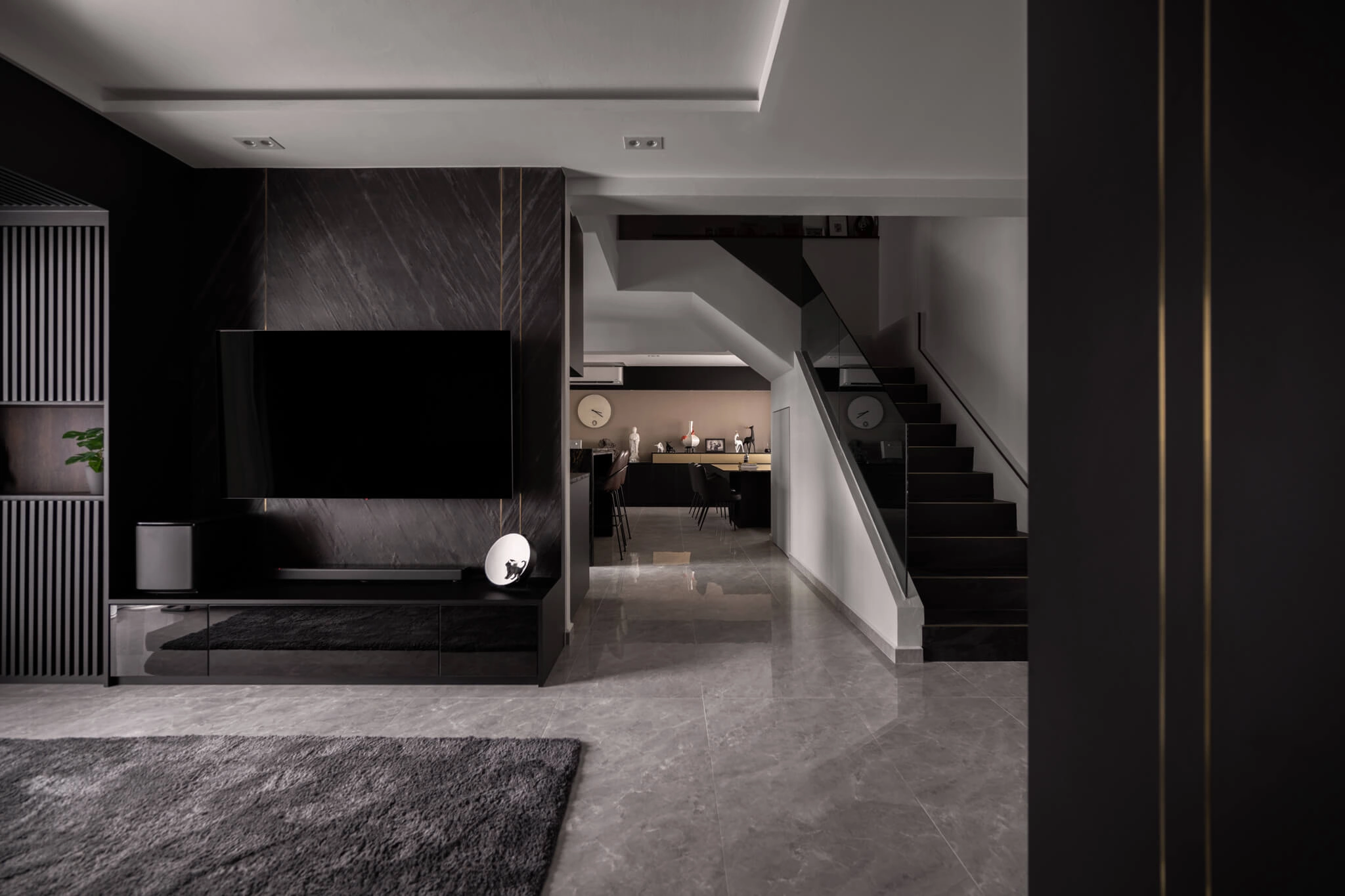
The Future of Luxury Interiors in Singapore
The future of Singapore residences will be shaped by innovation, sustainability, and evolving lifestyle preferences. Designers will continue to explore new materials, technologies, and spatial concepts.
As the demand for personalized and experiential living grows, luxury interiors will become more dynamic and adaptable. Singapore will remain a leader in modern residential design, influencing global trends. For interior designers and architects, staying ahead of these developments is essential for creating cutting-edge luxury environments.
Conclusion: A Model for Modern Urban Luxury
Singapore residences exemplify the future of luxury interior design, combining efficiency, innovation, and cultural sensitivity. From spatial optimization to advanced technology, these interiors reflect the demands of modern urban living.
For interior designers, architects, and luxury studios, Singapore offers valuable insights into creating sophisticated and functional spaces. As the city continues to evolve, its approach to luxury interiors will remain a benchmark for excellence, shaping the future of high-end residential design worldwide.