Introduction
In the evolving world of hospitality interior design, few names command the same admiration and global influence as Martin Brudnizki. Known for crafting immersive and theatrical environments, the Swedish-born designer has reshaped the visual language of restaurants, hotels, and private clubs across the world. His interiors are not merely decorative compositions—they are narrative spaces that evoke glamour, personality, and cultural depth.
At a time when hospitality venues must compete not only through cuisine or service but also through atmosphere and visual storytelling, maximalist interiors have returned to prominence. Martin Brudnizki stands at the forefront of this revival, blending historical references, vibrant colors, layered textures, and carefully curated objects to create environments that feel both timeless and delightfully extravagant.
From London to New York, Miami to Riyadh, his projects demonstrate how thoughtful hospitality interior design can transform spaces into unforgettable experiences. This article explores the theatrical approach that defines Martin Brudnizki’s work and examines the design principles that continue to shape luxury hospitality environments worldwide.
The Design Philosophy of Martin Brudnizki
The signature style of Martin Brudnizki is often described as exuberant, layered, and richly atmospheric. Rather than following minimalist trends that dominated the early 2000s, Brudnizki embraces decoration as a form of storytelling. His interiors evoke the spirit of classic European grand cafés, glamorous private clubs, and historic salons, yet they are executed with a contemporary sensibility.
Central to his philosophy is the idea that hospitality spaces should transport guests into another world. Through theatrical lighting, patterned textiles, curated artwork, and intricate detailing, he creates environments that feel cinematic and immersive.
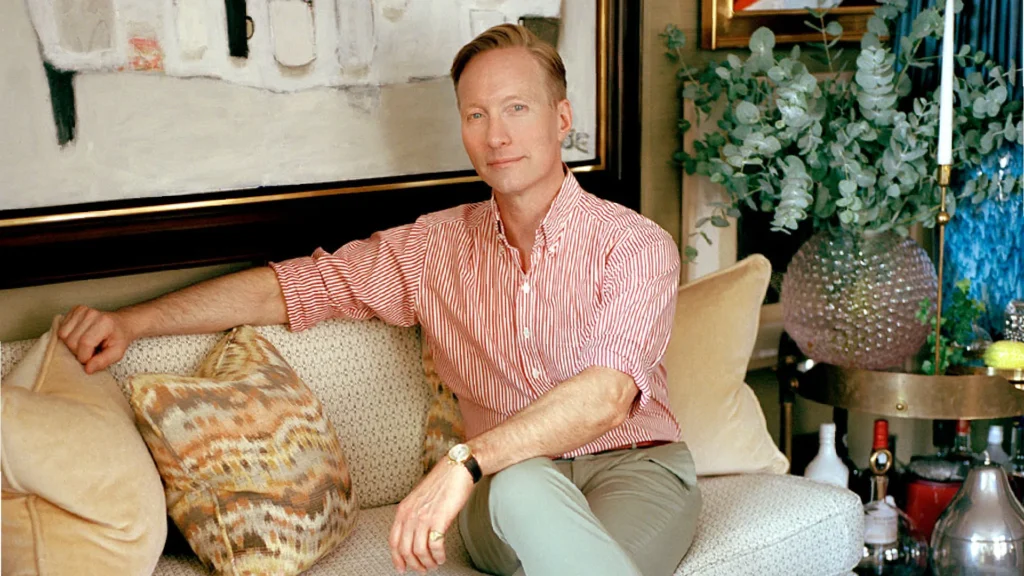
The Return of Maximalist Interiors
In recent years, the resurgence of maximalist interiors has coincided with a growing desire for spaces that feel personal and expressive. Martin Brudnizki has long championed this approach, demonstrating that layered design can feel sophisticated rather than overwhelming.
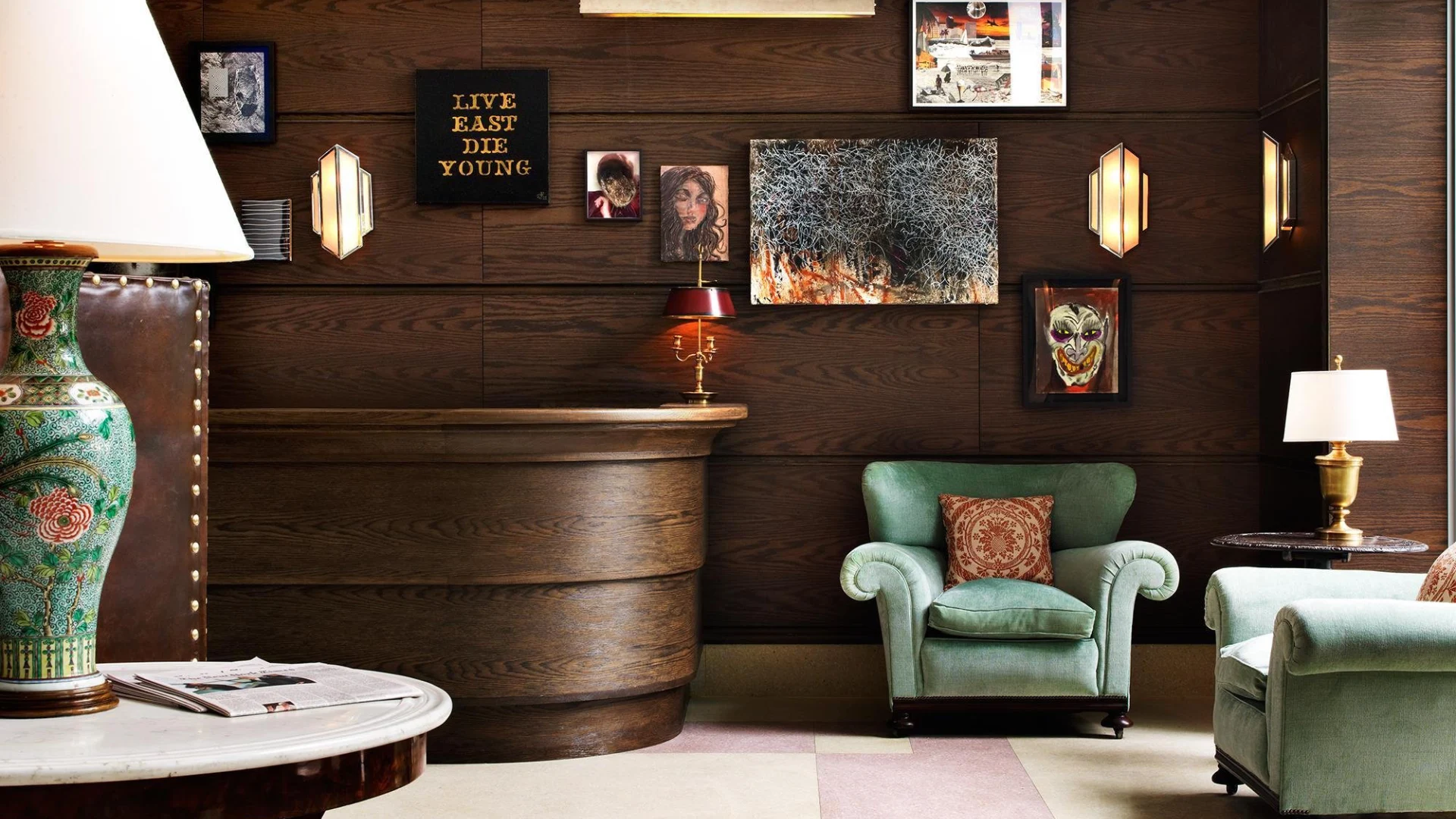
In his projects, pattern, color, and ornamentation are balanced through careful composition. Rich velvet seating might be paired with floral wallpaper, antique mirrors, and dramatic lighting fixtures, creating spaces that feel both eclectic and harmonious.
This layered aesthetic reflects a broader shift in hospitality interior design, where venues are expected to offer memorable visual experiences that translate effortlessly across digital and physical platforms.
Designing Hospitality as Theatre
One of the defining characteristics of Martin Brudnizki’s work is its theatricality. His interiors often feel like carefully staged environments where guests become part of the performance. This sense of drama is achieved through spatial choreography, lighting design, and visual rhythm.
Restaurants and hotels designed by Martin Brudnizki frequently unfold as a sequence of scenes. A dramatic entrance leads to intimate dining spaces, lounges reveal hidden corners, and lighting evolves from vibrant social energy to soft evening ambiance.
This narrative approach elevates hospitality interior design beyond functional planning and transforms it into a form of experiential storytelling.
Signature Elements of Brudnizki’s Hospitality Interiors
Across continents and cultures, several recurring elements define the visual identity of Martin Brudnizki projects.
- Layered materials such as velvet, marble, lacquer, and brass.
- Rich color palettes inspired by historical interiors and natural pigments.
- Decorative lighting that creates intimacy and theatrical atmosphere.
- Custom furniture designed to reinforce the narrative of the space.
- Curated art collections that add personality and cultural context.
These elements allow his maximalist interiors to feel cohesive rather than chaotic, creating spaces that are visually dynamic yet comfortable for guests.
Iconic Hospitality Projects by Martin Brudnizki
Over the past two decades, Martin Brudnizki has completed some of the most recognizable hospitality projects in the world. Each venue reflects a distinctive narrative while maintaining the designer’s unmistakable aesthetic signature.
Annabel’s, London
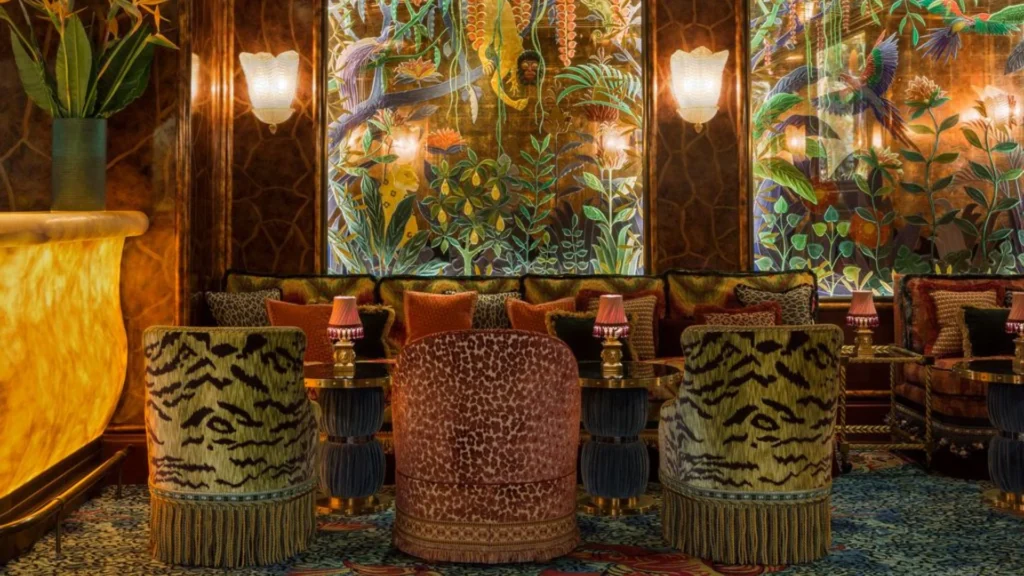
Perhaps the most celebrated example of Martin Brudnizki‘s theatrical design language is the reinvention of Annabel’s private members’ club in London. Located in Mayfair, the historic institution underwent an ambitious transformation that turned the venue into a fantastical sequence of rooms filled with vibrant patterns, botanical motifs, and luxurious materials.
The project demonstrates how maximalist interiors can create immersive environments that captivate visitors. Each room offers a unique visual narrative, from floral dining salons to jewel-toned cocktail lounges.
The Ivy Collection
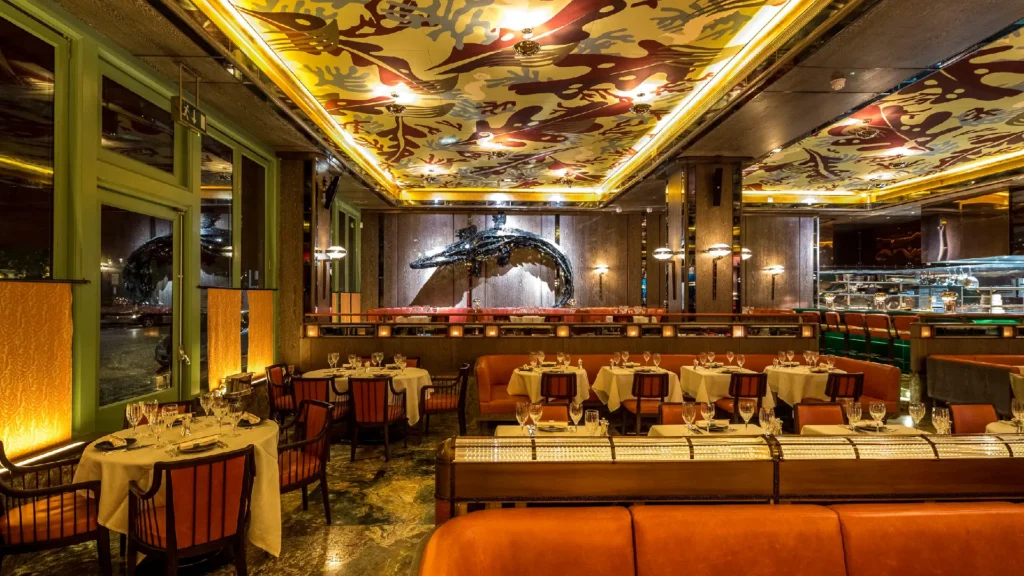
The Ivy restaurants across the United Kingdom showcase another dimension of Martin Brudnizki’s approach to hospitality interior design. Here, classic British glamour meets contemporary elegance through patterned floors, mirrored walls, and lush banquettes.
The result is a dining atmosphere that feels vibrant, welcoming, and unmistakably cosmopolitan.
Soho Beach House, Miami
In Miami, Martin Brudnizki created a resort environment that blends vintage glamour with coastal ease. The interiors combine tropical palettes, woven textures, and vintage furniture pieces, demonstrating how maximalist interiors can adapt to different cultural contexts.
The project illustrates the designer’s ability to reinterpret historical references while responding to local climate, light, and lifestyle.
The Global Influence of Martin Brudnizki
The work of Martin Brudnizki extends far beyond individual restaurants or hotels. His approach has influenced the broader direction of contemporary hospitality interior design, particularly within luxury lifestyle destinations.
Today, many designers and developers recognize that memorable interiors contribute directly to brand identity and guest experience. The layered environments pioneered by Brudnizki demonstrate how design can shape emotional connection and cultural perception.
According to the Architectural Digest, hospitality spaces are increasingly designed as immersive environments that encourage social interaction and visual engagement. Martin Brudnizki’s projects exemplify this philosophy, offering spaces that feel both glamorous and inviting.
Why Maximalism Resonates in Luxury Hospitality
The resurgence of maximalist interiors reflects broader cultural shifts within design and lifestyle. In a world saturated with digital imagery and minimal aesthetics, guests increasingly seek environments that feel tactile, layered, and emotionally rich.
Martin Brudnizki understands that luxury hospitality spaces must offer more than visual appeal—they must create atmosphere. His interiors encourage exploration, discovery, and conversation.
For architects and developers, this approach highlights the importance of storytelling in hospitality interior design.
Design Lessons from Martin Brudnizki
Professionals studying the work of Martin Brudnizki can identify several key principles that define his success in hospitality design.
1. Narrative-Driven Design
Each project begins with a story. Whether referencing historical salons, tropical resorts, or glamorous nightclubs, the narrative informs every design decision.
2. Layering as a Design Strategy
Rather than relying on a single statement element, maximalist interiors build richness through multiple layers of material, color, and pattern.
3. Emotional Atmosphere
Lighting, acoustics, and spatial flow are carefully orchestrated to create emotional resonance. Guests feel immersed rather than merely accommodated.
4. Cultural Context
Even within his distinctive aesthetic, Martin Brudnizki adapts each project to its geographic and cultural context, ensuring authenticity.
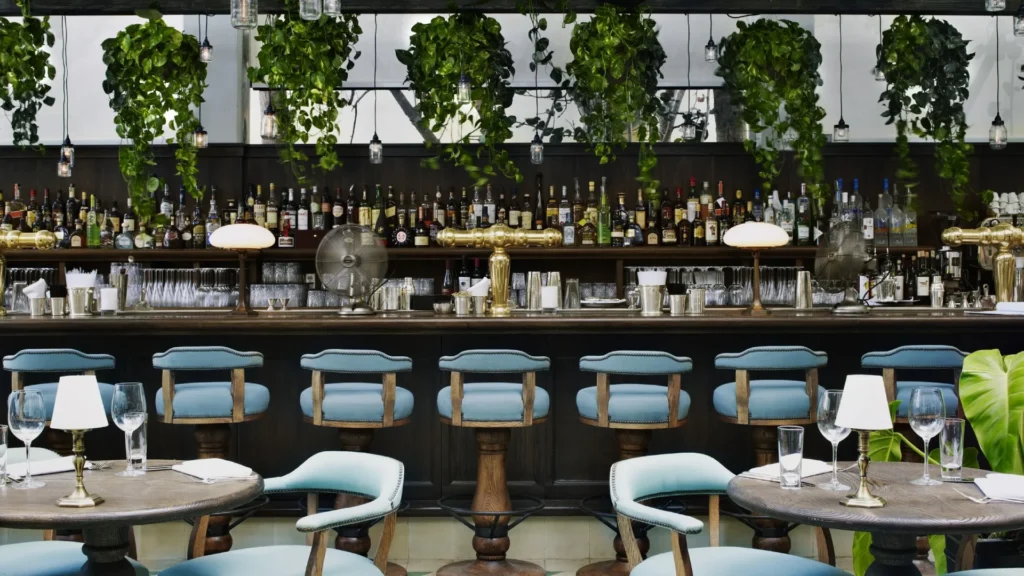
The Future of Theatrical Hospitality Design
As hospitality brands continue to expand globally, the demand for visually distinctive interiors is only increasing. Social media culture has accelerated the importance of design as an experiential component of dining and travel.
In this landscape, the influence of Martin Brudnizki remains profound. His approach demonstrates how hospitality interior design can merge theatrical storytelling with comfort, elegance, and timeless appeal.
For luxury venues seeking to captivate guests, maximalist interiors offer a powerful design language—one that celebrates craftsmanship, individuality, and sensory richness.
The Takeaway
The theatrical spaces created by Martin Brudnizki illustrate the transformative power of design within the hospitality industry. Through richly layered environments, expressive materials, and immersive narratives, he has redefined what guests expect from restaurants, hotels, and private clubs.
His work demonstrates that exceptional hospitality interior design is not merely about aesthetics—it is about emotion, atmosphere, and cultural storytelling. By embracing the artistry of maximalist interiors, Martin Brudnizki continues to shape the future of luxury hospitality spaces across the globe.