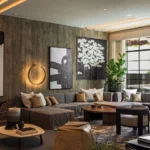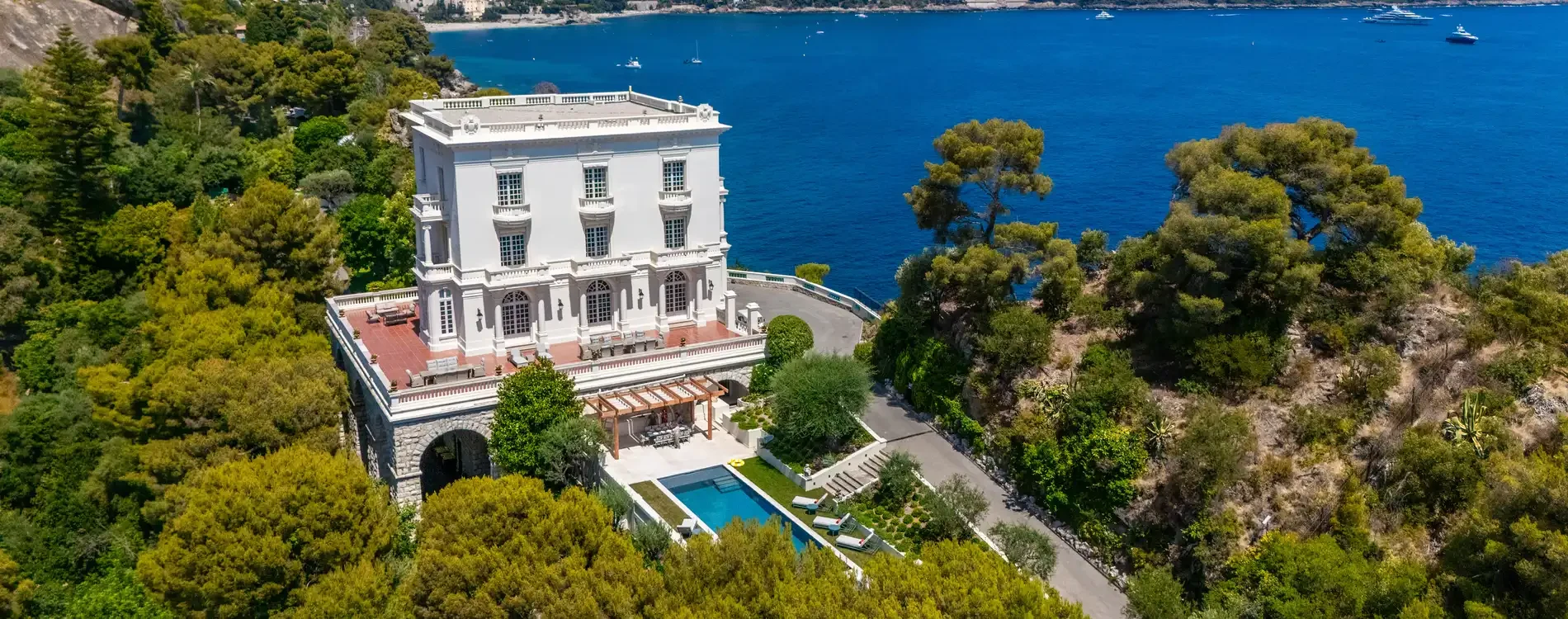
Few destinations embody contemporary luxury as completely as Monaco. Positioned between the Mediterranean coastline and dramatic urban density, Monaco’s Iconic Residences have become global references for elevated interior design and architectural sophistication. For interior designers, architects, and luxury design studios, these residences reveal how luxury travel culture increasingly influences residential environments. High-end living in Monaco is no longer defined solely by exclusivity or location. Instead, it is shaped by immersive interiors, curated amenities, and seamless spatial experiences that rival the world’s finest hospitality destinations.
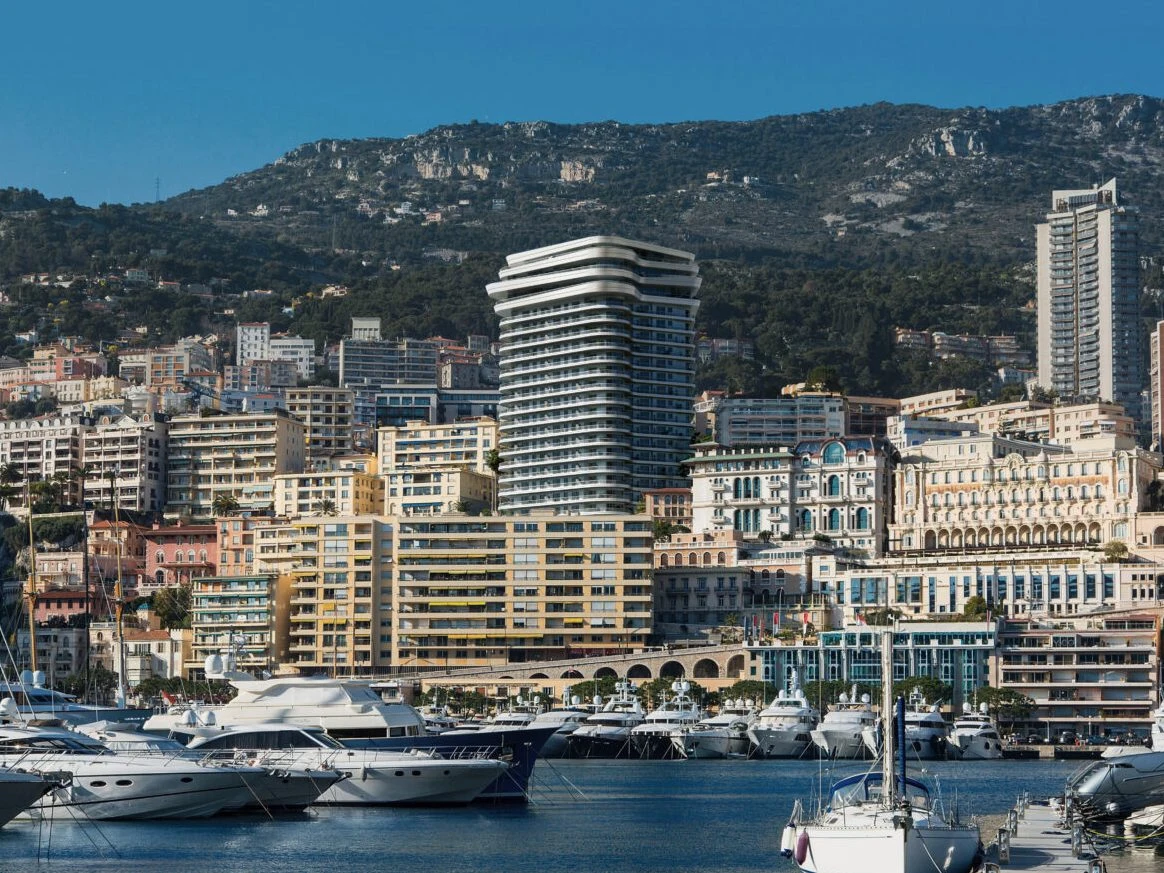
Monaco as a Global Design Destination
Monaco occupies a unique position within the international luxury landscape. Its concentration of wealth, hospitality, and architectural innovation has transformed the principality into a benchmark for contemporary residential design.
Unlike traditional luxury cities, Monaco merges urban density with panoramic sea views, creating unique design opportunities and challenges. Interiors must maximize natural light, preserve views, and maintain a sense of openness despite limited spatial footprints. Consequently, designers working in Monaco often prioritize fluid layouts, reflective materials, and understated sophistication. This approach has shaped a distinct design language that blends Mediterranean elegance with cosmopolitan refinement.
Defining Characteristics of Monaco’s Iconic Residences
Across Monaco’s luxury developments, several interior design principles consistently emerge:
- Expansive glazing that frames sea and city views
- Neutral palettes that enhance natural light
- High-end stone finishes such as marble and travertine
- Bespoke furnishings tailored to architectural layouts
- Seamless indoor-outdoor transitions through terraces
These features create interiors that feel sophisticated, luminous, and deeply connected to the Mediterranean environment.
The Influence of Hospitality on Residential Design
Luxury travel has profoundly influenced Monaco’s residential interiors. Many of the city’s high-end apartments and penthouses now adopt design strategies traditionally associated with five-star hospitality environments.
Residents increasingly expect homes to deliver the same atmosphere, service integration, and sensory comfort found in luxury hotels. As a result, interiors emphasize curated arrival experiences, spa-inspired bathrooms, and lounge-like living spaces. Moreover, amenities such as private wellness areas, concierge services, and panoramic terraces reinforce this hospitality-driven approach. Monaco’s residences therefore blur the boundaries between private living and luxury travel experiences.
Mareterra and Contemporary Coastal Living
One of the most significant recent developments shaping Monaco’s residential identity is Mareterra, the large-scale waterfront extension redefining coastal luxury living. The project integrates architecture, landscape, and sustainability into a cohesive urban vision.
- Residences designed to maximize Mediterranean views
- Natural materials that reinforce coastal identity
- Landscaped outdoor areas integrated into architecture
- Wellness-focused amenities and private leisure spaces
- Contemporary interiors emphasizing openness and light
This development illustrates how Monaco continues to evolve as a global center for luxury residential design while maintaining a strong connection to its maritime context.
Materiality and Mediterranean Elegance
Material selection plays a central role in defining the atmosphere of Monaco’s Iconic Residences. Designers frequently draw inspiration from the surrounding coastline, using textures and finishes that reinforce the connection between interior and exterior environments.
Stone surfaces, brushed metals, warm woods, and natural textiles are layered carefully to create interiors that feel refined without excessive ornamentation. Light-colored materials are particularly favored because they amplify natural daylight and enhance spatial openness. This restrained yet luxurious palette reflects a broader shift toward quiet sophistication within contemporary high-end residential design.
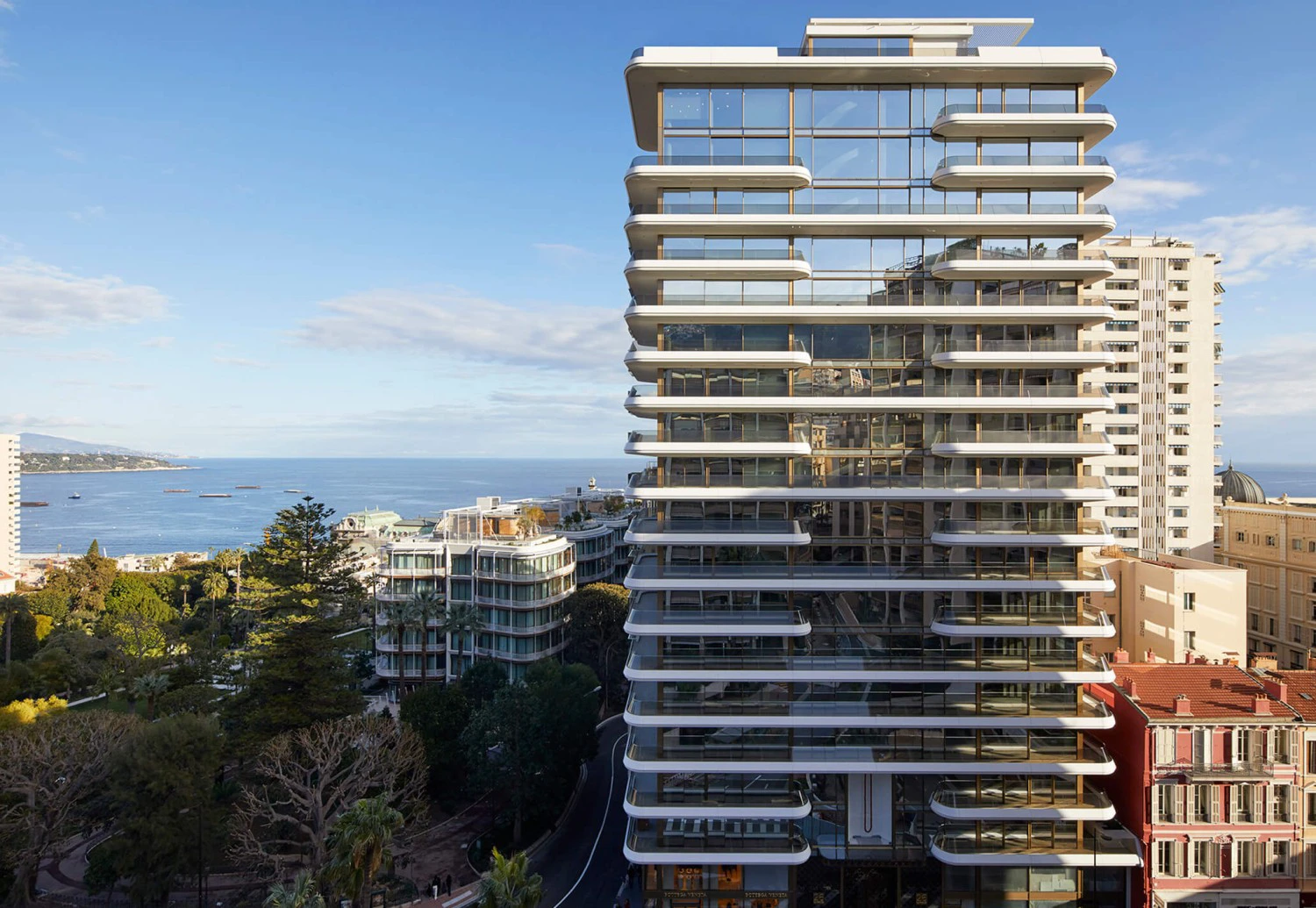
Spatial Planning and Flow
Luxury residences in Monaco are designed to maximize both functionality and visual continuity. Given the premium value of waterfront views, spatial planning prioritizes openness and uninterrupted sightlines.
Living areas often flow directly into terraces, creating seamless transitions between indoor and outdoor environments. Bedrooms are conceived as private retreats, while kitchens increasingly function as social and architectural focal points. Additionally, circulation paths are simplified to reinforce spatial clarity. This approach ensures that even compact residences feel expansive, balanced, and highly experiential.
Luxury Amenities as Design Extensions
Amenities within Monaco’s Iconic Residences are treated as integral components of the interior design experience:
- Private spas and wellness suites
- Indoor pools with panoramic views
- Fitness spaces integrated into residential layouts
- Concierge and hospitality-inspired services
- Outdoor lounges and entertainment terraces
Rather than existing separately from the architecture, these amenities are fully integrated into the residential narrative, reinforcing a lifestyle-centered approach to luxury living.
Furniture and Interior Styling
Furniture selection within Monaco’s luxury residences reflects a preference for contemporary elegance and spatial fluidity. Designers typically favor sculptural forms, low-profile seating, and custom pieces that preserve openness while enhancing comfort.
Soft upholstery, textured fabrics, and carefully curated accessories add warmth without disrupting the architectural clarity of the space. Importantly, furniture layouts are often oriented toward exterior views, emphasizing the relationship between interiors and the Mediterranean landscape. This approach demonstrates how furniture can support both visual composition and emotional experience within luxury environments.
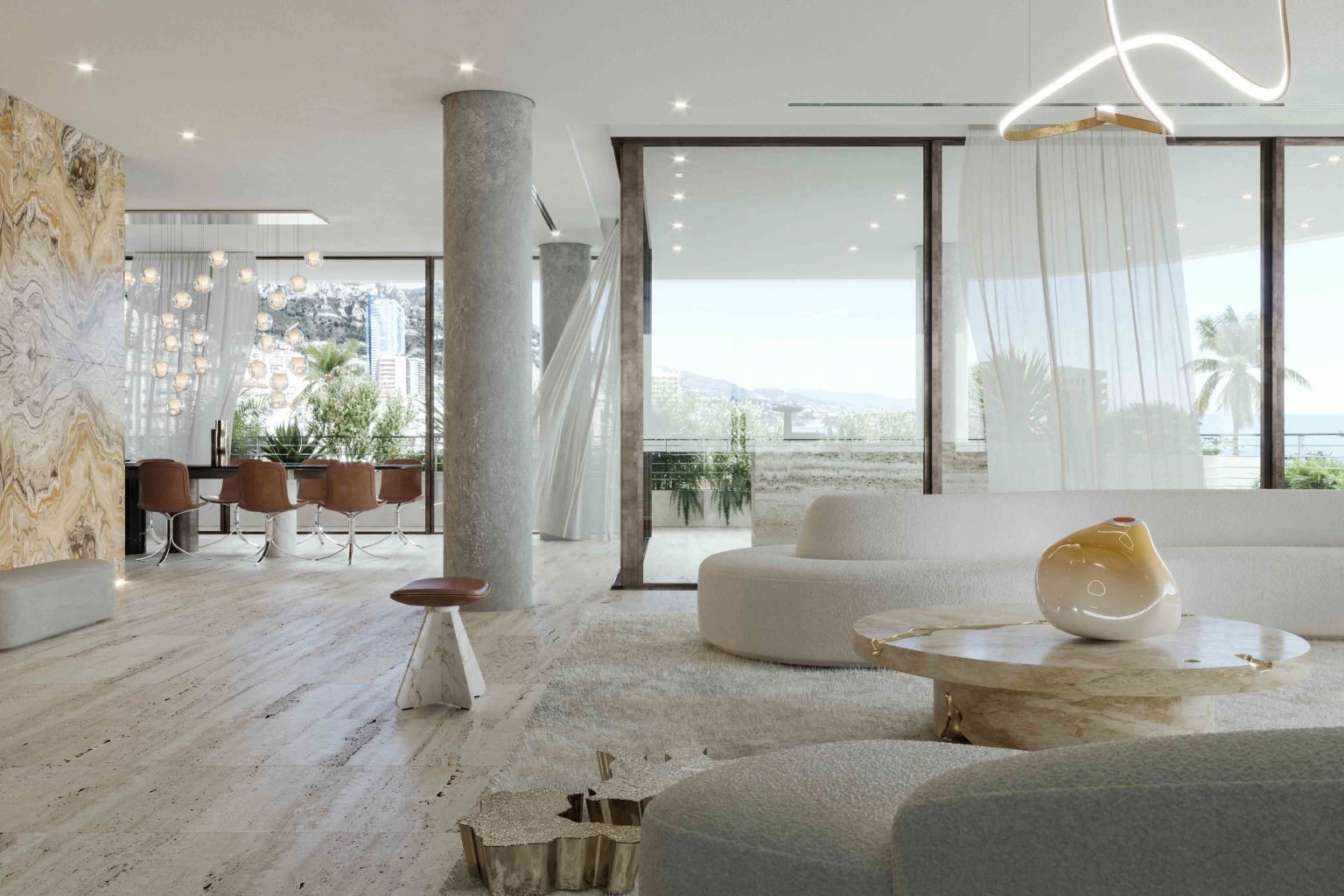
The Role of Lighting in Coastal Residences
Lighting design is essential in shaping the atmosphere of Monaco’s Iconic Residences. Natural light remains the primary design driver, with large windows and reflective materials enhancing brightness throughout the day.
In the evening, layered lighting strategies create warmth and intimacy. Indirect illumination, integrated architectural lighting, and sculptural fixtures contribute to a sophisticated ambiance without overwhelming the interiors. Designers often use lighting to highlight textures and architectural details, ensuring that spaces remain dynamic and visually engaging after sunset.
Lessons for Interior Designers and Architects
Monaco’s residential design landscape offers valuable insights for contemporary luxury projects:
- Prioritize spatial openness and visual continuity
- Use natural materials to reinforce authenticity
- Integrate hospitality-inspired amenities seamlessly
- Design interiors around light and landscape
- Balance refinement with functional comfort
These principles demonstrate how luxury residences can deliver immersive living experiences while maintaining architectural sophistication.
The Future of Luxury in Monaco’s Iconic Residences
As Monaco continues to attract international investment and elite travelers, its residential architecture will likely become even more experience-driven. Future projects are expected to emphasize sustainability, wellness integration, and adaptive living environments.
However, the defining qualities of Monaco’s Iconic Residences will remain rooted in timeless materiality, spatial elegance, and the seamless fusion of hospitality and residential design. This evolution reflects broader global shifts in luxury living, where homes are increasingly designed as complete lifestyle environments rather than purely private spaces.
Conclusion
Monaco’s Iconic Residences demonstrate how luxury travel and interior design have become deeply interconnected. Through refined materials, hospitality-inspired amenities, and sophisticated spatial planning, these residences create environments that extend beyond traditional residential living.
For interior designers, architects, and luxury design studios, Monaco offers a powerful reference for the future of high-end interiors. As luxury lifestyles continue to evolve, the ability to merge architecture, comfort, and experiential design will remain central to creating truly exceptional residential spaces.