A modern Luxury Travel Guide no longer focuses exclusively on five-star dining or standard premium hospitality services. Today, affluent travelers seek immersive spatial experiences that merge cultural heritage with cutting-edge interior design. High-end hospitality destinations must serve as architectural masterpieces that actively captivate the design-conscious wanderer. Consequently, global travel narratives have evolved to highlight exceptional aesthetics, artisanal materials, and historic structural preservation. This structural shift transforms generic vacations into deep visual and sensory explorations. Therefore, elite interior architecture has become the true foundation of contemporary high-end tourism.
The Rise of Design-Centric Hospitality
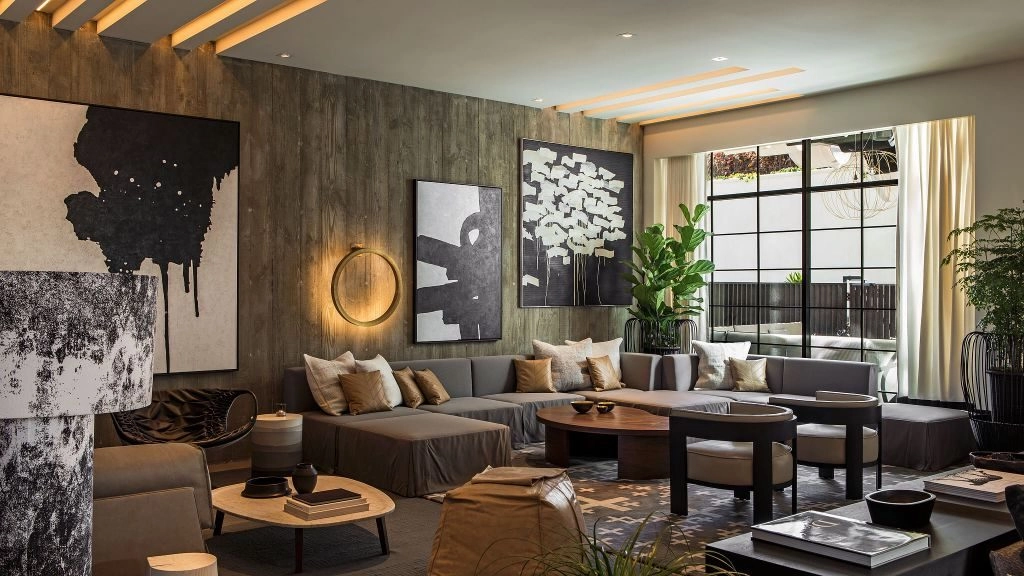
In the competitive luxury market, exceptional interior styling serves as a powerful differentiator for boutique resorts. Guests actively look for spaces that offer a deep sense of place, authenticity, and visual inspiration. For that reason, world-class hotels collaborate with legendary designers to build spaces that tell a profound story. This creative integration turns a standard hospitality property into an iconic cultural landmark. Consequently, a comprehensive Luxury Travel Guide must evaluate the custom furniture choices, lighting systems, and spatial layouts of a destination. These structural details fundamentally dictate the overall prestige of the travel experience.
Exploring the Aesthetic Landscape of Marbella
When analyzing sophisticated coastal destinations, the intersection of local tradition and modern minimalism becomes instantly apparent. For instance, high-end retreats along the Mediterranean coastline utilize sun-drenched private terraces and natural stone textures to redefine open-air luxury. This unique combination balances regional architectural history with contemporary residential comfort. A curated Luxury Travel Guide focusing on these coastal hubs must highlight how light and nature interact with premium interior layouts. These properties demonstrate that outdoor living spaces deserve the exact same design discipline as formal indoor living rooms.
The Refined Elegance of Swiss Alpine Retreats
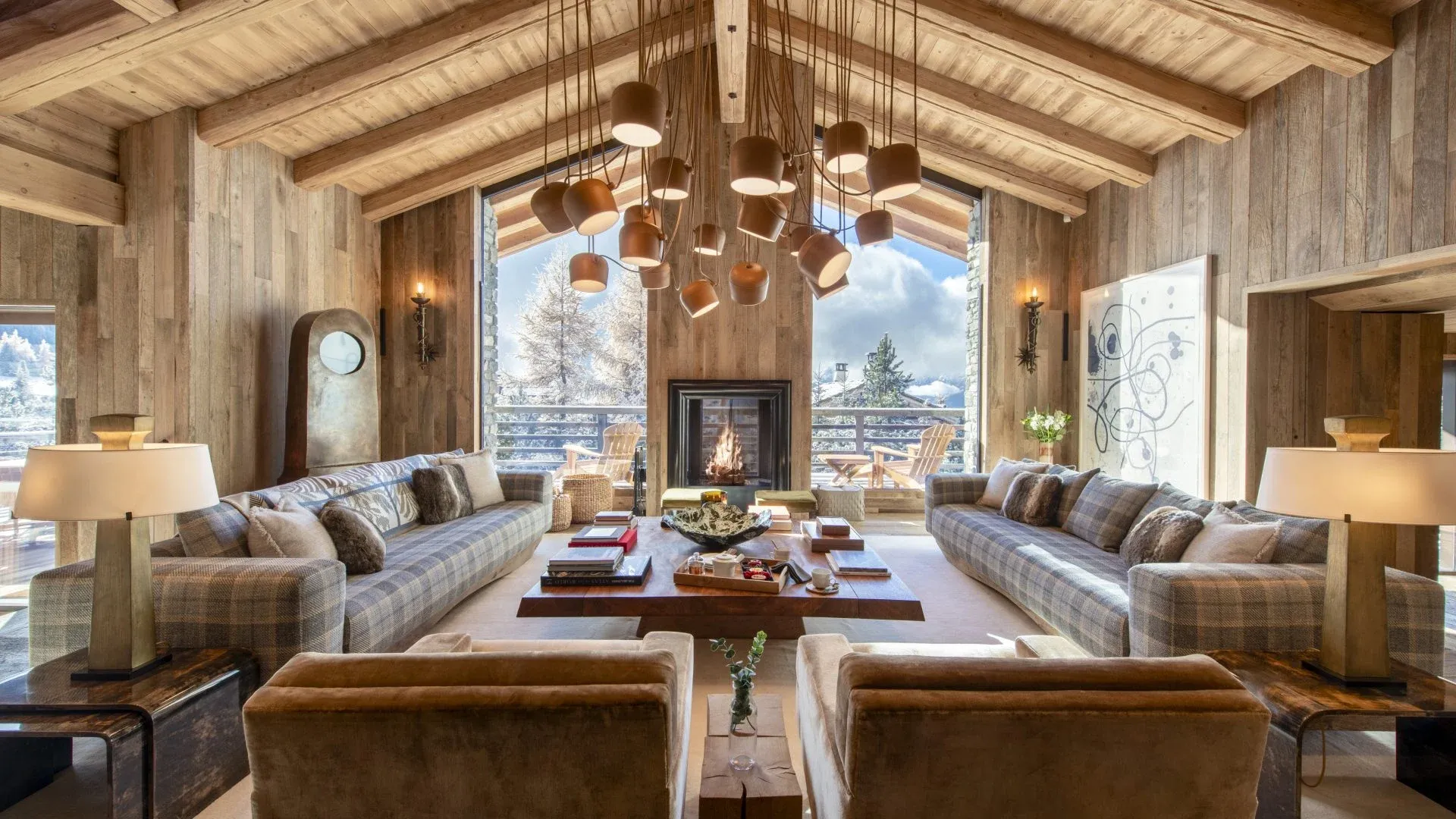
Moving from sunny coasts to snow-capped peaks reveals an entirely different dimension of premium interior execution. Exceptional mountain resorts redefine rustic living by blending raw architectural elements with ultra-luxurious, sustainable textiles. Wood structures and massive stone fireplaces are paired with sophisticated, custom-made furniture pieces to create unparalleled warmth. Therefore, an expert Luxury Travel Guide must showcase how these remote hideaways achieve structural balance in extreme climates. These cozy interior sanctuaries prove that winter luxury relies heavily on material purity and brilliant spatial proportions.
Architectural Heritage within Parisian Apartments
Few typologies capture the essence of historic elegance quite like the luxury apartments and boutique hotels of Europe’s design capitals. These spaces are defined by their magnificent architectural heritage, featuring intricate crown moldings, chevron parquet flooring, and grand high ceilings. Modern interior curators seamlessly introduce bold, sculptural furniture into these historic rooms to create striking visual contrasts. For this reason, any authoritative Luxury Travel Guide targeting urban explorers must analyze how these legendary spaces respect the past while embracing future design trends. This balance elevates hospitality into a profound form of living art.
The Influence of Celebrity Mansion Aesthetics
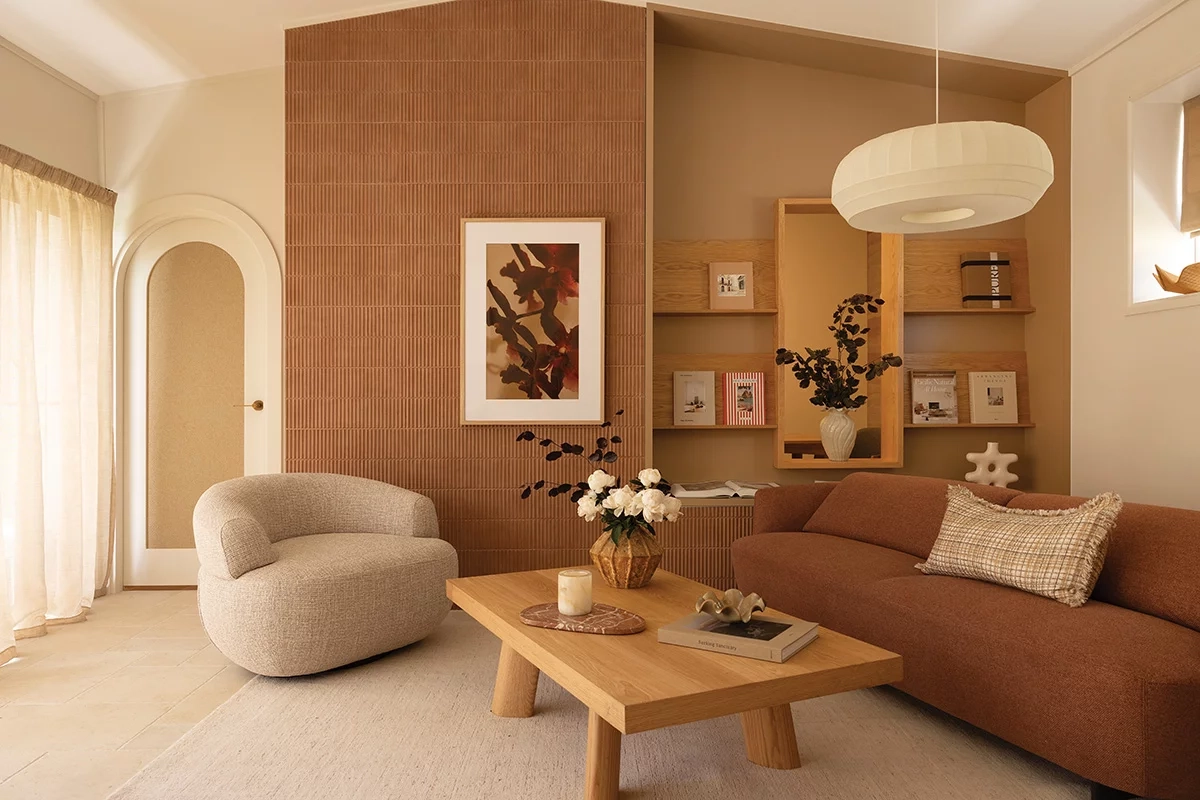
The global public is increasingly captivated by the minimalist, monochromatic residential choices of top international style icons. This fascination heavily influences the hospitality industry, as luxury travelers now demand similarly disciplined, museum-like stillness during their journeys. High-end resorts actively replicate this aesthetic by stripping away visual clutter and focusing on soft, neutral color palettes. Ultimately, a trend-focused Luxury Travel Guide cannot ignore how celebrity homes reshape public expectations of commercial luxury spaces. Travelers want to experience these exclusive, ultra-minimalist atmospheres firsthand during their global adventures.
Navigating the World of Collectible Furniture
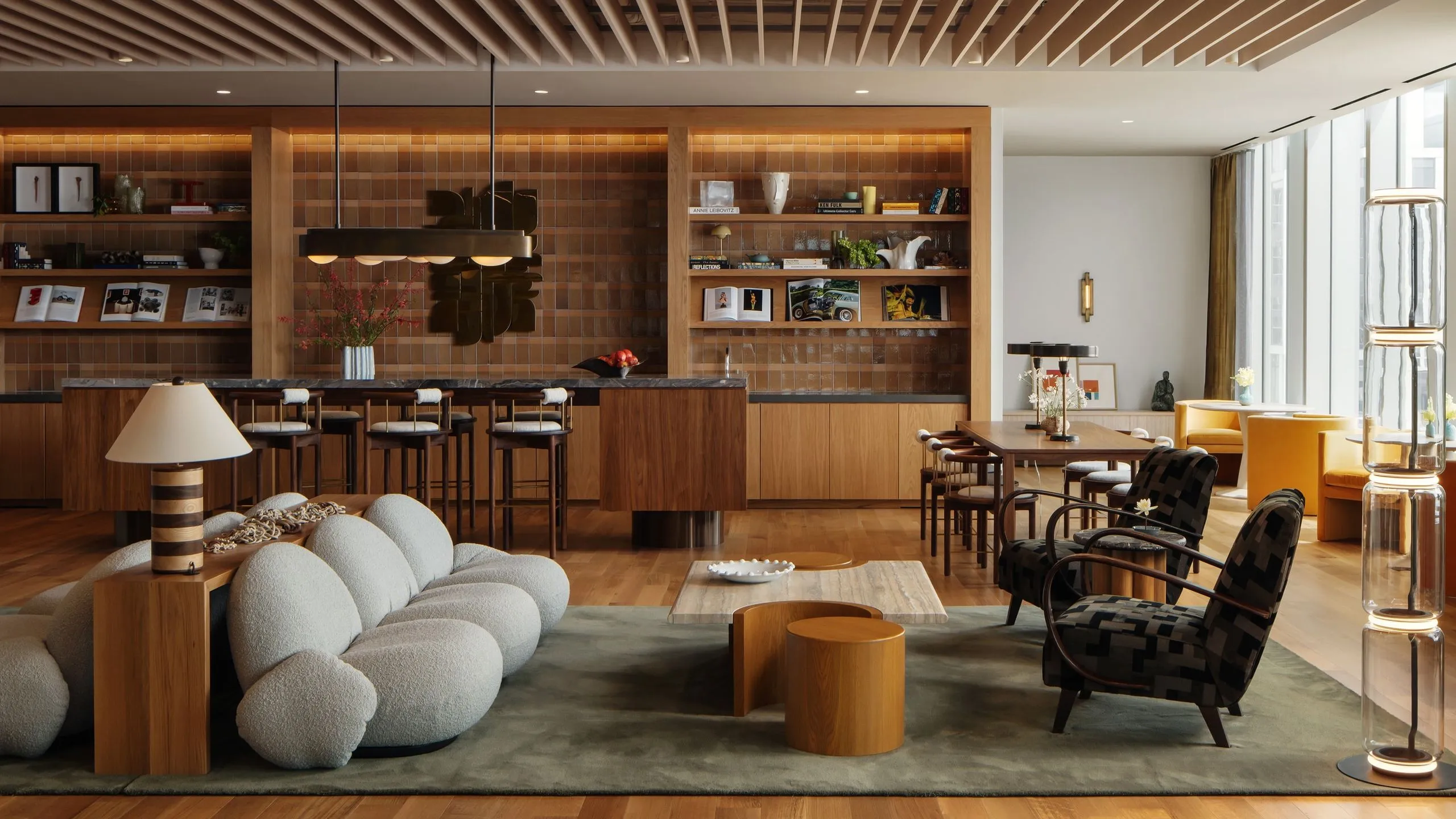
True luxury travelers frequently design their itineraries around the acquisition of rare, limited-edition interior assets. Consequently, five-star accommodations often double as private design galleries, showcasing collectible furniture and original contemporary artwork in their main lobbies. This curated approach allows international guests to live alongside museum-quality design breakthroughs during their stay. An effective Luxury Travel Guide acts as a roadmap for these collectors, identifying exactly where to experience the work of visionary furniture designers. This intersection of travel and art collecting adds an elite layer of purpose to global exploration.
Sustaining Ethical and Artisanal Craft Routes
The preservation of local artisanal knowledge is deeply connected to the sustainable growth of high-end international tourism. Affluent travelers are eager to support destinations that celebrate authentic, handmade traditions and fair-trade creative partnerships. When luxury resorts source their textiles, ceramics, and woodwork directly from regional master craftsmen, they protect endangered cultural routes. Moreover, this ethical practice ensures that the financial rewards of tourism directly empower local creative communities. A responsible Luxury Travel Guide must always champion these authentic, craft-driven properties over generic corporate hospitality setups.
Conclusion: The Future of High-End Exploration
In conclusion, the evolution of international travel is permanently intertwined with the progress of global interior design. When a Luxury Travel Guide prioritizes architectural brilliance and spatial storytelling, it helps travelers discover meaningful and deeply inspiring destinations. Prioritizing aesthetic excellence allows the premium hospitality industry to push creative boundaries ethically and with absolute confidence. Ultimately, analyzing the world through the lens of interior design guarantees that our journeys will continue to educate, move, and transform us. By seeking out these protected design sanctuaries, we secure the timeless legacy of global human craftsmanship.