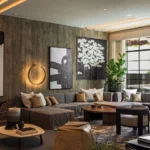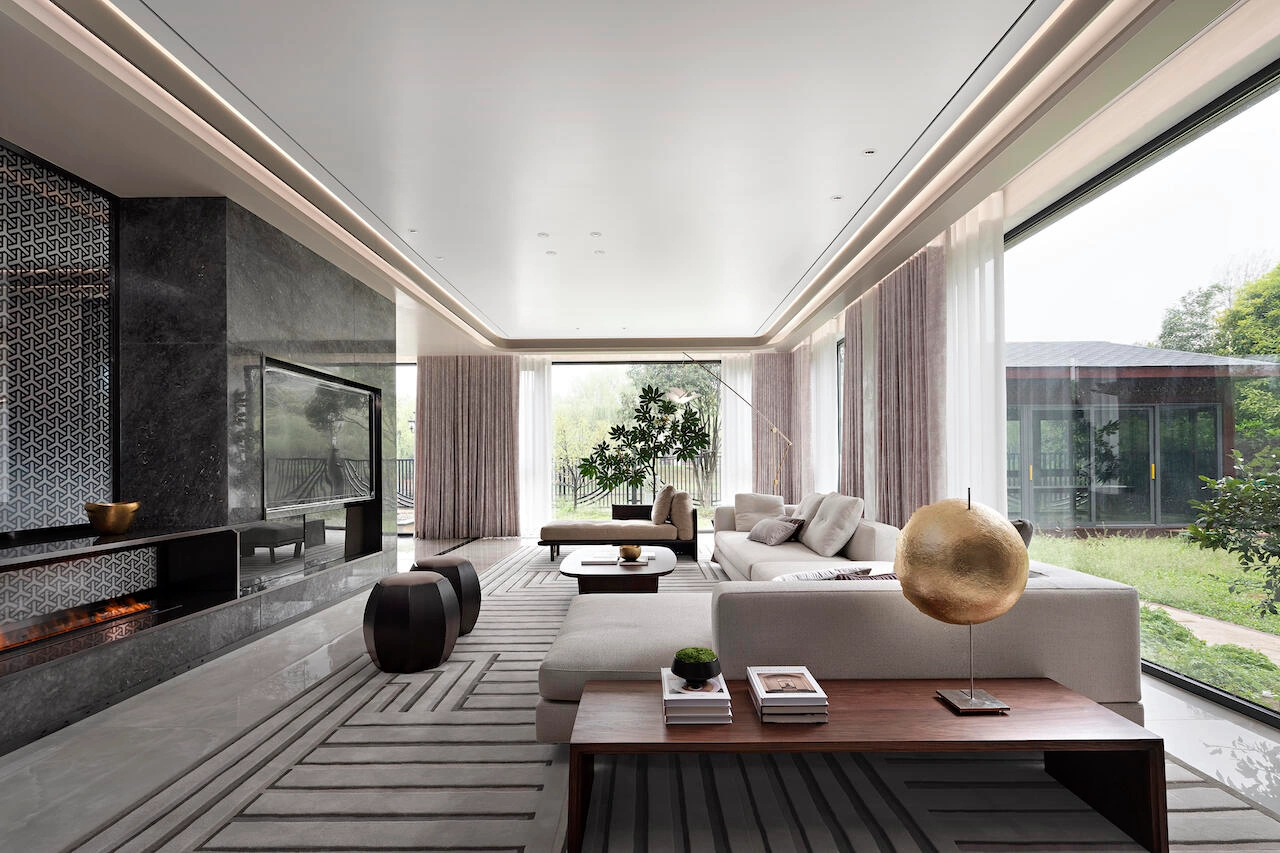

Luxury Living Spaces have become one of the strongest drivers of value in today’s real estate market. Buyers are no longer looking only for prestigious locations or large floor plans—they seek homes that deliver an exceptional living experience through architecture, interior design, and carefully selected materials.
Moreover, contemporary luxury is defined by harmony, functionality, and timeless aesthetics. As a result, interior design has become a strategic element that influences both the emotional appeal and the long-term value of premium properties.
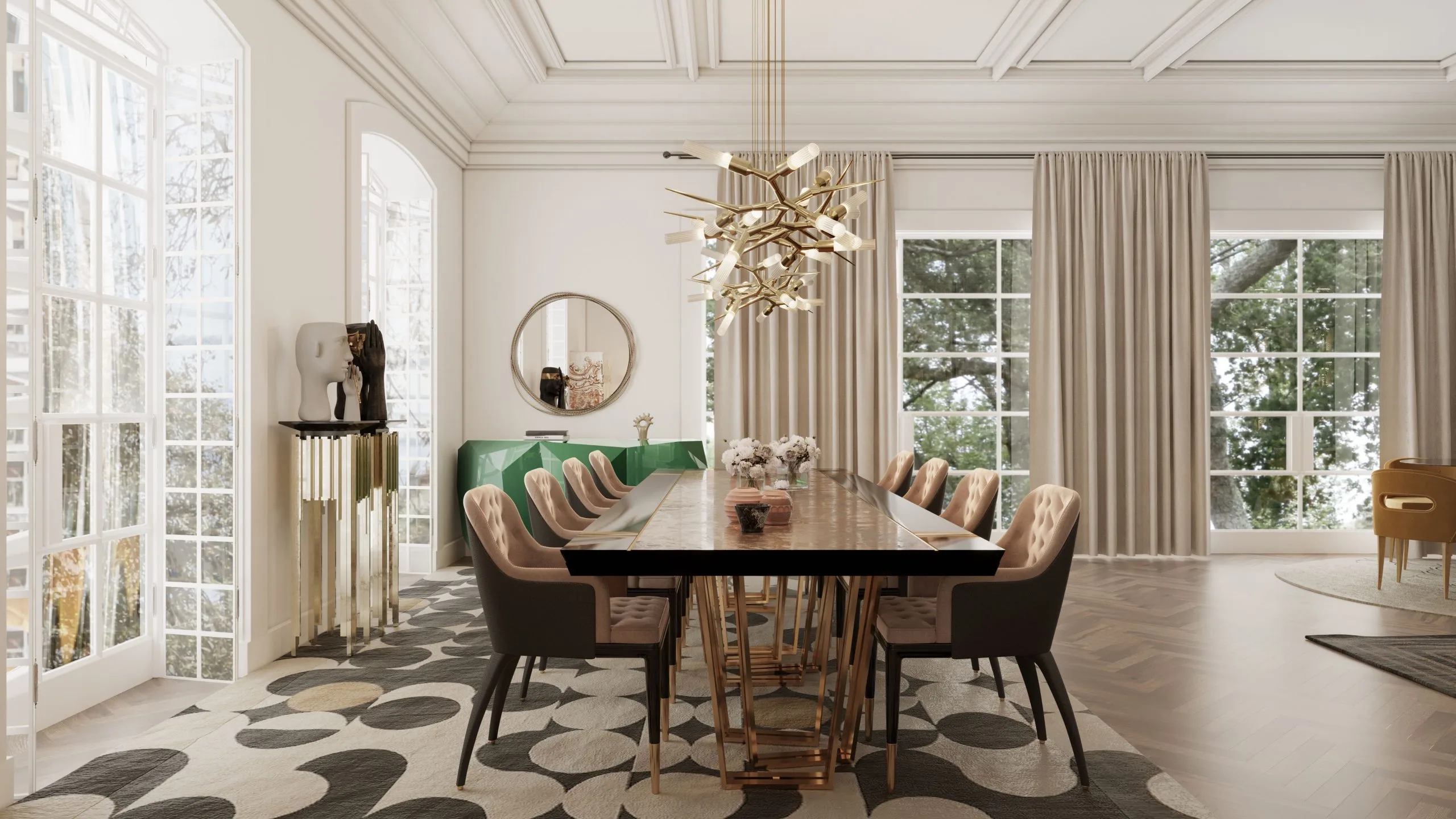
Luxury Living Spaces Begin with Thoughtful Design
Exceptional homes are created through intentional design decisions rather than decorative excess.
Open layouts, balanced proportions, and seamless transitions between rooms allow interiors to feel elegant and functional at the same time. Furthermore, every detail—from the flooring to the lighting—contributes to a cohesive visual identity.
Therefore, successful luxury interiors are planned around the way people live, entertain, and relax.
Architecture and Interior Design Work Together
Modern real estate increasingly demonstrates that architecture and interior design cannot be separated.
Large windows maximize natural light, while carefully planned layouts create fluid connections between social and private areas. In addition, architectural elements such as double-height ceilings, custom staircases, and integrated outdoor spaces enhance the overall experience of the home.
Consequently, buyers perceive these properties as more distinctive and valuable.
Premium Materials Create Lasting Value
One of the defining characteristics of high-end residences is the quality of their materials.
Natural stone, solid wood, handcrafted finishes, textured fabrics, and bespoke cabinetry provide authenticity and durability. Moreover, these materials develop character over time, reinforcing a sense of permanence that mass-produced alternatives often lack.
As a result, premium finishes contribute not only to beauty but also to long-term investment value.
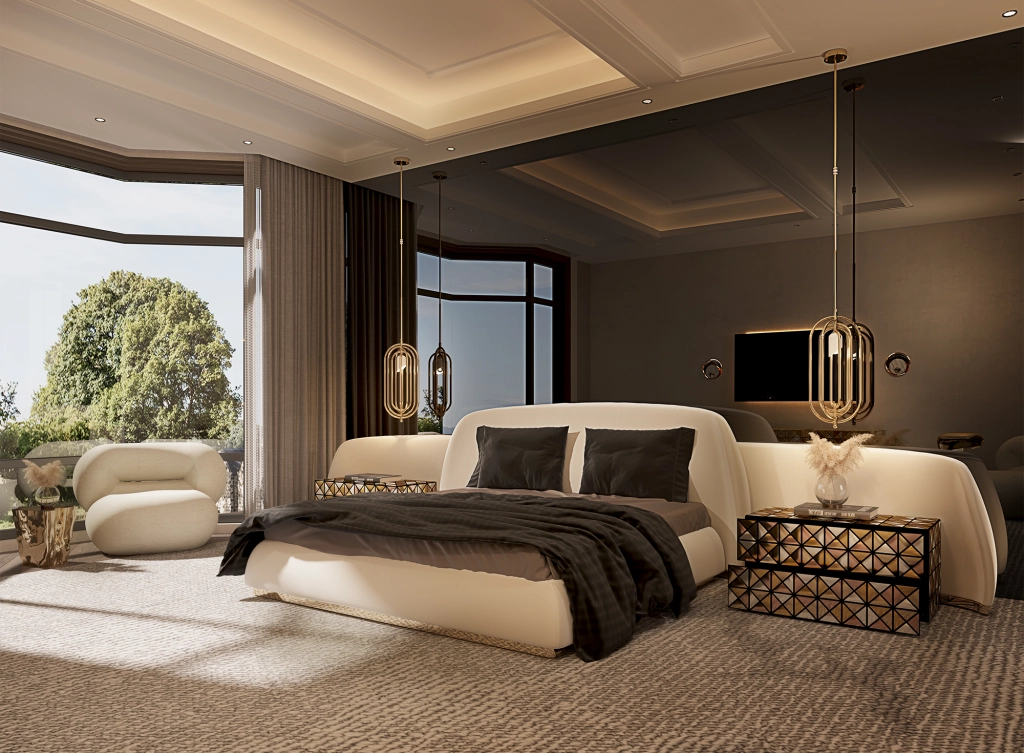
Luxury Living Spaces Reflect Lifestyle
Today’s luxury market is centered on lifestyle rather than status alone.
Homeowners seek interiors that support wellness, productivity, and meaningful social interaction. Comfortable lounges, elegant dining areas, private libraries, and spa-inspired bathrooms create environments that improve everyday living.
Furthermore, outdoor terraces, landscaped gardens, and integrated entertainment areas extend the home beyond its walls, making lifestyle a central component of contemporary luxury.
Technology Enhances Modern Homes
Smart technology has become an essential feature of premium residences.
Automated lighting, climate control, integrated security, and intelligent home systems improve convenience while remaining visually discreet. In addition, technology is increasingly incorporated into architecture without compromising aesthetic quality.
Therefore, innovation complements sophisticated design instead of dominating it.
The Influence of Global Interior Trends
Luxury interiors are shaped by international design influences while maintaining a timeless identity.
Mediterranean warmth, Scandinavian simplicity, Japanese minimalism, and artisan craftsmanship inspire contemporary spaces that feel refined yet welcoming. Moreover, designers combine these influences carefully to create balanced environments rather than temporary trends.
Consequently, luxury homes achieve global appeal while preserving their unique character.
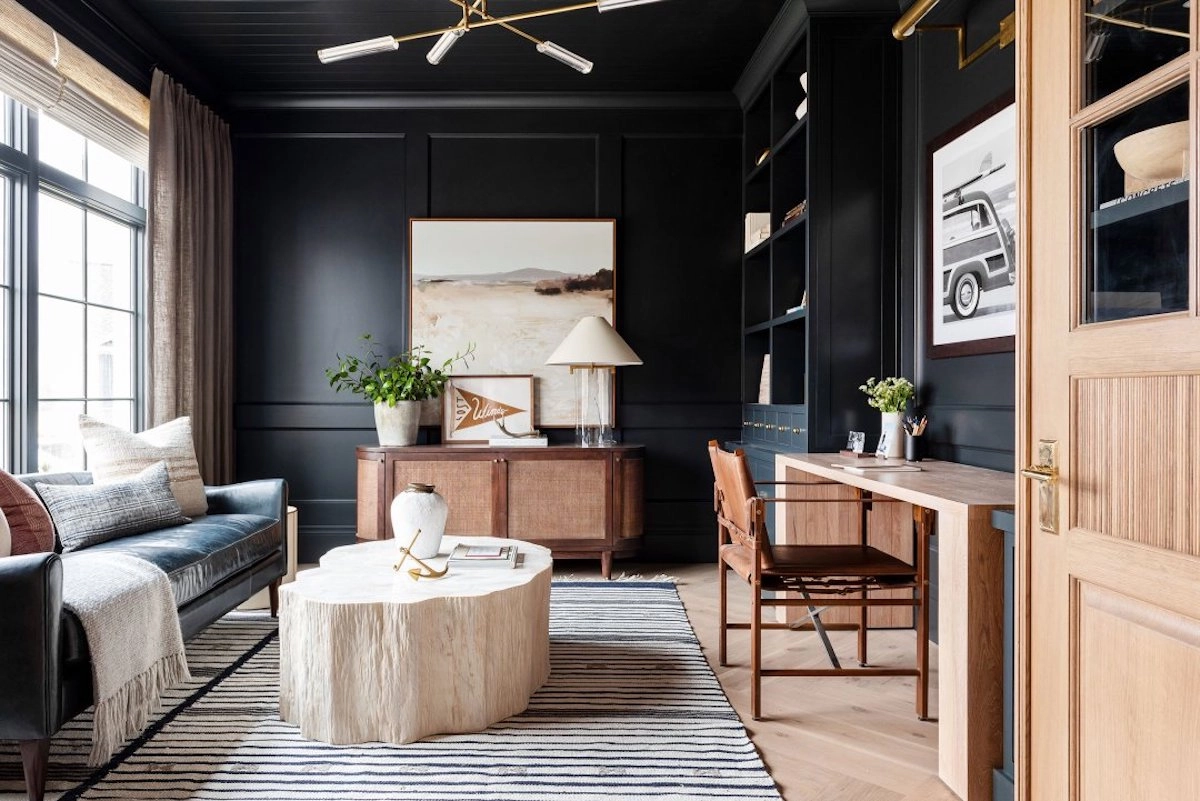
Sustainability Adds Long-Term Appeal
Sustainability has become an important factor in modern real estate.
Energy-efficient systems, responsibly sourced materials, and environmentally conscious construction methods are increasingly valued by buyers. Furthermore, durable design reduces the need for constant renovation and supports a more responsible lifestyle.
As a result, sustainability is now recognized as an essential component of premium residential development.
Interior Design Increases Property Value
Interior design is no longer viewed as a finishing touch—it is a strategic investment.
A well-designed residence creates stronger emotional connections during property viewings and often stands out in a competitive market. In addition, professionally curated interiors help buyers imagine themselves living in the space, increasing desirability and perceived value.
Therefore, developers and luxury real estate brands increasingly collaborate with renowned designers to create distinctive properties that attract discerning clients.
The Future of Luxury Living Spaces
The future of luxury real estate will be defined by personalization, craftsmanship, and intelligent design.
Homeowners are seeking residences that combine architectural excellence with comfort, flexibility, and sustainability. Furthermore, timeless interiors that prioritize quality over excess will continue to shape the premium market.
Consequently, luxury living will increasingly be measured by the experience a home provides rather than by its size alone.
Conclusion
Luxury Living Spaces represent the evolution of modern real estate, where architecture and interior design work together to create exceptional homes.
By combining premium materials, thoughtful planning, innovative technology, and timeless aesthetics, these residences offer lasting value and an elevated lifestyle.
Ultimately, the most desirable properties are those that transform everyday living into a refined experience through outstanding design and uncompromising quality.