Luxury Living and Digital Influence: How Social Media Shapes High-End Interiors

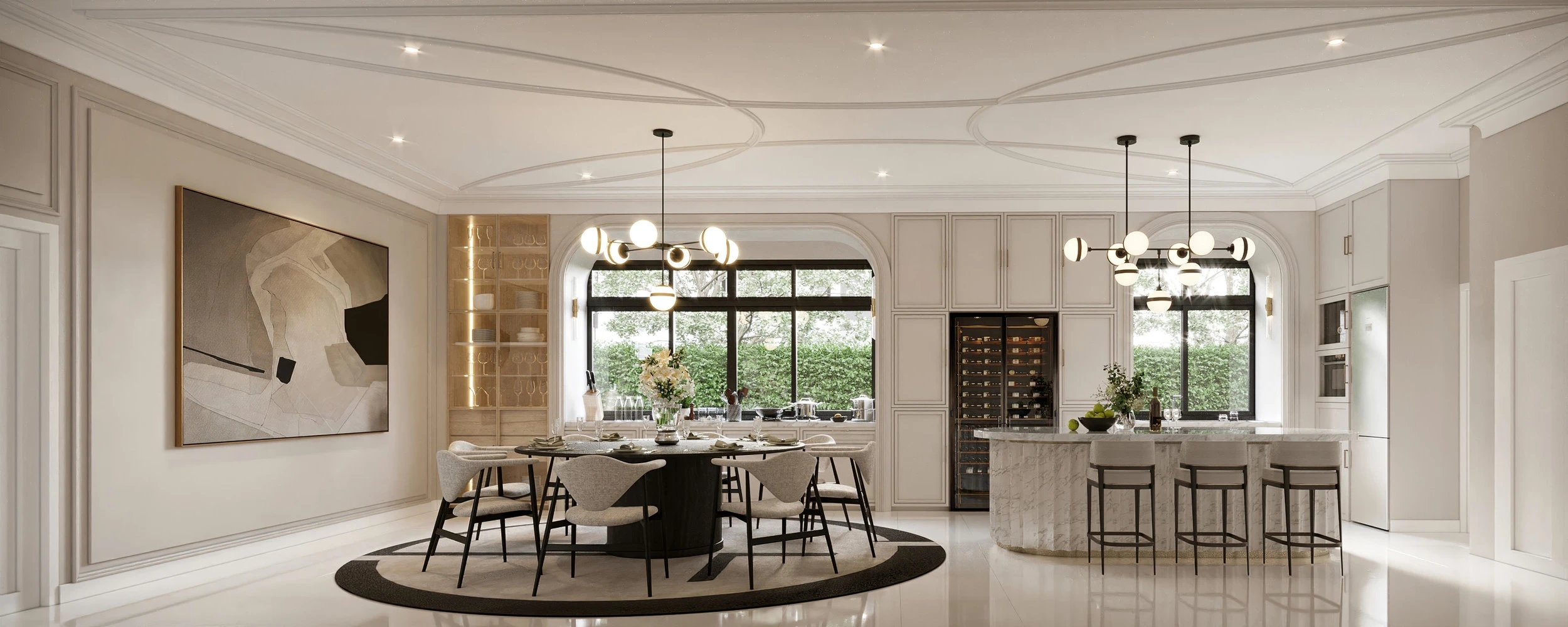
In today’s digital-first world, Luxury Living is no longer defined solely by architectural scale or rare materials. Increasingly, the perception of luxury is shaped by the visual culture of social media platforms, where interior spaces are shared, curated, and admired by millions of viewers worldwide.
For interior designers, architects, furniture brands, and luxury design studios, the intersection between Luxury Living and digital influence has become a powerful force driving aesthetic trends, brand recognition, and even design innovation. Platforms such as Instagram, Pinterest, and TikTok are redefining how luxury interiors are discovered, interpreted, and commercialized.
This transformation raises both creative opportunities and intellectual property considerations for design professionals working in the high-end interiors market.
The Rise of Social Media in Luxury Interior Design
Over the past decade, social media has become one of the most influential marketing and inspiration tools within the design industry. Luxury interior projects that once appeared only in print magazines are now instantly shared with global audiences.
For designers and brands, this digital visibility influences how Luxury Living environments are conceived and presented. Interiors are increasingly designed with strong visual impact, ensuring they perform well across digital platforms.
Some of the most recognizable design features emerging from social media include:
- Dramatic statement lighting
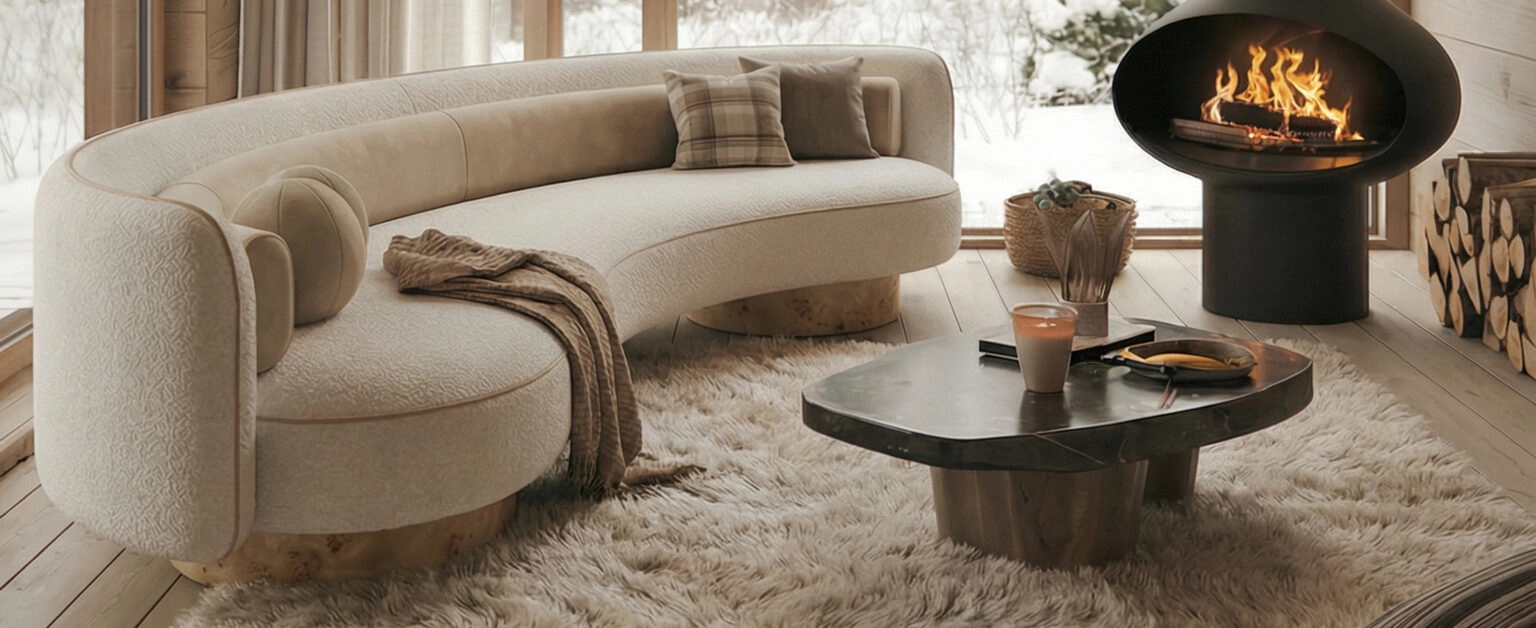
- Sculptural furniture pieces
- Minimalist color palettes
- Layered textures and natural materials
High-end projects from design leaders such as Kelly Wearstler and Jean-Louis Deniot frequently circulate across digital platforms, inspiring designers and clients worldwide.
The “Instagrammable” Interior
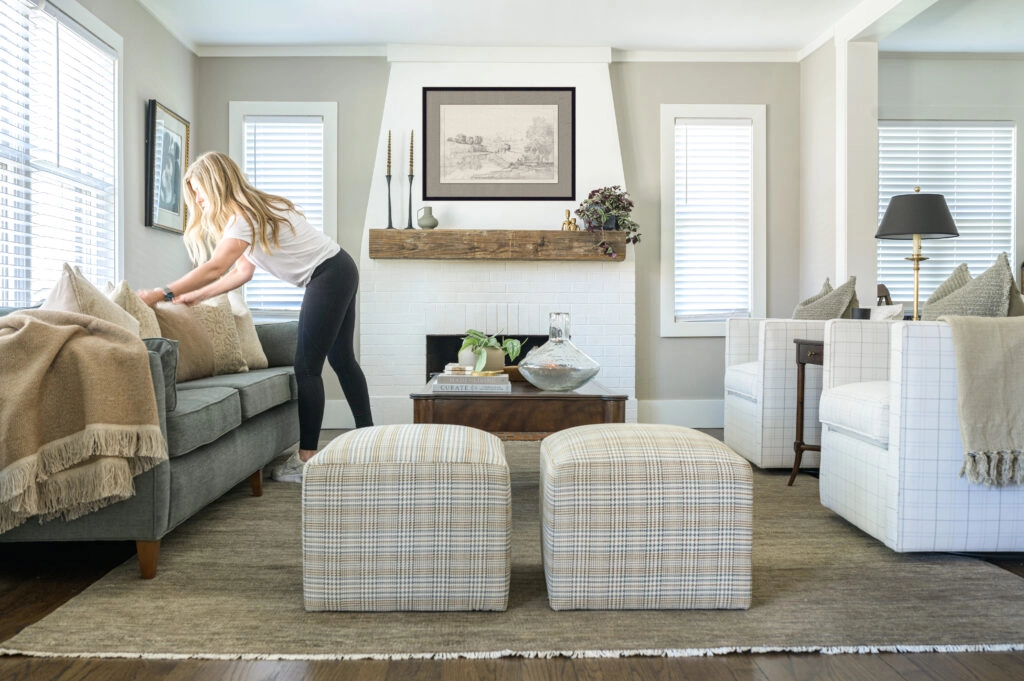
One of the most noticeable effects of social media on Luxury Living is the rise of the “Instagrammable” interior. These spaces are designed to create visually striking moments that translate well into photography and short-form video.
Luxury residences, boutique hotels, and hospitality spaces now incorporate:
- Architectural focal points
- Unique material compositions
- Sculptural staircases
- Art-driven interiors
Architectural firms and design studios increasingly collaborate with photographers and digital content strategists to ensure projects achieve maximum online visibility.
While visual appeal has always been essential in interior design, social media has amplified the importance of shareable spatial experiences.
Global Trend Acceleration
Social media has dramatically accelerated the pace at which interior design trends spread globally. In the past, design movements evolved gradually through exhibitions and professional publications. Today, a single viral interior can influence designers across continents within hours.
Luxury design trends currently spreading rapidly through digital platforms include:
- Organic modernism
- Japandi-inspired minimalism
- Statement marble applications
- Curved furniture and architectural forms
Design philosophies influenced by architects like Tadao Ando and Kengo Kuma frequently appear in social media-driven interior aesthetics.
For luxury design studios, this global exposure creates new opportunities to influence international markets.
Social Media as a Branding Platform for Designers
For many design professionals, social media has evolved from a promotional tool into a core branding platform.
Interior designers and architects now use platforms like Instagram and Pinterest to:
- Showcase portfolio projects
- Launch furniture collections
- Build personal brand recognition
- Connect with international clients
Furniture brands also benefit from digital exposure, particularly when launching limited-edition pieces or collectible design objects.
Digital storytelling—combining architecture, interiors, lifestyle, and craftsmanship—has become central to communicating the values of Luxury Living.
Intellectual Property Challenges in the Digital Age
While social media offers unprecedented exposure for designers, it also introduces significant intellectual property risks.
Luxury interiors and furniture designs shared online can be easily copied or replicated without authorization. This is particularly relevant for:
- Signature furniture pieces
- Custom lighting designs
- Unique architectural features
- Original interior concepts
In many jurisdictions, architectural works and interior designs are protected by copyright law if they demonstrate creative originality.
Design professionals should consider strategies such as:
- Copyright registration for architectural drawings and interior concepts
- Design patents for furniture and lighting products
- Trademark protection for signature design elements
Protecting intellectual property is essential for preserving the exclusivity that defines Luxury Living environments.
The Influence of Digital Tastemakers
Another powerful driver of luxury interior trends is the rise of digital tastemakers—design influencers, architects, and lifestyle creators who shape online conversations about luxury spaces.
Some influencers collaborate directly with luxury brands and design studios, helping introduce new furniture collections or architectural projects to global audiences.
These collaborations can be particularly effective when promoting:
- Luxury residential developments
- High-end furniture launches
- Hospitality design concepts
For designers, partnering with digital tastemakers offers a strategic way to amplify visibility while maintaining creative control.
Designing for Digital and Physical Experience
As social media continues to influence the design industry, the challenge for architects and designers is to balance digital aesthetics with authentic spatial experiences.
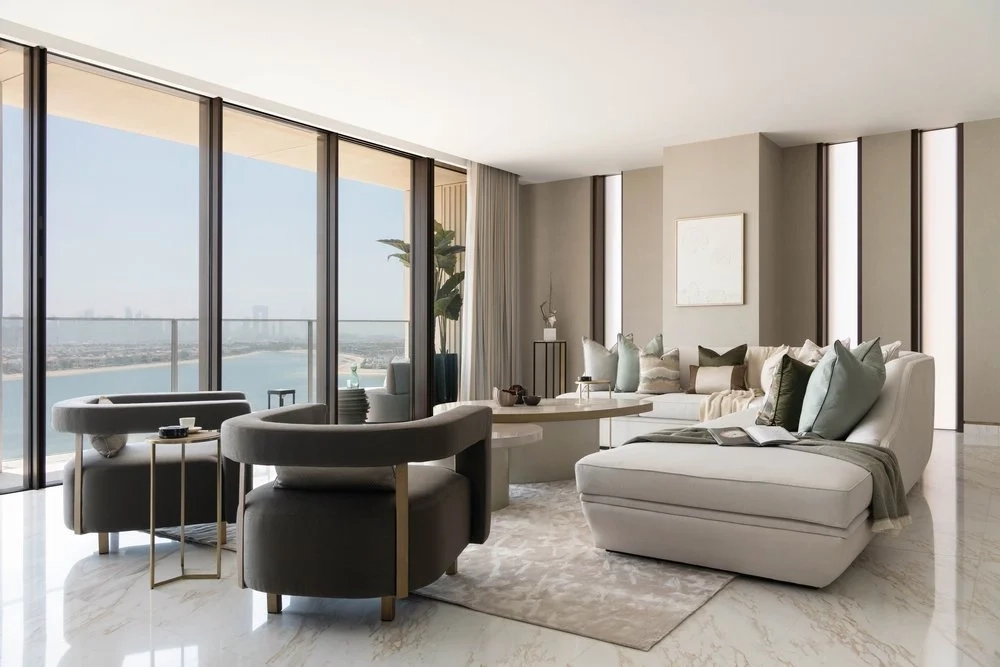
Luxury interiors must perform well both online and in real life. This means creating environments that combine:
- Visual drama for digital media
- Comfort and functionality for everyday living
- Timeless craftsmanship and materials
Successful luxury design projects achieve a harmony between photogenic appeal and experiential quality, ensuring that social media enhances rather than dictates design decisions.
The Future of Luxury Living in a Digital World
Looking ahead, the relationship between social media and Luxury Living will likely become even more intertwined. Emerging technologies such as virtual reality, immersive digital tours, and AI-driven design visualization may further transform how luxury interiors are presented and experienced.
Design studios and furniture brands that embrace digital platforms while protecting their intellectual property will be best positioned to thrive in this evolving landscape.
Ultimately, social media has not replaced traditional design values—it has simply provided a new stage on which luxury interiors can be discovered, admired, and shared with the world.