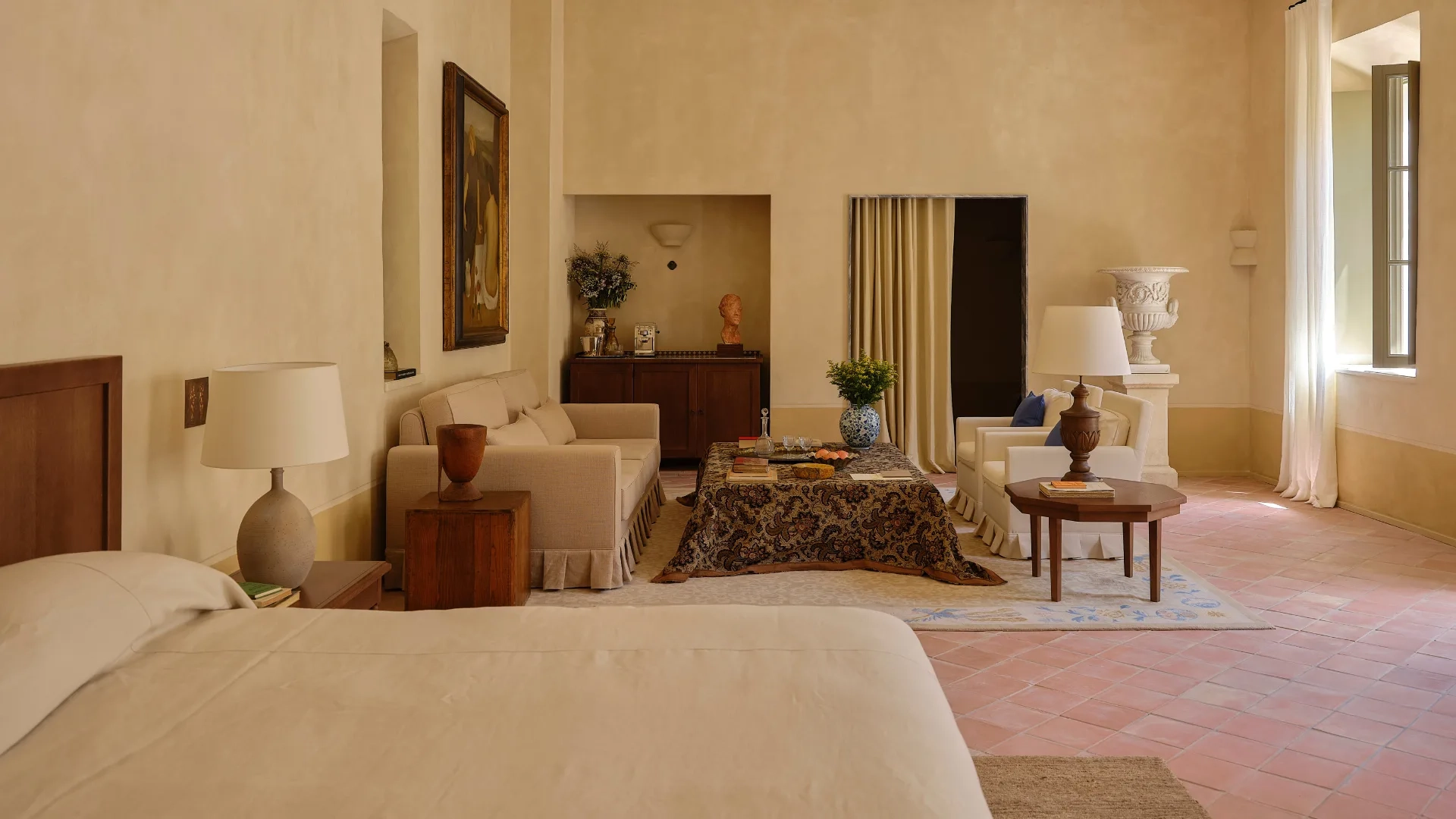
In contemporary practice, luxury interior design is undergoing a refined transformation, moving away from expressive opulence toward a quieter, more contemplative aesthetic. This shift toward monastic spaces reflects a deeper cultural desire for calm, clarity, and intentional living. For interior designers and architects, it represents an opportunity to rethink how luxury is defined, not through excess, but through precision, proportion, and atmosphere. As a result, spaces are becoming more restrained, where the absence of distraction allows architecture, light, and materiality to take center stage in shaping meaningful experiences.
The Evolution of Luxury Interior Design
Historically, luxury interior design emphasized grandeur, ornamentation, and visual richness. However, contemporary projects increasingly favor reduction and refinement. This evolution is driven by changing client expectations, where emotional well-being and spatial clarity are prioritized over decorative abundance.
Monastic-inspired interiors emerge from this context, offering a new perspective on luxury. By stripping spaces down to their essentials, designers create environments that feel both timeless and deeply personal. Moreover, this approach aligns with a broader movement toward mindful living, where design supports a slower, more intentional lifestyle without compromising sophistication or comfort.
Key Principles of Monastic Luxury Interiors
Monastic-inspired luxury interior design is grounded in a set of clear principles that guide both form and experience:
- Reduction of visual elements to essential components
- Emphasis on proportion, symmetry, and spatial balance
- Use of muted, natural color palettes
- Integration of architecture and interior elements
- Focus on atmosphere rather than decoration
Together, these principles create interiors that feel calm and cohesive, where every detail contributes to a unified spatial narrative.
Material Integrity and Sensory Experience
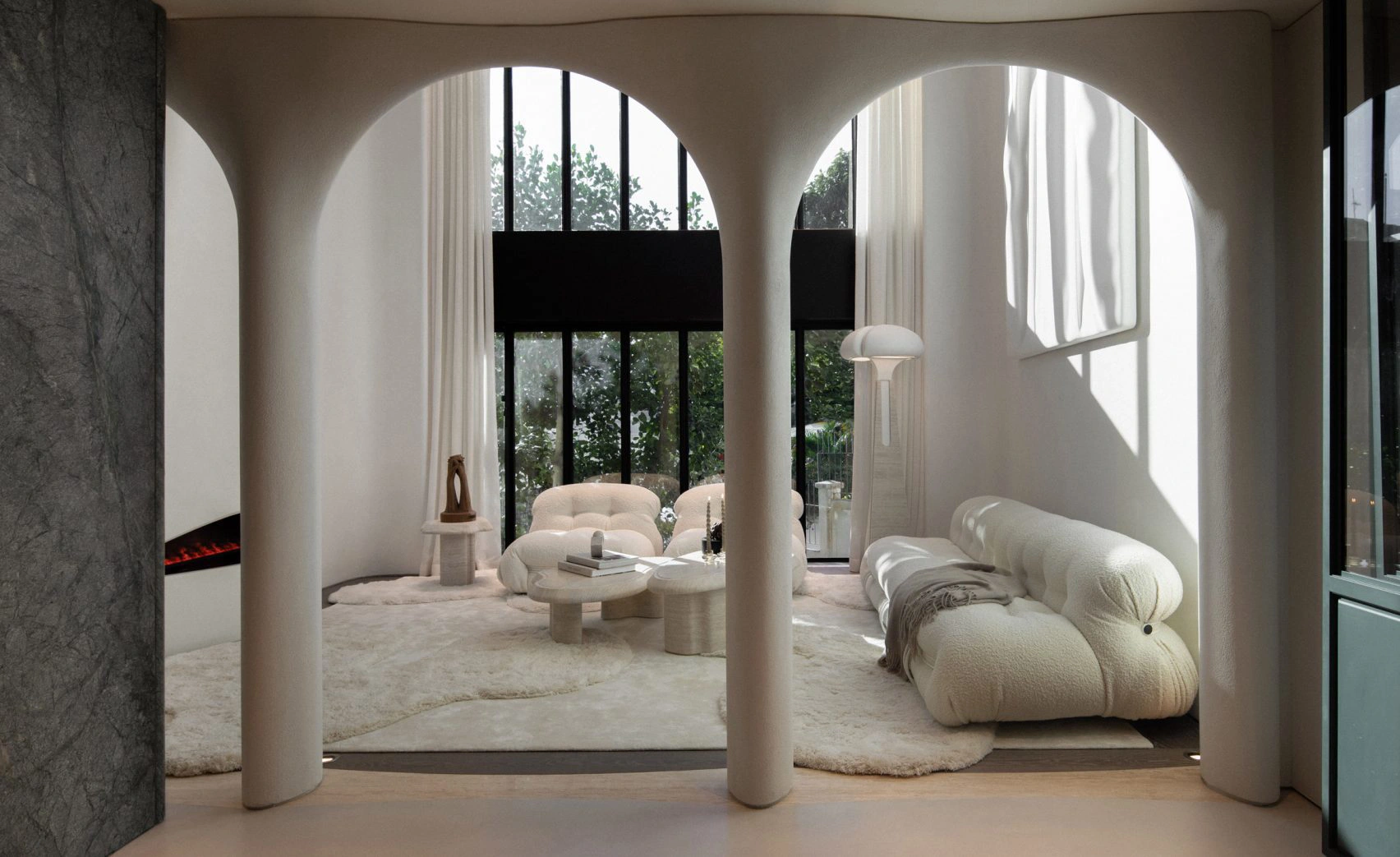
Materials play a central role in defining monastic luxury interiors. In the absence of ornamentation, their texture, tone, and authenticity become the primary sources of expression. Luxury interior design in this context relies on materials that age gracefully and offer tactile richness.
Stone, wood, and mineral-based finishes are often selected for their natural variations and depth. These materials interact subtly with light, creating surfaces that shift throughout the day. As a result, interiors feel alive without being visually overwhelming. Designers prioritize how materials are experienced through touch and perception, reinforcing a sense of quiet sophistication that defines modern luxury.
Spatial Clarity and Architectural Continuity
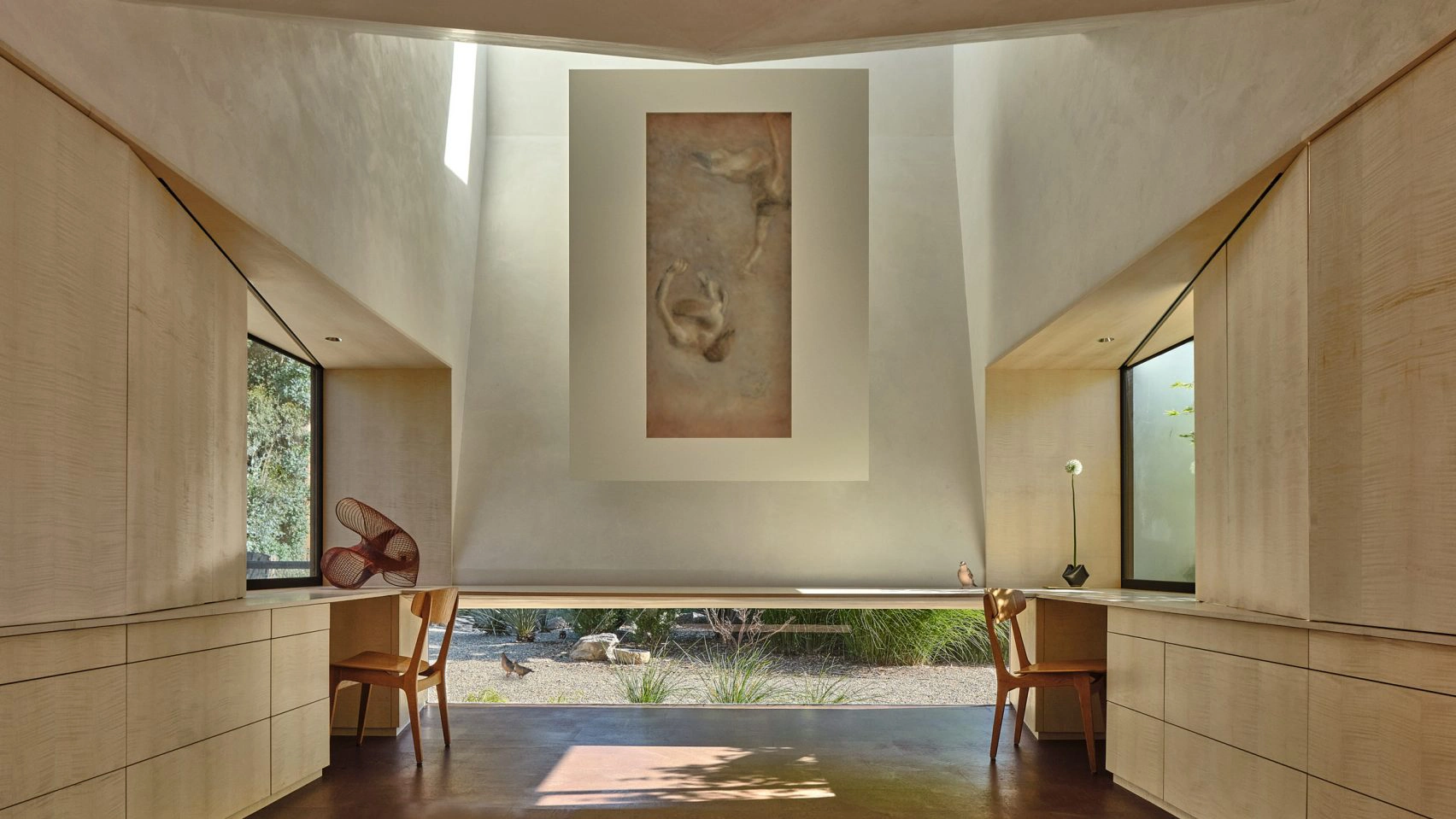
Achieving spatial clarity is essential in monastic-inspired luxury interior design. Designers focus on creating uninterrupted visual flows that enhance both movement and perception within a space:
- Open layouts that reduce unnecessary partitions
- Continuous surfaces across floors, walls, and ceilings
- Hidden storage solutions to maintain visual order
- Minimal transitions between functional zones
- Carefully aligned architectural elements
These strategies ensure that interiors feel expansive and cohesive, allowing the architecture itself to become the defining feature of the design.
Light as a Defining Element in Luxury Interior Design
Light is one of the most powerful tools in monastic-inspired interiors. Rather than serving as a decorative feature, it becomes an integral part of the architectural composition. Natural light is carefully framed to highlight textures and define spatial hierarchy.
Openings are positioned to capture changing light conditions, creating a dynamic interplay of shadow and illumination. This approach enhances the sensory experience without introducing visual complexity. In luxury interior design, the thoughtful use of light transforms minimal spaces into environments that feel both serene and deeply engaging, reinforcing the emotional depth of monastic aesthetics.
Furniture in Monastic-Inspired Interiors
Furniture selection in monastic luxury interiors is deliberately restrained, ensuring that each piece supports the overall spatial composition:
- Low-profile forms that emphasize horizontal lines
- Simple geometries aligned with architectural clarity
- Neutral tones that blend seamlessly with the environment
- High-quality materials that reflect craftsmanship
- Limited quantity to preserve openness
By adopting this approach, designers ensure that furniture enhances rather than competes with the architecture, maintaining the integrity of the monastic design language.
The Emotional Dimension of Minimalism
Beyond its visual qualities, monastic-inspired luxury interior design offers a profound emotional experience. These spaces are designed to evoke calm, focus, and introspection. The absence of excess allows occupants to engage more deeply with their surroundings.
This emotional dimension is particularly relevant in high-end residential projects, where clients increasingly seek environments that support well-being. By creating spaces that feel intentional and uncluttered, designers foster a sense of balance and harmony. Ultimately, luxury is redefined not as a display of wealth, but as the ability to create meaningful and restorative living environments.
Integrating Technology with Discretion
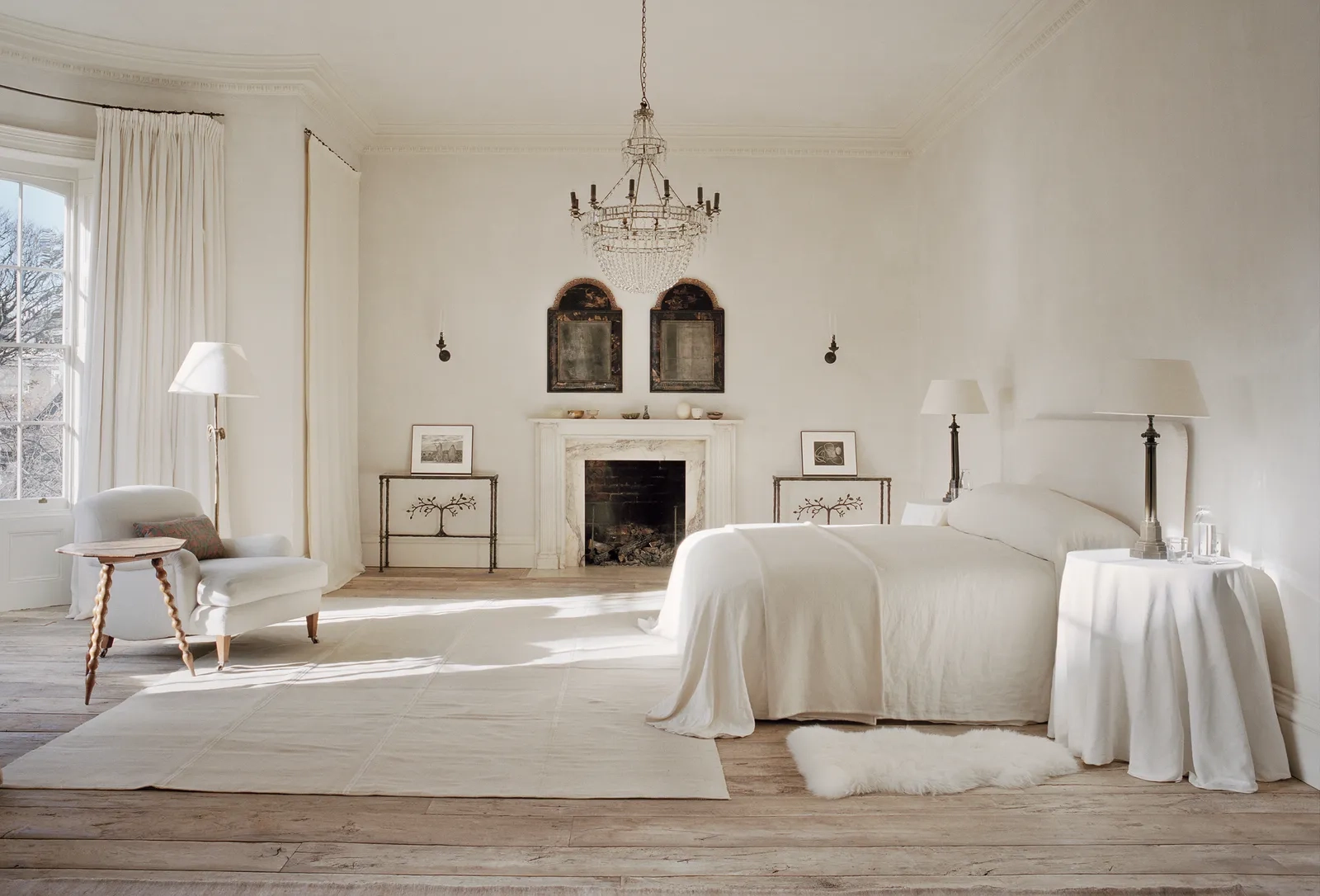
In modern luxury interior design, technology remains essential, yet it must be seamlessly integrated to preserve the monastic aesthetic:
- Concealed audio and visual systems within architectural elements
- Automated lighting that adapts subtly to daily rhythms
- Hidden climate control systems for optimal comfort
- Minimalist interfaces that avoid visual disruption
- Smart home integration that remains largely invisible
These solutions ensure that functionality enhances the user experience while maintaining the visual purity of the space.
The Future of Monastic Luxury Interior Design
As the design industry continues to evolve, the influence of monastic principles on luxury interior design is expected to grow. This trend reflects a broader cultural shift toward sustainability, mindfulness, and authenticity.
Future projects will likely explore new materials and technologies that support minimalism without compromising comfort. Designers will continue to refine the balance between simplicity and sophistication, creating interiors that feel both contemporary and timeless. This ongoing evolution positions monastic-inspired spaces as a defining direction for the future of high-end residential design.
Conclusion
The shift toward monastic spaces marks a significant moment in the evolution of luxury interior design. By embracing simplicity, material integrity, and spatial clarity, designers are redefining what it means to create truly luxurious environments.
For architects and interior designers, this approach offers a compelling framework for innovation. It challenges traditional notions of luxury while opening new possibilities for creating spaces that are both elegant and deeply meaningful. As client expectations continue to evolve, the ability to design serene, refined interiors will remain a key differentiator in the world of high-end design.