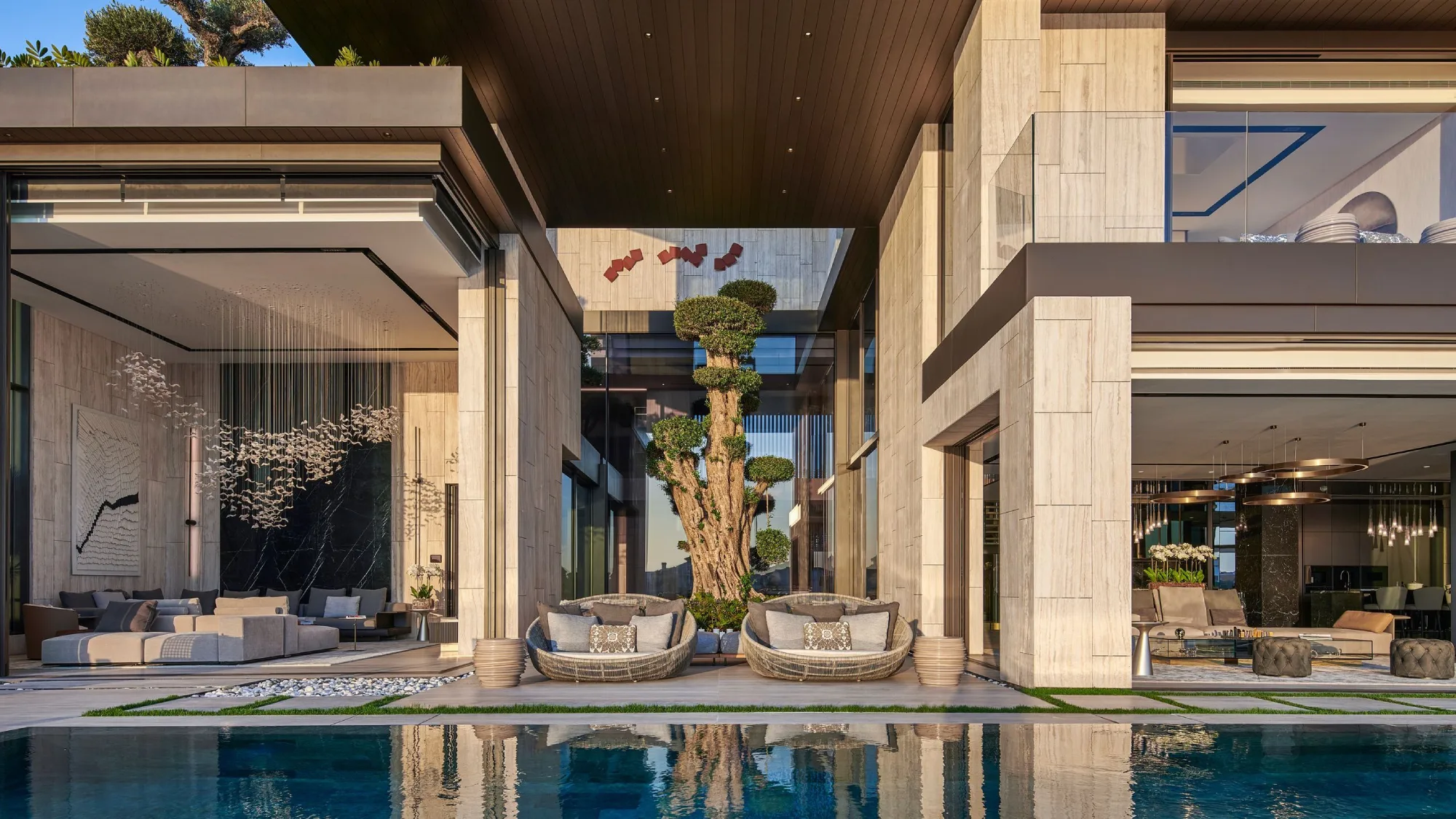
Luxury interior design in Dubai has become synonymous with innovation, opulence, and architectural ambition. Over the past two decades, Dubai has transformed into a global hub for luxury living, where interior design plays a central role in shaping high-end lifestyles.
For interior designers and architects, Dubai offers a unique environment where bold concepts and cutting-edge technologies converge. From waterfront villas to sky-high penthouses, interiors reflect a commitment to grandeur, precision, and experiential design that defines the city’s identity.
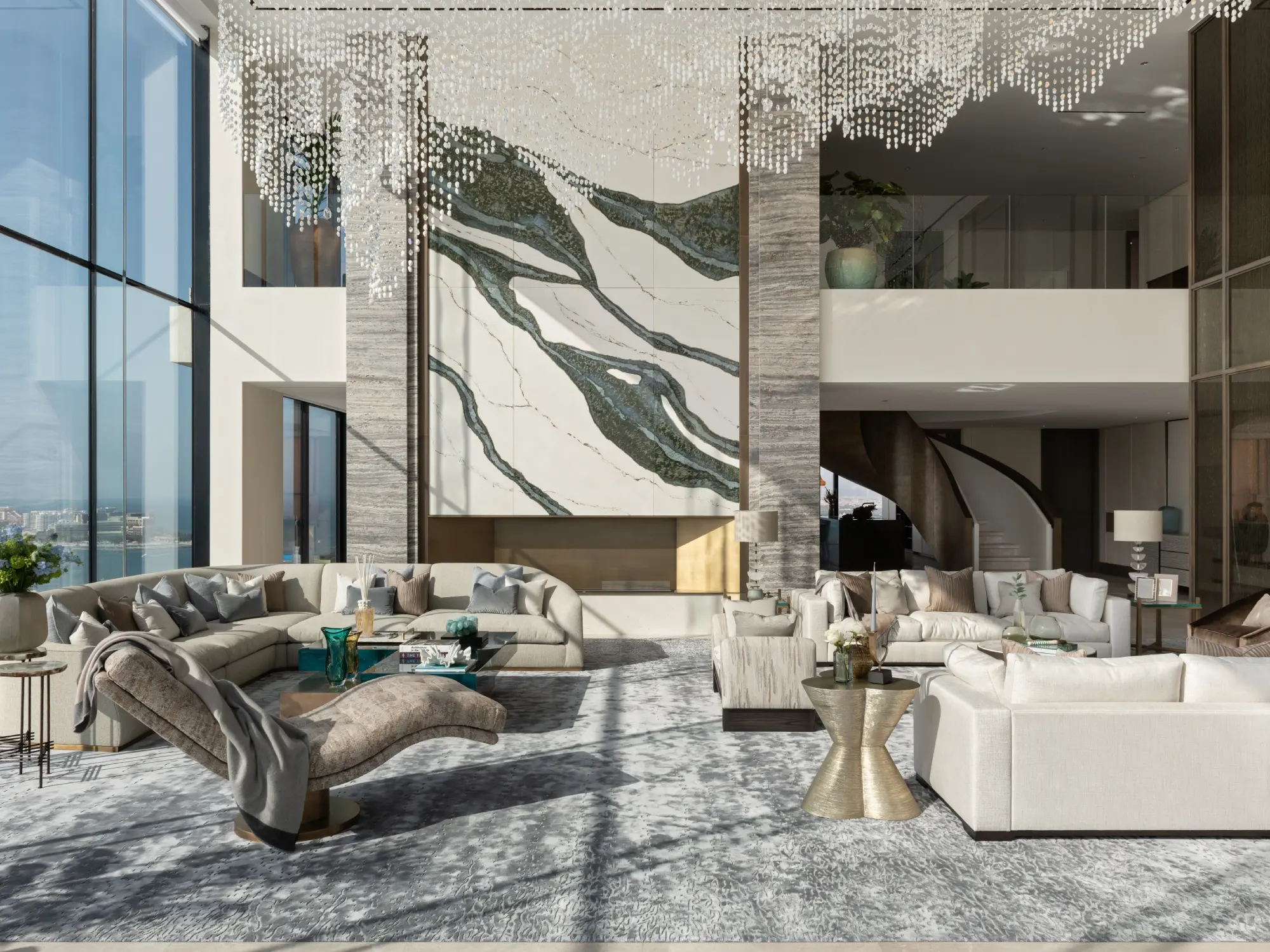
Key Characteristics of Dubai Luxury Interiors
Defining features of luxury interior design in Dubai include:
- Grand spatial layouts with double-height ceilings
- Extensive use of marble, glass, and polished metals
- Statement lighting installations
- Integration of smart home technologies
- Bespoke furniture and custom finishes
- Seamless indoor-outdoor living concepts
These elements create Dubai’s signature opulence.
Architecture as the Foundation of Interior Luxury
Architecture plays a pivotal role in shaping luxury interior design in Dubai, where iconic structures define interior possibilities. Buildings are conceived as landmarks, with interiors designed to match their visual impact.
Designers work closely with architects to ensure cohesion between exterior and interior elements. This collaboration results in spaces where structure, light, and materials interact seamlessly. The architectural scale often allows for expansive layouts, enabling designers to experiment with volume, proportion, and dramatic visual effects.
Architectural Strategies in Dubai Interiors
Design approaches often include:
- Emphasis on verticality and open volumes
- Use of structural glazing for panoramic views
- Integration of water features and natural elements
- Sculptural staircases as focal points
- Spatial zoning for luxury living
- Harmonization of façade and interior design
These strategies define Luxury Interior Design in Dubai.
Materiality and Opulent Finishes
Material selection is central to luxury design, where interiors showcase a refined palette of high-end finishes. Designers prioritize materials that convey luxury through texture, shine, and durability.
Marble, onyx, and exotic woods are frequently used alongside metals such as gold and brass. These materials are often customized to achieve unique patterns and finishes. The result is an environment that reflects both craftsmanship and innovation, reinforcing Dubai’s reputation for uncompromising luxury.
Signature Materials in Dubai Interiors
Common materials include:
- Marble and onyx with dramatic veining
- Polished metals such as gold and chrome
- Exotic wood veneers and paneling
- Glass and mirrored surfaces
- High-end textiles like silk and velvet
- Custom stone and composite finishes
These materials define luxury interior design in Dubai.
The Influence of Hospitality Design
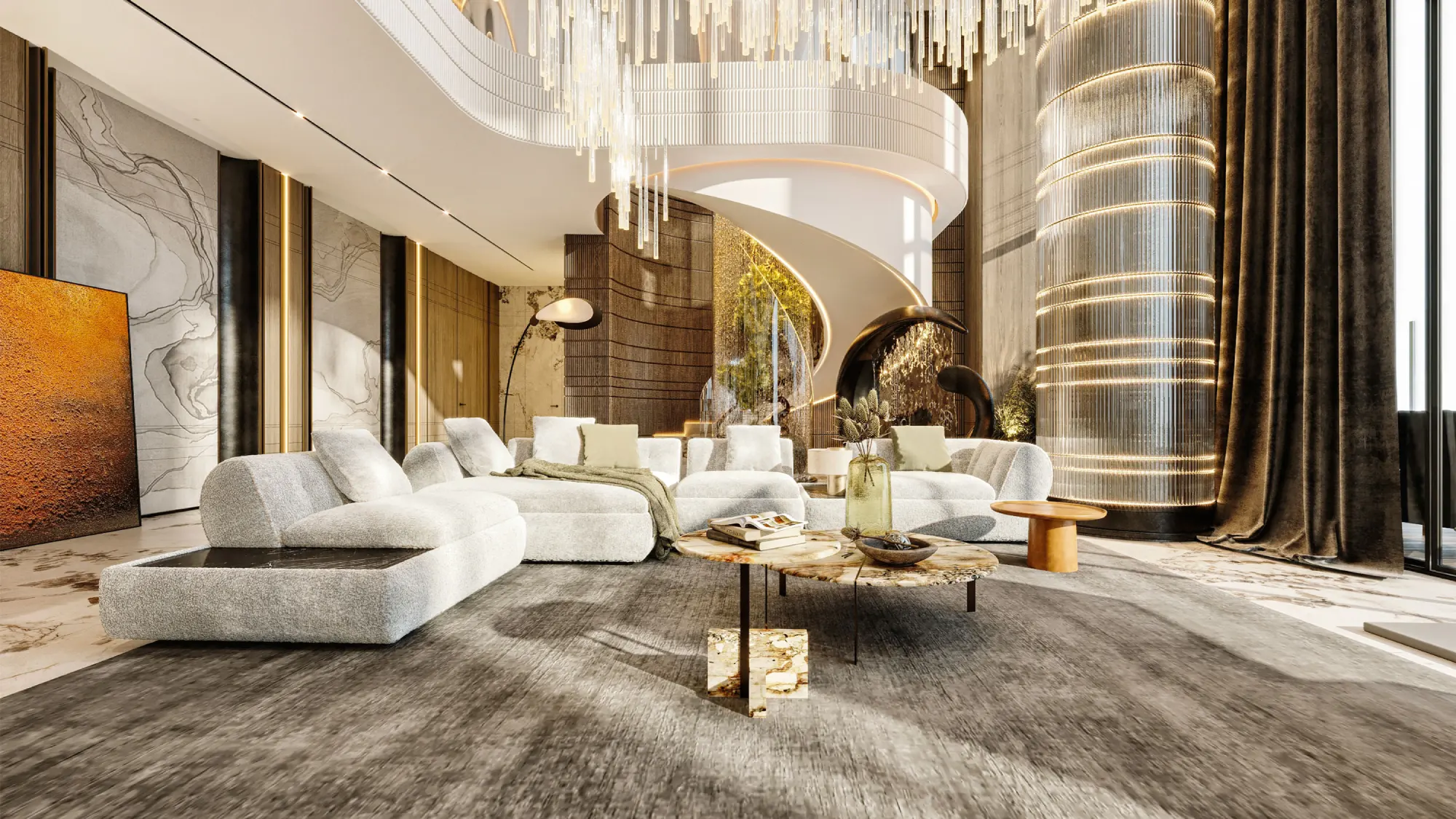
Hospitality design heavily influences luxury interior design, as many residential projects adopt hotel-like features. Interiors are designed to provide a five-star experience within private spaces.
This includes spa-inspired bathrooms, concierge-style services, and entertainment-focused layouts. Designers create environments that prioritize comfort, exclusivity, and sensory experience. For luxury studios, this crossover between residential and hospitality design represents a key trend shaping Dubai’s interiors.
Hospitality-Inspired Features
Luxury residences often include:
- Spa-like bathrooms with premium finishes
- Private cinemas and entertainment rooms
- Walk-in wardrobes resembling retail spaces
- Personalized concierge services
- Wellness areas such as gyms and saunas
- High-end kitchens with professional appliances
These features elevate luxury interior design in Dubai.
Customization and Bespoke Craftsmanship
Customization is essential in luxury interior design, where clients demand unique and personalized interiors. Designers create bespoke solutions that reflect individual tastes and lifestyles.
From custom furniture to intricate detailing, every element is tailored to the client’s vision. This level of personalization ensures exclusivity and distinguishes each project. For interior designers, the ability to deliver bespoke craftsmanship is critical in meeting the expectations of Dubai’s luxury market.
Bespoke Design Elements
Customization often includes:
- Tailor-made furniture and fixtures
- Custom lighting installations
- Unique material combinations
- Personalized spatial layouts
- Collaboration with artisans
- Integration of art and collectibles
These elements define bespoke luxury interior design in Dubai.
Technology and Smart Living Integration
Technology is a defining feature of luxury interior design in Dubai, enhancing convenience and efficiency. Smart home systems are seamlessly integrated into interiors, supporting a modern lifestyle.
Designers must ensure that these technologies complement the aesthetic rather than disrupt it. Automated lighting, climate control, and security systems are standard in luxury properties. This integration reflects Dubai’s forward-thinking approach to design and living.
Smart Features in Dubai Interiors
Common technologies include:
- Automated lighting and climate systems
- Advanced security and surveillance
- Integrated entertainment systems
- Smart kitchens with innovative appliances
- Energy-efficient solutions
- Centralized digital control interfaces
These features enhance Luxury Interior Design Dubai.
Sustainability in Dubai Luxury Design
Sustainability is increasingly shaping luxury interior design, as designers incorporate eco-conscious practices into high-end projects.
Energy-efficient systems, sustainable materials, and innovative technologies are becoming standard. This shift reflects a broader global trend toward responsible design. For luxury interiors, sustainability enhances both environmental performance and long-term value, aligning with the evolving expectations of clients.
Sustainable Design Practices
Common approaches include:
- Use of eco-friendly materials
- Energy-efficient lighting and systems
- Water conservation technologies
- Sustainable sourcing of materials
- Integration of green building standards
- Design for durability and longevity
These practices define sustainable Luxury Interior Design in Dubai.
The Future of Luxury Interiors in Dubai
The future of Luxury Interior Design Dubai will be defined by innovation, personalization, and sustainability. Designers will continue to push boundaries, exploring new materials and technologies.
As demand for experiential living grows, interiors will become more immersive and adaptable. Dubai will remain a global leader in luxury design, influencing trends worldwide. For professionals, staying ahead of these developments is essential for creating cutting-edge interiors.
Conclusion: Defining Global Luxury Through Design
Luxury Interior Design Dubai represents the ultimate expression of opulence, innovation, and architectural excellence. From grand materials to advanced technologies, every element contributes to a refined living experience.
For interior designers, architects, and luxury studios, Dubai offers a platform to redefine the boundaries of design. As the city evolves, it will continue to set new standards for luxury interiors on a global scale.