In the evolving landscape of luxury interior design, formal living spaces are making a notable return. Once considered outdated in favor of open-plan living, these rooms are being reinterpreted with a contemporary lens. Today, they are no longer rigid or ceremonial, but rather curated environments that balance elegance with functionality. For interior designers and architects, this shift reflects a renewed interest in spatial hierarchy and intentional living. As a result, formal living rooms are emerging as refined settings for both social interaction and quiet retreat within high-end residential projects.
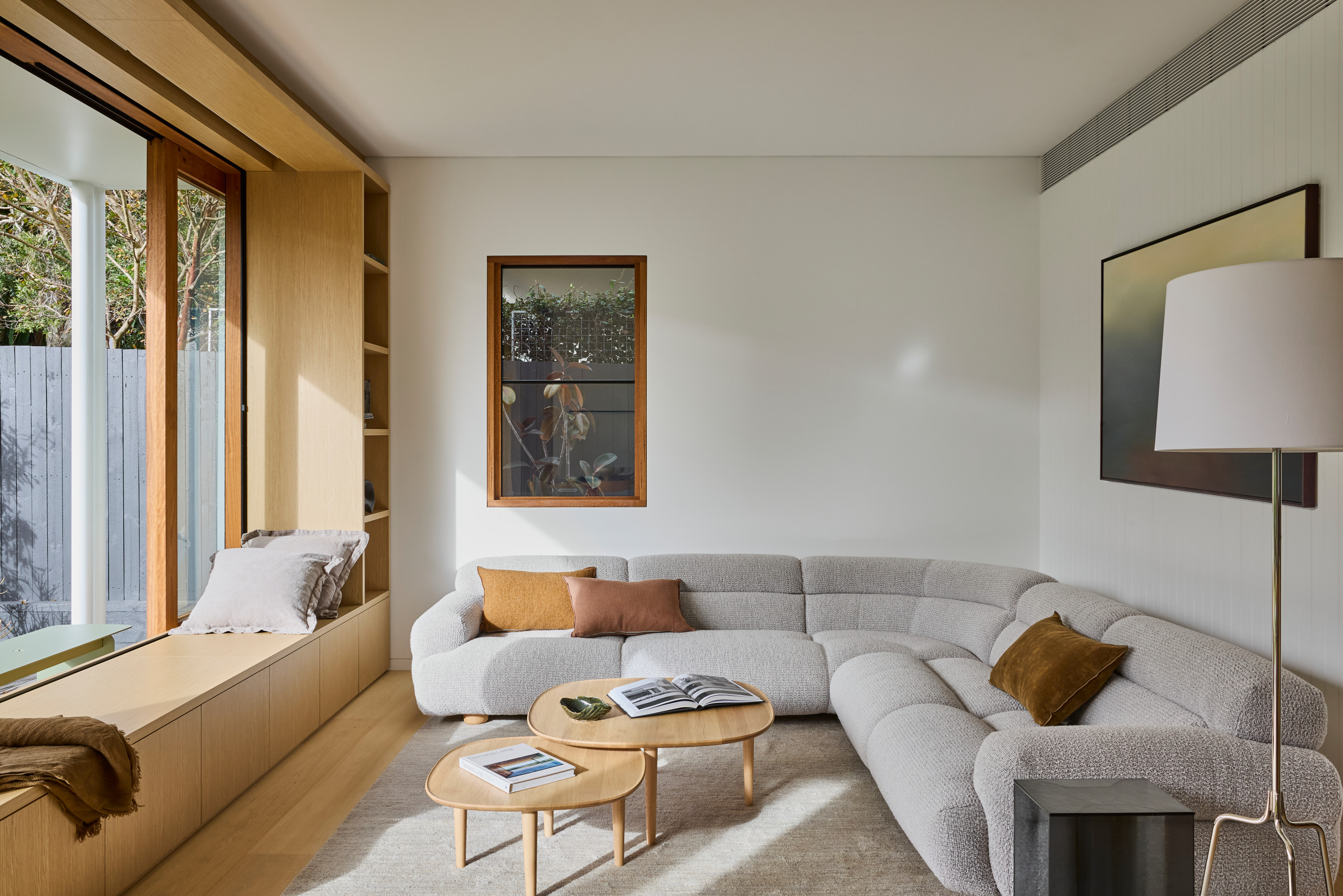
The Evolution of Formal Living Spaces
Formal living spaces have historically been associated with tradition, often reserved for special occasions and characterized by structured layouts. However, modern luxury interior design has redefined their role within the home.
Rather than being isolated or underutilized, these spaces are now integrated into daily living. Designers are reimagining them as flexible environments that support both entertaining and relaxation. This evolution reflects changing lifestyles, where clients seek a balance between openness and defined spaces. Consequently, formal living rooms are no longer static but dynamic, adapting to contemporary needs while maintaining their sense of sophistication.
Key Characteristics of Modern Formal Living Rooms
Contemporary formal living spaces within luxury interior design share several defining characteristics:
- Clearly defined layouts that establish spatial hierarchy
- Refined material palettes that emphasize quality and texture
- Balanced proportions that enhance comfort and elegance
- Thoughtful furniture arrangements that encourage conversation
- Subtle detailing that replaces excessive ornamentation
These elements create spaces that feel composed and intentional, where every component contributes to a cohesive design narrative.
Spatial Hierarchy and Architectural Definition
One of the most significant aspects of the return of formal living spaces is the reintroduction of spatial hierarchy. In luxury interior design, this approach allows different areas of the home to serve distinct purposes while maintaining overall cohesion.
Architectural elements such as thresholds, ceiling variations, and framing devices are used to define these spaces without fully enclosing them. This creates a sense of progression and depth within the home. Moreover, the presence of a formal living room establishes a focal point, anchoring the overall layout. The result is a more structured and balanced spatial experience that enhances both functionality and aesthetic clarity.
Materiality and Refined Detailing
Material selection plays a critical role in shaping formal living spaces. Designers often focus on the following elements:
- High-quality natural materials such as marble, wood, and stone
- Layered textiles that introduce softness and comfort
- Subtle contrasts that add depth without overwhelming the space
- Custom finishes that reflect craftsmanship
- Neutral color palettes that support timeless elegance
Through these choices, luxury interior design achieves a sense of understated sophistication, where materials become the primary source of visual interest.
Furniture Layout and Social Interaction
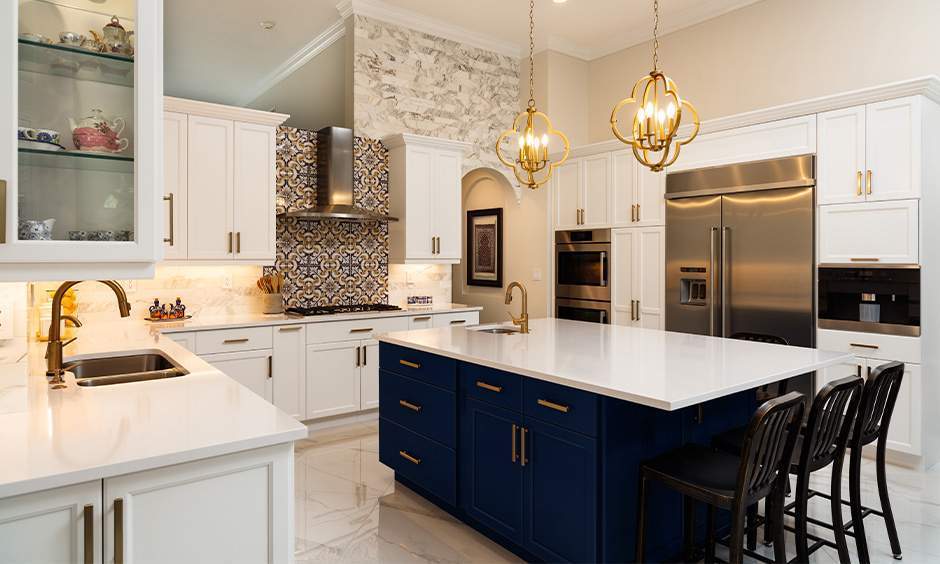
Furniture arrangement is central to the success of formal living spaces. In contemporary luxury interior design, layouts are designed to encourage interaction while maintaining a sense of order.
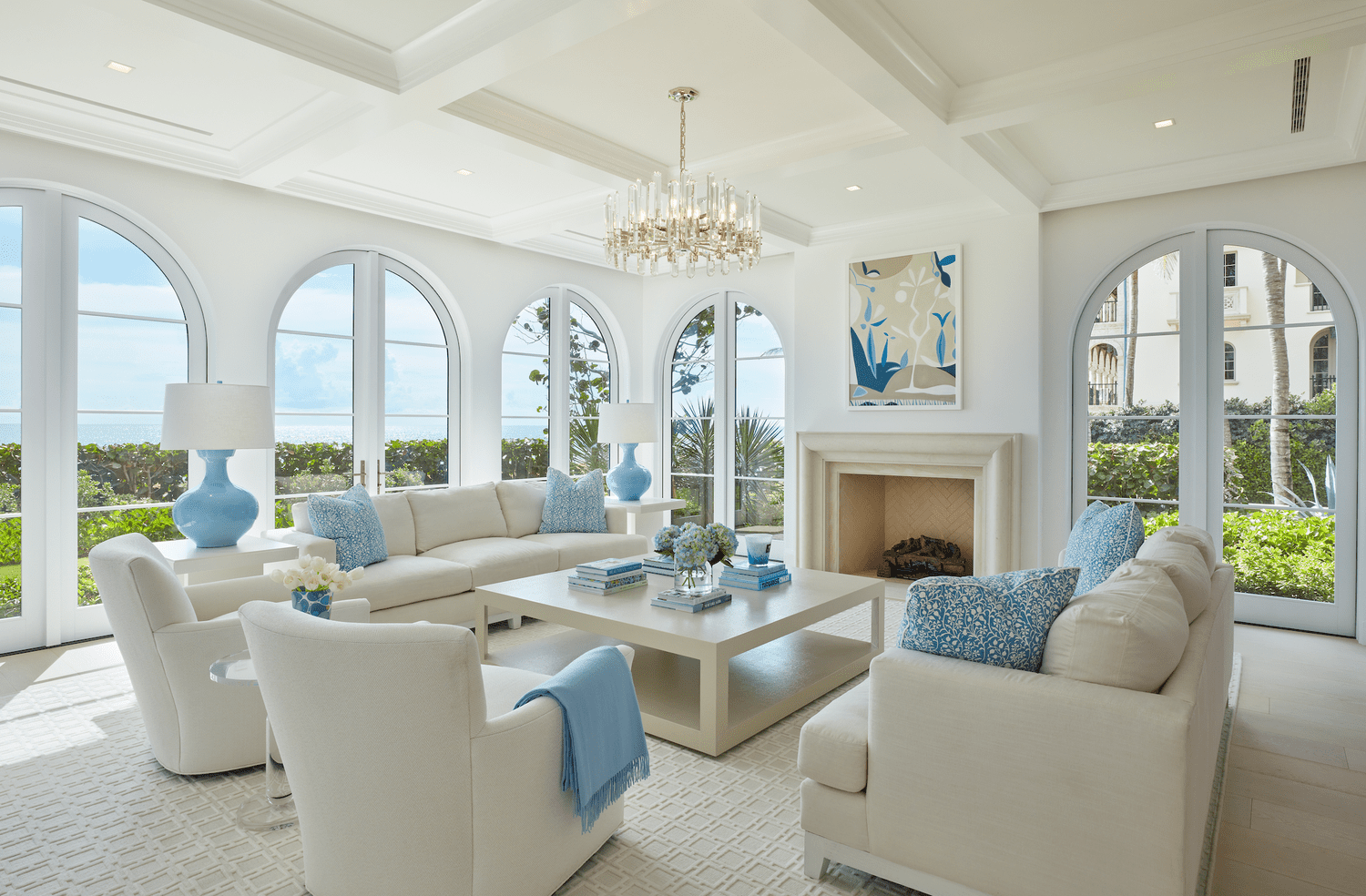
Seating is often arranged in symmetrical or semi-symmetrical configurations, creating a natural flow for conversation. Sofas, armchairs, and accent tables are carefully positioned to balance openness with intimacy. Additionally, furniture pieces are selected not only for their aesthetic value but also for their comfort and usability. This approach ensures that formal living rooms are both elegant and inviting, supporting a range of social and personal activities.
Lighting Strategies in Formal Living Spaces
Lighting is essential in defining the atmosphere of formal living rooms. Designers typically employ a layered approach:
- Ambient lighting to establish a consistent base level of illumination
- Accent lighting to highlight architectural features and artworks
- Task lighting for functional areas within the space
- Decorative fixtures that serve as focal points
- Natural light to enhance spatial quality
These strategies create a dynamic environment that can adapt to different moods and occasions, reinforcing the versatility of formal living spaces.
The Role of Art and Decorative Elements
Art and decorative elements play a nuanced role in modern formal living rooms. Rather than overwhelming the space, they are carefully curated to complement the overall design.
In luxury interior design, artworks are often used as focal points, anchoring the composition of the room. Sculptural objects and decorative pieces are selected for their form and materiality, adding layers of interest without disrupting the balance. This restrained approach ensures that the space remains cohesive, where each element contributes to a unified aesthetic rather than competing for attention.
Integrating Technology with Elegance
Modern formal living spaces must accommodate technology without compromising their refined aesthetic. Designers often incorporate solutions such as:
- Concealed media systems that maintain visual clarity
- Integrated lighting controls for flexibility
- Hidden speakers that preserve acoustic quality
- Minimalist interfaces that blend with the design
- Smart home systems that enhance convenience
These integrations ensure that functionality supports the space while remaining discreet, aligning with the principles of contemporary luxury interior design.
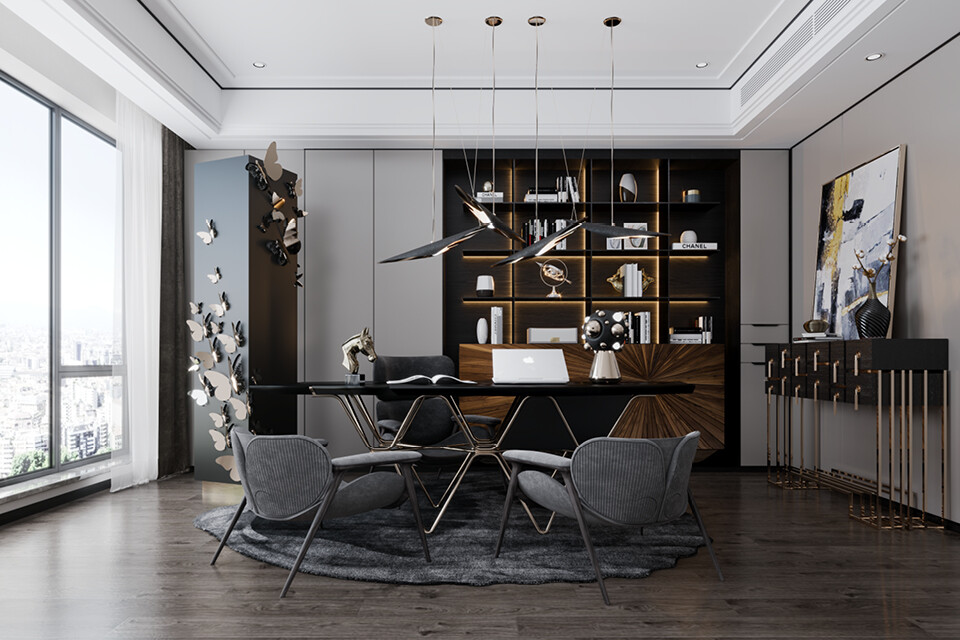
The Emotional Value of Formal Living Spaces
Beyond their visual appeal, formal living rooms offer significant emotional value. They provide a sense of occasion and intentionality that is often missing in more casual spaces. In luxury interior design, this translates into environments that feel both special and welcoming.
These rooms encourage meaningful interactions, whether through conversation, reading, or quiet reflection. By creating a dedicated space for these activities, designers enhance the overall experience of the home. This emotional dimension reinforces the importance of formal living spaces in contemporary residential design.
The Future of Formal Living in Luxury Homes
As luxury interior design continues to evolve, formal living spaces are expected to remain relevant, albeit in increasingly flexible forms. Designers will continue to explore ways to balance structure with adaptability, ensuring that these rooms meet the needs of modern lifestyles.
Future trends may include more fluid boundaries between formal and informal areas, as well as greater integration of multifunctional elements. However, the core principles of elegance, proportion, and material quality will remain central. This ensures that formal living spaces continue to serve as defining features within high-end residential environments.
Conclusion
The return of formal living spaces marks a significant development in luxury interior design, reflecting a renewed appreciation for structure, elegance, and intentionality. By reinterpreting these rooms for contemporary living, designers are creating environments that balance tradition with innovation.
For architects and interior designers, this shift offers new opportunities to explore spatial hierarchy, materiality, and user experience. As the demand for refined and meaningful interiors continues to grow, formal living spaces will remain a key element in shaping the future of luxury residential design.