Luxury Design Destinations have become a defining trend in contemporary travel. Today’s travelers are no longer choosing destinations solely for their landscapes or cultural attractions. Instead, they are increasingly drawn to places where architecture, interior design, hospitality, and lifestyle come together to create immersive experiences.
Across the world, certain cities have emerged as global references for design-conscious travelers. From Mediterranean coastal enclaves to cosmopolitan urban centers, these destinations demonstrate how exceptional design can transform the way people experience travel.
As a result, luxury travel is evolving into a journey shaped by aesthetics, craftsmanship, and meaningful connections with place.
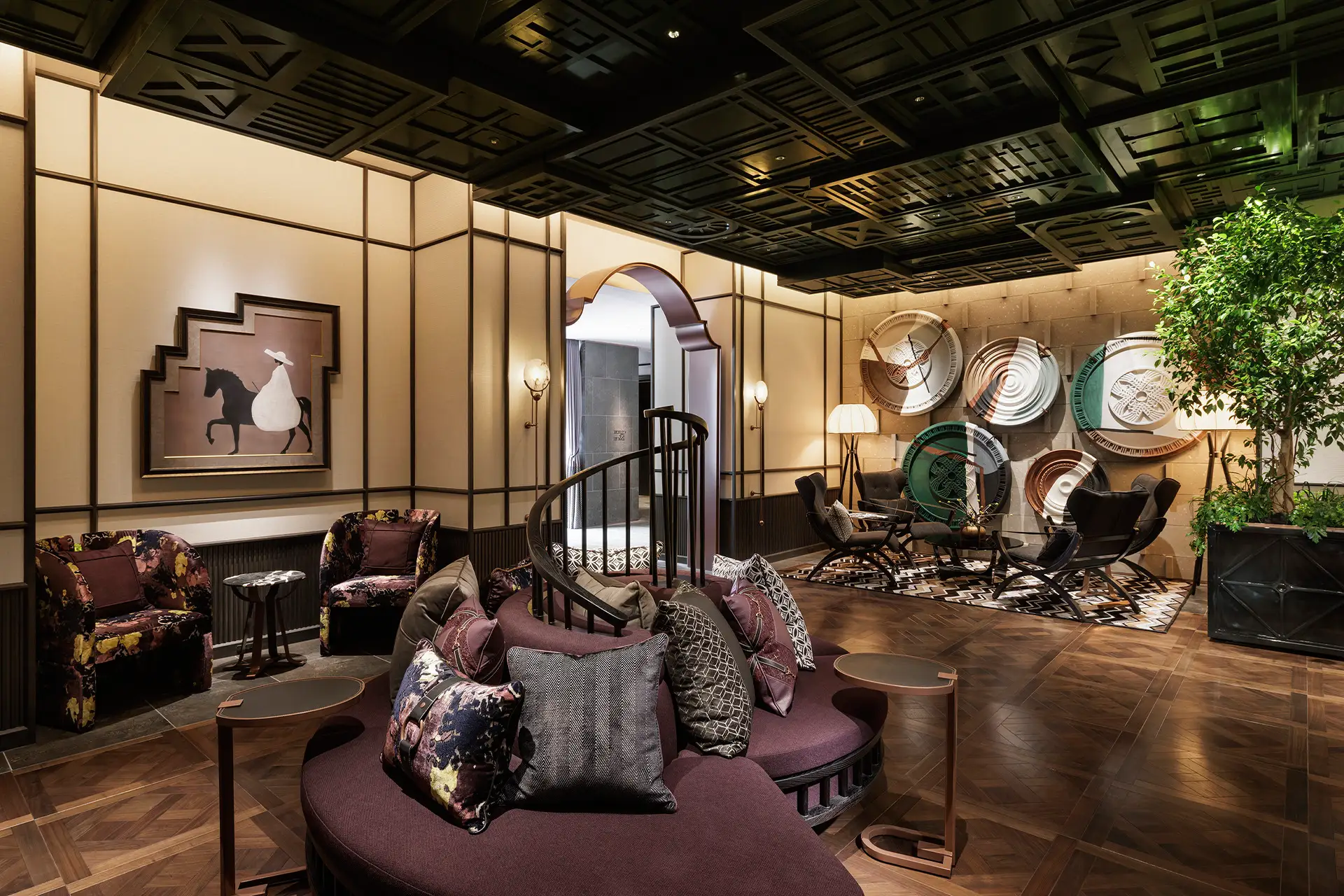
Why Design Has Become a Travel Motivation
Design now plays a central role in how travelers choose destinations.
Boutique hotels, architectural landmarks, curated hospitality experiences, and design-driven neighborhoods have become major attractions for modern travelers. Moreover, visitors increasingly seek environments that inspire creativity and reflect local culture through architecture and interiors.
Therefore, travel is no longer just about discovering new locations—it is about experiencing spaces that tell stories through design.
Luxury Design Destinations and the Power of Architecture
Architecture often becomes the visual identity of a destination.
Contemporary museums, luxury residences, boutique hotels, and cultural institutions contribute to a city’s global appeal. Furthermore, architecture influences how people interact with their surroundings, creating memorable experiences that extend beyond sightseeing.
Consequently, destinations known for architectural excellence continue to attract travelers seeking inspiration and sophistication.
Monaco: Mediterranean Elegance and Contemporary Living
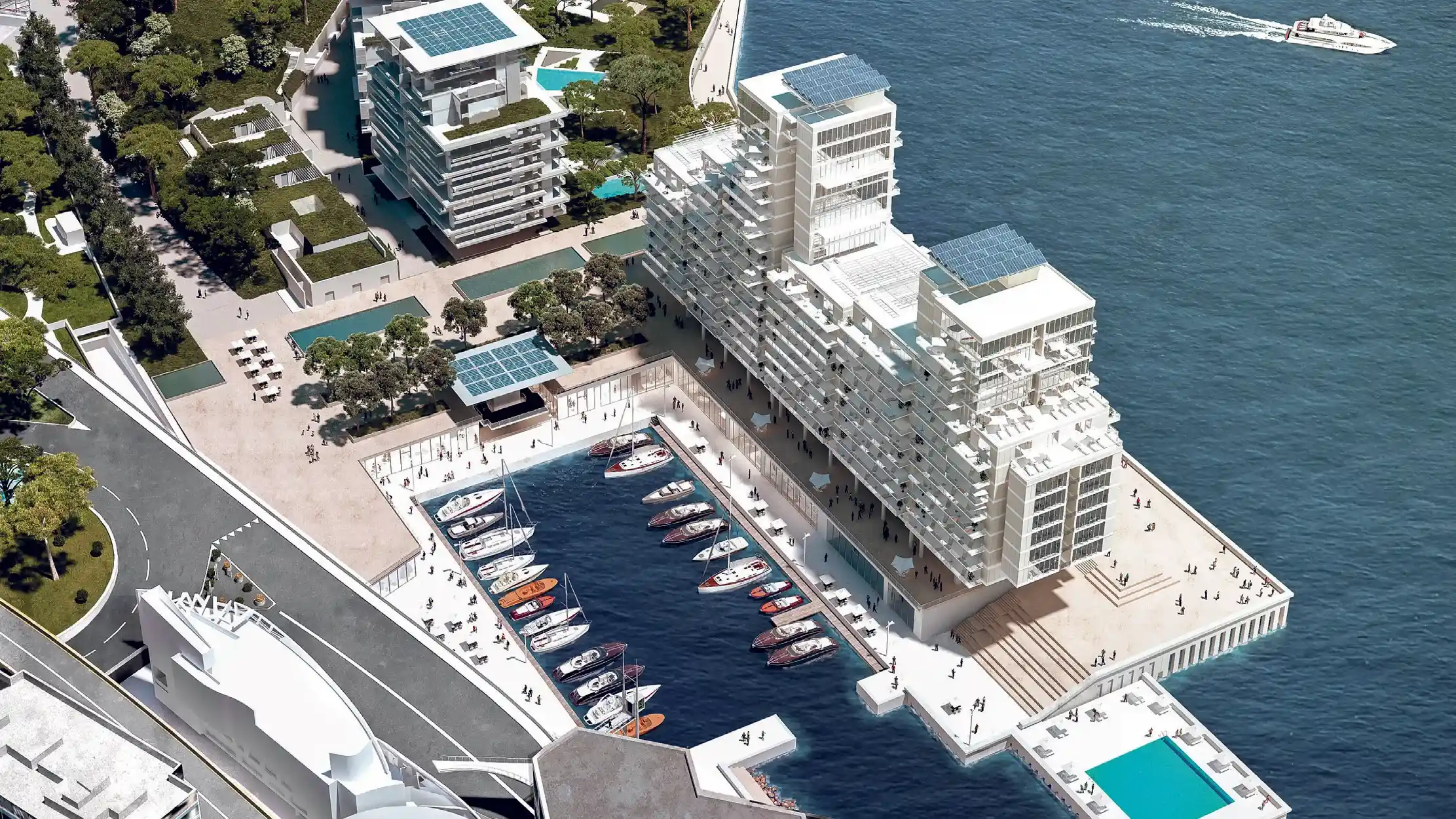
Monaco remains one of the most influential destinations for luxury design.
Its waterfront residences, refined hospitality projects, and contemporary architecture demonstrate how design can elevate everyday living. Expansive glazing, premium materials, and seamless indoor-outdoor spaces have become defining characteristics of the principality’s design language.
As a result, Monaco continues to inspire architects, interior designers, and luxury travelers from around the world.
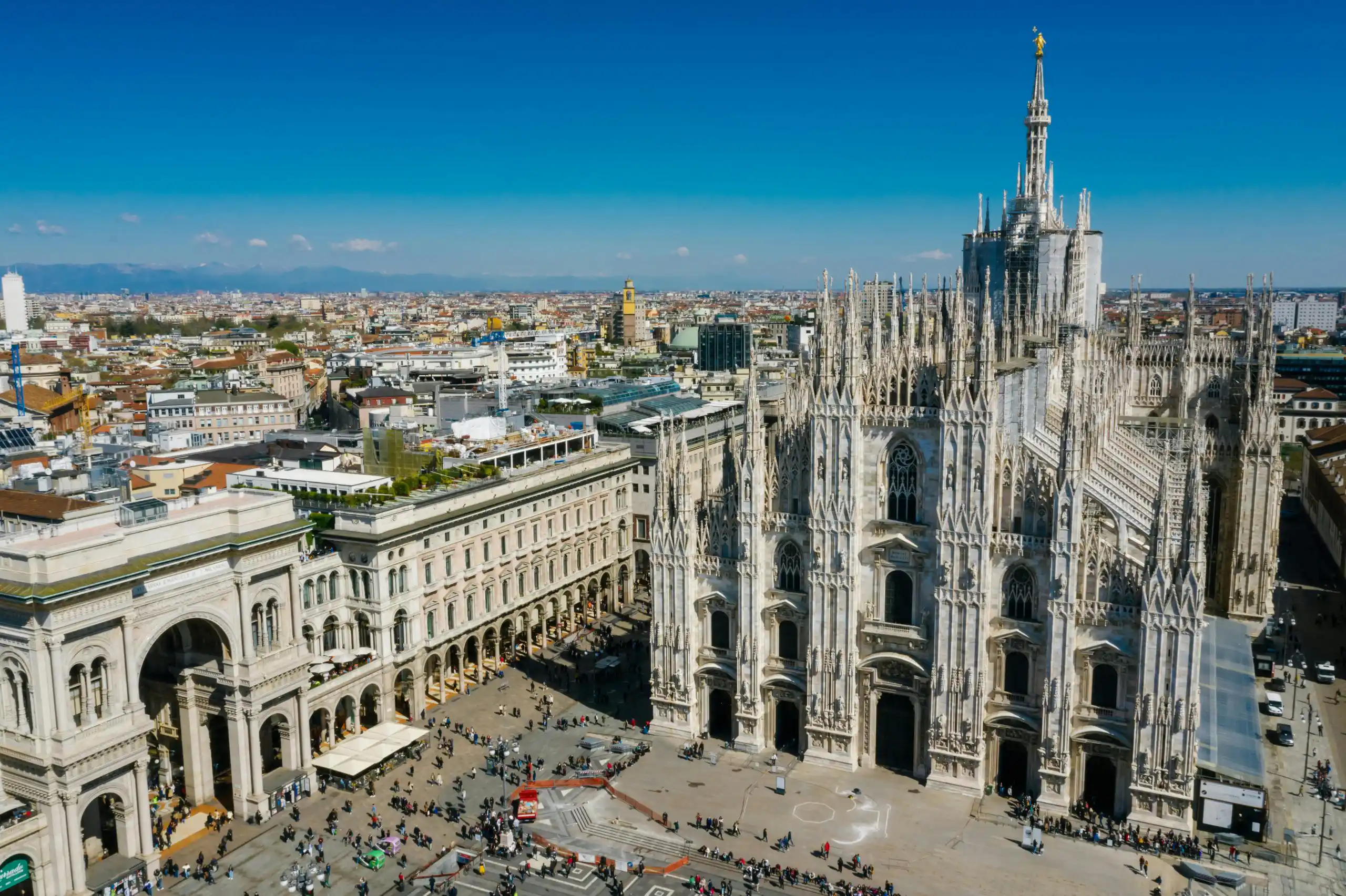
Milan: The Global Capital of Design
Few cities influence contemporary interiors as profoundly as Milan.
Known for its furniture fairs, design districts, and architectural heritage, the city serves as a meeting point for creativity and innovation. Moreover, Milan demonstrates how craftsmanship and modern design can coexist within a sophisticated urban environment.
Therefore, it remains an essential destination for anyone interested in the future of luxury interiors.
The Mediterranean Influence on Travel Design
Mediterranean destinations continue to shape global hospitality trends.
Natural materials, outdoor living, handcrafted details, and a strong connection to landscape create environments that feel timeless and welcoming. Furthermore, hotels and resorts throughout the region increasingly blend local traditions with contemporary design principles.
Consequently, Mediterranean design remains one of the most influential sources of inspiration in luxury travel.
Hospitality as a Design Experience
Luxury hospitality has evolved far beyond accommodation.
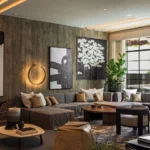
Today’s leading hotels prioritize atmosphere, storytelling, and emotional connection through design. Natural materials, wellness-focused environments, and culturally inspired interiors help create memorable experiences that resonate with guests long after their stay.
As a result, hospitality design has become one of the most powerful tools for defining a destination’s identity.
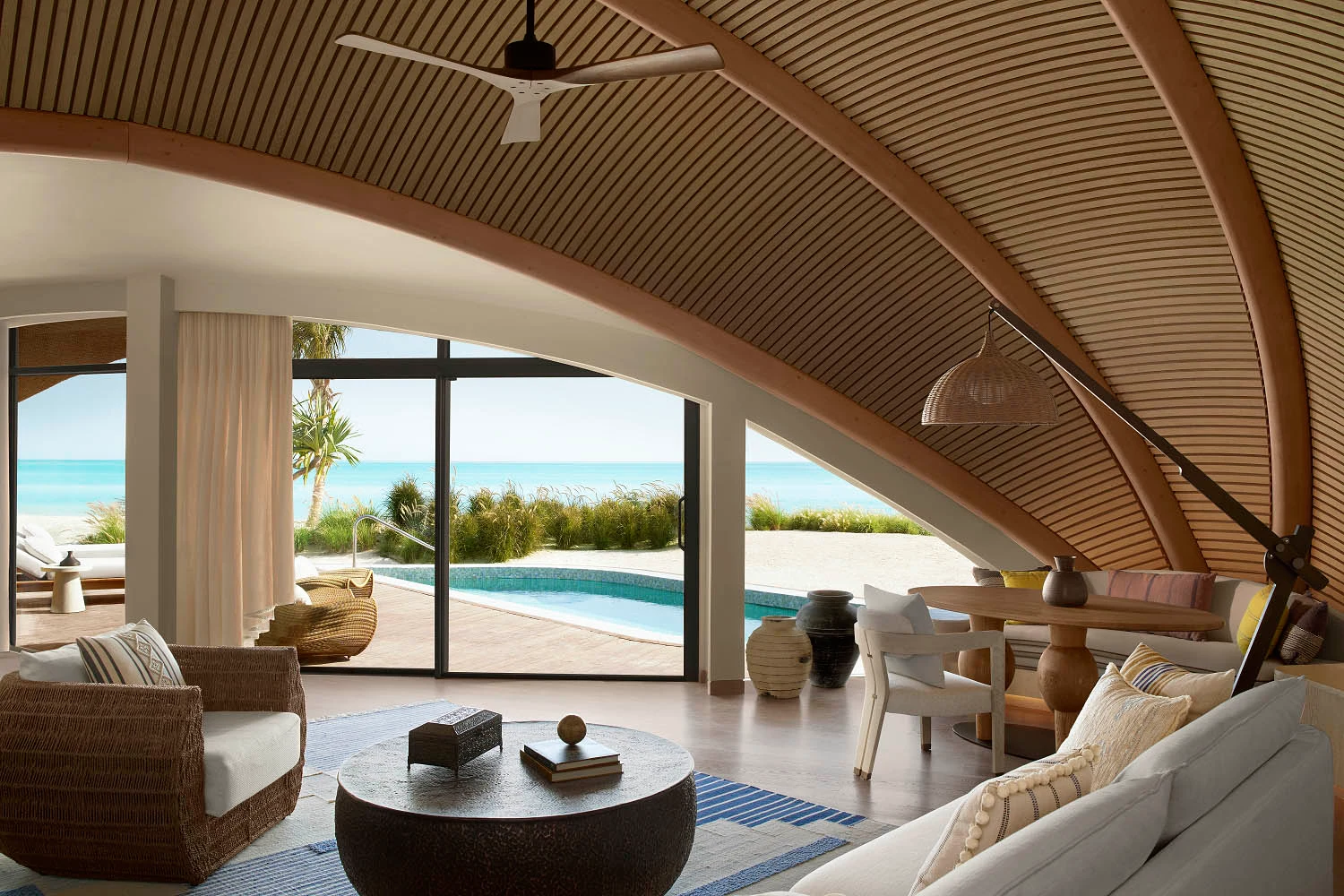
Craftsmanship and Cultural Identity
Travel also provides opportunities to experience local craftsmanship firsthand.
Artisan workshops, traditional materials, and regional design techniques offer valuable insights into the cultural identity of a place. Moreover, these handcrafted elements add authenticity to hotels, residences, and public spaces.
Therefore, craftsmanship continues to play a crucial role in shaping meaningful travel experiences.
The Future of Luxury Travel
The future of luxury travel will be increasingly influenced by design, sustainability, and personalization.
Travelers are seeking destinations that combine architectural excellence, cultural authenticity, and exceptional hospitality. Furthermore, thoughtfully designed spaces create stronger emotional connections and more memorable experiences.
As a result, destinations that successfully integrate design into every aspect of the travel experience will continue to define the future of luxury tourism.
Conclusion
Great destinations are remembered not only for their landscapes but also for the spaces they create.
From iconic architecture to thoughtfully designed hospitality environments, the most inspiring places demonstrate how design shapes the way people experience the world.
Ultimately, the future of luxury travel belongs to destinations that combine culture, craftsmanship, architecture, and lifestyle into a seamless and unforgettable experience.