In an era when minimalism has long dominated contemporary interiors, Luke Edward Hall stands as a vibrant counterpoint. Known for his imaginative palette, classical references, and unapologetically expressive aesthetic, the British designer and artist has emerged as one of the most distinctive voices in modern colorful interior design. His work celebrates individuality, historic inspiration, and the joyful collision of art, architecture, and decoration.
From richly layered townhouses in London to eclectic creative spaces across Europe, Hall’s projects embody the spirit of maximalist interiors—spaces where pattern, pigment, and personality are not restrained but amplified. For architects, designers, and collectors, his work offers a compelling reminder that interiors can function as narrative environments, reflecting both cultural memory and contemporary creativity.
This exploration of the color-rich interiors of Luke Edward Hall reveals how his artistic background, classical education, and distinctive aesthetic philosophy have reshaped conversations around modern decorative design.
The Rise of Luke Edward Hall: Artist, Designer, Tastemaker
Before becoming synonymous with exuberant colorful interior design, Luke Edward Hall first gained recognition as an artist and illustrator. A graduate of Central Saint Martins in London, he developed a visual language influenced by antiquity, mythology, and European decorative arts.
His illustrations—often characterized by expressive lines, pastel hues, and references to classical sculpture—quickly attracted attention from the design world. Collaborations with major international brands soon followed, establishing Luke Edward Hall as a creative force capable of translating artistic vision into immersive interiors.
Rather than approaching spaces purely through architectural discipline, Hall treats rooms like canvases. Every wall, fabric, and object becomes an opportunity for visual storytelling, which is why his projects feel both curated and deeply personal.

A New Generation of Maximalist Interiors
The revival of maximalist interiors in the past decade owes much to designers who reject uniform neutrality in favor of character and color. Luke Edward Hall belongs firmly within this movement, yet his approach differs from traditional maximalism.
Instead of overwhelming rooms with excessive ornament, he balances bold elements with moments of restraint. Color is layered thoughtfully, patterns converse rather than compete, and historical references anchor the exuberance.
The result is a sophisticated interpretation of colorful interior design—playful yet intellectual, decorative yet culturally informed.
The Signature Palette: How Color Defines Luke Edward Hall’s Interiors
Color lies at the heart of Luke Edward Hall‘s interiors. His palette frequently blends pastel tones with saturated hues, creating spaces that feel luminous, warm, and emotionally expressive.
Unexpected Color Pairings
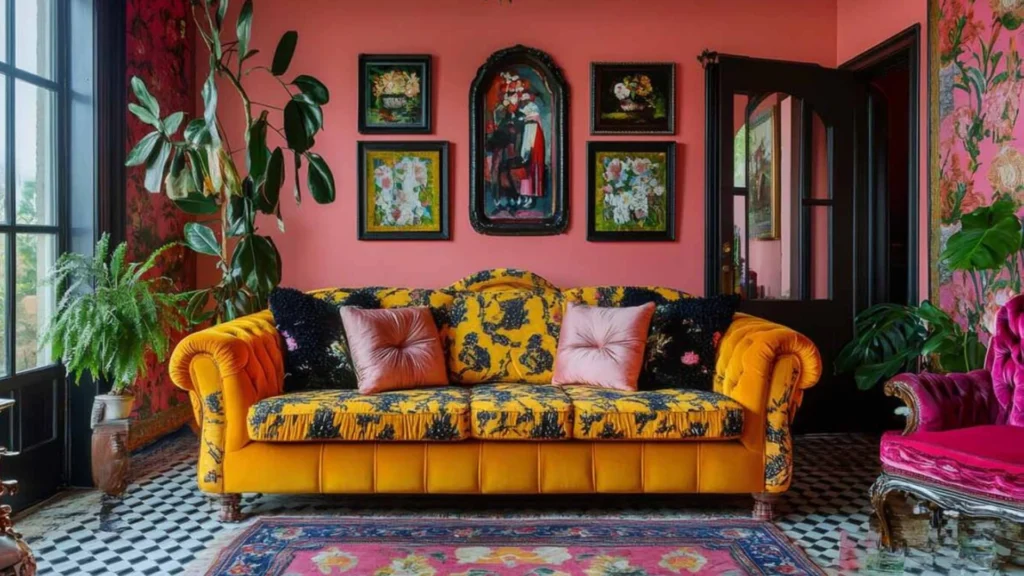
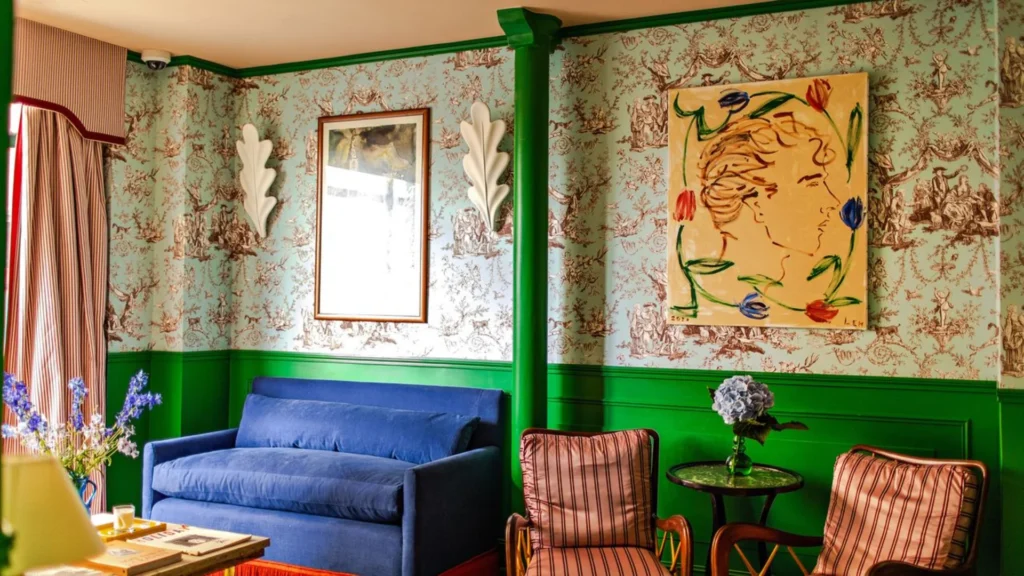
One of the defining aspects of Hall’s work is his willingness to experiment with unconventional combinations. Lavender may sit beside terracotta, while cobalt accents animate rooms filled with pale pinks and creams. These combinations challenge traditional color hierarchies and reinforce the expressive nature of colorful interior design.
Through these combinations, Luke Edward Hall demonstrates that color is not merely decorative—it shapes atmosphere and narrative.
Key Elements of His Color Strategy
- Soft pastels layered with jewel tones
- Hand-painted murals and decorative walls
- Painted furniture and sculptural accents
- Textiles that introduce secondary color rhythms
- Artwork used as chromatic anchors within rooms
These strategies transform interiors into vibrant environments without sacrificing elegance or cohesion.
Classical Inspiration Meets Contemporary Living
A defining feature of Luke Edward Hall‘s interiors is the seamless integration of classical references. Greek mythology, Renaissance painting, and neoclassical architecture frequently influence his decorative language.
Yet these references never feel academic or nostalgic. Instead, they function as cultural foundations that enrich contemporary maximalist interiors.
Columns, busts, and antique-inspired motifs appear alongside modern furniture and contemporary artworks, creating an intergenerational dialogue within each space.
Hall himself often cites the influence of historic European interiors—particularly Italian villas and English country houses—where decorative layering developed organically over centuries. For deeper insight into classical aesthetics and their impact on modern design, the Victoria and Albert Museum’s overview of classical architecture provides valuable historical context.
The Narrative Quality of Maximalist Interiors
Where minimalism often prioritizes visual calm, maximalist interiors embrace storytelling. In the work of Luke Edward Hall, every element contributes to a broader narrative.
Paintings reference mythological figures. Sculptural objects evoke archaeological discoveries. Furniture pieces appear almost theatrical in their placement. Together, they create rooms that feel curated rather than decorated.
This narrative dimension explains why colorful interior design in Hall’s hands feels intellectual rather than purely aesthetic.
Layering Pattern, Texture, and Art
Beyond color, Luke Edward Hall masterfully orchestrates layers of pattern and texture. These layers give his interiors depth and movement, transforming rooms into immersive visual experiences.
Textiles as Architectural Elements
In many projects, textiles function almost like architectural surfaces. Curtains, upholstered seating, and patterned carpets introduce rhythmic visual repetition, reinforcing the richness of maximalist interiors.
Rather than limiting pattern to accessories, Hall uses fabrics to define spatial zones and emphasize architectural features.
Typical Textile Choices in His Projects
- Hand-printed linens
- Embroidered velvets
- Decorative tapestries
- Custom patterned wallpapers
- Painterly rugs that echo mural motifs
These elements reinforce the layered visual language central to colorful interior design.
Art as the Centerpiece
Given his background as an artist, it is unsurprising that Luke Edward Hall places art at the center of his interiors. Paintings, ceramics, and sculptures are not secondary decorative elements; they act as focal points that guide the composition of the entire room.
Often, artwork determines the palette of surrounding furniture and textiles, ensuring that the space feels cohesive despite its richness.
Designing Emotion: The Psychological Power of Colorful Interior Design
What distinguishes Luke Edward Hall from many contemporary designers is his understanding of emotional atmosphere. His interiors are not simply visually striking—they evoke joy, curiosity, and comfort.
This emotional resonance is central to successful colorful interior design. Warm palettes encourage social interaction, while cooler tones create contemplative spaces. By orchestrating these effects, Hall crafts interiors that respond to the rhythms of everyday life.
How Color Influences Experience
Color psychology plays a subtle yet important role in maximalist interiors. Hall’s projects frequently demonstrate how thoughtful chromatic choices can transform the perception of space.
- Soft pinks create warmth and intimacy
- Deep blues add sophistication and calm
- Terracotta tones evoke Mediterranean warmth
- Pastel greens introduce freshness and balance
Through these combinations, Luke Edward Hall crafts interiors that feel emotionally engaging rather than visually overwhelming.
Global Influence and Cultural Dialogue
Although rooted in British design culture, the work of Luke Edward Hall resonates internationally. His projects often incorporate influences from Italy, France, and the Mediterranean, reflecting a cosmopolitan understanding of maximalist interiors.
Travel, art history, and architecture all inform his design language. This global perspective allows his interiors to appeal to an international audience—from collectors in London to creative professionals in New York and Milan.
For luxury real estate developers and hospitality designers, Hall’s approach demonstrates how colorful interior design can elevate interiors into culturally meaningful environments.
The Future of Expressive Interiors
As contemporary design continues to evolve, the influence of Luke Edward Hall suggests a broader shift away from uniform minimalism toward expressive individuality.
Architects and designers increasingly recognize that spaces should reflect personality, narrative, and cultural identity. The resurgence of maximalist interiors reflects this desire for environments that feel curated and alive.
Hall’s work illustrates how color, art, and classical inspiration can coexist within contemporary living spaces—creating interiors that feel timeless rather than trend-driven.
Lessons Designers Can Learn from Luke Edward Hall
For professionals seeking to incorporate more expressive design strategies, the work of Luke Edward Hall offers several valuable lessons.
Key Principles Behind His Design Philosophy
- Embrace color as a narrative tool
- Layer historical references with modern design
- Allow art to guide spatial composition
- Use textiles and pattern to add architectural depth
- Balance exuberance with thoughtful restraint
These principles demonstrate how colorful interior design can remain sophisticated and refined, even when embracing bold visual expression.
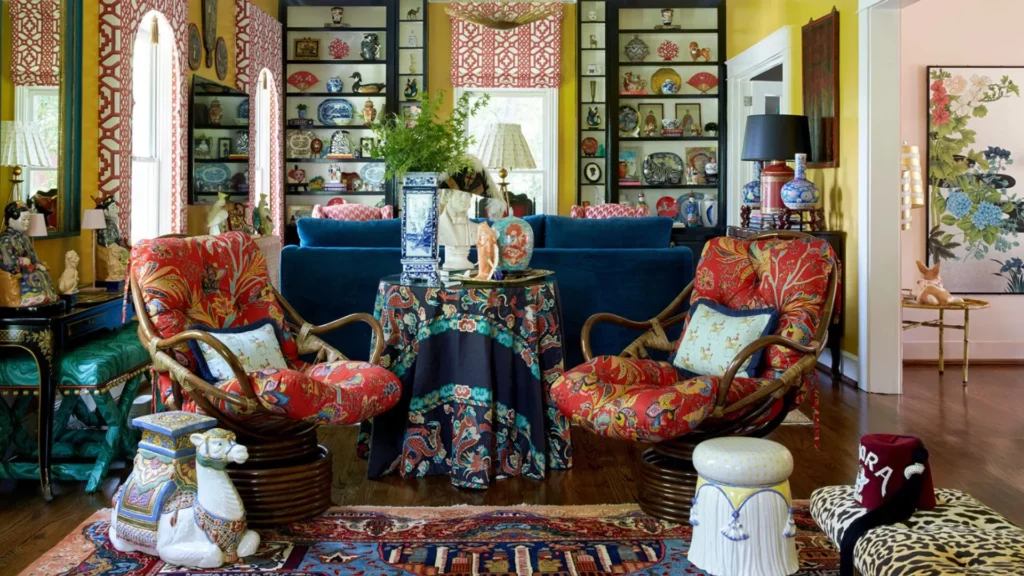
A Celebration of Joyful Design
In a design landscape often defined by restraint, Luke Edward Hall offers a refreshing alternative—one rooted in color, history, and imagination. His interiors prove that maximalist interiors can be both intellectually rich and emotionally uplifting.
By blending classical inspiration with contemporary artistry, he has redefined the possibilities of colorful interior design. For architects, interior designers, and collectors alike, his work serves as a reminder that the most memorable interiors are those that celebrate creativity, personality, and cultural depth.
Ultimately, the spaces created by Luke Edward Hall do more than impress visually. They invite occupants into vibrant worlds where art, color, and architecture coexist in harmonious dialogue—transforming everyday living into a richly expressive experience.