The Most Beautiful Interiors in Leonardo DiCaprio’s Luxury Properties

When discussing Luxury Properties, few celebrity portfolios match the refined, environmentally conscious, and design-forward residences owned by Leonardo DiCaprio. Known globally for his cinematic work and environmental advocacy, DiCaprio has curated a collection of homes that reflect a sophisticated blend of sustainability, craftsmanship, and high-end interior design.
For interior designers, furniture brands, architects, and luxury studios, these residences offer valuable insight into how modern luxury can integrate aesthetics, material innovation, and ecological awareness—without compromising visual impact.
A Design Philosophy Rooted in Sustainability and Elegance
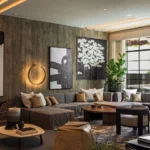
DiCaprio’s Luxury Properties stand apart because they merge environmental responsibility with elevated design. Rather than relying solely on opulence, these interiors emphasize:
- Natural and reclaimed materials
- Energy-efficient systems integrated seamlessly into design
- Clean, modern lines with organic influences
This approach aligns with a growing demand in luxury markets: interiors that feel authentic, curated, and future-conscious.
Malibu Beach House: Coastal Minimalism Refined
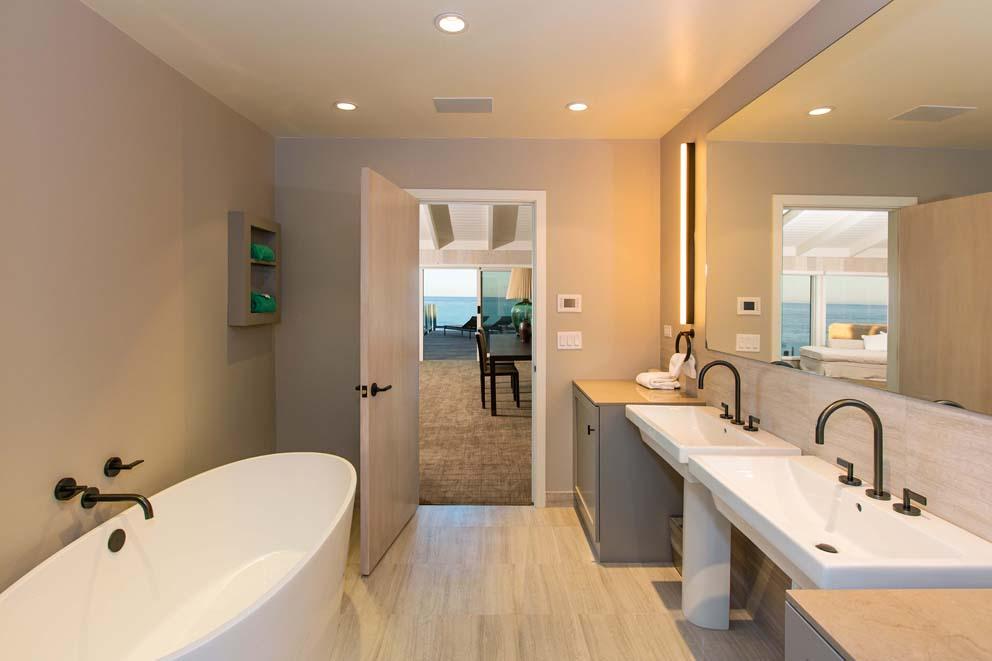
One of DiCaprio’s most recognized residences sits along the coastline of Malibu. The interiors reflect a restrained yet highly sophisticated interpretation of coastal luxury.
Interior Highlights
- Open-plan living spaces that maximize ocean views
- Neutral palettes dominated by whites, sands, and soft grays
- Wide-plank wood flooring that adds warmth without visual clutter
Large glass panels dissolve the boundary between interior and exterior, creating a fluid spatial experience. The furniture selection remains understated, favoring low-profile silhouettes and natural textiles.
Material Strategy
Designers will appreciate the careful layering of materials:
- Reclaimed wood elements
- Stone surfaces with subtle veining
- Linen and organic cotton upholstery
The result is a calm, immersive environment that prioritizes texture over ornamentation—an increasingly influential direction in Luxury Properties.
New York City Apartment: Contemporary Urban Precision
In contrast to the relaxed Malibu aesthetic, DiCaprio’s New York residence embraces a more structured, contemporary design language. Located in a high-performance, eco-conscious building, the apartment reflects cutting-edge urban luxury.
Spatial Composition
- Defined zones within an open layout
- Floor-to-ceiling windows framing the skyline
- Integrated storage solutions that maintain visual clarity
The interiors rely on sharp geometry and precise detailing, appealing to architects and designers who value spatial efficiency.
Finishes and Furnishings
- Polished stone countertops and backsplashes
- Custom millwork with seamless joints
- Sculptural lighting fixtures that double as focal points
This property demonstrates how Luxury Properties in dense urban environments can balance performance, sustainability, and refined aesthetics.
Palm Springs Estate: Mid-Century Modern Influence
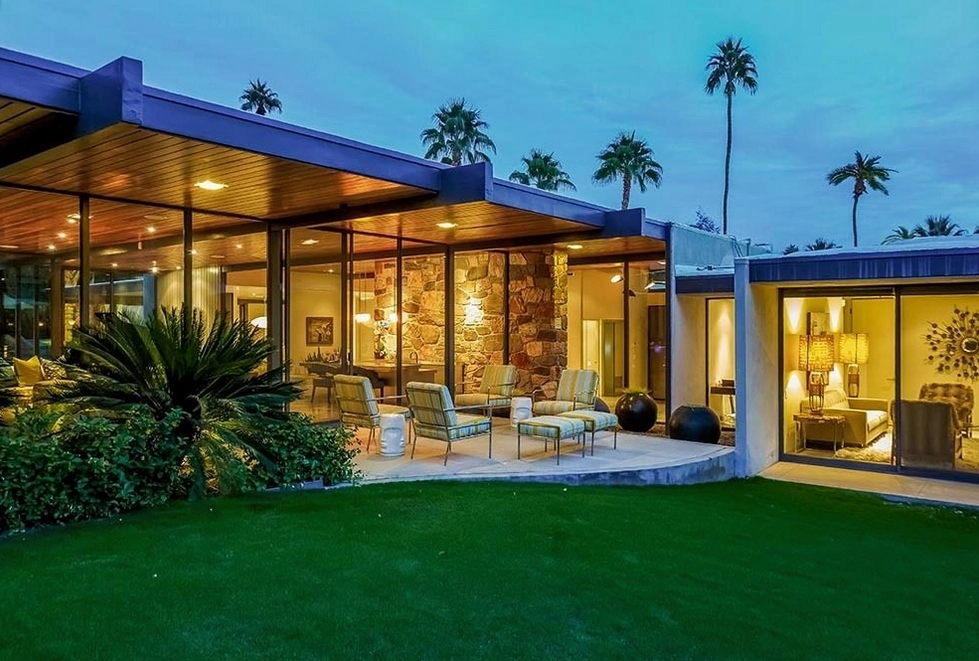
DiCaprio’s Palm Springs home pays homage to mid-century modern design, a style deeply rooted in the region’s architectural history.
Architectural Context
Originally associated with iconic desert modernism, the property features:
- Strong horizontal lines
- Expansive glass walls
- Indoor-outdoor continuity
Interior Design Elements
- Vintage-inspired furniture with clean, geometric forms
- Warm wood tones contrasted with stone and glass
- Statement pieces that anchor each room without overwhelming the space
Design professionals will recognize the careful balance between preservation and modernization. The interiors maintain historical integrity while incorporating contemporary comfort.
Belize Eco-Resort Vision: Experimental Luxury Design
Perhaps the most ambitious of DiCaprio’s Luxury Properties is his eco-resort project in Belize. While not a traditional residence, it represents a forward-thinking approach to luxury interiors and architecture.
Design Concept
- Regenerative design principles that restore the natural environment
- Elevated structures that minimize ecological impact
- Integration of local materials and craftsmanship
Interior Approach
- Organic forms inspired by surrounding landscapes
- Handcrafted furnishings produced by local artisans
- Natural ventilation and lighting strategies embedded in the design
For architects and luxury studios, this project highlights how Luxury Properties can evolve into holistic ecosystems rather than isolated structures.
Key Interior Design Themes Across the Portfolio
1. Seamless Indoor-Outdoor Integration
Across multiple properties, DiCaprio prioritizes continuity between interior and exterior spaces. This approach includes:
- Large sliding glass systems
- Consistent material palettes inside and out
- Outdoor living areas designed as extensions of interiors
This strategy enhances spatial perception and aligns with contemporary luxury expectations.
2. Curated Minimalism
While the spaces feel minimal, they avoid austerity through careful curation. Each element serves a purpose, whether functional or sculptural.
Designers will note:
- Limited but impactful furniture selections
- Emphasis on proportion and scale
- Strategic use of negative space
- 3. Material-Driven Aesthetics
Materials play a central role in defining these interiors. Rather than relying on decorative elements, the design emphasizes:
- Texture variation
- Natural aging processes
- Authentic finishes
This approach resonates strongly within high-end residential and hospitality design.
4. Integration of Sustainable Technology
Sustainability does not appear as an afterthought. Instead, it integrates directly into the design language:
- Solar panels incorporated into architectural forms
- Advanced air and water filtration systems
- Non-toxic, eco-friendly materials
For luxury design studios, this demonstrates how performance and aesthetics can coexist seamlessly.
Why These Luxury Properties Matter for Design Professionals
DiCaprio’s portfolio reflects a broader shift in the definition of luxury. Today’s Luxury Properties no longer rely solely on scale or extravagance. Instead, they emphasize:
- Environmental responsibility
- Craftsmanship and material integrity
- Spatial clarity and user experience
Interior designers and architects can draw inspiration from how these residences balance innovation with timeless design principles.
The Future of Luxury Interiors
As the demand for sustainable, high-performance spaces continues to grow, the influence of projects like DiCaprio’s will expand. Luxury Properties will increasingly prioritize:
- Biophilic design principles
- Locally sourced materials
- Custom, artisanal production
These elements align with the expectations of a new generation of clients who value both aesthetics and impact.
The interiors within Leonardo DiCaprio’s Luxury Properties redefine what high-end living looks like today. They combine elegance with environmental awareness, creating spaces that feel both aspirational and grounded. For design professionals, these residences offer a compelling vision of how luxury interiors can evolve—where beauty, performance, and responsibility exist in perfect balance.