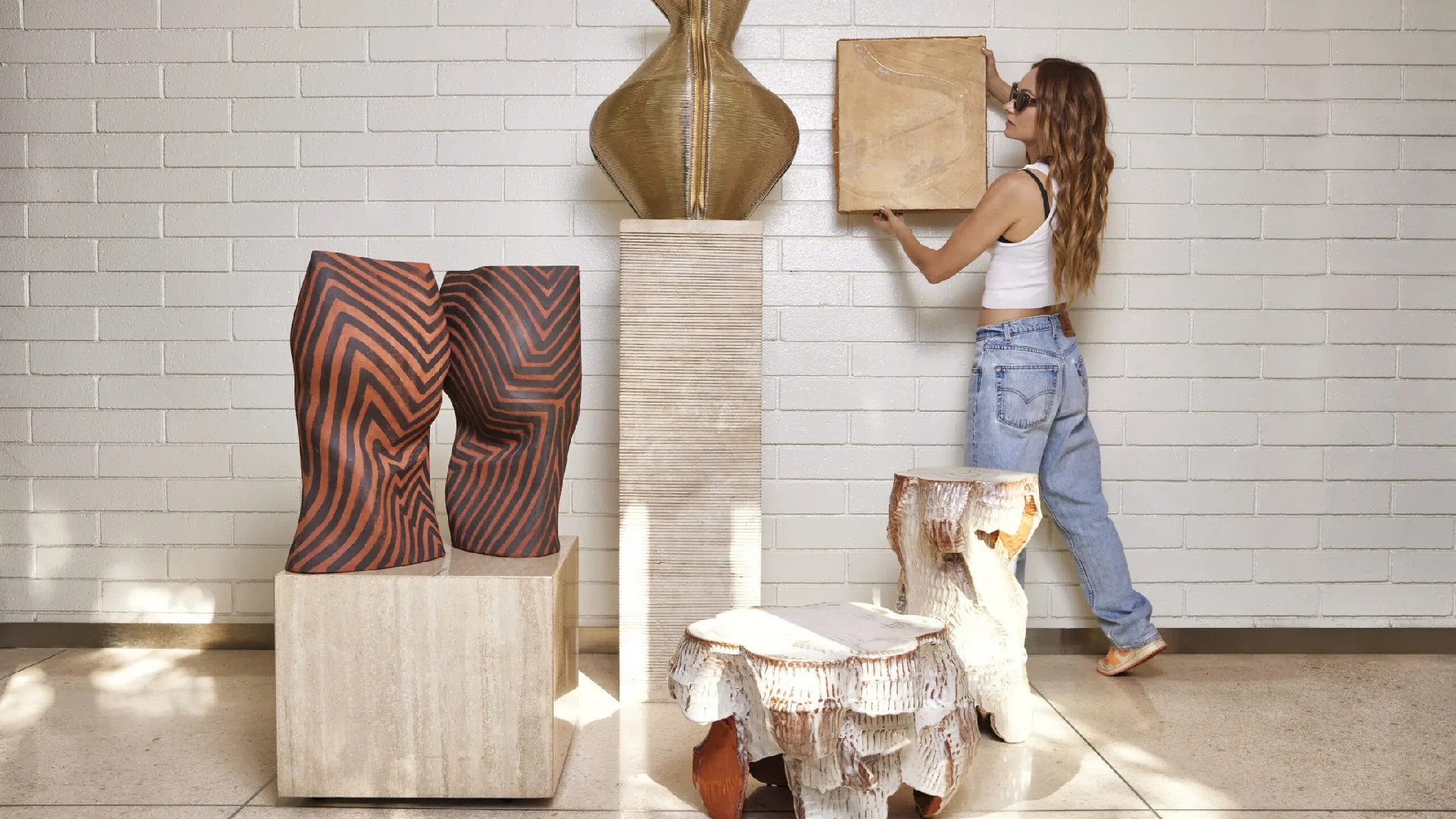
Few designers have reshaped the contemporary design landscape as boldly as Kelly Wearstler. Known for her fearless use of form, texture, and material, Wearstler has established a design vocabulary where furniture becomes sculpture and interiors evolve into curated spatial compositions. Her work demonstrates that Kelly Wearstler furniture design transcends traditional decorative roles, instead creating immersive environments defined by artistic presence and architectural depth.
Across luxury residences, boutique hotels, and collectible design collections, her pieces exemplify the rising importance of sculptural furniture interiors in global design culture. The pieces themselves are rarely passive objects; they are expressive forms that command attention, provoke dialogue, and shape the character of a room.
For architects, interior designers, and discerning collectors, the appeal of luxury sculptural furniture lies in its ability to merge functionality with artistic identity. Wearstler’s work sits precisely at this intersection, where furniture becomes both artifact and architectural statement.
The Evolution of Kelly Wearstler Furniture Design
Emerging from the vibrant creative culture of Los Angeles, Kelly Wearstler quickly established a reputation for interiors that blend Hollywood glamour with contemporary artistry. Yet her growing influence in global design stems equally from her contributions to collectible furniture and objects.
At the core of Kelly Wearstler furniture design is a philosophy rooted in form. Rather than beginning with ornament or decorative motifs, her pieces often originate from sculptural gestures: curves, monolithic volumes, asymmetry, and geometric tension. The result is furniture that behaves almost like architectural fragments placed within interior space.
This approach reflects a broader movement within contemporary design where furniture is no longer simply utilitarian. Instead, luxury sculptural furniture has become an expressive medium capable of defining the emotional atmosphere of interiors.
Sculpture as the Foundation of Interior Composition
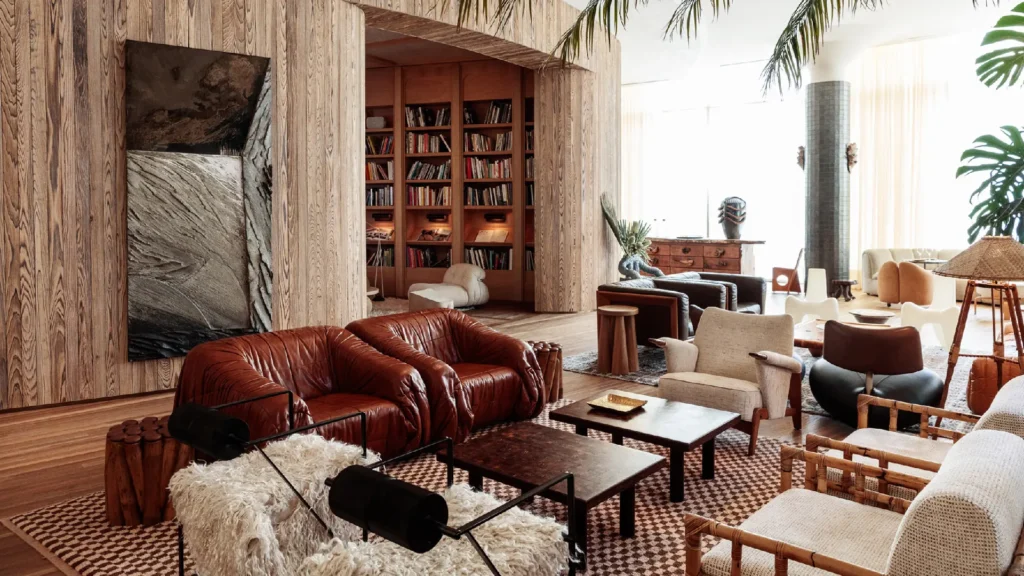
One of the defining characteristics of sculptural furniture interiors is their ability to create visual gravity within a room. Wearstler frequently treats seating, tables, and consoles as compositional anchors that structure spatial flow.
Instead of relying solely on architectural features such as moldings or partitions, sculptural furniture introduces rhythm and balance through volume and silhouette. A curved sofa or a monumental coffee table can shape circulation patterns while simultaneously establishing a room’s visual hierarchy.
This methodology aligns with an increasingly architectural approach to furniture design, where pieces interact dynamically with walls, lighting, and art collections.
The Language of Form and Geometry
The visual vocabulary within Kelly Wearstler furniture design frequently draws from modernist sculpture and mid-century architecture. Strong geometric forms—spheres, cylinders, arches, and stacked planes—appear repeatedly throughout her collections.
These shapes are rarely rigid or static. Instead, they are softened by tactile materials and unexpected proportions, creating pieces that feel both monumental and approachable.
- Curved silhouettes that soften architectural spaces
- Stacked geometric volumes that evoke sculptural totems
- Organic asymmetry that introduces visual tension
- Bold proportions that transform furniture into focal points
This balance between geometry and fluidity has become a signature element of sculptural furniture interiors, particularly within high-end residential and hospitality design.
Materiality: The Soul of Luxury Sculptural Furniture
Beyond form, material exploration plays a crucial role in shaping the identity of luxury sculptural furniture. Wearstler frequently combines materials that offer both tactile richness and visual contrast.
Stone, bronze, plaster, lacquer, and richly textured woods are recurring elements. Each material contributes to the sensory experience of the piece, reinforcing the idea that furniture can engage both visually and physically with its environment.
For instance, a carved marble table introduces weight and permanence, while a high-gloss lacquer cabinet reflects surrounding light and art. The result is furniture that interacts dynamically with the architectural envelope of the space.
The Importance of Texture in Sculptural Furniture Interiors
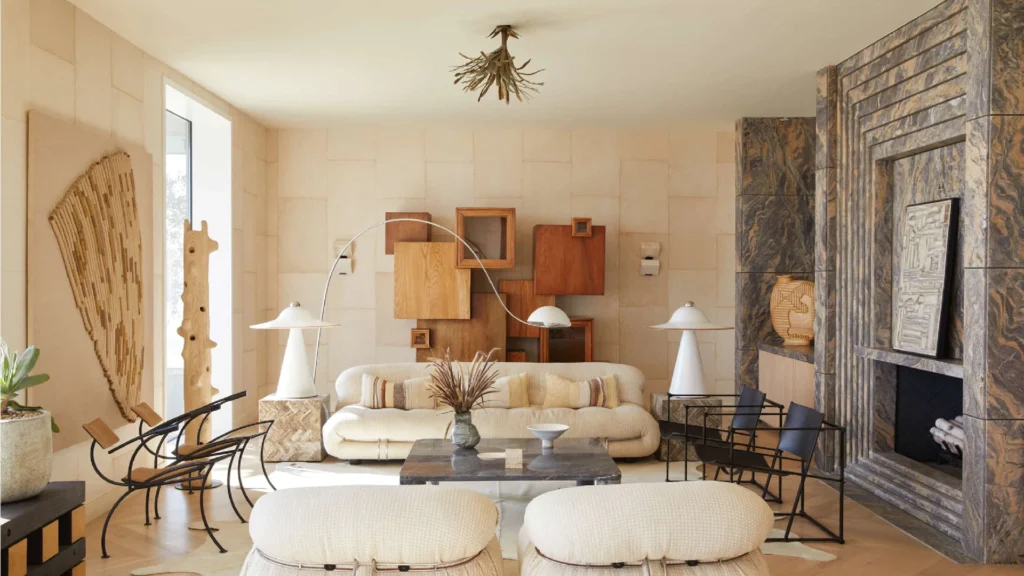
Texture has become a defining element in sculptural furniture interiors. Smooth surfaces are often juxtaposed with rough finishes, creating tactile contrasts that amplify the sculptural presence of each piece.
Wearstler frequently integrates handcrafted techniques—plaster finishes, hand-carved stone, and artisanal metalwork—to emphasize the uniqueness of her furniture. This attention to craftsmanship reinforces the connection between furniture design and collectible art.
As noted by the Architectural Digest style analysis of Kelly Wearstler, her interiors consistently blur the line between decorative arts and architecture, demonstrating how material experimentation can elevate everyday objects into design icons.
How Sculptural Furniture Defines Contemporary Luxury Interiors
The rise of luxury sculptural furniture reflects a broader shift in global design culture. High-end interiors increasingly emphasize individuality and artistic expression rather than strict adherence to stylistic traditions.
Within this context, Kelly Wearstler furniture design has become a reference point for designers seeking to create spaces that feel both curated and emotionally engaging.
Rather than filling rooms with numerous decorative elements, sculptural furniture allows designers to work with fewer but more impactful pieces.
Strategic Placement in Interior Design
When integrating sculptural furniture into an interior, spatial strategy becomes essential. The pieces must have room to breathe so that their forms can be fully appreciated.
Designers often follow several guiding principles:
- Prioritize focal points. A sculptural sofa or console should occupy a visually prominent position.
- Balance scale. Large sculptural forms require complementary lighting or artwork.
- Allow negative space. Minimal clutter enhances the visual impact of the piece.
- Use lighting intentionally. Directional lighting can highlight curves and textures.
Through this approach, sculptural furniture interiors become immersive environments rather than decorative arrangements.
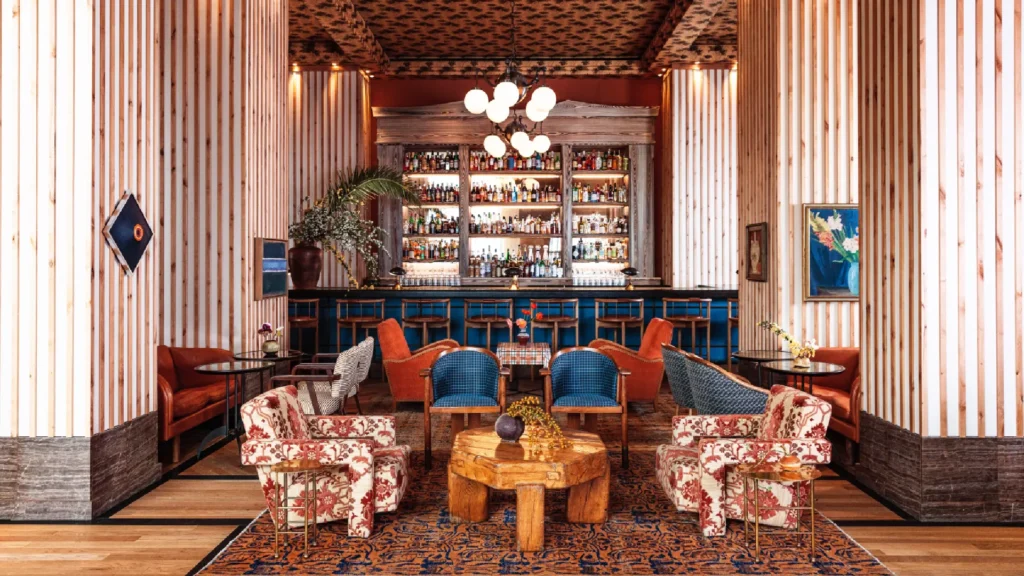
The Influence of Art and Architecture
Another defining feature of Kelly Wearstler furniture design is its deep relationship with art history and architectural theory. Her work often references modernist sculptors, Brutalist architecture, and postmodern design movements.
This interdisciplinary influence reinforces the idea that furniture can operate as a bridge between architecture and fine art.
In many of her interiors, sculptural furniture pieces are intentionally paired with contemporary artworks, creating a dialogue between functional design and artistic expression. The furniture does not compete with the art; instead, it amplifies the visual narrative of the space.
A Curated Dialogue Between Object and Space
In luxury sculptural furniture, each object carries its own identity while remaining part of a larger spatial composition. The success of the interior lies in the harmony between these elements.
Wearstler often constructs rooms as curated galleries, where seating, tables, lighting, and art exist in visual conversation. This philosophy aligns closely with the practices of contemporary collectors and design-forward homeowners who seek interiors that reflect personal taste and cultural awareness.
The Future of Sculptural Furniture Interiors
As global design trends continue to evolve, the demand for sculptural furniture interiors is expected to grow. Several factors contribute to this shift:
- The increasing crossover between collectible design and interior architecture
- The desire for distinctive interiors in luxury real estate
- The influence of contemporary art on residential and hospitality spaces
- The growing appreciation for craftsmanship and material authenticity
Within this landscape, Kelly Wearstler furniture design continues to inspire a generation of designers who view furniture not merely as décor but as spatial sculpture.
For luxury residences, boutique hotels, and high-end developments, sculptural pieces provide a powerful tool for shaping memorable interiors. They create identity, communicate cultural sophistication, and establish a lasting emotional connection with the space.
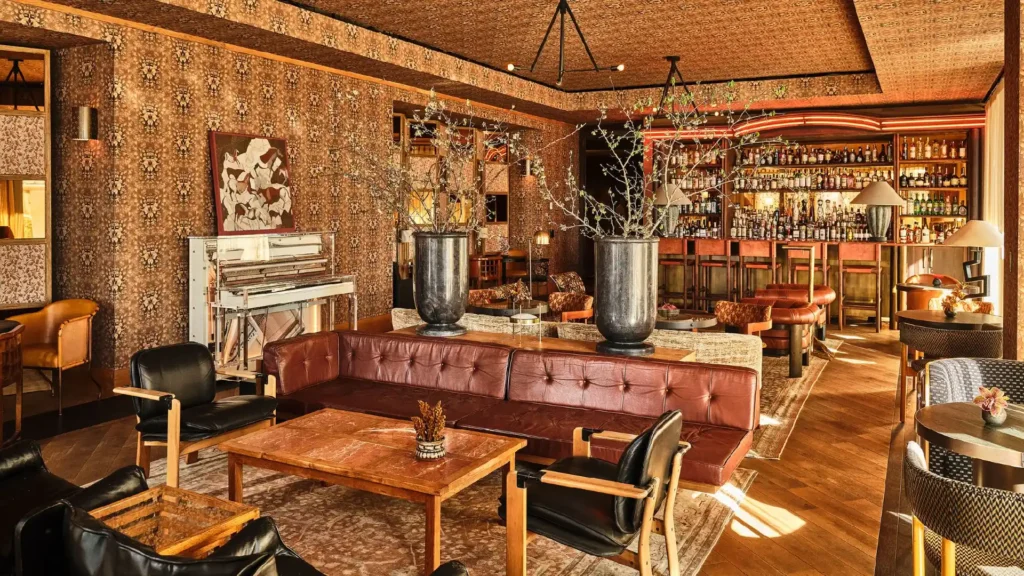
The Takeaway
The enduring influence of Kelly Wearstler furniture design lies in its ability to transform everyday objects into sculptural statements. Through bold geometry, tactile materials, and architectural thinking, her work has redefined the role of furniture within contemporary interiors.
Today, sculptural furniture interiors represent one of the most compelling directions in luxury design. They reflect a shift toward spaces that celebrate artistry, individuality, and spatial storytelling.
For designers, collectors, and global tastemakers, the appeal of luxury sculptural furniture lies not only in its visual drama but also in its ability to elevate the entire atmosphere of a room. In the hands of visionary creators like Wearstler, furniture becomes more than design—it becomes architecture in miniature.