Few names in contemporary interior design carry the same global resonance as Kelly Hoppen. Known for her signature blend of calm sophistication and understated luxury, she has built a design language that transcends trends and geographies. For interior designers, architects, furniture brands, and luxury studios, her work represents a masterclass in balance where East meets West, texture meets restraint, and elegance meets livability.
A Distinctive Design Philosophy
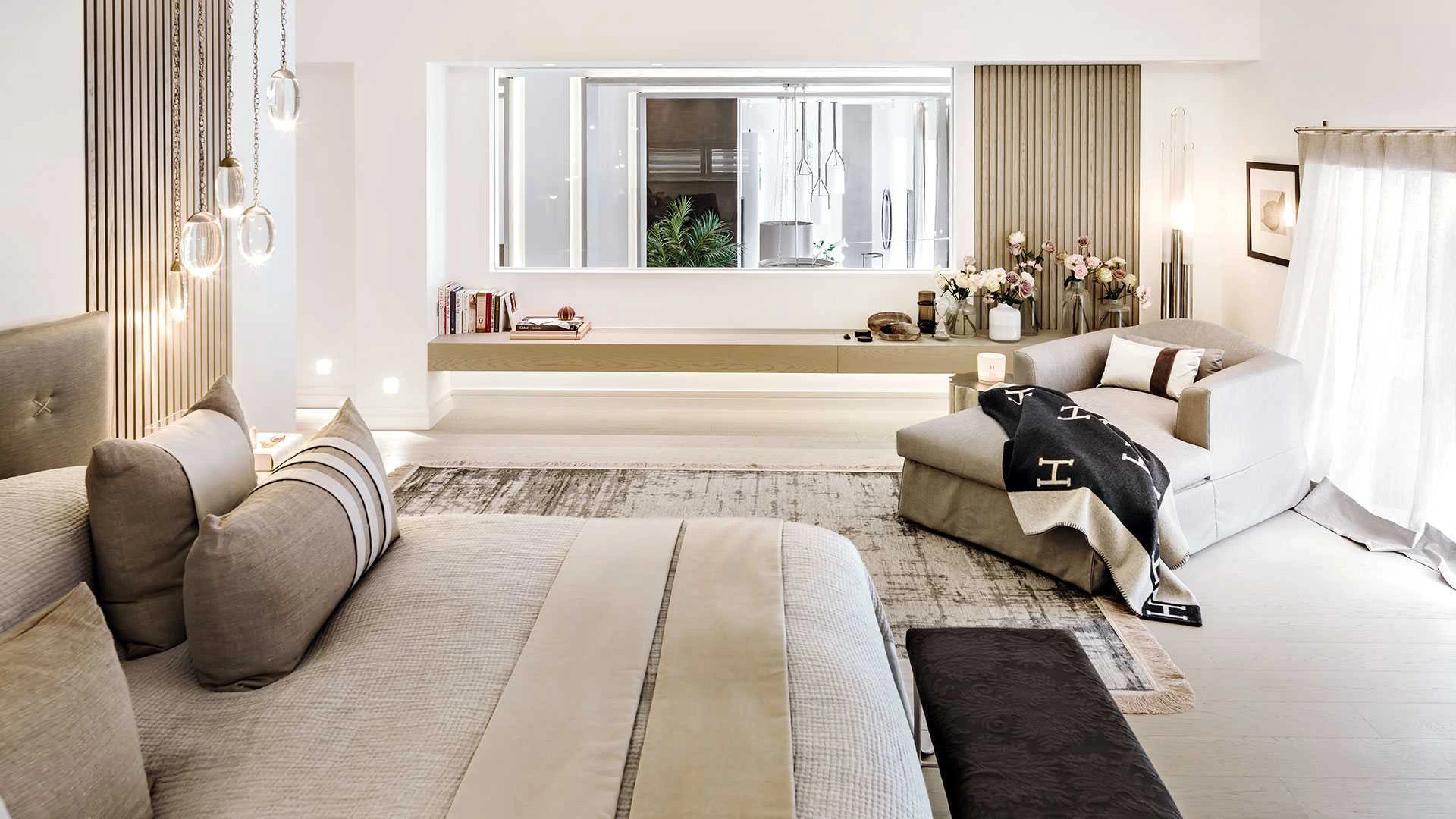
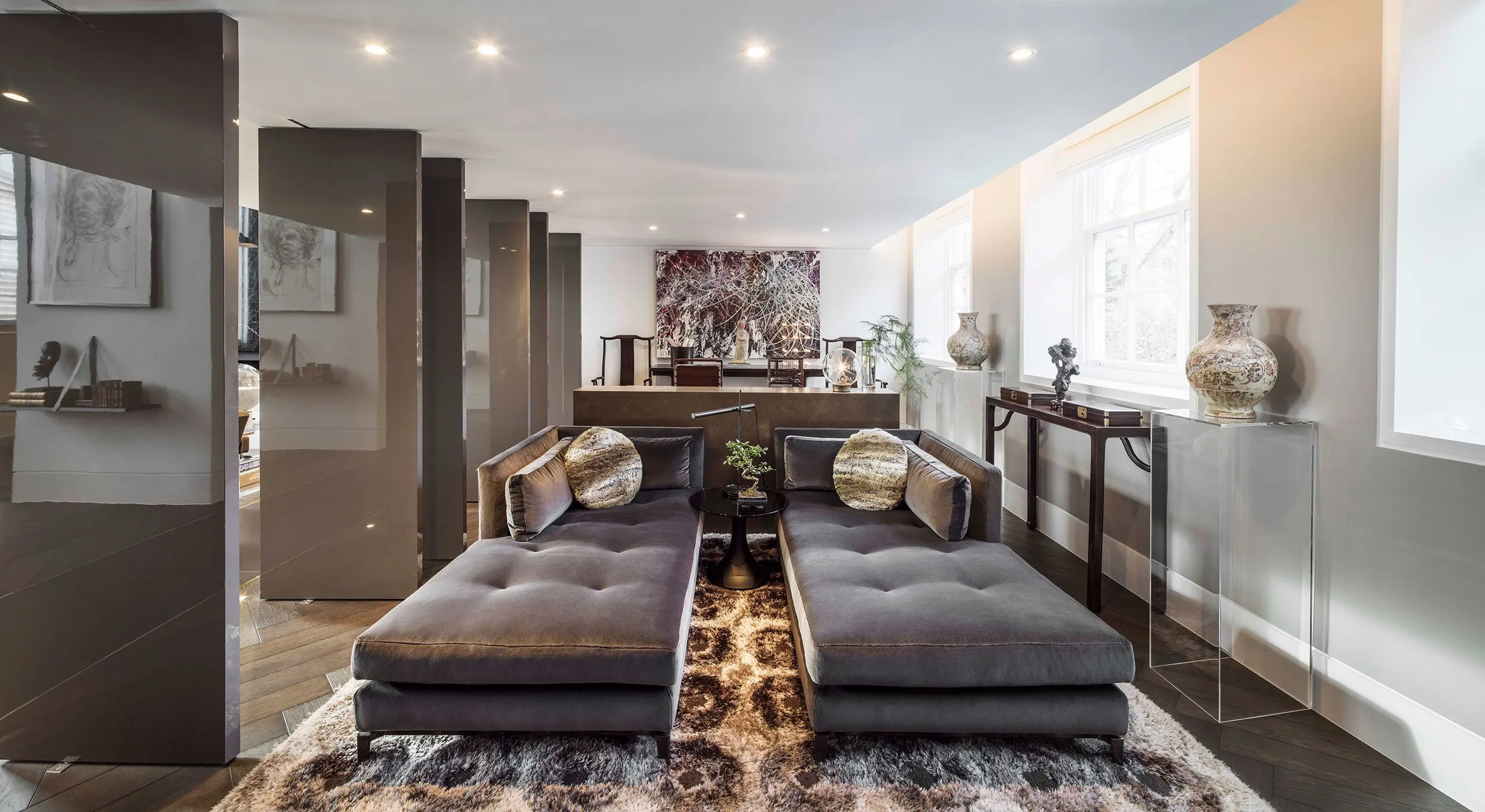
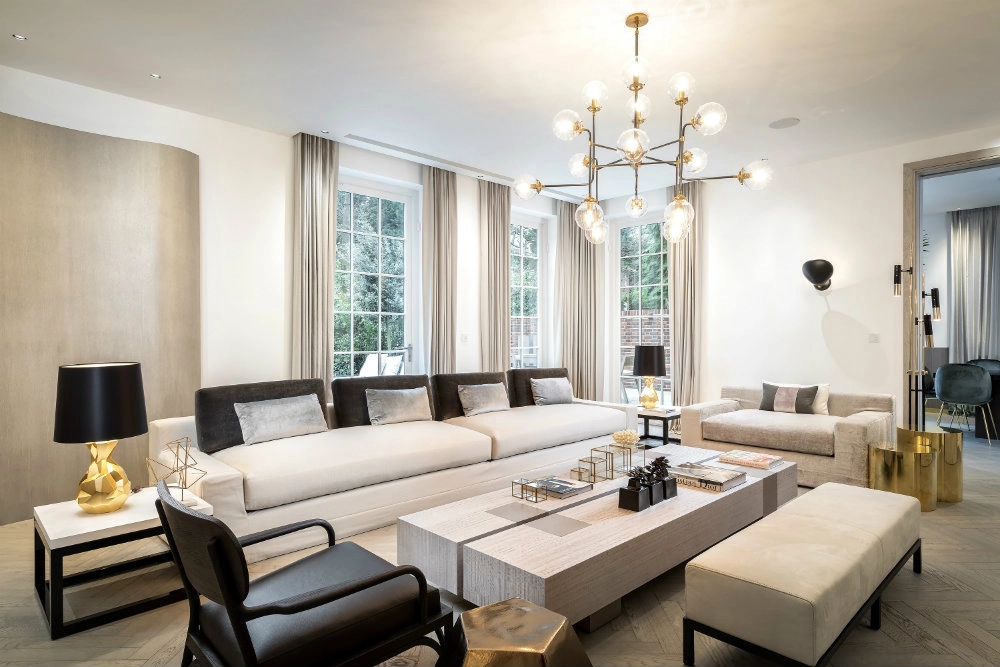
Kelly Hoppen’s aesthetic centers on harmony. She consistently combines clean lines with tactile richness, creating interiors that feel both structured and inviting. Her approach avoids excess while still delivering a strong visual identity. Neutral palettes like soft taupes, warm ivories and layered beiges, anchor her spaces, allowing materials and forms to take center stage.
Rather than relying on bold color contrasts, she uses tonal layering to create depth. This method gives interiors a sense of continuity, which resonates strongly in high-end residential and hospitality projects. Architects and designers often reference her work when aiming to achieve cohesion without monotony.
Balance defines every decision. Furniture placement, lighting, and material selection all contribute to a unified composition. Nothing feels accidental, yet nothing feels overworked.
The Power of Neutral Palettes
Neutral color schemes have become a cornerstone of luxury interiors, and Kelly Hoppen helped elevate their status. Her work demonstrates how restraint can amplify sophistication. By limiting the color spectrum, she creates environments that feel calm and timeless rather than seasonal or trend-driven.
For furniture brands, this approach offers a valuable framework. Neutral tones allow product lines to integrate seamlessly across various interior styles. Upholstery in soft linens, velvets, and leathers becomes more versatile when it aligns with this palette.
Design studios also benefit from the adaptability of neutral environments. Clients often seek spaces that evolve over time, and a balanced base makes it easier to introduce new elements without disrupting the overall aesthetic.
Texture as a Design Language
While her color palette remains subdued, Kelly Hoppen’s interiors never feel flat. Texture plays a central role in shaping the sensory experience of her spaces. She layers materials such as brushed metals, natural wood, stone, glass, and plush textiles to create contrast and richness.
This tactile complexity is particularly relevant for architects and outdoor designers working with transitional spaces. By applying similar principles, terraces, lounges, and open-plan interiors can achieve a seamless flow between indoor and outdoor environments.
Furniture designers can also draw inspiration from this layered approach. Combining finishes like matte with polished or soft with structured, adds dimension without overwhelming the design. The result feels curated rather than decorative.
East Meets West: A Global Influence
One of the defining characteristics of Kelly Hoppen’s work is her ability to merge cultural influences. She often integrates Asian-inspired elements such as symmetry, minimalism, and natural materials, into Western architectural frameworks.
This fusion creates interiors that feel globally relevant. For international design studios, this approach aligns with the expectations of a diverse clientele. Clients increasingly seek spaces that reflect a cosmopolitan identity rather than a strictly regional style.
The influence extends to furniture design as well. Low-profile seating, sculptural forms, and balanced proportions echo Eastern design principles while maintaining compatibility with Western interiors. This hybrid language has become a benchmark for contemporary luxury.
Spatial Clarity and Architectural Integration
Kelly Hoppen’s interiors often emphasize spatial clarity. She avoids clutter and prioritizes flow, ensuring that each area serves a clear purpose. Open layouts, strategic zoning, and carefully considered sightlines contribute to this sense of order.
Architects can appreciate how her interiors complement structural elements rather than compete with them. She often works with the architecture, enhancing features like large windows, high ceilings, and natural light. This synergy results in spaces that feel cohesive from the ground up.
Lighting plays a crucial role in this process. Soft, diffused illumination enhances the calming atmosphere while highlighting textures and materials. Layered lighting schemes (ambient, task, and accent) ensure functionality without compromising aesthetics.
Luxury Through Restraint
In an industry where luxury often leans toward excess, Kelly Hoppen offers a different perspective. Her work proves that refinement does not require opulence in the traditional sense. Instead, she focuses on quality, proportion, and detail.
For luxury design studios, this philosophy aligns with evolving client preferences. High-end clients increasingly value subtlety and authenticity over overt displays of wealth. A well-crafted space with thoughtful detailing can deliver a more enduring sense of luxury.
Furniture brands can translate this idea into product development. Pieces that emphasize craftsmanship, material integrity, and timeless design often resonate more strongly than those driven by short-term trends.
Emotional Impact and Well-Being
The sense of peace associated with Kelly Hoppen’s interiors is not accidental. Her design choices actively contribute to emotional well-being. Balanced compositions, soft color transitions, and tactile materials create environments that feel restorative.
This aspect has gained importance in both residential and commercial design. Hospitality projects, in particular, benefit from spaces that promote relaxation and comfort. Guests respond positively to environments that feel intuitive and calming.
Outdoor designers can also apply these principles. Landscaped areas, terraces, and poolside environments can mirror the same balance and tranquility found in her interiors. The result is a cohesive experience that extends beyond the built structure.
Influence on Contemporary Design Practice
Kelly Hoppen’s influence extends across multiple sectors of the design industry. Interior designers reference her work when creating serene, high-end environments. Architects integrate her principles to ensure harmony between structure and interior. Furniture brands adopt her material palettes and forms to align with modern luxury expectations.
Her aesthetic has also shaped how design communicates with clients. Visual storytelling now emphasizes mood, texture, and atmosphere rather than just form. This shift reflects a broader understanding of design as an experience rather than a purely visual discipline.
A Lasting Vision of Balance
The enduring appeal of Kelly Hoppen lies in her ability to create spaces that feel both current and timeless. Her work does not chase trends; it establishes a foundation that adapts to changing tastes while maintaining its core identity.
For professionals in interior design, architecture, and furniture development, her approach offers a clear direction. Balance, restraint, and thoughtful materiality can define spaces that resonate on a deeper level.
As the industry continues to evolve, the demand for शांत, harmonious environments will only grow. Kelly Hoppen’s vision of the balanced and the peaceful remains not only relevant but essential in shaping the future of luxury design.