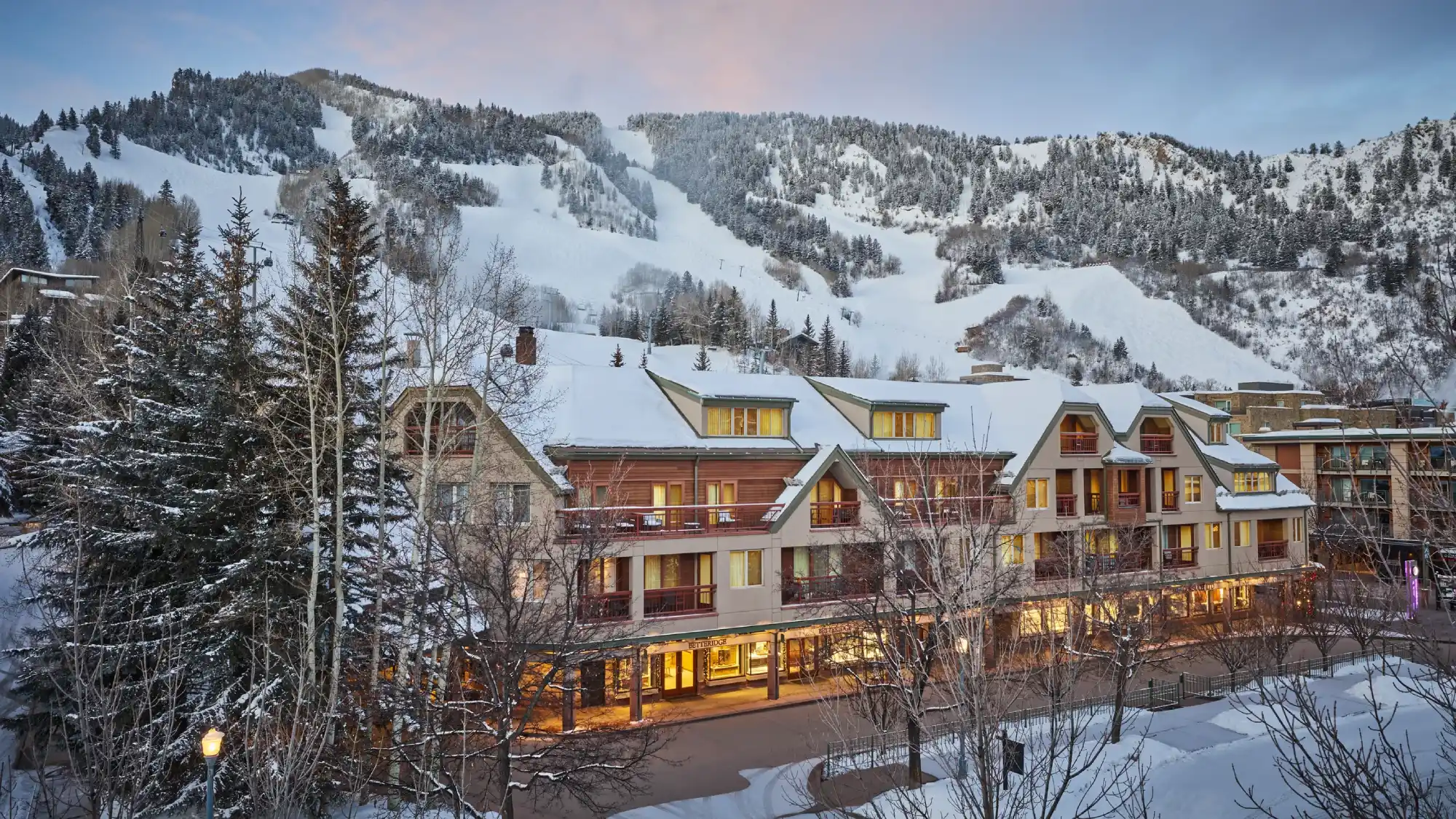

the intersection of alpine architecture and refined hospitality, The Little Nell stands as a defining benchmark for luxury Aspen homes. Located at the base of Aspen Mountain, this iconic property reimagines mountain living through a sophisticated interior design language that balances warmth, texture, and contemporary elegance. For interior designers and architects, The Little Nell offers a compelling case study in how hospitality design can inform high-end residential environments. Moreover, its approach to materials, spatial composition, and curated amenities provides valuable insights into creating elevated, experience-driven interiors.
The Design Identity of The Little Nell
The Little Nell is known for its ability to reinterpret traditional mountain aesthetics into a contemporary luxury framework. Rather than relying on rustic clichés, the interiors embrace a refined palette that feels both modern and deeply connected to the alpine context.
Spaces are designed to feel intimate yet expansive, with layered materials and thoughtful detailing guiding the experience. Natural light plays a central role, enhancing textures and reinforcing the connection to the surrounding landscape. This balance between comfort and sophistication positions The Little Nell as a leading reference for designers seeking to elevate mountain interiors beyond conventional expectations.
Key Interior Design Features
The interiors of The Little Nell are defined by a cohesive set of design elements that shape the overall experience:
- Warm wood finishes that reflect the alpine environment
- Stone surfaces that add depth and permanence
- Neutral color palettes that enhance light and space
- Custom furnishings that reinforce a curated aesthetic
- Textural layering that creates visual richness
These features work together to create interiors that feel both luxurious and grounded, offering a blueprint for contemporary mountain residences.
Suites and Residential Inspiration
The suites at The Little Nell provide a direct reference for luxury Aspen homes, combining residential comfort with high-end hospitality design. Each suite is carefully composed to function as a private retreat while maintaining a strong connection to the overall design language.
Fireplaces, expansive seating areas, and large windows create a sense of warmth and openness. Moreover, the integration of bespoke furnishings and high-quality materials ensures that each space feels unique. For designers, these suites demonstrate how to balance intimacy and scale, creating interiors that are both functional and emotionally engaging.
Materiality and Craftsmanship
Material selection is central to the identity of The Little Nell, reflecting both the natural surroundings and the expectations of luxury living:
- Locally inspired stone that anchors the design
- Rich wood tones that introduce warmth
- Soft textiles that enhance comfort
- Metal accents that provide subtle contrast
- Handcrafted details that emphasize quality
This emphasis on materiality ensures that interiors feel authentic and enduring, aligning with the principles of high-end residential design.
Spatial Experience and Flow
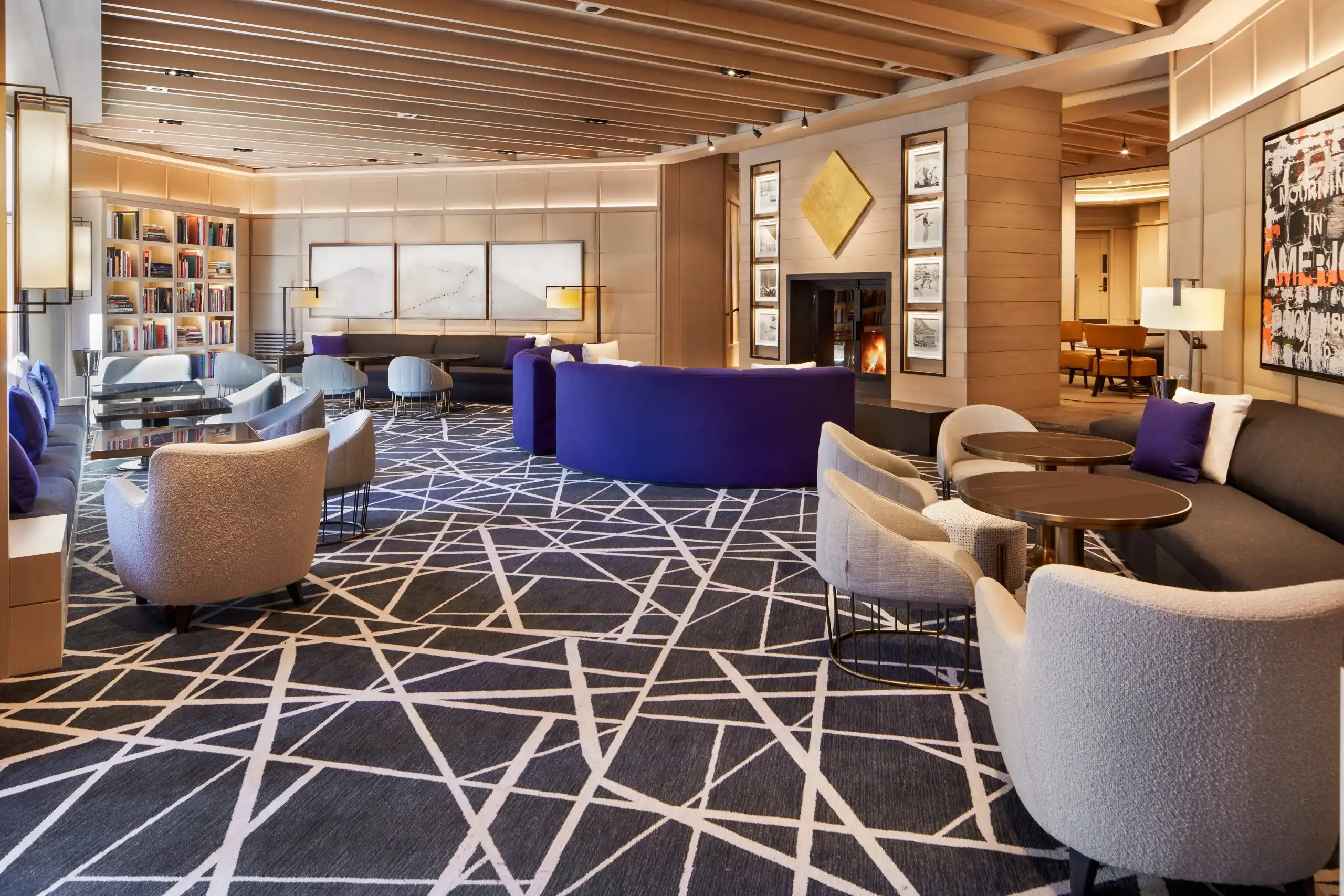
The spatial planning of The Little Nell is carefully orchestrated to create a seamless flow between different areas. Public spaces, such as lounges and dining areas, transition naturally into more private and intimate zones, enhancing the overall guest experience.
Open layouts are balanced with defined seating areas, allowing for both social interaction and quiet retreat. Additionally, the positioning of furniture and architectural elements guides movement throughout the space. This approach highlights the importance of spatial hierarchy, offering valuable lessons for designing cohesive and functional luxury homes.
Amenities as Extensions of Interior Design
One of the defining aspects of The Little Nell is how its amenities are fully integrated into the design narrative:
- Ski-in/ski-out access that connects interiors to the landscape
- Spa-inspired bathrooms that emphasize relaxation
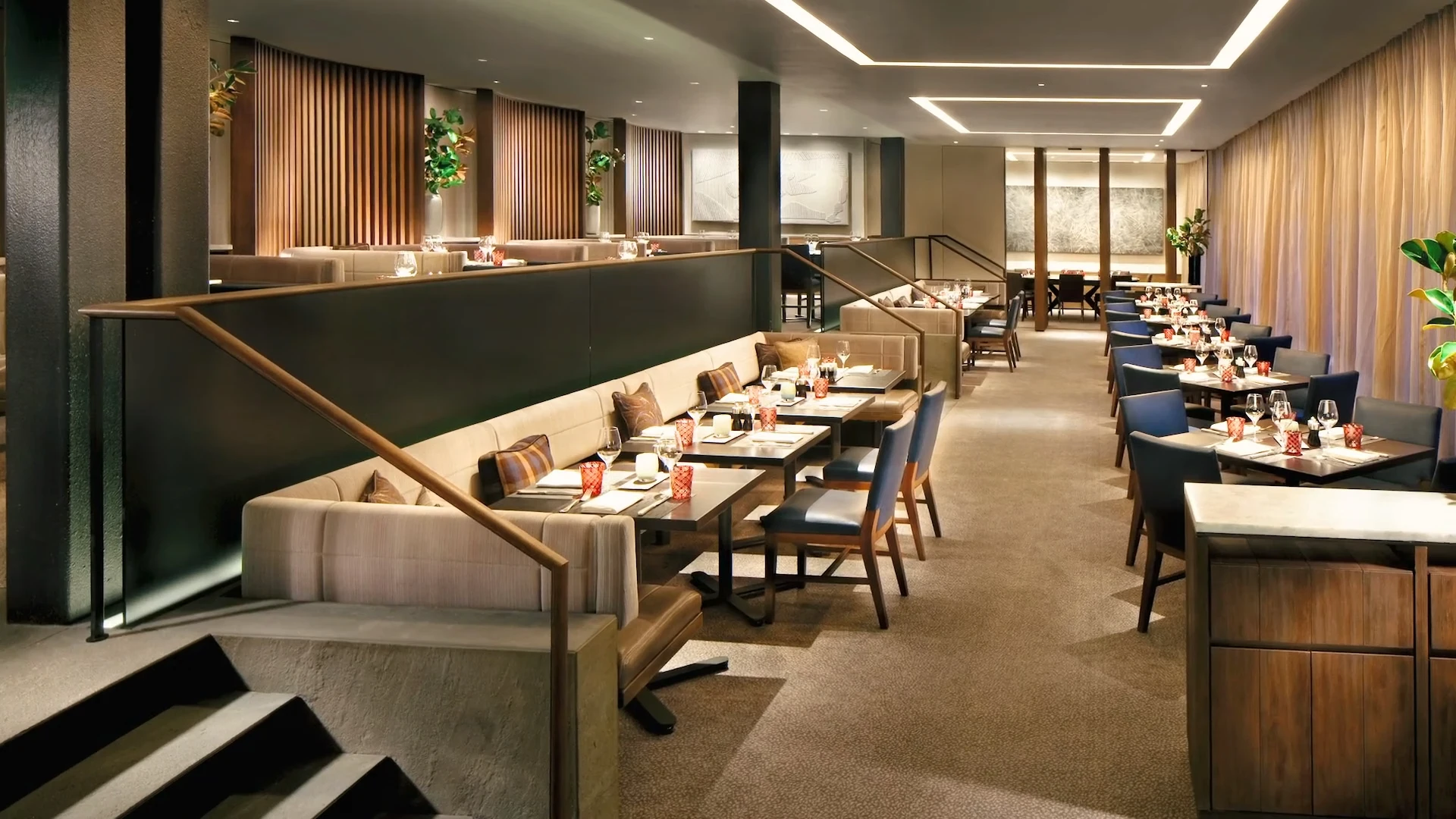
- Fine dining spaces that combine elegance with comfort
- Private wine experiences that enhance lifestyle
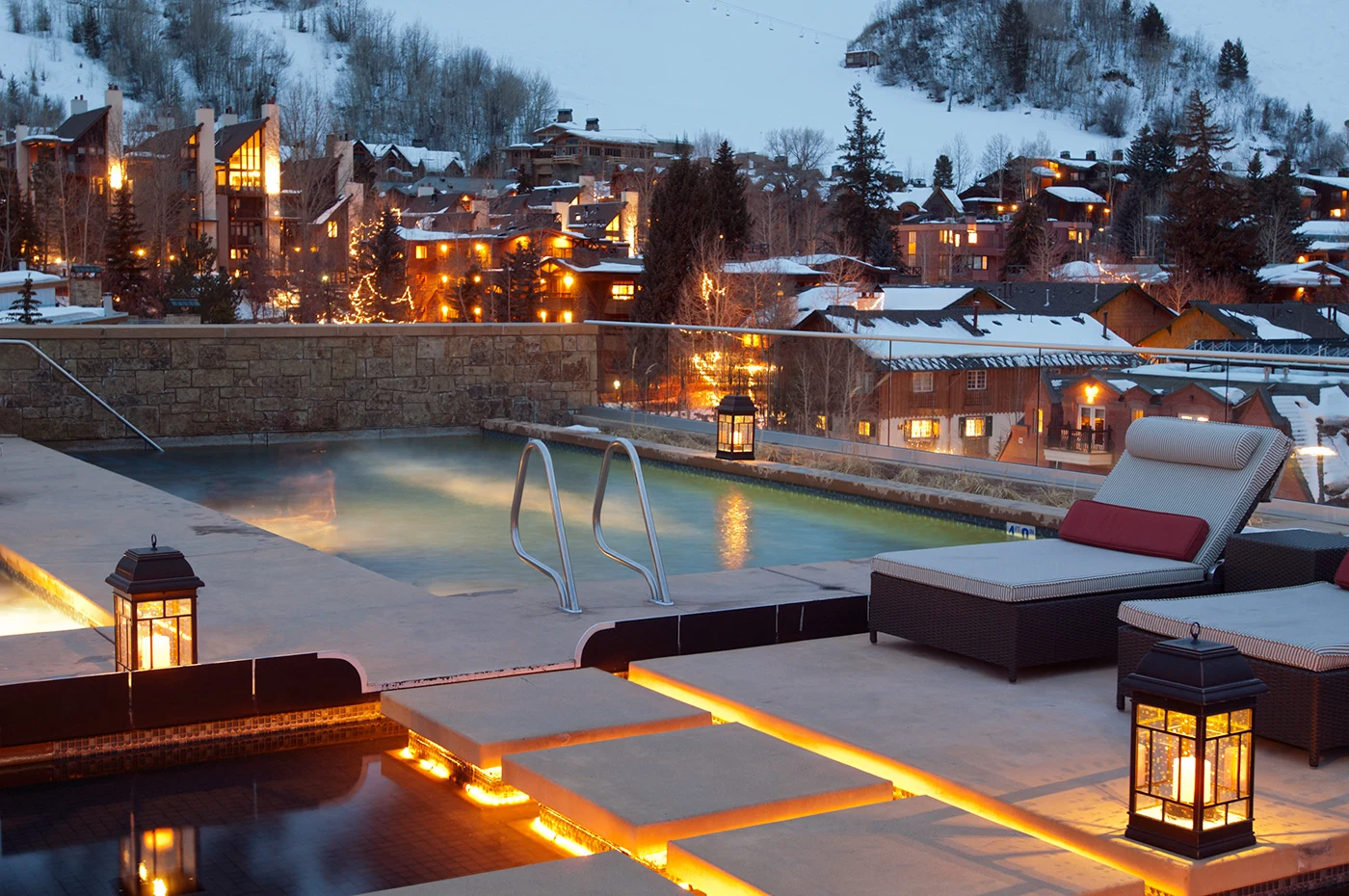
- Outdoor terraces that extend interior living
These amenities are not treated as separate features but as integral components of the overall design, reinforcing a holistic approach to luxury living.
Furniture and Custom Design
Furniture at The Little Nell plays a crucial role in defining the character of each space. Pieces are selected or designed to complement the architectural framework while enhancing comfort and usability.
Low-profile seating preserves views, while upholstered elements introduce softness and warmth. Additionally, custom-designed pieces ensure that each space feels unique and tailored. This approach demonstrates how furniture can act as both a functional and aesthetic element, contributing to a cohesive and elevated interior environment.
Lighting and Atmosphere
Lighting is used strategically throughout The Little Nell to create a layered and inviting atmosphere. Rather than relying on uniform illumination, designers incorporate a mix of ambient, task, and accent lighting.
This layered approach highlights materials, enhances spatial depth, and supports different activities throughout the day. Natural light is also maximized, with large windows framing views of Aspen Mountain. Together, these elements create a dynamic and immersive environment, reinforcing the importance of lighting in luxury interior design.
Lessons for Luxury Aspen Homes
The Little Nell offers several key takeaways for designers working on high-end residential projects:
- Prioritize material authenticity and craftsmanship
- Create layered interiors that balance texture and simplicity
- Integrate amenities as part of the design narrative
- Emphasize spatial flow and functional zoning
- Use lighting to enhance both mood and materiality
These principles provide a framework for translating hospitality design into residential contexts, ensuring that homes feel both luxurious and livable.
The Influence on Contemporary Mountain Design
The influence of The Little Nell extends beyond hospitality, shaping the broader direction of contemporary mountain interiors. Its approach demonstrates that luxury in alpine settings does not require excess, but rather a thoughtful combination of materials, proportion, and atmosphere.
Designers are increasingly adopting similar strategies, focusing on creating spaces that feel connected to their environment while maintaining a high level of refinement. This shift reflects a growing demand for interiors that are both sophisticated and deeply rooted in their context.
Conclusion
The Little Nell stands as a benchmark for luxury Aspen homes, offering a refined interpretation of mountain living through its interior design. By combining material richness, spatial clarity, and integrated amenities, it creates environments that are both elegant and immersive.
For interior designers and architects, it provides a valuable reference for translating hospitality concepts into residential projects. As the demand for elevated and experience-driven interiors continues to grow, the principles embodied by The Little Nell will remain central to the evolution of luxury mountain design.