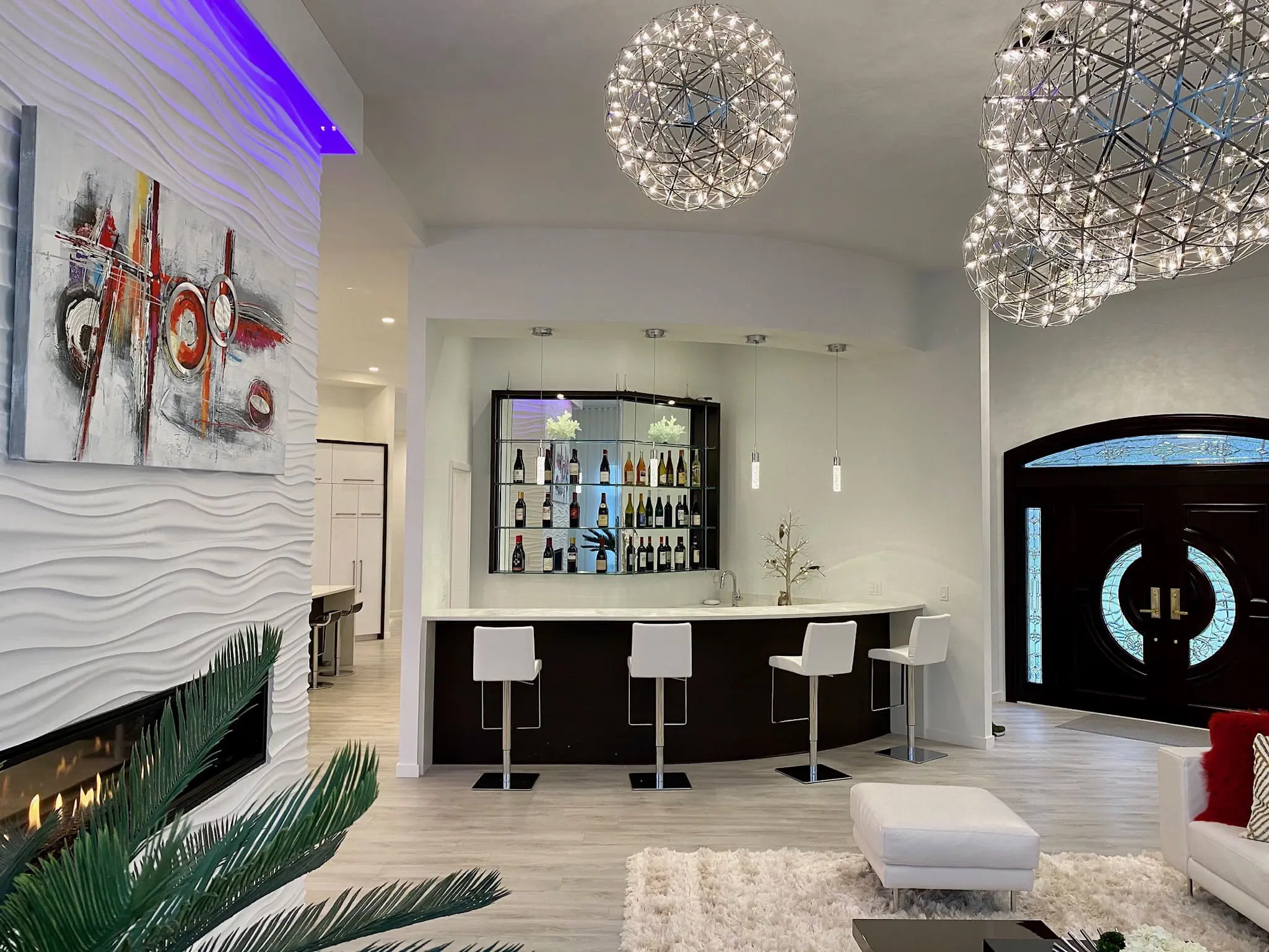
In contemporary luxury interior design, reflective surfaces have become essential tools for shaping spatial perception and elevating material expression. Beyond aesthetics, they influence how light moves, how volumes are perceived, and how interiors engage with their surroundings. For interior designers and architects, the strategic use of reflection allows spaces to feel larger, brighter, and more dynamic without introducing visual excess. As a result, reflective elements are increasingly integrated into high-end residential projects, not as decorative features, but as fundamental components of architectural and interior composition.
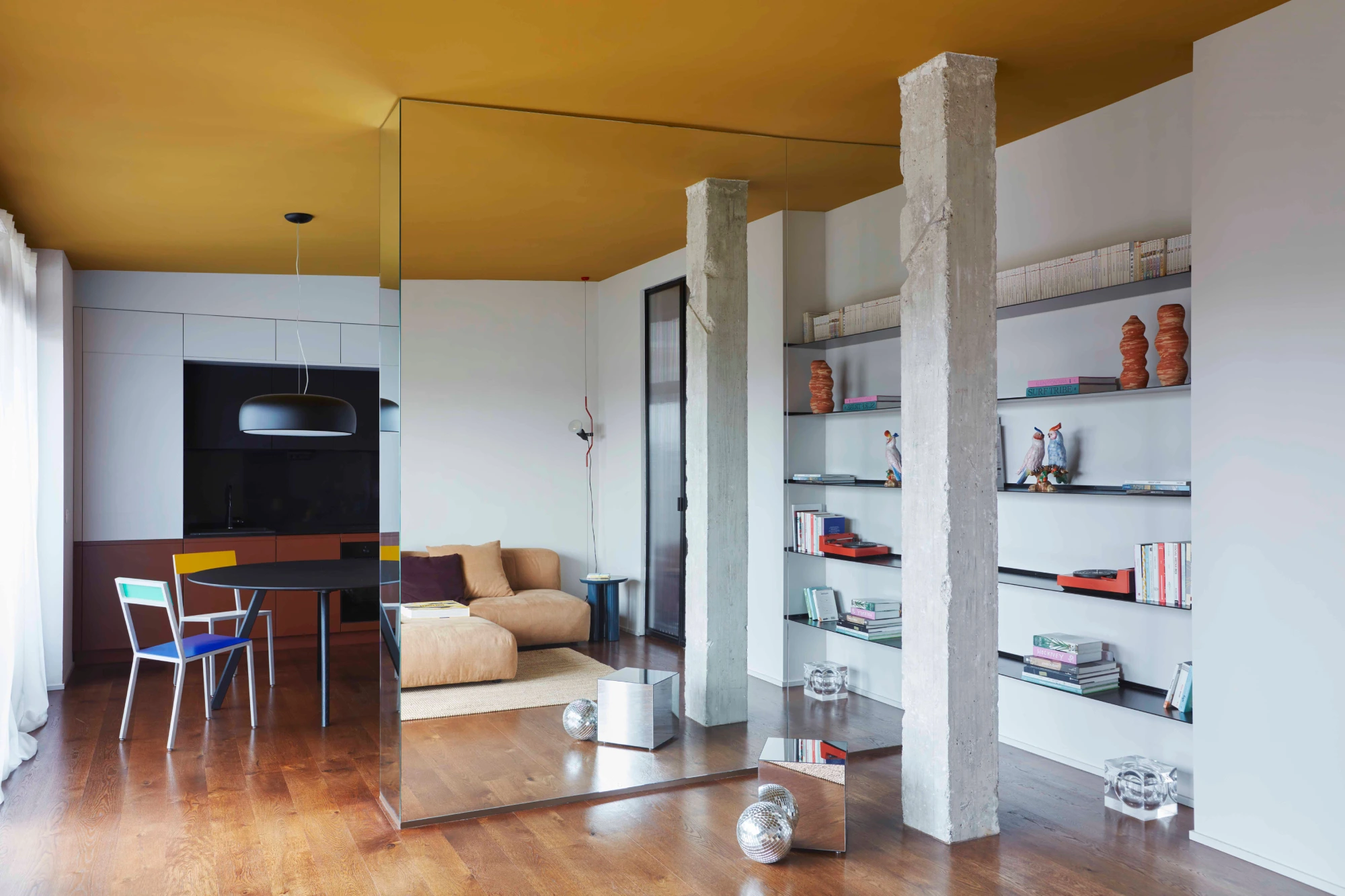
The Role of Reflection in Spatial Design
Reflective surfaces play a critical role in redefining spatial boundaries within luxury interior design. By capturing and redistributing light, they create a sense of continuity and depth that enhances the overall environment.
Rather than relying solely on physical expansion, designers use reflection to visually extend spaces. Walls appear to recede, ceilings feel higher, and transitions become more fluid. This approach is particularly effective in urban residences, where maximizing spatial perception is essential. Ultimately, reflection becomes a subtle yet powerful tool, transforming interiors into environments that feel expansive and cohesive without altering their physical dimensions.
Key Types of Reflective Surfaces
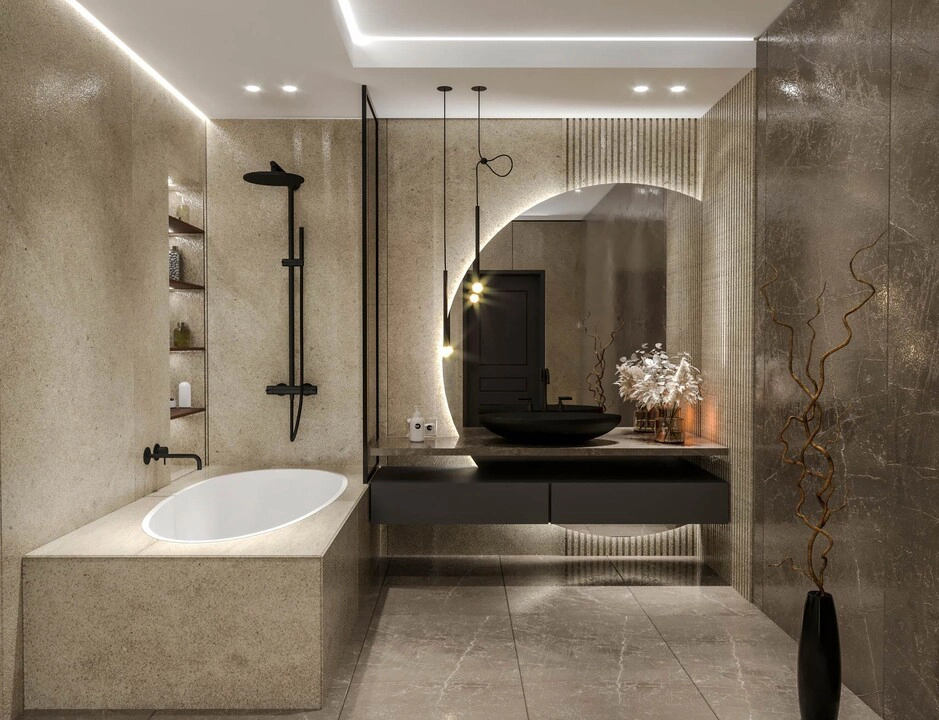
Luxury interior design incorporates a variety of reflective materials, each offering distinct qualities and effects:
- Polished stone surfaces that provide depth and natural variation
- Glass elements that enhance transparency and light flow
- Metallic finishes that introduce subtle luminosity
- Lacquered panels that create smooth, high-gloss reflections
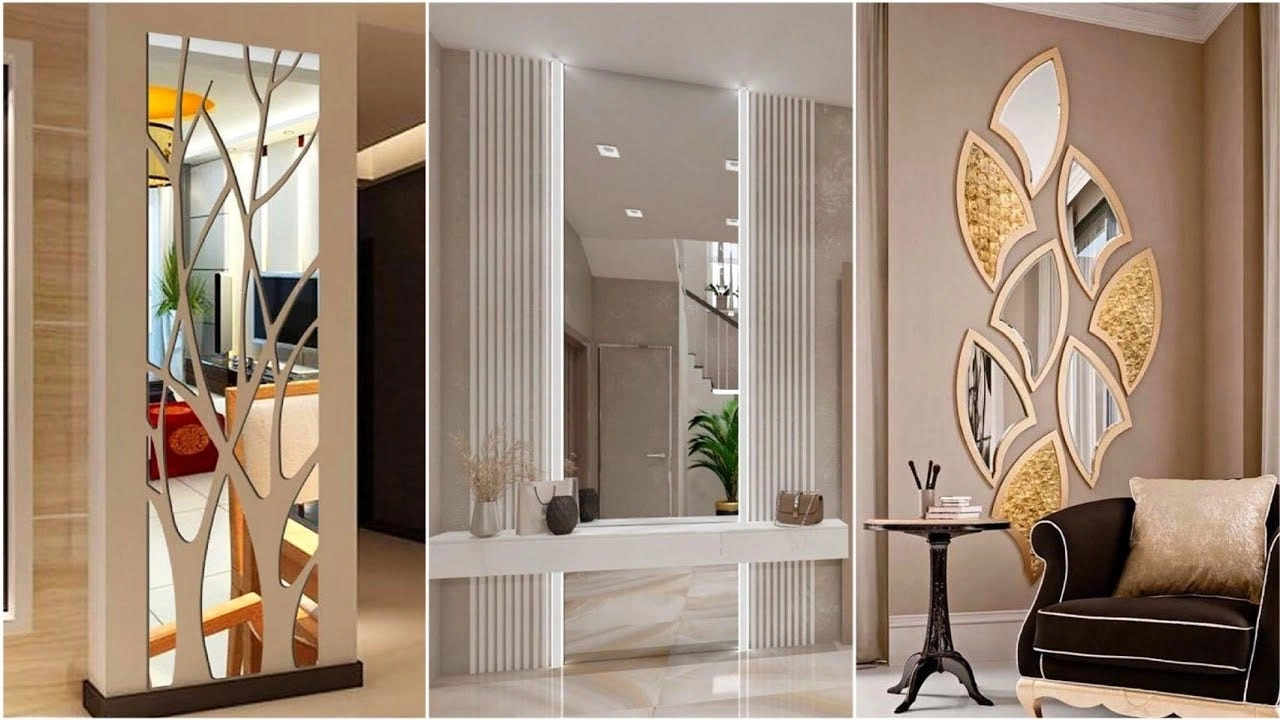
- Mirrored surfaces that amplify spatial perception
By combining these materials thoughtfully, designers can create layered environments where reflection enhances both functionality and visual interest.
Enhancing Natural Light Through Reflection
One of the most effective applications of reflective surfaces is the amplification of natural light. In luxury interior design, this strategy is used to create brighter, more inviting interiors.
Reflective materials are often positioned to capture daylight and distribute it throughout the space. This reduces the need for artificial lighting while enhancing the overall atmosphere. Moreover, the interaction between light and reflective surfaces creates dynamic effects that change throughout the day. Shadows soften, highlights shift, and materials come alive. This constant transformation adds a sense of movement and vitality, reinforcing the immersive quality of high-end interiors.
Strategic Placement of Reflective Elements
The placement of reflective surfaces is as important as the materials themselves. Designers typically focus on the following strategies:
- Positioning mirrors opposite windows to maximize light distribution
- Integrating reflective panels within architectural features
- Using glossy finishes on vertical surfaces to enhance height
- Incorporating reflective elements in transitional spaces
- Balancing reflective and matte surfaces to avoid visual overload
These techniques ensure that reflection enhances the design without overwhelming it, maintaining a sense of balance and refinement.
Material Pairing and Contrast
In luxury interior design, reflective surfaces are rarely used in isolation. Instead, they are paired with matte and textured materials to create contrast and depth. This interplay prevents spaces from feeling overly polished or sterile.
For example, a high-gloss surface may be balanced with natural wood or stone, creating a dialogue between smoothness and texture. This contrast enhances the tactile experience while maintaining visual interest. Additionally, the combination of reflective and non-reflective materials allows designers to control how light interacts with the space, ensuring a harmonious and well-balanced composition.
Reflective Surfaces in Furniture Design
Furniture offers another opportunity to incorporate reflective elements within luxury interior design:
- Glass tabletops that maintain visual lightness
- Metallic accents that introduce subtle highlights
- Lacquered finishes that add depth and sophistication
- Mirrored cabinetry that enhances spatial perception
- Polished stone surfaces that elevate material quality
These applications allow reflection to be integrated at multiple scales, contributing to a cohesive design language that extends throughout the interior.
Avoiding Excess in Reflective Design
While reflective surfaces can enhance luxury interiors, their use must be carefully controlled. Excessive reflection can lead to visual discomfort and disrupt the balance of a space.
Designers must consider proportion, placement, and material selection to ensure that reflective elements support rather than dominate the design. By limiting their use to strategic areas, reflection remains a subtle enhancement rather than an overwhelming feature. This restrained approach aligns with the principles of contemporary luxury interior design, where refinement and precision take precedence over excess.
The Emotional Impact of Light and Reflection
Reflective surfaces contribute significantly to the emotional experience of a space. In luxury interior design, they are used to create environments that feel open, luminous, and dynamic.
The interplay of light and reflection can evoke a sense of calm or energy, depending on how it is applied. Soft reflections create a serene atmosphere, while sharper reflections add vibrancy and movement. This versatility allows designers to tailor the emotional tone of a space, enhancing its overall impact. As a result, reflection becomes not only a visual tool but also an experiential one.
Integrating Technology with Reflective Surfaces
Modern luxury interior design often combines reflective materials with advanced technology to enhance functionality:
- Smart glass that adjusts transparency based on light conditions
- Integrated lighting within reflective panels
- Touch-sensitive mirrored surfaces for controls
- Hidden displays embedded within reflective finishes
- Climate-responsive materials that adapt to environmental changes
These innovations allow reflective surfaces to serve multiple purposes, supporting both aesthetics and performance in contemporary interiors.
The Future of Reflective Surfaces in Luxury Interior Design
As design continues to evolve, reflective surfaces will play an increasingly important role in shaping luxury interiors. Advances in materials and technology will expand their applications, allowing for greater flexibility and creativity.
Designers will continue to explore new ways to integrate reflection into architecture, furniture, and spatial planning. However, the focus will remain on balance and intention, ensuring that reflective elements enhance rather than dominate the design. This approach will reinforce the role of reflection as a key component of sophisticated and forward-thinking luxury interior design.
Conclusion
Reflective surfaces offer a powerful means of enhancing space, light, and materiality within luxury interior design. When used thoughtfully, they transform interiors into dynamic environments that feel both expansive and refined.
For interior designers and architects, mastering the use of reflection is essential in creating high-end residential projects that balance aesthetics with functionality. As the demand for sophisticated and immersive spaces continues to grow, reflective surfaces will remain a fundamental tool in defining the future of luxury interiors.