Across the rapidly evolving hospitality landscape of the Gulf region, Kristina Zanic has emerged as one of the most influential voices in contemporary luxury interior design. Through her multidisciplinary studio, she has transformed hotels, resorts, wellness spaces, and branded residences into immersive environments that balance cultural identity with international sophistication. For interior designers and architects, Kristina Zanic’s work offers a compelling perspective on how luxury hospitality can move beyond aesthetics to create emotionally engaging experiences. Her projects throughout the Middle East demonstrate how thoughtful interior design can redefine regional luxury for a global audience.

A Human-Centered Vision of Hospitality
At the core of Kristina Zanic’s philosophy is the belief that hospitality design should create memorable experiences rooted in emotion, comfort, and storytelling. Her studio emphasizes environments that engage the senses while maintaining strong operational functionality.
Rather than imposing a singular aesthetic language across projects, the studio develops site-specific narratives inspired by local culture, landscape, and architecture. This approach allows each property to feel unique while remaining aligned with contemporary luxury expectations. Consequently, Kristina Zanic’s work has become synonymous with hospitality interiors that feel both globally refined and deeply contextual.
The Expansion of Kristina Zanic Consultants
Since founding her studio in Dubai in 2012, Kristina Zanic has overseen remarkable international growth. The firm now operates across multiple offices with projects spanning Europe, Asia, Africa, and the Middle East.
Key characteristics of the studio include:
- A portfolio of more than 300 hospitality projects
- Offices in Dubai, Riyadh, Bangkok, London, and Clark
- Collaborations with luxury hotel brands and developers
- Multidisciplinary teams combining global perspectives
- Strong emphasis on cultural and regional identity
This international reach has allowed the studio to shape some of the region’s most ambitious hospitality developments.
Cultural Identity as a Design Driver
One of the defining aspects of Kristina Zanic’s interiors is the integration of regional influences without relying on predictable clichés. Her projects often reinterpret local heritage through contemporary forms, materials, and spatial compositions.
In the Middle East, this approach is particularly important because hospitality environments are increasingly expected to reflect authentic cultural narratives. Rather than recreating historical motifs literally, the studio abstracts and modernizes them. This strategy creates interiors that feel rooted in place while remaining relevant to contemporary global travelers. As a result, her work consistently achieves a sophisticated balance between heritage and modernity.
Hospitality Design Through Sensory Experience
Kristina Zanic’s projects are often defined by layered sensory environments that prioritize atmosphere and emotional connection:
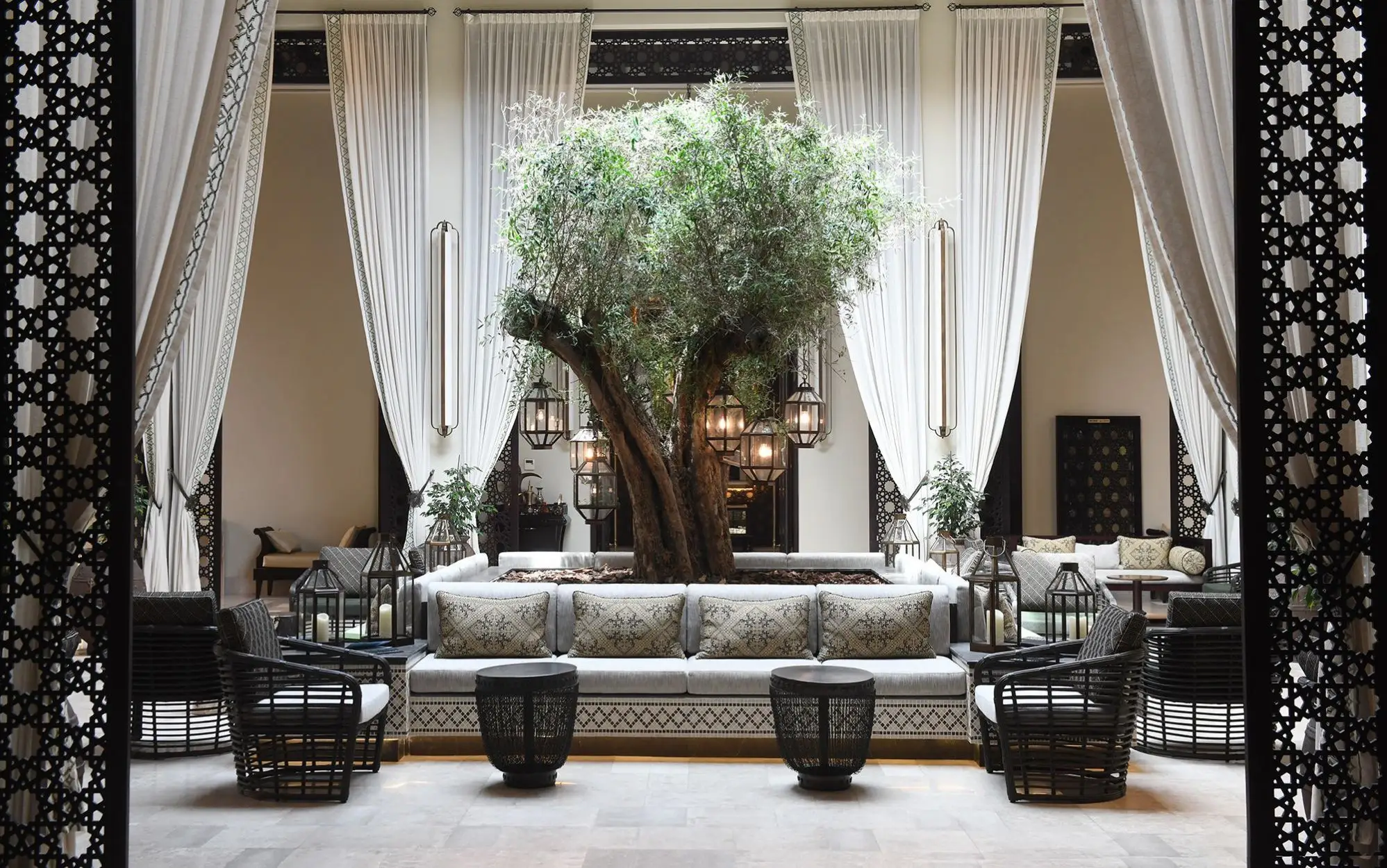
- Rich textures that enhance tactile comfort
- Carefully curated lighting strategies
- Natural materials that reinforce authenticity
- Spatial layering that creates depth and intimacy
- Art and decorative elements that enrich storytelling
These design principles allow hospitality spaces to feel immersive and memorable, reinforcing the emotional dimension of luxury interior design.
Sofitel Al Hamra and Contemporary Resort Luxury
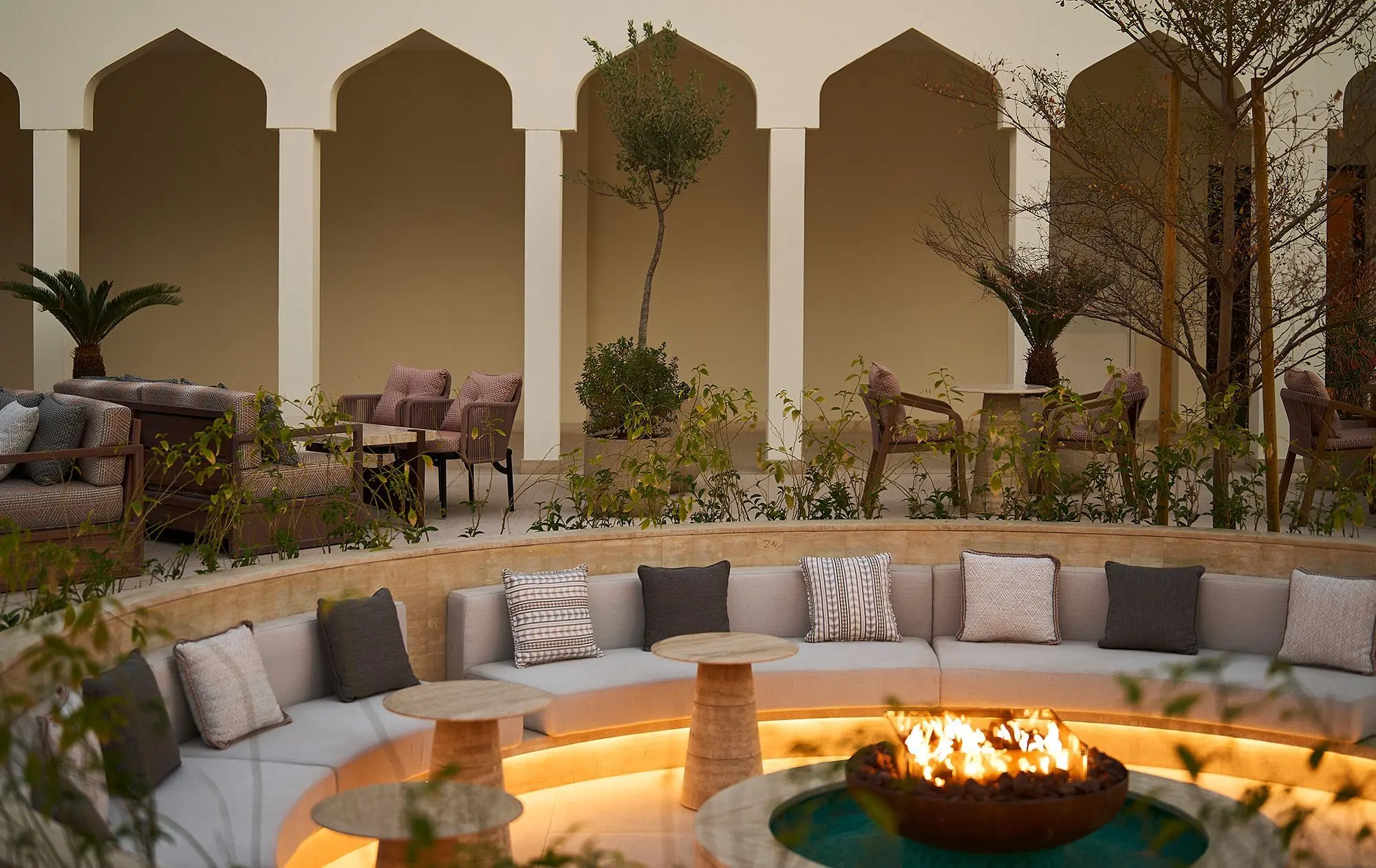
A strong example of Kristina Zanic’s approach can be seen in the interiors for Sofitel Al Hamra Beach Resort in Ras Al Khaimah. The project combines French sophistication with Arabian influences, creating an environment that feels elegant yet regionally grounded.
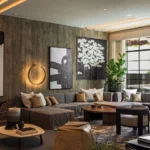
The redesign introduced lighter palettes, expansive natural light, and layered textures inspired by the surrounding landscape. Materials such as travertine, marble, velvet, and patterned ceramics create visual richness while maintaining cohesion. Furthermore, the interiors integrate hospitality amenities seamlessly, ensuring that restaurants, lounges, and wellness areas contribute to a unified guest experience.
Luxury Hospitality Beyond Traditional Opulence
Kristina Zanic’s work reflects a broader transformation within Middle Eastern hospitality design. Luxury is no longer defined solely through ornamentation or scale. Instead, contemporary hospitality increasingly emphasizes experience, atmosphere, and personalization.
This shift aligns with changing traveler expectations, where guests seek environments that feel immersive and emotionally resonant. Her interiors therefore focus on creating a sense of place through proportion, materiality, and narrative. This evolution represents a significant departure from earlier hospitality trends that prioritized visual spectacle over experiential quality.
Collaboration with Global Hospitality Brands
The studio has collaborated with many of the world’s leading hospitality operators and developers:
- Marriott International
- Accor Hotels
- Hilton Hotels & Resorts
- IHG Hotels & Resorts
- Mandarin Oriental and Jumeirah
These partnerships highlight the studio’s ability to deliver internationally competitive luxury interiors while maintaining strong regional sensitivity.
The Role of Materiality and Craftsmanship
Materiality is central to Kristina Zanic’s design language. Across her hospitality projects, materials are selected not only for visual beauty but also for tactile and atmospheric qualities.
Stone, wood, textured fabrics, and handcrafted finishes are frequently layered to create interiors that feel rich and multidimensional. Importantly, these materials often reference local landscapes and craftsmanship traditions, reinforcing cultural continuity within contemporary environments. This careful attention to detail elevates the sensory experience of hospitality spaces and strengthens their emotional resonance.
Innovation in Middle Eastern Hospitality Design
Kristina Zanic’s influence extends beyond aesthetics into broader hospitality innovation. Her studio increasingly explores how interiors can adapt to evolving guest expectations, blending flexibility, wellness, and lifestyle-driven experiences.
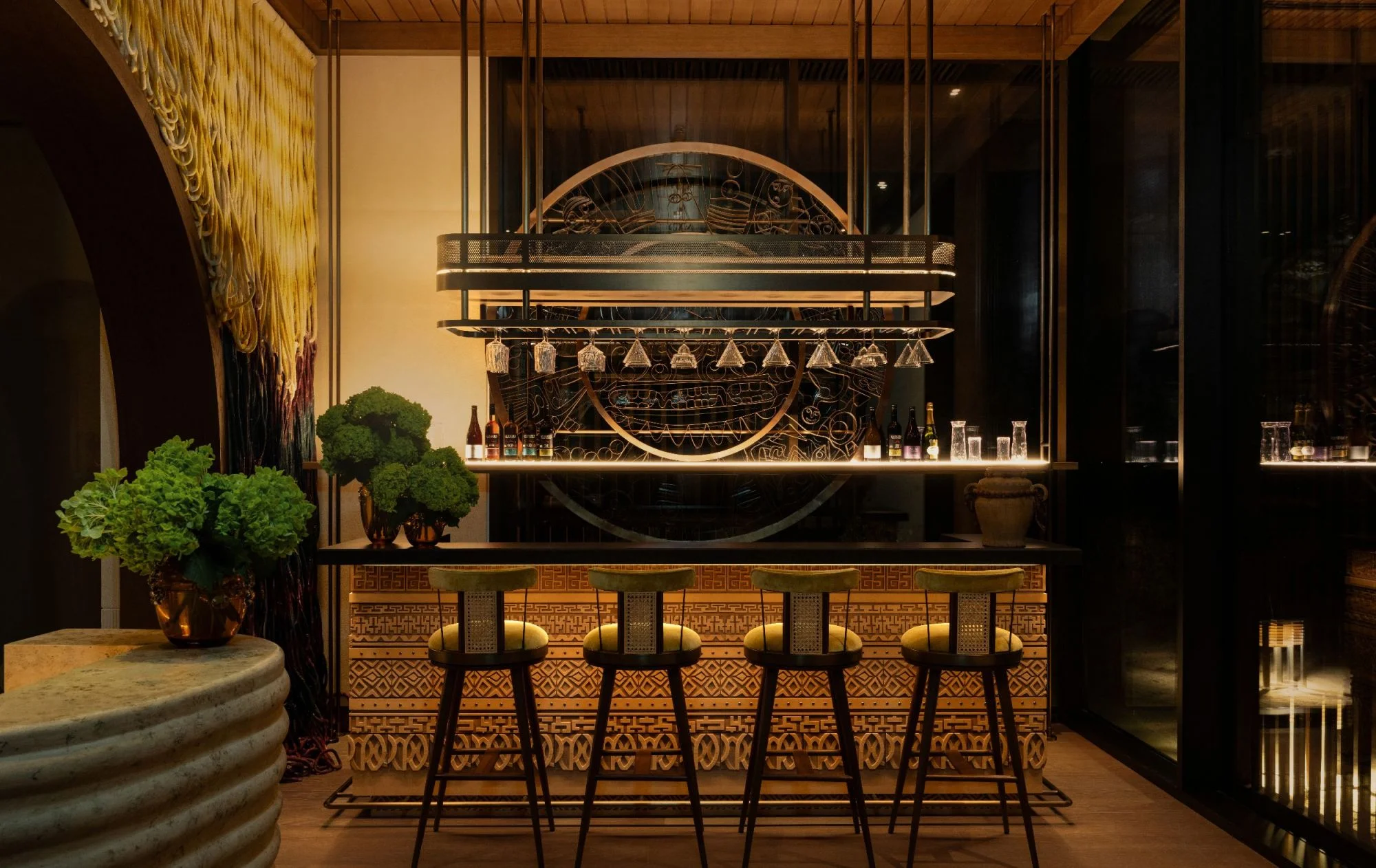
Projects such as The Unexpected Marjan Island Hotel demonstrate this forward-thinking approach through dynamic layouts, immersive lighting, and experiential design narratives inspired by movement and sound. These concepts reflect the changing direction of hospitality interiors, where design is expected to create memorable and interactive environments rather than static luxury settings.
Lessons for Interior Designers and Architects
Kristina Zanic’s work offers several valuable lessons for contemporary design professionals:
- Prioritize storytelling through spatial experience
- Balance cultural references with modern sophistication
- Use materiality to create emotional depth
- Design hospitality spaces around sensory engagement
- Create interiors that support both aesthetics and functionality
These principles demonstrate how luxury hospitality design can become more meaningful, immersive, and contextually relevant.
The Future of Luxury Hospitality in the Middle East
As the Middle East continues to invest heavily in tourism and luxury development, hospitality design will play an increasingly important role in shaping global perceptions of the region. Designers are now expected to create spaces that feel authentic, culturally intelligent, and internationally refined.
Kristina Zanic’s projects provide a strong framework for this future direction. Her emphasis on contextual storytelling, craftsmanship, and experiential luxury aligns closely with the evolving priorities of both operators and travelers. Consequently, her influence on hospitality design across the Middle East is likely to continue expanding in the years ahead.
Conclusion
Kristina Zanic has become a defining figure in contemporary luxury hospitality design through her ability to merge cultural identity, sensory experience, and refined materiality. Her projects across the Middle East demonstrate how interiors can transcend aesthetics to create immersive and emotionally engaging environments.
For interior designers, architects, and luxury design studios, her work offers valuable insight into the future of hospitality interiors. As the industry continues to evolve, the principles championed by Kristina Zanic will remain central to shaping meaningful and memorable luxury experiences.