In the world of contemporary interiors, few studios have shaped luxury aesthetics as powerfully as Dimore Studio. Founded in Milan by Emiliano Salci and Britt Moran, the studio transformed from a niche creative practice into one of the most influential names in luxury design.
Today, the Dimore Studio aesthetic influences interior designers, architects, luxury hospitality groups, and premium furniture brands around the world. Through a distinctive visual language that merges cinematic nostalgia, Italian modernism, and layered material richness, the studio created a recognizable universe that extends far beyond interiors.
For luxury design professionals, the rise of Dimore Studio reflects a broader shift in how high end brands build cultural relevance through atmosphere, storytelling, and emotional design.
The Origins of the Dimore Studio Aesthetic
Dimore Studio emerged during a period when minimalism dominated luxury interiors. Many contemporary spaces prioritized stark simplicity, neutral palettes, and restrained compositions. Dimore Studio moved in the opposite direction.
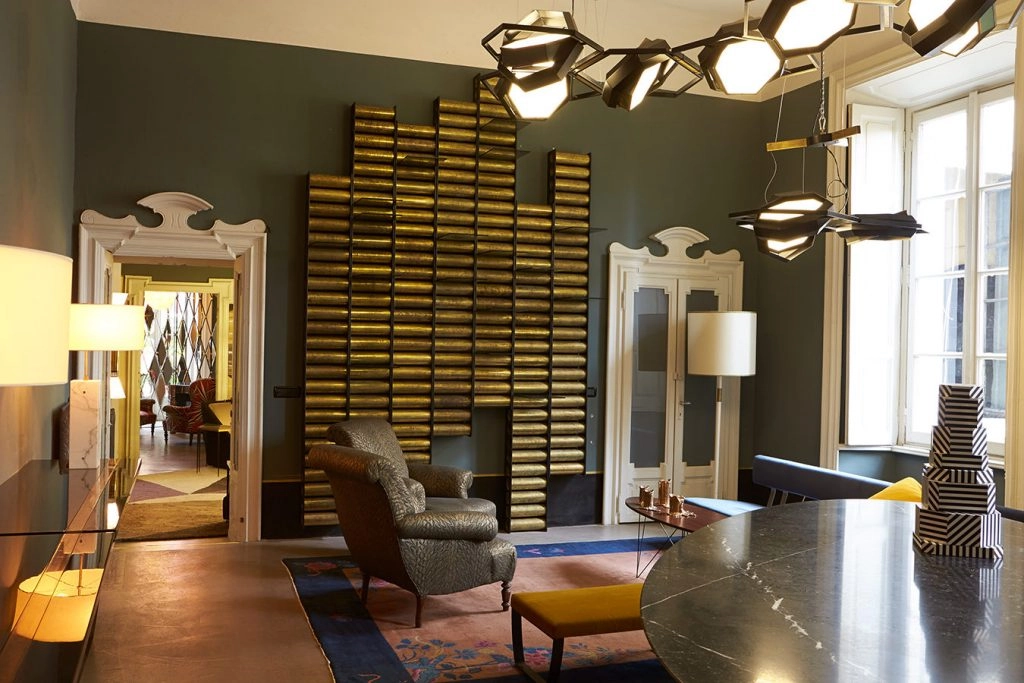
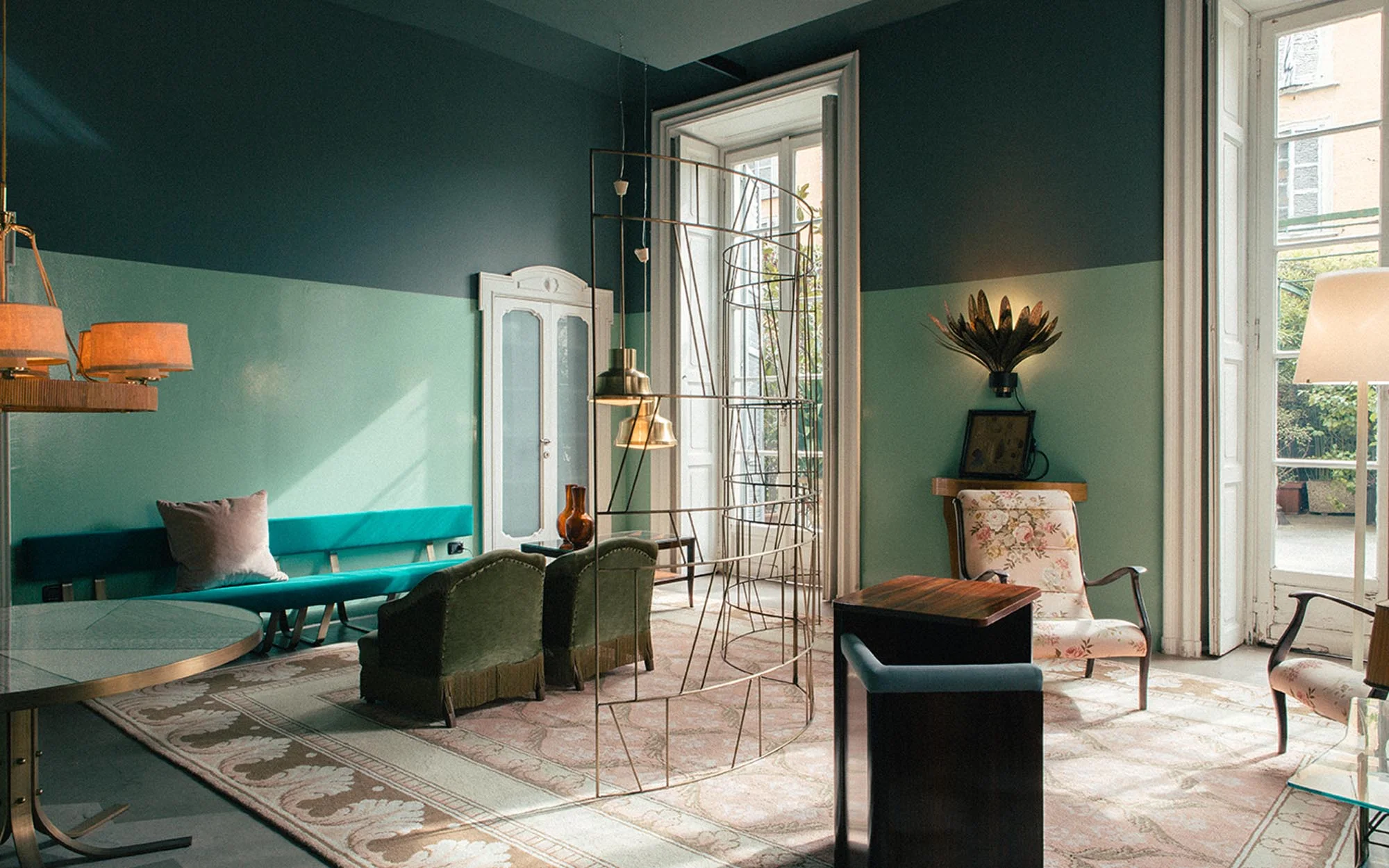
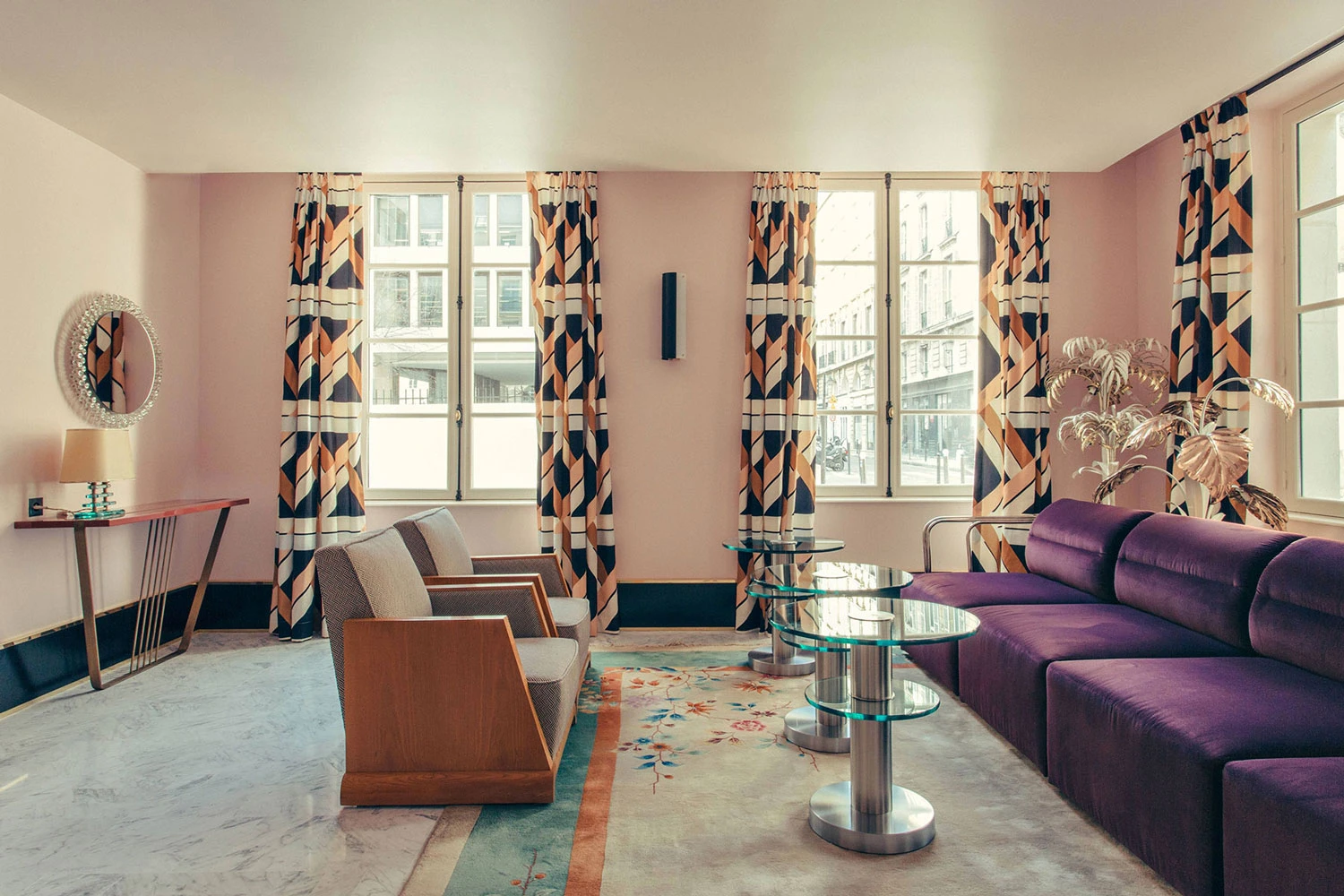
Instead of sterile environments, the founders embraced layered textures, saturated colors, vintage references, and emotionally charged interiors. Their spaces often feel cinematic and deeply atmospheric, combining influences from the 1970s, mid century Italian design, Art Deco, and retro futurism.
This distinctive direction immediately separated the studio from conventional luxury aesthetics.
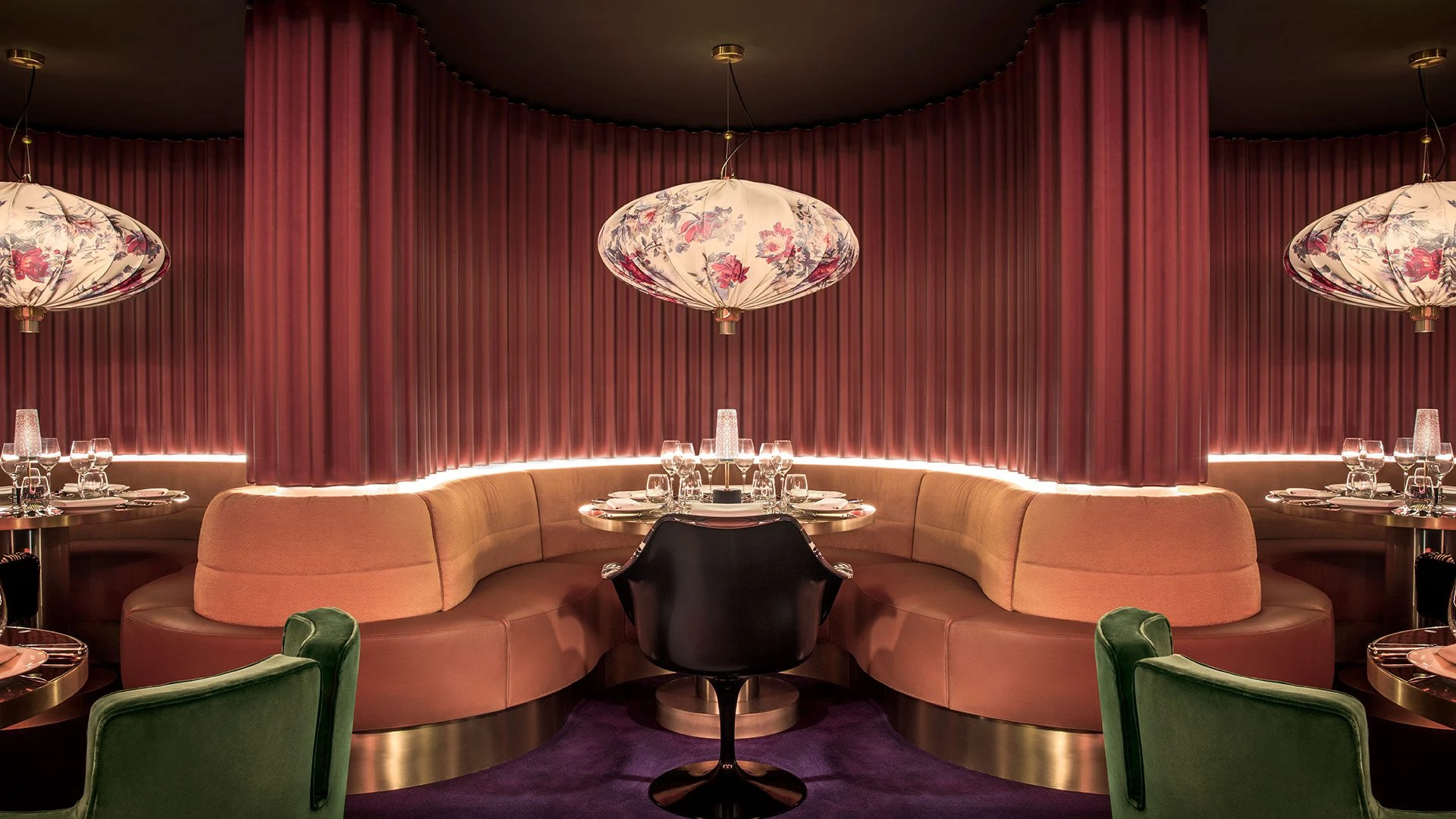
The founders developed interiors that appeared collected over time rather than perfectly curated. Velvet upholstery, smoked mirrors, lacquered wood, brass accents, Murano glass, and sculptural lighting became recurring visual signatures.
The result created interiors with personality, depth, and sensory richness.
Milan as a Strategic Foundation
The studio’s connection to Milan played a major role in its global growth. Milan remains the center of international furniture and interior culture, particularly through events like Salone del Mobile and Milan Design Week.
Dimore Studio used this ecosystem strategically. Their immersive installations during design week became highly anticipated industry events. Instead of presenting furniture in conventional showroom settings, the studio created emotional environments that blurred the line between cinema, architecture, and collectible design.
Editors, architects, luxury developers, and fashion brands quickly recognized the uniqueness of these experiences.
The studio’s presentations generated extensive coverage across design publications and social media platforms, helping establish a recognizable identity that transcended geography.
A Design Language Rooted in Atmosphere
One of the most influential aspects of the Dimore Studio approach lies in its emphasis on atmosphere over perfection.
Many luxury interiors focus heavily on polished uniformity. Dimore Studio introduced spaces that felt moody, intimate, and emotionally layered. Lighting often appears intentionally low and dramatic. Materials reflect age, tactility, and visual complexity.
This approach resonates strongly within luxury hospitality and residential markets because clients increasingly seek environments that feel immersive rather than purely decorative.
Several defining characteristics consistently appear throughout the studio’s projects:
- Deep jewel toned palettes
- Vintage inspired furnishings
- Layered lighting compositions
- Contrasting textures
- Smoked and reflective surfaces
- Italian modernist references
- Sculptural furniture forms
- Cinematic spatial narratives
These elements combine to create interiors that feel instantly recognizable while remaining sophisticated and timeless.
The Expansion Into Furniture Design
As the studio’s reputation grew, furniture became a natural extension of its creative identity.
Rather than separating interiors from product design, Dimore Studio developed furniture collections that reinforced the emotional language of its spaces. The studio’s pieces often combine geometric rigor with luxurious materials such as brass, velvet, lacquer, marble, and stained wood.
Furniture collections associated with the studio frequently blur the boundary between collectible design and functional object.
This positioning appealed strongly to luxury consumers, galleries, hospitality groups, and design collectors seeking pieces with artistic character.
The studio also benefited from the broader rise of collectible contemporary design. High end buyers increasingly value limited production furniture that communicates exclusivity and craftsmanship.
Within this context, Dimore Studio established itself not only as an interior practice but as a luxury lifestyle reference point.
Why Luxury Brands Gravitate Toward Dimore Studio
Luxury brands increasingly collaborate with design studios capable of creating emotionally memorable experiences. Dimore Studio excels in this area because its visual identity feels immersive and highly differentiated.
Fashion houses, hospitality groups, and premium residential developers seek environments that communicate cultural sophistication. The Dimore aesthetic offers precisely that balance between heritage, glamour, and contemporary relevance.
The studio’s work also photographs exceptionally well, which strengthens its appeal in an image driven luxury market. Rich textures, atmospheric lighting, and layered compositions translate powerfully across editorial campaigns, digital platforms, and social media.
For luxury hospitality environments especially, this visual strength creates both experiential and marketing value.
Hotels, restaurants, and private members clubs increasingly prioritize interiors that generate emotional engagement and visual memorability.
The Influence of Italian Design Heritage
Italian design history remains central to the Dimore Studio identity.
The studio frequently references the legacy of twentieth century Italian modernism while reinterpreting it through a contemporary lens. Influences from iconic Italian designers and architects appear throughout their work, including echoes of radical design movements from the 1960s and 1970s.
Yet the studio avoids direct replication.
Instead, it combines historical references with contemporary proportions, unexpected color combinations, and modern luxury sensibilities. This balance between nostalgia and innovation gives the work lasting appeal.
For architects and interior designers, the studio demonstrates how heritage can become a dynamic creative resource rather than a restrictive framework.
The Power of Emotional Luxury
One reason Dimore Studio resonates globally is its understanding of emotional luxury.
Many premium interiors prioritize visual perfection but lack emotional warmth. Dimore Studio creates environments that evoke memory, intimacy, curiosity, and cinematic drama.
This emotional quality reflects broader shifts in luxury consumption. High net worth clients increasingly value experiences, atmosphere, and storytelling over overt displays of wealth.
As a result, the studio’s projects often feel personal and immersive rather than excessively formal.
This direction aligns strongly with current trends across luxury residential, hospitality, and boutique retail sectors.
Dimore Studio’s Global Influence on Contemporary Interiors
Today, the influence of Dimore Studio extends far beyond Italy.
Interior designers worldwide now incorporate many characteristics associated with the studio’s aesthetic language, including saturated palettes, vintage inspired layering, sculptural lighting, and richly textured surfaces.
Luxury furniture brands also increasingly embrace emotionally driven design narratives rather than purely minimalist presentations.
The studio helped redefine what contemporary luxury interiors could look and feel like. Instead of cold perfection, it introduced sensuality, nostalgia, atmosphere, and visual storytelling into the center of modern luxury design.
For architects, furniture brands, and luxury design studios, the continued relevance of Dimore Studio reflects a growing demand for interiors that feel culturally rich, emotionally engaging, and deeply immersive.