

Across the past three decades, a select group of hotels has fundamentally reshaped our understanding of luxury. No longer defined solely by opulence or excess, modern luxury hotels have become cultural touchstones—spaces where architecture, design, and experience converge to reflect contemporary values. These properties speak to a global audience fluent in aesthetics, sustainability, craftsmanship, and emotional resonance.
From urban landmarks to remote sanctuaries, hotels that redefined modern luxury challenged traditional hospitality norms. They introduced new spatial narratives, rethought guest experience, and elevated luxury hotel design into a form of architectural and cultural expression. This evolution mirrors broader shifts in how we live, travel, and define sophistication in a globalized world.
This article explores the hotels that set new benchmarks for contemporary hotel interiors and architectural innovation—properties that continue to influence designers, developers, and discerning travelers alike.
The Evolution of Modern Luxury in Hospitality
The concept of luxury in hospitality has undergone a profound transformation. Where grandeur once meant ornamentation and scale, today it signals restraint, intention, and authenticity. Modern luxury hotels prioritize experience over extravagance, offering environments that feel curated rather than imposed.
This shift has been driven by several intersecting forces:
- Global design literacy among travelers
- A growing emphasis on wellness and sustainability
- The rise of experiential and culturally rooted travel
- Cross-pollination between architecture, fashion, and art
As a result, luxury hotel design has become more architectural, more narrative, and more human-centric.
Hotels That Changed the Language of Luxury
Urban Icons: Redefining the City Hotel
In global capitals, several hotels reimagined what urban luxury could represent. Rather than isolating guests from the city, these properties embraced their context—architecturally, culturally, and socially.
Design-forward city hotels introduced open-plan lobbies, blurred boundaries between public and private spaces, and treated interiors as extensions of the urban fabric. Materials such as raw stone, patinated metals, and bespoke woodwork replaced overtly decorative finishes, signaling a more intellectual form of luxury.
These modern luxury hotels became destinations in their own right, frequented by locals and travelers alike, and helped redefine hospitality as a cultural platform rather than a purely service-driven industry.
Resort Hotels: A Dialogue with Landscape
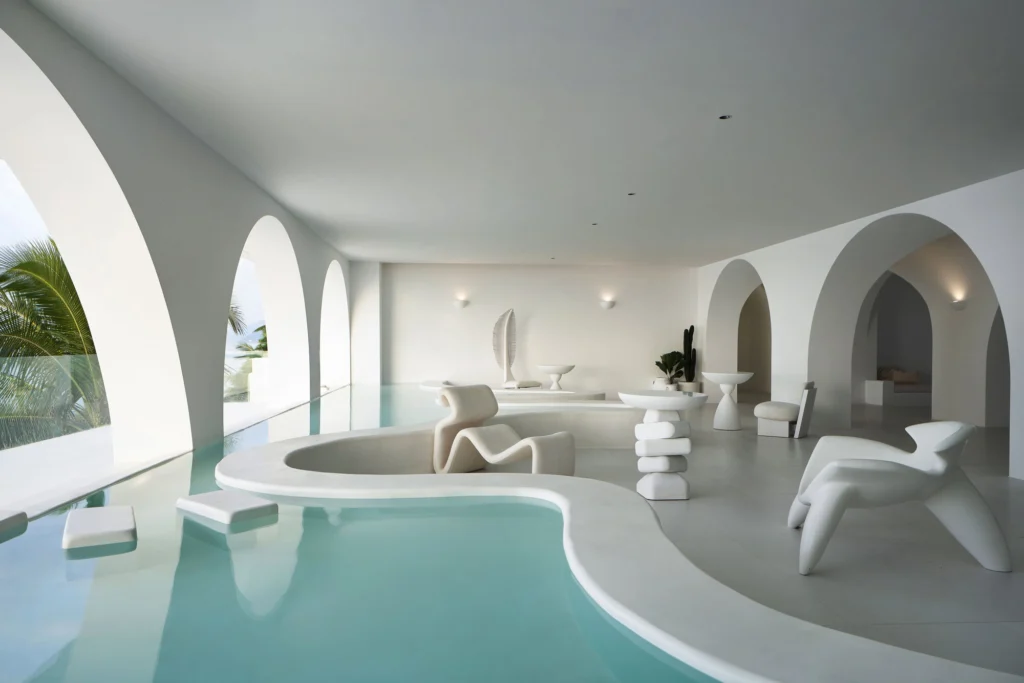
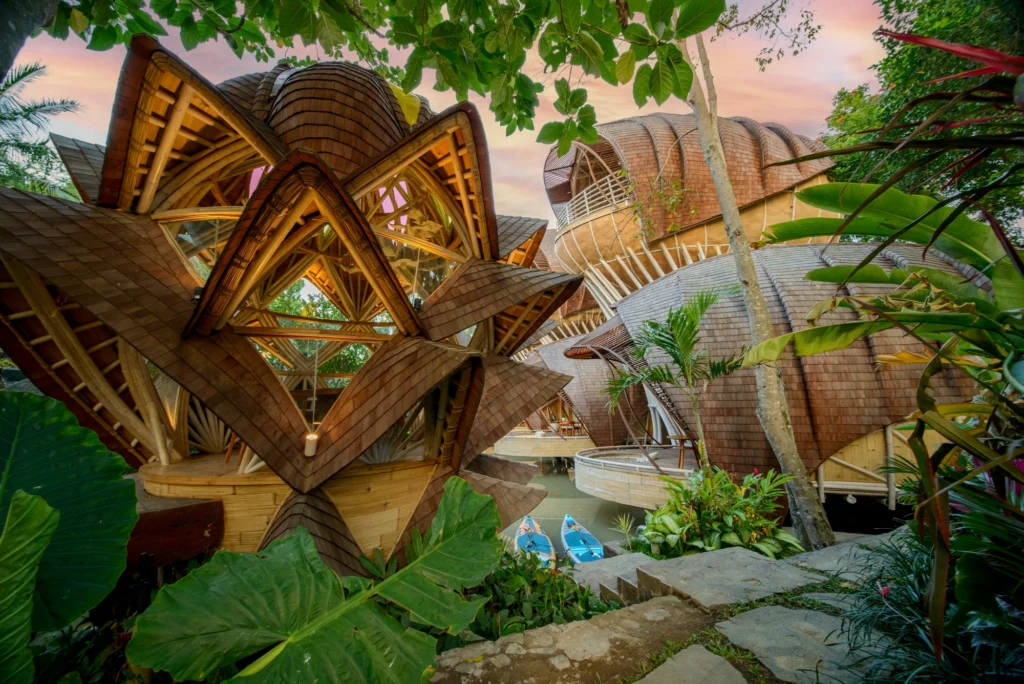
Beyond cities, a new generation of resorts elevated luxury through restraint and environmental sensitivity. Rather than dominating their surroundings, these hotels engaged in a dialogue with nature.
Architects and designers adopted vernacular forms, local materials, and low-impact construction methods. The result was a type of luxury rooted in place-specific authenticity, where silence, space, and light became primary design elements.
In these settings, contemporary hotel interiors often dissolve into the landscape, prioritizing framed views, tactile materials, and seamless indoor-outdoor transitions.
Boutique Hotels: Intimacy as Luxury
The rise of boutique hospitality marked another turning point. Smaller in scale but rich in identity, boutique hotels demonstrated that luxury could be deeply personal.
These properties often collaborate closely with designers, artists, and craftspeople to create interiors that feel bespoke rather than standardized. The emphasis on narrative—whether historical, cultural, or conceptual—has influenced larger hotel groups seeking to humanize their brands.
In many cases, boutique hotels have served as experimental laboratories for contemporary hotel interiors, introducing ideas later adopted by the mainstream hospitality sector.
Architecture as Experience
One of the defining characteristics of hotels that redefined modern luxury is their architectural ambition. These buildings are not merely containers for interiors; they actively shape the guest experience.
Spatial sequencing, natural light, and material continuity guide movement and perception. Arrival is choreographed, transitions are intentional, and moments of pause are carefully designed. Architecture becomes experiential rather than symbolic.
This approach aligns with broader trends in contemporary architecture, where emotional impact and sensory engagement are prioritized over formal gestures. In luxury hotel design, this translates into spaces that feel intuitive, calming, and timeless.
The Role of Contemporary Hotel Interiors
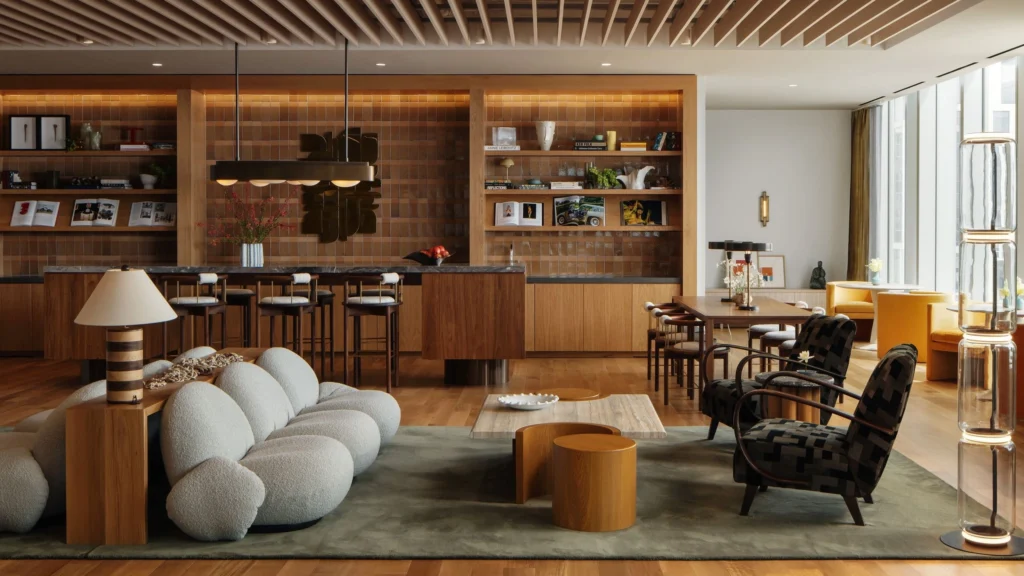
If architecture sets the framework, interiors give modern luxury hotels their soul. The most influential hotels demonstrate a refined balance between comfort, craftsmanship, and conceptual clarity.
Key characteristics of contemporary hotel interiors include:
- Neutral palettes enriched by texture and material depth
- Custom-designed furniture and lighting
- Layered lighting strategies that adapt throughout the day
- A seamless integration of technology
Rather than following trends, these interiors favor longevity and adaptability. Furniture is often designed specifically for the space, reinforcing a sense of exclusivity without ostentation.
Luxury, Sustainability, and Responsibility
Modern luxury is increasingly inseparable from responsibility. Hotels that have redefined the sector understand that environmental and social considerations are no longer optional.
Sustainable luxury hotel design now encompasses energy efficiency, responsible sourcing, and long-term durability. Beyond environmental impact, many hotels invest in local communities, artisans, and cultural preservation.
This holistic approach reflects a more mature understanding of luxury—one that values ethics as highly as aesthetics.
Influence on Global Design Culture
The impact of these pioneering hotels extends far beyond hospitality. Their design philosophies have influenced residential architecture, retail environments, and even workplace design.
Concepts such as open social spaces, residential-scale comfort, and experiential design can be traced back to innovations first tested in modern luxury hotels.
Why These Hotels Matter Today
In an era defined by constant change, hotels that redefined modern luxury offer lessons in relevance and resilience. Their success lies not in spectacle, but in their ability to evolve while remaining true to a clear design ethos.
For architects, designers, and developers, these projects provide enduring reference points—examples of how thoughtful luxury hotel design can create lasting cultural value.
For travelers and collectors of experience, they represent a more meaningful form of luxury: one grounded in place, design intelligence, and emotional connection.
The Takeaway
Hotels that redefined modern luxury did more than set new aesthetic standards. They reshaped expectations, introduced new values, and elevated hospitality into a form of cultural authorship.
By merging architecture, contemporary hotel interiors, and experience-driven thinking, these modern luxury hotels continue to influence how we design, travel, and live. Their legacy is not measured in stars or square meters, but in the way they changed the language of luxury itself.