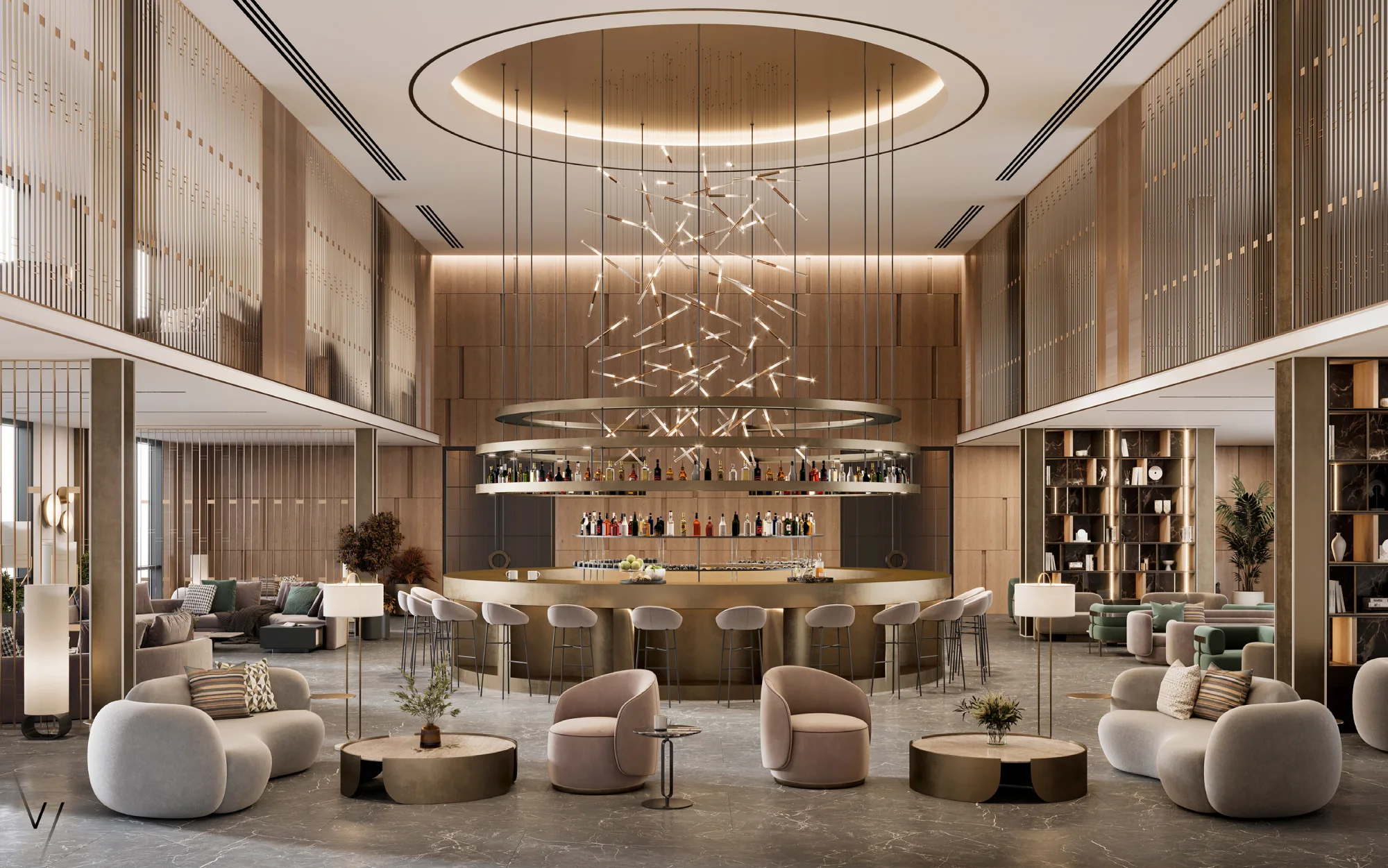

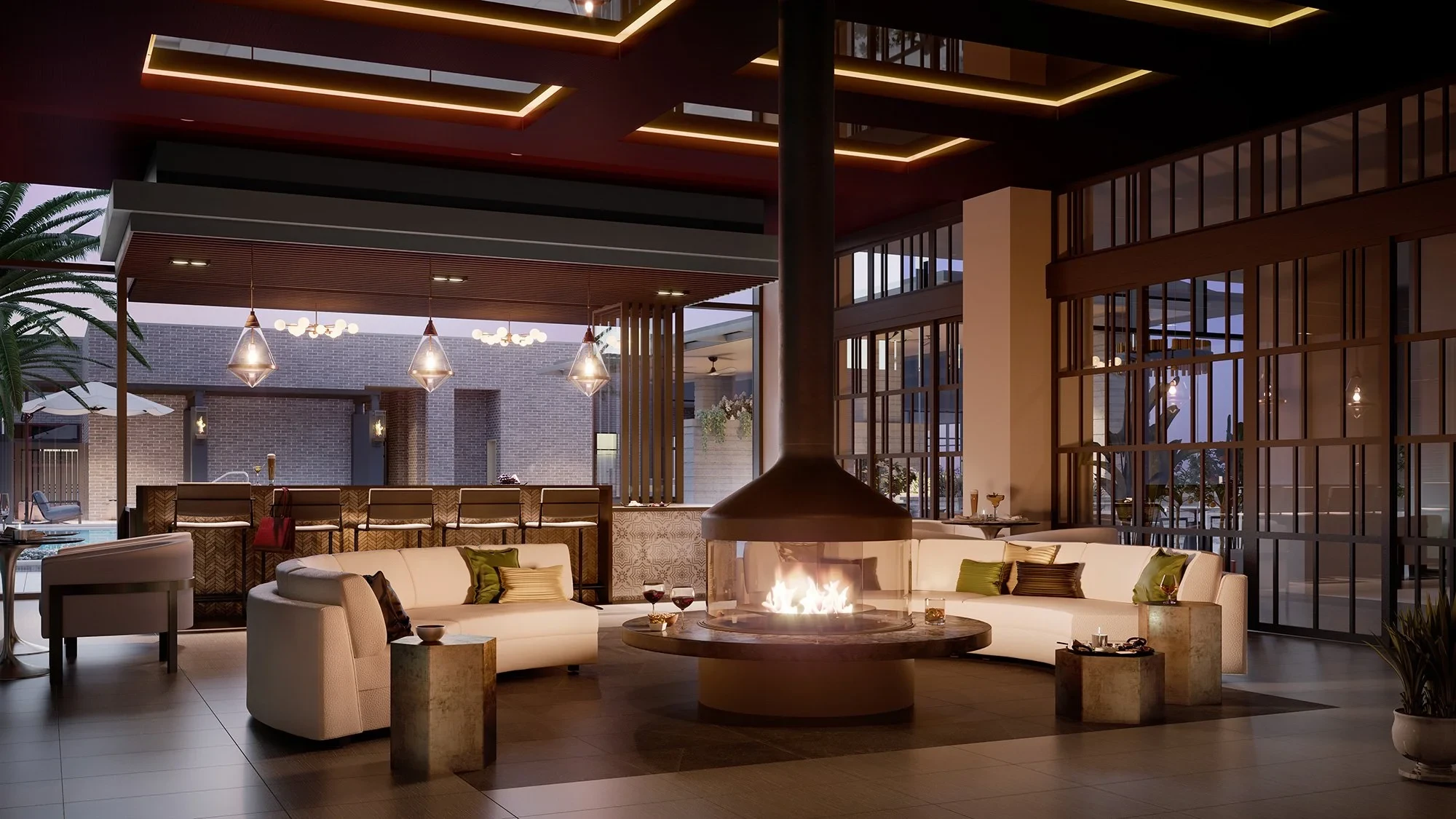
The evolution of luxury residential interiors has been significantly shaped by hospitality design. High-end homes increasingly reflect the comfort, service, and experiential quality traditionally associated with luxury hotels and resorts.
For interior designers and architects, this convergence creates opportunities to design spaces that prioritize both aesthetics and user experience. Residential interiors are no longer just functional—they are immersive environments that cater to lifestyle, well-being, and personalization, mirroring the sophistication of five-star hospitality settings.
Key Characteristics of Hospitality-Inspired Interiors
Hospitality-driven luxury residential interiors often include:
- Seamless spatial flow and intuitive layouts
- Emphasis on comfort and sensory experience
- High-end materials and finishes
- Layered lighting strategies
- Integration of wellness and relaxation areas
- Strong focus on service-oriented design
These features redefine modern residential luxury.
Experience-Driven Design in Private Residences
Hospitality design emphasizes experience, and this principle is now central to luxury residential interiors. Designers create environments that engage all senses, from visual aesthetics to tactile comfort.
This approach involves careful consideration of lighting, acoustics, and materiality. Spaces are designed to evoke emotions, whether through calming palettes or dramatic focal points. For luxury homes, experience-driven design enhances everyday living, transforming residences into personal retreats that rival the ambiance of high-end hotels.
Elements That Enhance User Experience
Designers often focus on:
Multi-sensory design including texture and sound
- Spatial layouts promoting relaxation
- Use of natural light and ventilation
- Integration of calming color palettes
- Attention to acoustics and privacy
- Creation of immersive environments
These elements elevate luxury residential interiors.
The Rise of Hotel-Style Amenities in Homes
One of the most visible influences of hospitality design is the integration of hotel-style amenities into luxury residential interiors. Clients increasingly expect their homes to offer the same level of convenience and indulgence as luxury resorts.
From spa-inspired bathrooms to private entertainment spaces, these features enhance both functionality and enjoyment. Designers must ensure that these amenities are seamlessly integrated into the overall design, maintaining a cohesive aesthetic while delivering exceptional comfort.
Common Hospitality-Inspired Amenities
Luxury homes often include:
- Spa-like bathrooms with premium finishes
- Home theaters and entertainment rooms
- Walk-in wardrobes designed like boutiques
- Private gyms and wellness areas
- Wine cellars and tasting rooms
- Concierge-style services and smart systems
These amenities define modern luxury residential interiors.
Materiality and Sensory Luxury
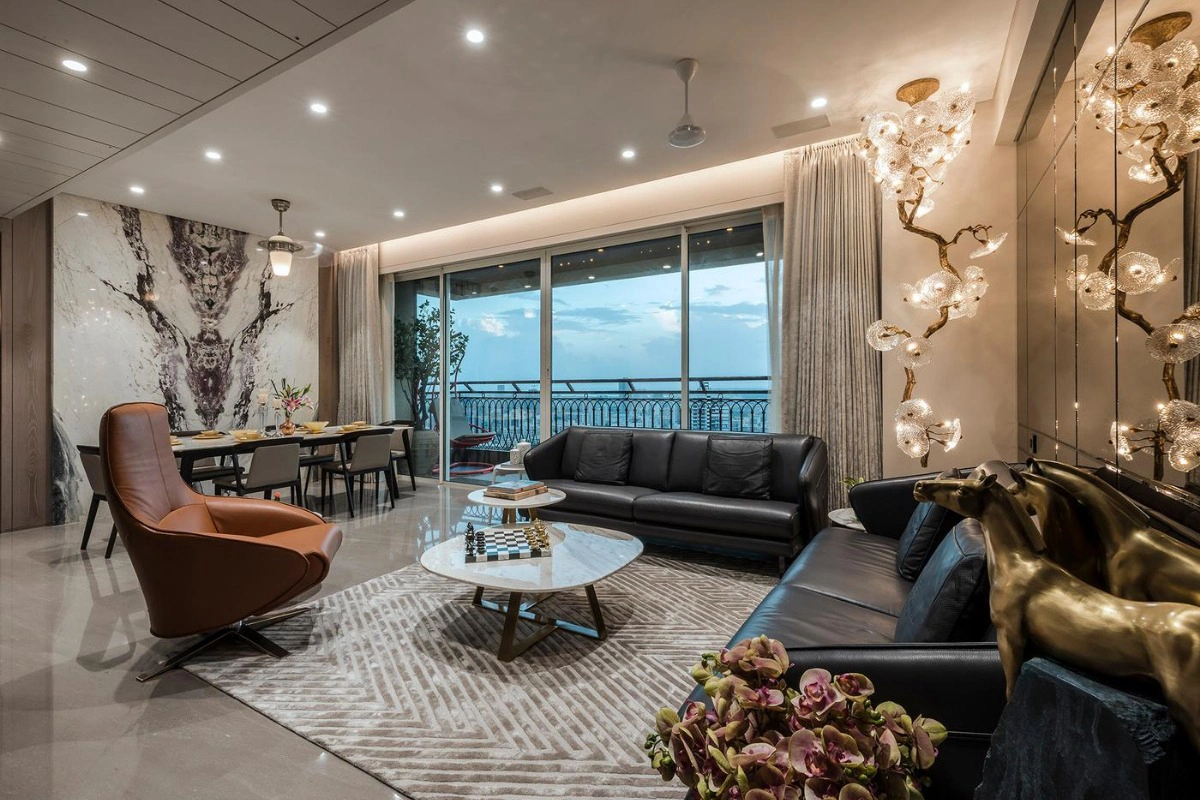
Material selection in luxury residential interiors is heavily influenced by hospitality design, where tactile and visual richness are essential. Designers use materials to create a sense of comfort and sophistication.
Natural stone, fine woods, and plush textiles are combined to achieve layered textures. The contrast between materials adds depth and visual interest. This focus on materiality ensures that interiors are not only beautiful but also engaging, enhancing the overall sensory experience of the space.
Signature Materials in Hospitality-Inspired Homes
Designers frequently incorporate:
- Marble and natural stone surfaces
- Rich wood finishes and paneling
- Luxurious textiles like velvet and silk
- Metals such as brass and bronze
- Glass elements for light and transparency
- Custom finishes enhancing texture
These materials define luxury residential interiors.
Lighting as a Design Tool
Lighting plays a crucial role in hospitality design and has become a defining feature of luxury residential interiors. Layered lighting creates ambiance and highlights architectural elements.
Designers use a combination of ambient, task, and accent lighting to achieve depth and flexibility. This approach allows residents to adjust the atmosphere according to different needs and moods. Effective lighting design enhances both functionality and aesthetics, contributing to a sophisticated and comfortable living environment.
Hospitality-Inspired Lighting Strategies
Common approaches include:
- Layered lighting for versatility
- Use of dimmers for mood control
- Accent lighting highlighting textures
- Decorative fixtures as focal points
- Integration of natural light
- Warm lighting enhancing comfort
These strategies elevate luxury residential interiors.
Personalization and Bespoke Design
Customization is a key aspect of luxury residential interiors, influenced by the personalized services of hospitality design. Designers create spaces tailored to individual preferences and lifestyles.
This includes bespoke furniture, custom layouts, and unique material combinations. Personalization ensures that each residence reflects the identity of its owner while maintaining a high level of sophistication. For luxury design studios, this approach is essential in delivering distinctive and exclusive interiors.
Elements of Bespoke Residential Design
Customization often includes:
- Tailor-made furniture and fixtures
- Custom lighting solutions
- Personalized spatial planning
- Unique material selections
- Collaboration with artisans
- Integration of art and collectibles
These elements define bespoke luxury residential interiors.
Technology and Smart Living Integration
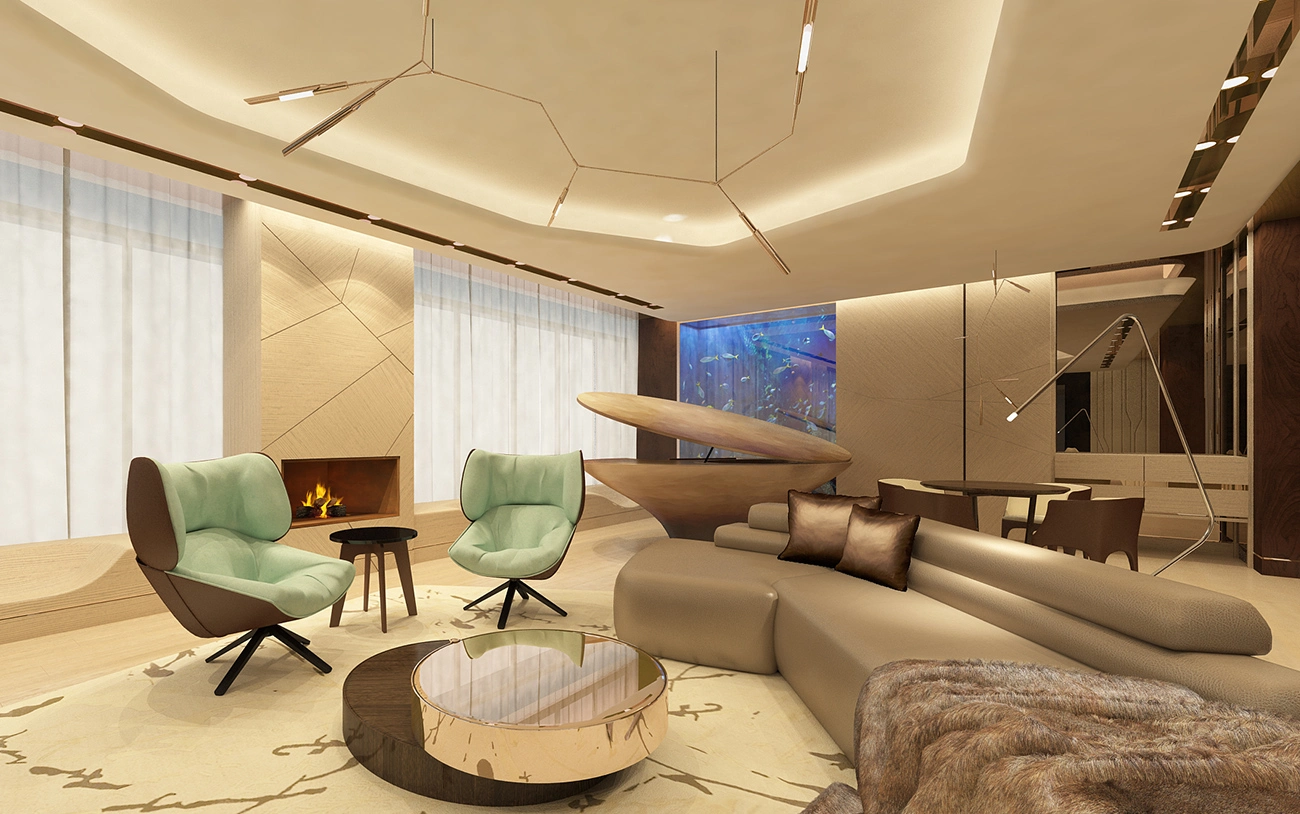
Technology is a fundamental component of luxury residential interiors, driven by the standards of modern hospitality. Smart systems enhance convenience, efficiency, and security.
Designers must integrate these technologies seamlessly into the interior, ensuring they do not disrupt the aesthetic. Automated lighting, climate control, and entertainment systems are now standard. This integration reflects the growing demand for intelligent living environments in luxury homes.
Smart Features in Luxury Homes
Common technological elements include:
- Home automation systems
- Advanced security and surveillance
- Integrated entertainment systems
- Smart climate control
- Energy-efficient appliances
- Centralized digital interfaces
These features define luxury residential interiors.
Wellness and Well-Being in Design
Wellness is a major focus in hospitality design and has become integral to luxury residential interiors. Designers create spaces that promote physical and mental well-being.
This includes the incorporation of natural materials, calming color palettes, and dedicated wellness areas. The goal is to create environments that support relaxation and rejuvenation. For luxury clients, wellness-oriented design enhances the overall quality of life within the home.
Wellness Features in Residential Interiors
Common elements include:
- Spa-inspired bathrooms
- Meditation and relaxation spaces
- Use of natural materials and light
- Indoor plants and biophilic design
- Air and water purification systems
- Quiet zones for privacy and rest
These features enhance luxury residential interiors.
Sustainability in Hospitality-Inspired Design
Sustainability is increasingly important in luxury residential interiors, influenced by eco-conscious hospitality practices. Designers are adopting sustainable materials and energy-efficient systems.
This approach reduces environmental impact while maintaining luxury standards. For high-end projects, sustainability also enhances long-term value. Integrating eco-friendly practices is now a key consideration in modern residential design.
Sustainable Design Strategies
Common approaches include:
- Use of eco-friendly materials
- Energy-efficient lighting and systems
- Water-saving technologies
- Sustainable sourcing of materials
- Design for longevity
- Reduction of waste in construction
These strategies support luxury residential interiors.
The Future of Residential Design
The influence of hospitality design will continue to shape luxury residential interiors, driving innovation and creativity. Designers will explore new ways to enhance comfort, personalization, and sustainability.
As client expectations evolve, homes will become more experiential and adaptable. The integration of advanced technology and wellness features will further redefine luxury living. For interior designers and architects, understanding hospitality principles is essential for creating future-ready residential spaces.
Conclusion: Redefining Luxury Living
The impact of hospitality design on luxury residential interiors has transformed how homes are conceived and experienced. By integrating comfort, service, and innovation, designers create spaces that go beyond traditional living environments.
For interior designers, architects, and luxury studios, this approach offers a framework for delivering exceptional projects. As the boundaries between hospitality and residential design continue to blur, the future of luxury interiors will be defined by experience, personalization, and excellence.