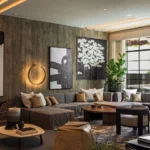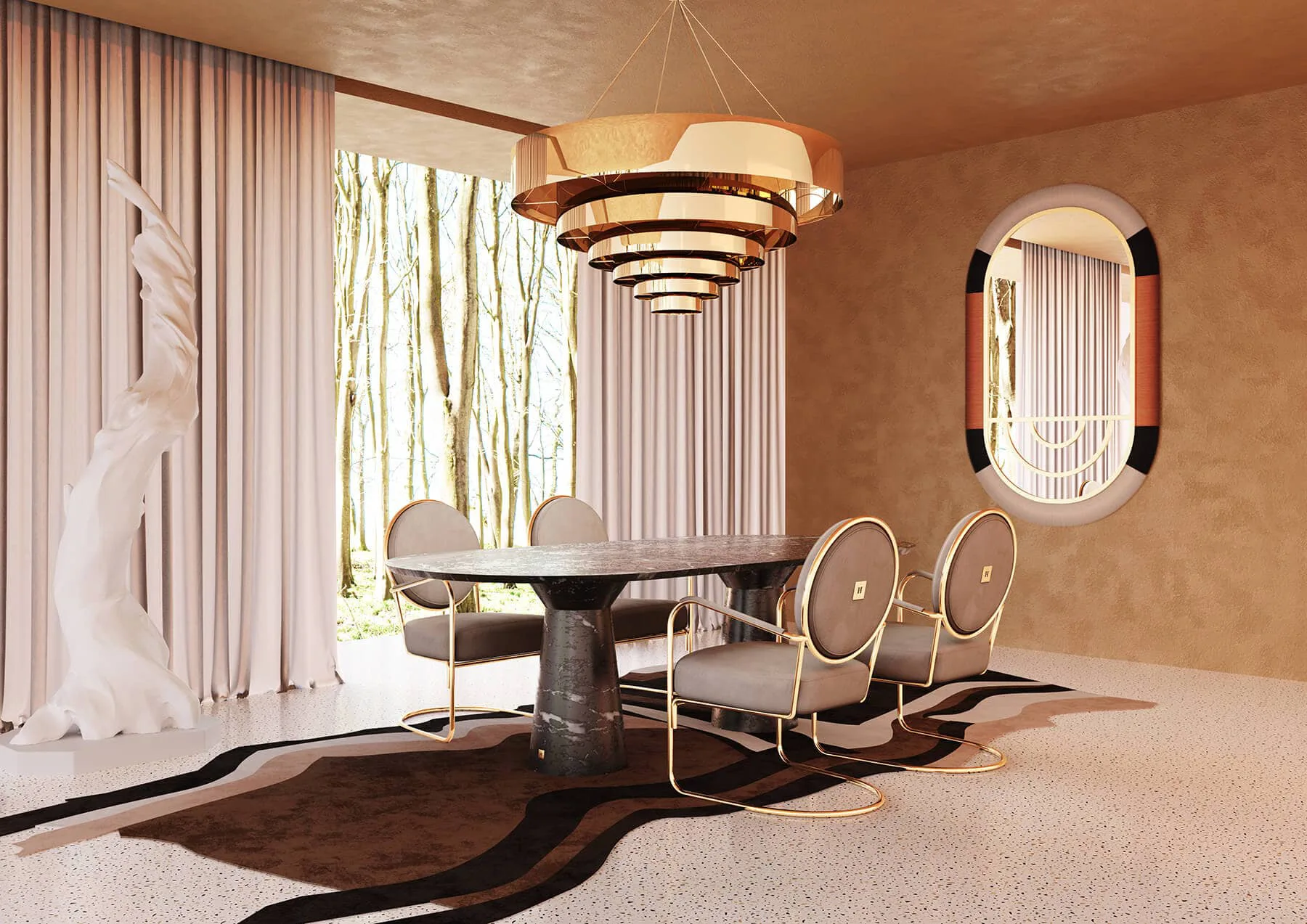

The relationship between fashion and interior design has evolved into a powerful design dialogue that defines contemporary luxury living. No longer confined to separate creative disciplines, both worlds now intersect to shape immersive residential environments that reflect personal identity and refined taste. Much like a couture garment, a luxury interior is meticulously composed—layered with textures, curated with intention, and tailored to its owner. Moreover, this convergence allows designers to craft spaces that feel both dynamic and timeless, where aesthetic expression extends seamlessly from wardrobe to home, reinforcing a cohesive and sophisticated lifestyle narrative.
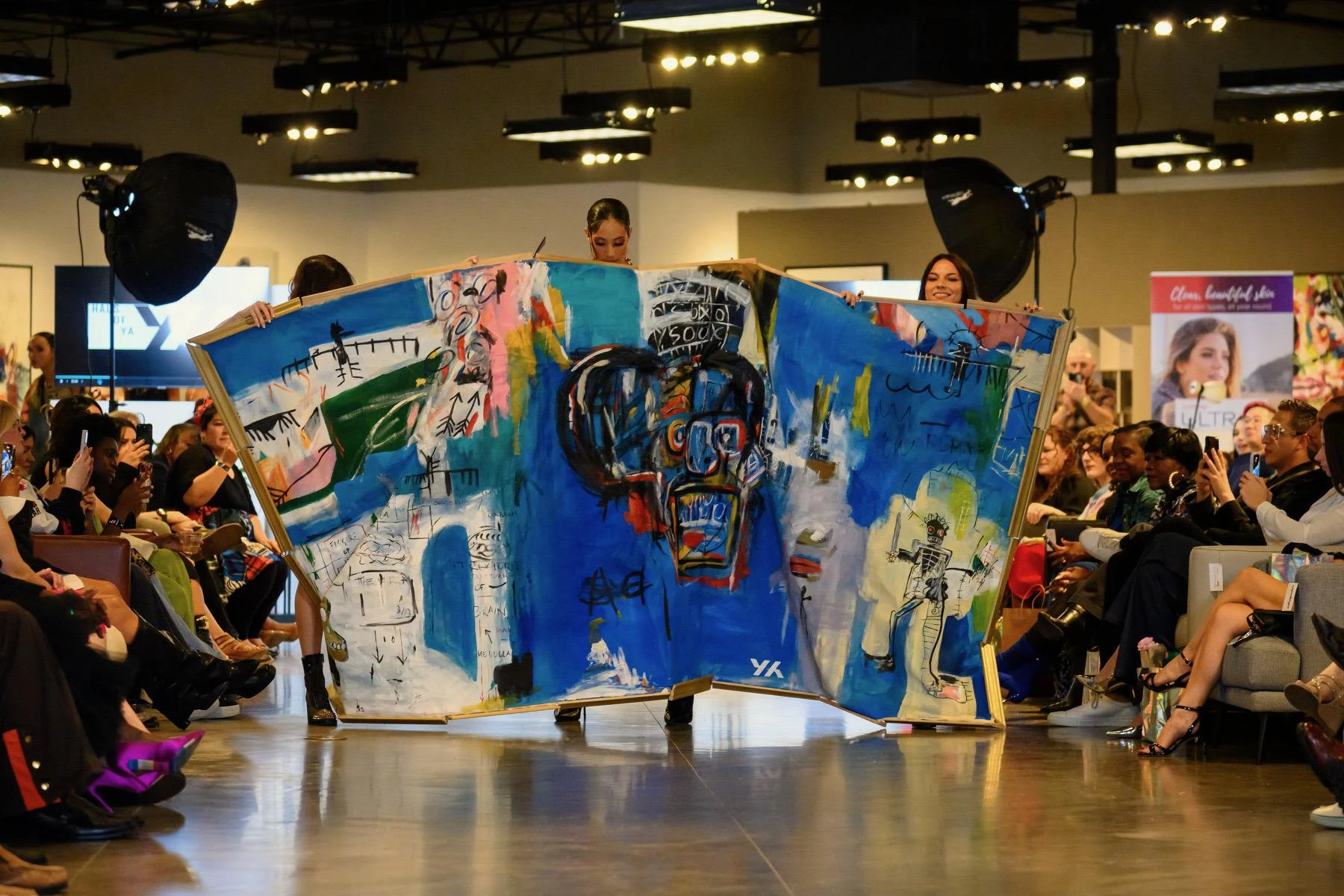
Fashion-Inspired Elements in Luxury Interiors
Fashion’s influence on interiors is expressed through a series of refined design gestures that elevate residential environments. These include:
- Textile layering inspired by haute couture, combining velvet, silk, and wool
- Color palettes drawn from seasonal collections, balancing boldness with restraint
- Statement décor pieces functioning like accessories within a space
- Tailored upholstery details such as stitching, piping, and pleating
- Emphasis on artisanal craftsmanship and hand-finished surfaces
Together, these elements create interiors that feel curated and expressive, echoing the elegance and intentionality of high-end fashion design.
Materiality and Craftsmanship: A Shared Language
Materiality forms the foundation of both fashion and interior design, acting as a bridge between visual appeal and tactile experience. In luxury residences, materials are selected not only for durability but for their sensory richness—marble that feels cool to the touch, wood that reveals intricate grain patterns, and metals that develop a patina over time. Similarly, in fashion, fabric choice defines the structure and movement of a garment. Therefore, the intersection of fashion and interior design becomes most evident in this shared commitment to craftsmanship, where every detail contributes to an elevated, multisensory environment.
Spatial Storytelling Through a Fashion Lens
Designing interiors through a fashion-inspired narrative approach allows spaces to unfold like curated collections. This method can be understood through:
- Concept-driven interiors that establish a clear visual identity
- Layered compositions that combine textures, colors, and forms
- Seamless transitions between rooms, creating a cohesive journey
- Focal elements that act as statement pieces within the design
- Emotional storytelling that resonates with the occupant’s lifestyle
As a result, interiors become more than static environments—they transform into dynamic experiences that communicate a distinct and memorable story.
The Role of Color and Seasonal Trends
Color is one of the most visible connections between fashion and interior design, serving as a tool for both expression and atmosphere. Designers often draw inspiration from runway palettes, translating seasonal hues into spatial compositions. However, unlike fashion, interiors demand longevity. Therefore, successful luxury spaces balance trend-driven colors with timeless neutrals, ensuring adaptability over time. Additionally, layering tones within a single palette creates depth and sophistication, allowing rooms to evolve subtly without requiring complete redesigns, much like updating a wardrobe with carefully selected pieces.
Furniture Design as Wearable Art
Furniture in luxury interiors frequently embodies the same artistic sensibility found in high fashion. Key characteristics include:
- Sculptural silhouettes that mirror avant-garde garment design
- Upholstery choices inspired by couture textiles
- Limited-edition or bespoke pieces that emphasize exclusivity
- Precision in proportion and form, reflecting tailored aesthetics
- Integration of traditional craftsmanship with modern innovation
Ultimately, furniture becomes an extension of personal style, functioning as both a practical element and a statement of artistic expression within the home.
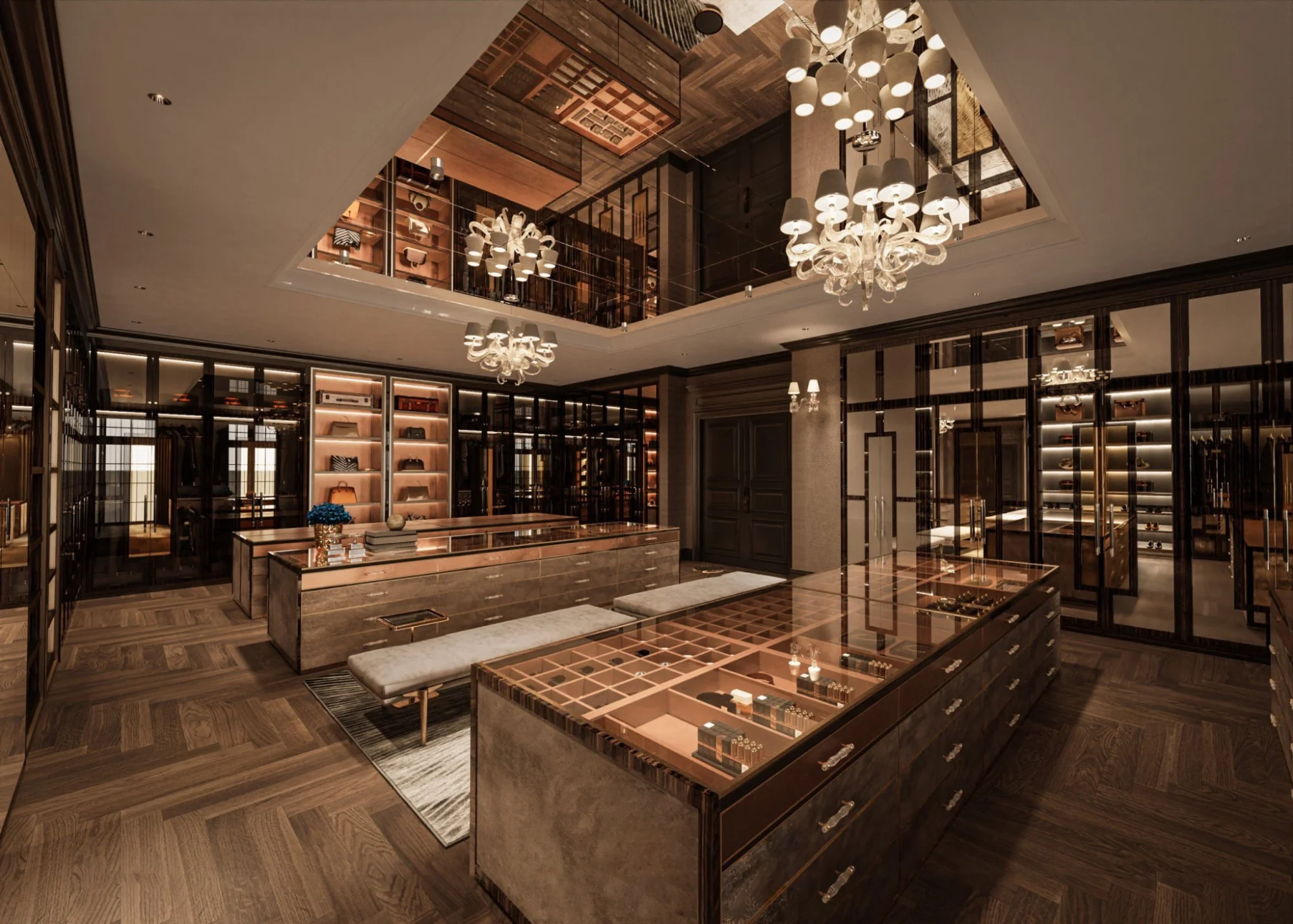
Architecture as the Ultimate Canvas
Architecture provides the essential framework that allows fashion-inspired interiors to thrive. Expansive layouts, high ceilings, and carefully considered spatial flows create opportunities for layering design elements with intention. Moreover, architectural features such as staircases, corridors, and open-plan living areas act as stages for visual storytelling. This relationship ensures that interiors are not merely decorative but deeply integrated into the structure itself. Consequently, the fusion of fashion and interior design enhances the overall spatial experience, elevating both aesthetic and functional aspects of luxury living.
Integrating Textures for Depth and Contrast
Texture plays a critical role in bridging the sensory qualities of fashion and interior design. Designers often focus on the following strategies:
- Combining contrasting materials, such as smooth stone and soft textiles
- Layering rugs, cushions, and drapery to create visual richness
- Incorporating natural elements like wood and linen for authenticity
- Using metallic finishes to introduce subtle glamour
- Balancing matte and glossy surfaces for depth and variation
These techniques result in interiors that feel multidimensional and engaging, offering a tactile experience that mirrors the complexity of high-end fashion.
High-End Residential Trends Influenced by Fashion
The influence of fashion continues to shape emerging trends in luxury residential design. Personalization remains at the forefront, with interiors tailored to reflect individual lifestyles and preferences. Additionally, sustainability has become increasingly important, encouraging the use of responsibly sourced materials and artisanal production methods. Multifunctional spaces are also gaining prominence, designed to adapt to changing needs while maintaining aesthetic coherence. These developments highlight how fashion’s adaptability and forward-thinking approach continue to inform the evolution of interior environments.
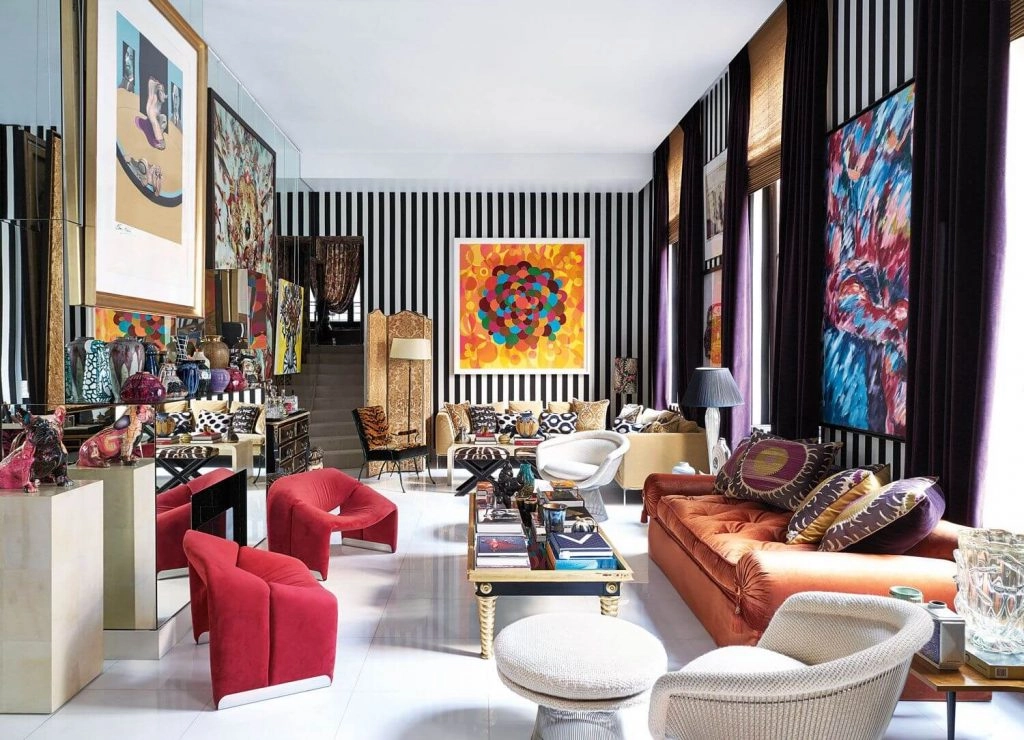
The Emotional Impact of Curated Interiors
Beyond aesthetics, the intersection of fashion and interior design profoundly influences how spaces are experienced on an emotional level. Luxury interiors are designed to evoke feelings—comfort, inspiration, and even a sense of identity. By carefully curating elements such as lighting, texture, and proportion, designers create environments that resonate with their occupants. This emotional dimension is what transforms a well-designed space into a meaningful one. Much like wearing a perfectly tailored garment, inhabiting a thoughtfully designed interior fosters confidence and a deeper connection to one’s surroundings.
Bridging Lifestyle and Identity
The convergence of fashion and interior design ultimately reflects a broader cultural shift toward holistic lifestyle design. In luxury contexts, clients seek environments that align seamlessly with their personal aesthetics, values, and daily rituals. Therefore, designers must approach projects with a comprehensive perspective, considering how each element contributes to a unified vision. By integrating fashion-inspired principles into spatial design, they create interiors that are not only visually compelling but also deeply personal, reinforcing the idea that true luxury lies in authenticity and coherence.
Conclusion
The evolving relationship between fashion and interior design continues to redefine the boundaries of luxury living. Through shared principles such as craftsmanship, materiality, and storytelling, these disciplines come together to create spaces that are both innovative and timeless. As client expectations grow more sophisticated, the ability to merge these worlds becomes increasingly valuable for designers and architects alike. Looking forward, this intersection will remain a driving force in high-end residential design, offering endless opportunities for creativity, personalization, and elevated living experiences.