
In the world of luxury interiors, few elements carry as much visual and functional impact as Designer Armchairs. These pieces do far more than provide seating—they define spatial character, anchor compositions, and communicate a refined design language. In high-end living rooms, a well-selected armchair can elevate the entire environment, transforming it into a curated expression of style, comfort, and identity.
For interior designers, architects, and luxury furniture brands, understanding the role of designer armchairs is essential when crafting sophisticated living spaces that resonate with modern expectations.
Designer Armchairs as Statement Pieces
High-end living rooms rely on focal points to create visual hierarchy. While sofas often dominate the layout, designer armchairs introduce contrast and personality. Their sculptural qualities allow them to stand alone as statement pieces or complement larger seating arrangements.
Today’s designer armchairs embrace bold silhouettes, fluid curves, and architectural lines. These forms draw attention without overwhelming the space. When placed strategically—near a fireplace, beside a statement coffee table, or within a reading corner—they create moments of visual interest that guide the eye across the room.
Luxury interiors increasingly favor asymmetry. A single armchair paired with a minimalist sofa or a duo of contrasting chairs can break uniformity while maintaining balance. This approach allows designers to experiment with form and composition in a controlled, intentional way.
Craftsmanship and Material Excellence
One of the defining characteristics of designer armchairs lies in their craftsmanship. High-end pieces showcase meticulous attention to detail, from joinery techniques to upholstery finishes. This level of precision not only enhances durability but also communicates exclusivity.
Materials play a critical role in shaping the identity of a space. Designer armchairs often feature:
- Premium leathers with rich patinas
- Handwoven textiles that introduce texture
- Solid woods and polished metals for structural integrity
- Innovative composites that blend tradition with modernity
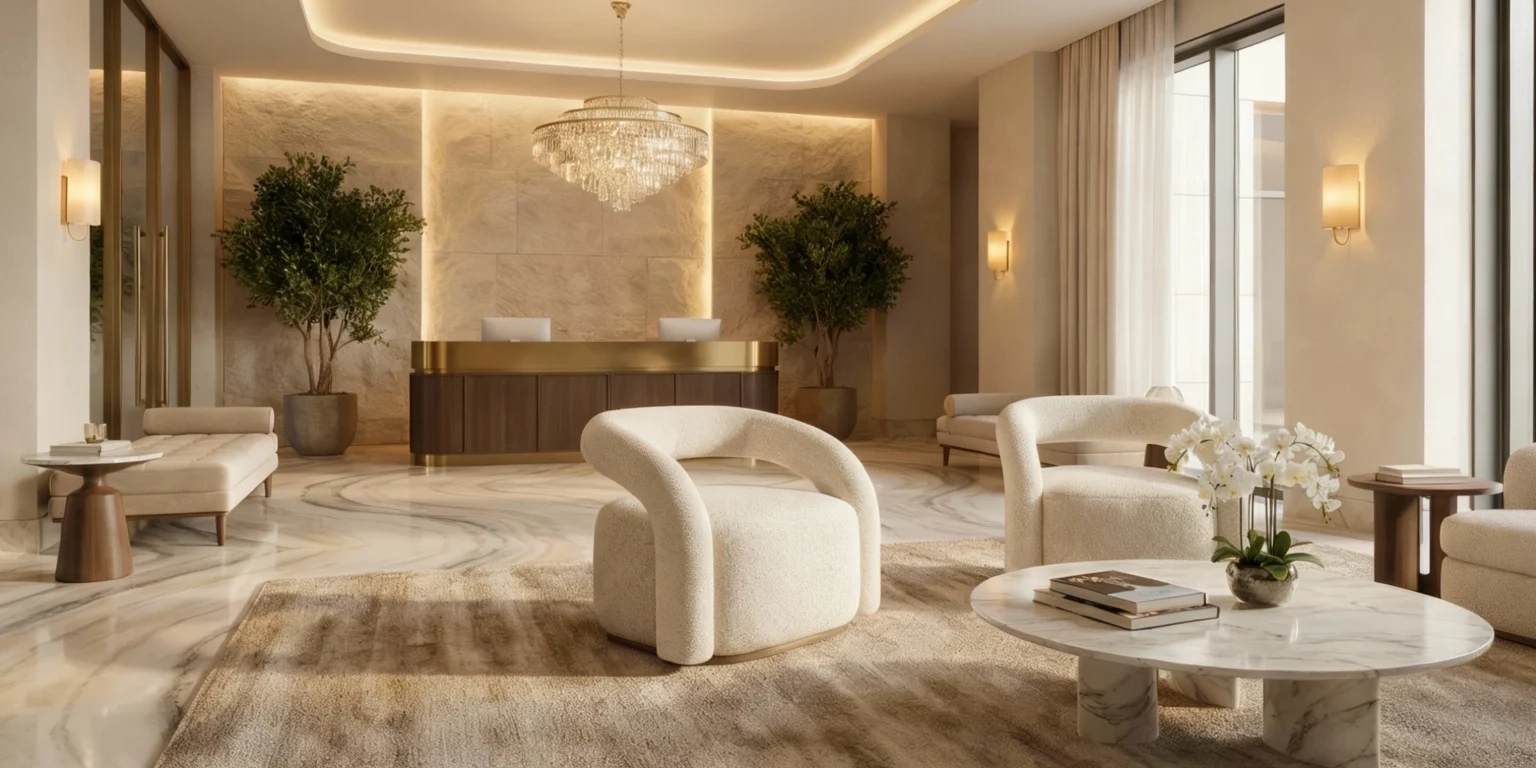
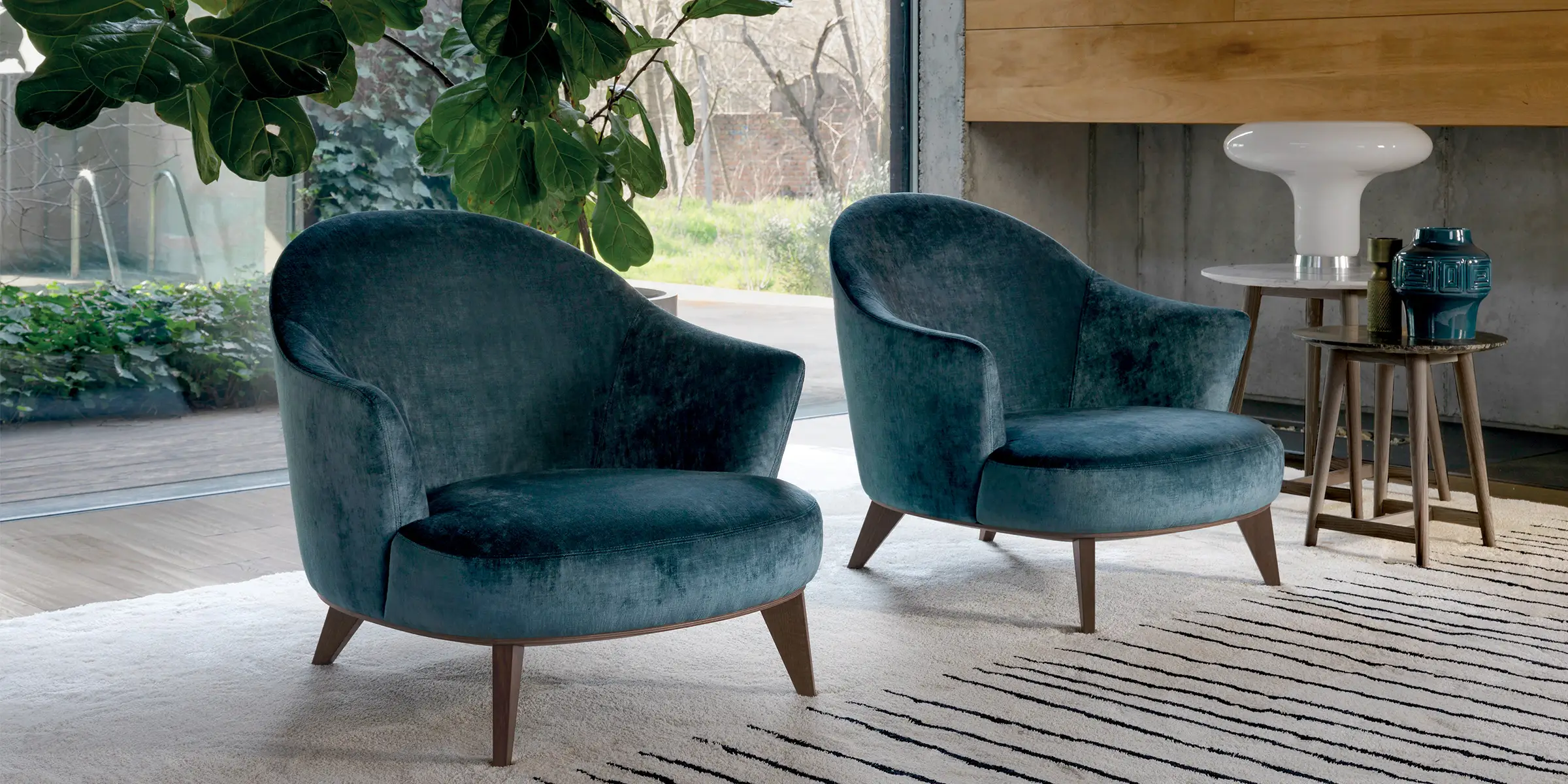
The interplay of these materials creates depth and tactile richness. In luxury living rooms, texture becomes as important as form. A velvet-upholstered armchair paired with a brushed brass frame, for example, introduces both softness and sophistication.
Material selection also reflects broader trends in design. Natural finishes, subtle imperfections, and artisanal techniques highlight authenticity, which remains highly valued in contemporary high-end interiors.
Comfort Meets Aesthetic Precision
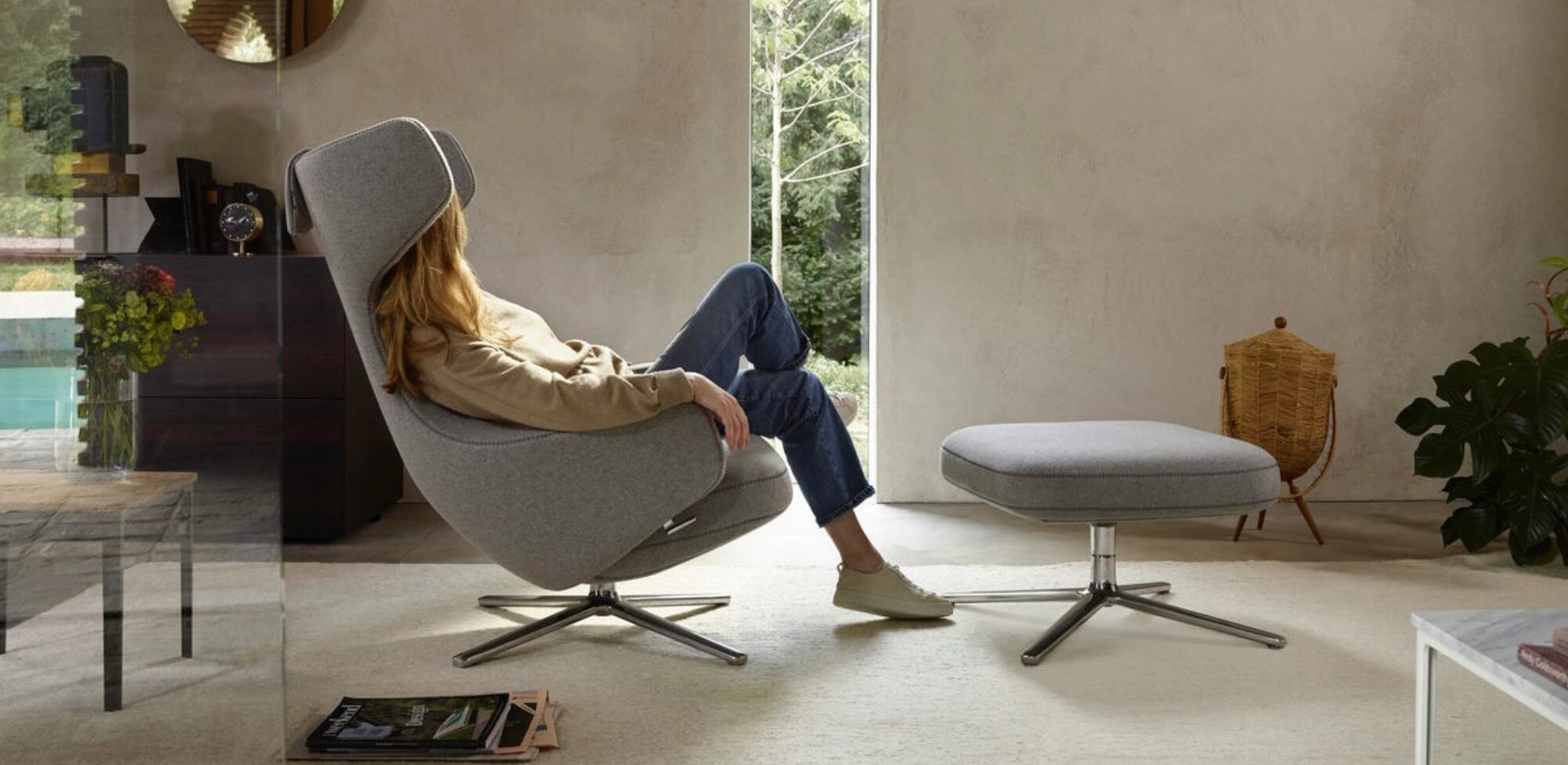
While aesthetics drive initial impressions, comfort ultimately defines the success of a seating piece. Designer armchairs achieve a delicate balance between ergonomic performance and visual elegance.
Unlike mass-produced seating, these armchairs often feature carefully engineered proportions. Seat depth, backrest angle, and arm height are designed to support the body while maintaining a refined silhouette. This ensures that the chair not only looks exceptional but also provides a superior seating experience.
In high-end living rooms, comfort extends beyond physical support. It contributes to the emotional atmosphere of the space. A well-designed armchair invites relaxation, conversation, and contemplation—qualities that define luxury living environments.
Versatility in Spatial Design
Designer armchairs offer remarkable versatility, making them indispensable in high-end residential projects. They adapt easily to different spatial configurations and design concepts.
Some common applications include:
- Accent seating: Adding contrast to neutral sofas
- Reading corners: Creating intimate, functional zones
- Symmetrical arrangements: Framing a central feature like a fireplace or artwork
- Open-plan transitions: Defining areas within larger living spaces
Because of their flexibility, designer armchairs allow interior designers to refine spatial narratives without introducing visual clutter. They can be repositioned or recontextualized as the needs of the space evolve.
Color, Texture, and Visual Harmony
Color plays a crucial role in integrating designer armchairs into high-end living rooms. These pieces can either blend seamlessly with the overall palette or stand out as bold accents.
Neutral tones—such as taupe, cream, and charcoal—offer timeless elegance and adaptability. They work well in spaces where materials and forms take center stage. On the other hand, saturated hues like deep emerald, navy, or terracotta introduce drama and depth.
Texture enhances the visual impact of color. Bouclé fabrics, velvets, and natural fibers create layered compositions that feel both inviting and sophisticated. Combining different textures within a single space adds complexity without overwhelming the design.
For luxury design studios, achieving harmony involves careful coordination between armchairs, sofas, rugs, and architectural elements. The goal is to create a cohesive environment where each piece contributes to a unified vision.
Iconic Design Language and Brand Identity
Designer armchairs often reflect the identity of the brands that produce them. Whether minimalist, avant-garde, or rooted in classic traditions, each piece carries a distinct design language.
In high-end projects, selecting the right armchair goes beyond aesthetics. It involves aligning the piece with the broader narrative of the space. A contemporary penthouse may call for sleek, geometric forms, while a heritage-inspired interior may benefit from more traditional silhouettes.
Furniture brands leverage designer armchairs as signature products. These pieces showcase innovation, craftsmanship, and creative direction. For architects and interior designers, incorporating such elements helps reinforce the overall concept and elevate the perceived value of the project.
The Role of Scale and Proportion
Scale and proportion are critical when integrating designer armchairs into luxury living rooms. Oversized chairs can create a sense of comfort and grandeur, while more compact designs offer elegance and precision.
The relationship between the armchair and surrounding elements must remain balanced. A large chair paired with a delicate side table can create tension, while properly scaled combinations enhance cohesion.
Ceiling height, room dimensions, and furniture spacing all influence the selection process. Designers must consider how the armchair interacts with the architecture to ensure a harmonious composition.
The Future of Designer Armchairs in Luxury Interiors
As design continues to evolve, designer armchairs will remain central to high-end living rooms. Emerging trends suggest a focus on personalization, sustainability, and technological integration.
Customization will allow designers and clients to tailor armchairs to specific project requirements. From bespoke upholstery to unique structural variations, this level of personalization enhances exclusivity.
Sustainable practices will also shape future designs. Materials, production methods, and longevity will influence how designer armchairs are conceived and manufactured.
At the same time, subtle technological features—such as integrated charging or smart functionality—may become more common, provided they align with the overall aesthetic.
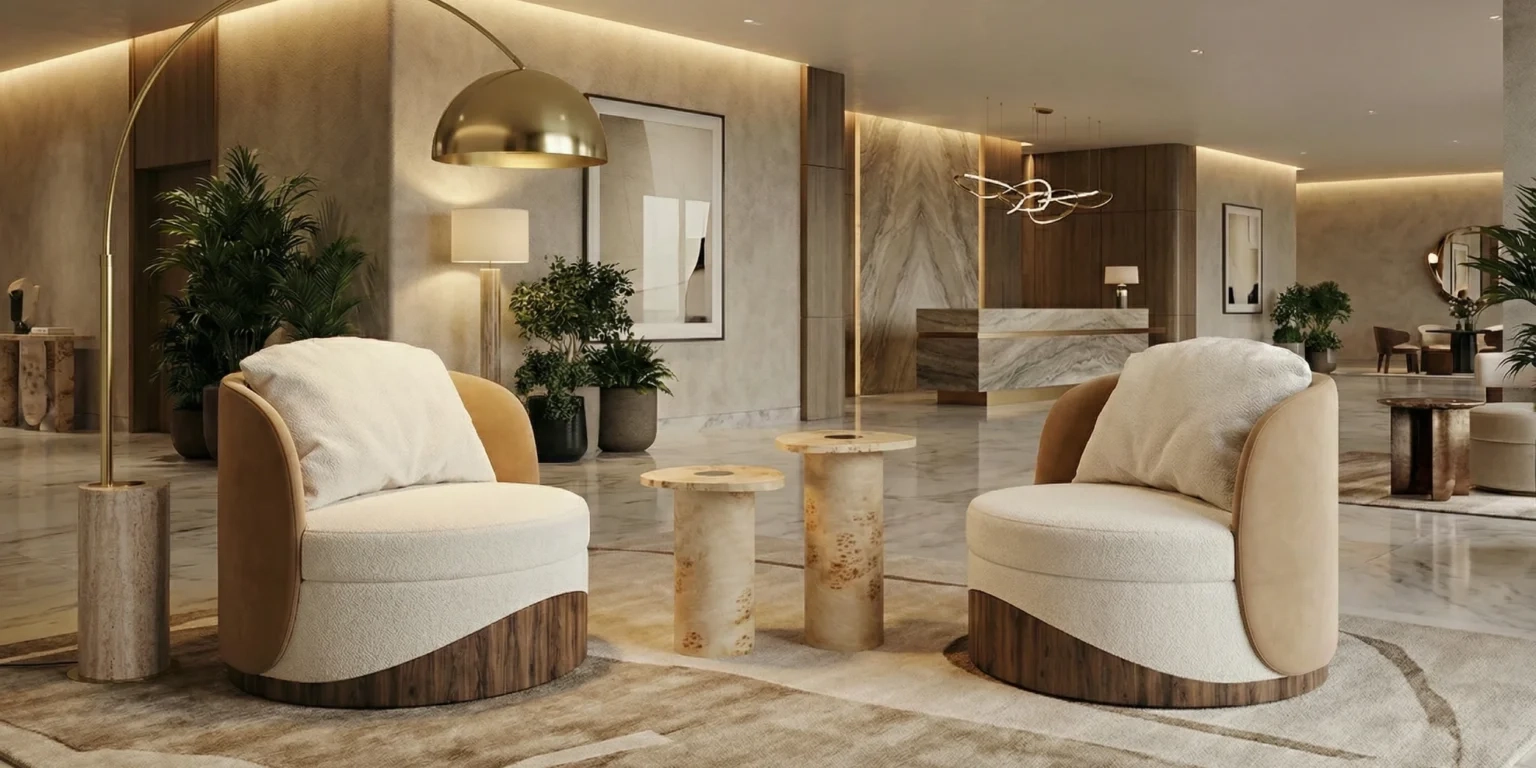
Sitting in Comfort and Style
Designer armchairs represent the intersection of art, comfort, and functionality in high-end living rooms. They define spaces, express identity, and elevate the overall design narrative.
For interior designers, architects, and luxury furniture brands, these pieces offer an opportunity to create environments that feel both sophisticated and inviting. By carefully considering form, material, scale, and placement, professionals can harness the full potential of designer armchairs to craft living spaces that stand out in today’s competitive design landscape.
In the end, the beauty of designer armchairs lies not only in their appearance but in their ability to transform a room into a cohesive, memorable experience.