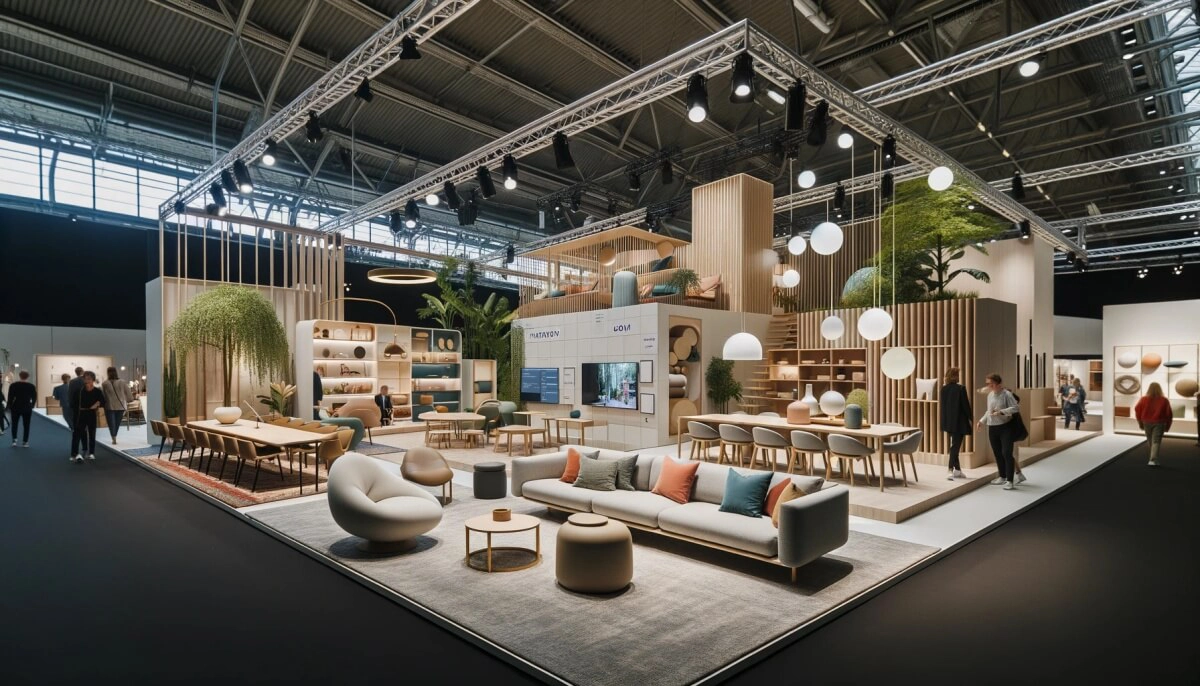
Design Fairs for Luxury Brands: Beyond Milan’s Emerging Global Events

Design fairs for luxury brands are no longer defined solely by Milan. While the Salone del Mobile remains a global benchmark, a new generation of international design fairs is reshaping the landscape of interior design, furniture innovation, and architectural influence. For designers, architects, and luxury brands, these emerging events offer fresh opportunities for visibility, collaboration, and creative exploration.
As the industry becomes more globalized, the importance of diversifying presence beyond traditional hubs has become essential. Today, design fairs are not only platforms for showcasing products—they are strategic spaces where authorship, identity, and innovation converge.
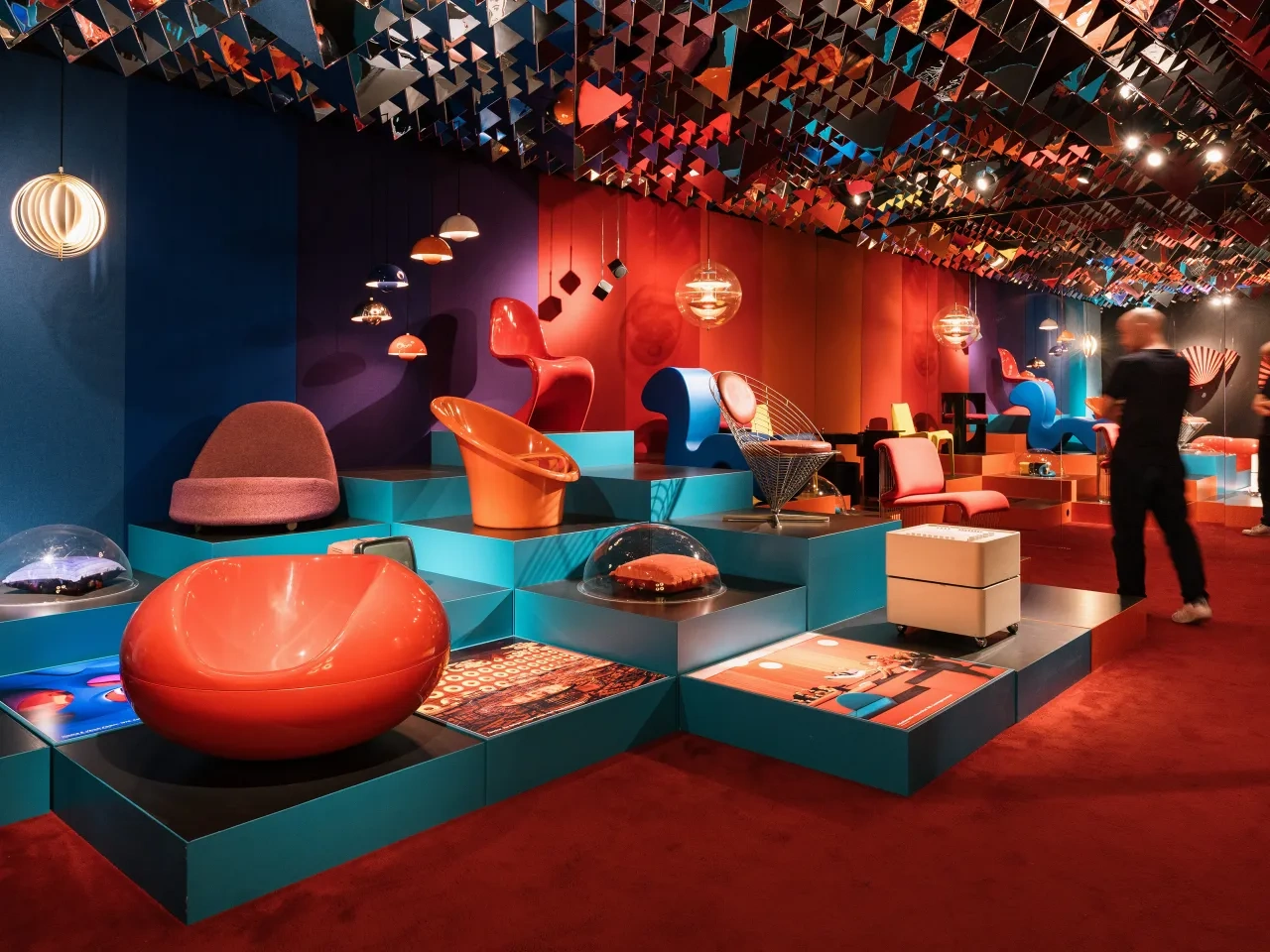
The Shift Beyond Milan
For decades, Milan has dominated the conversation around design fairs. However, design fairs for luxury brands are now expanding into new cities that reflect diverse cultural perspectives and market dynamics.
Cities such as Copenhagen, Paris, Dubai, and Miami are gaining recognition as influential design destinations. These locations host fairs that emphasize experimentation, craftsmanship, and new approaches to luxury living.
This shift allows brands to engage with different audiences while exploring alternative narratives in design. It also encourages a broader interpretation of what defines luxury in contemporary interiors.
Emerging Design Fairs Redefining the Industry
A growing number of events are establishing themselves as essential platforms for the global design community. These design fairs for luxury brands focus on curated experiences, blending design, art, and architecture.
Some key characteristics of these emerging fairs include:
- A strong emphasis on collectible and limited-edition design
- Integration of art and design disciplines
- Focus on sustainability and material innovation
- Immersive and experiential exhibitions
Unlike traditional trade shows, these fairs prioritize storytelling and conceptual design, offering a more refined and intellectual approach to presenting work.
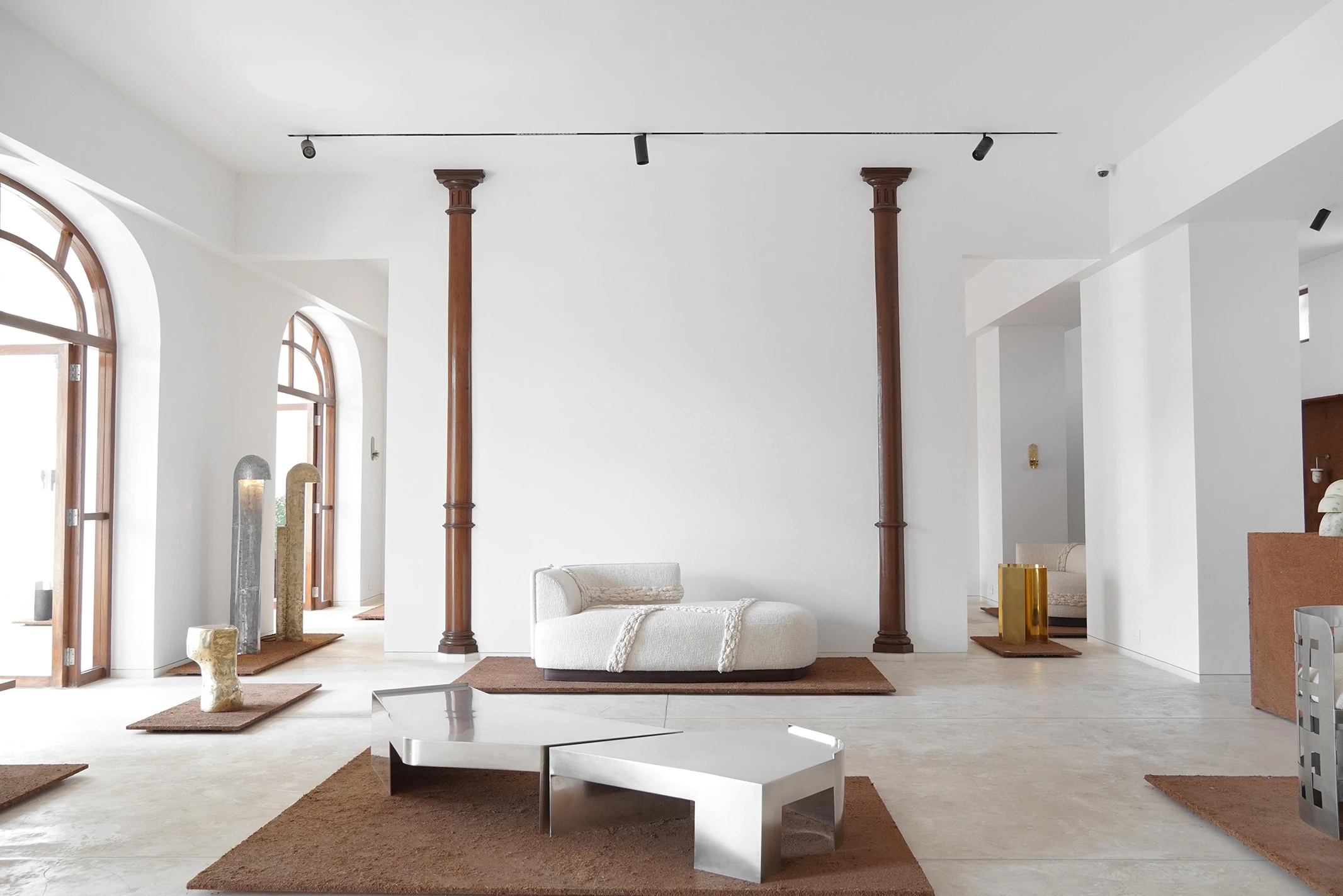
Authorship and Intellectual Property in Design Fairs
As participation in design fairs for luxury brands increases, so does the importance of protecting creative work. These events often showcase original concepts, prototypes, and exclusive collections, making them vulnerable to imitation.
From an intellectual property perspective, designers and brands must consider:
- registering design rights before exhibitions
- protecting unique forms, patterns, and materials
- establishing clear licensing agreements
Maintaining authorship is critical in a competitive environment where visibility can lead to both recognition and replication. For luxury brands, safeguarding originality reinforces brand value and long-term positioning.
Why Emerging Fairs Matter for Luxury Brands
For luxury brands, participating in emerging fairs is not only about exposure—it is about relevance. These platforms allow brands to:
- connect with international audiences
- test new concepts in curated environments
- strengthen their design identity
In many cases, design fairs for luxury brands serve as incubators for future trends. They provide insight into evolving consumer preferences and highlight the direction of global design culture.

Conclusion
The future of design is no longer centered in a single city. Design fairs for luxury brands are expanding across the globe, creating a more dynamic and diverse industry landscape.
For interior designers, furniture brands, and architects, embracing these emerging platforms is essential to staying competitive and innovative. As new fairs continue to gain prominence, they will play a crucial role in shaping the next generation of luxury design.