As luxury interiors continue to evolve toward greater personalization and craftsmanship, bespoke furniture trends have become central to contemporary interior design. Across high-end residences, boutique hospitality projects, and private retreats, designers are increasingly prioritizing custom-made pieces that reflect individuality and spatial harmony. For architects and luxury design studios, bespoke furniture represents far more than exclusivity. It offers the opportunity to shape interiors with precision, material authenticity, and architectural cohesion. Consequently, bespoke design has emerged as one of the defining characteristics of modern luxury living.
The Shift Toward Personalized Luxury
Luxury design is increasingly moving away from standardized interiors and mass-produced furniture. Clients now seek environments that feel deeply personal, curated, and emotionally connected to their lifestyles.
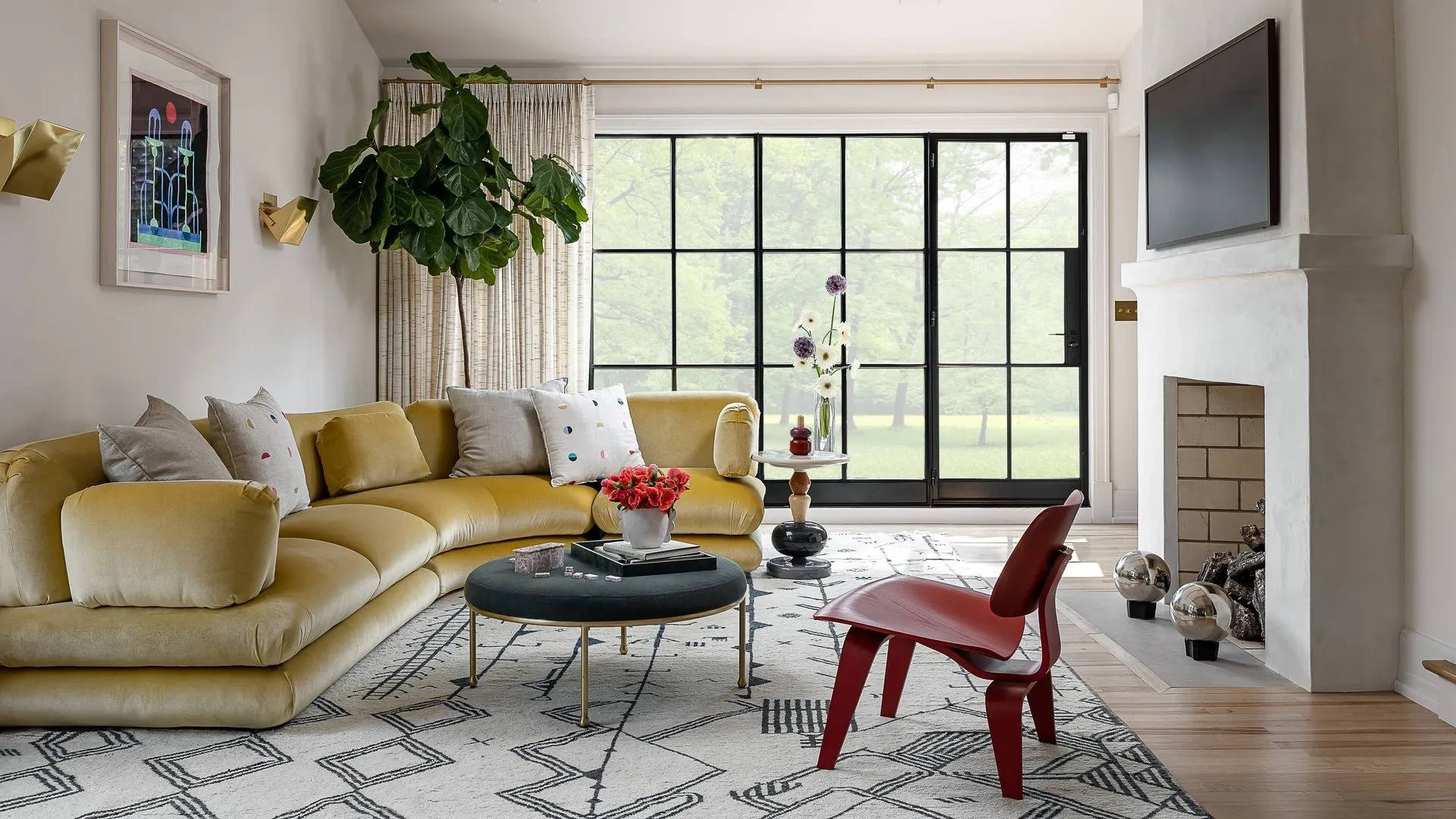
This shift has elevated bespoke furniture from a niche offering to a core component of luxury interior design. Custom-made pieces allow designers to respond directly to architectural proportions, spatial flow, and material palettes. Moreover, bespoke furniture reinforces exclusivity by creating interiors that cannot be replicated easily. As a result, personalization has become one of the most influential drivers shaping contemporary luxury interiors.
Defining Characteristics of Bespoke Furniture Trends
Several characteristics consistently define today’s bespoke furniture trends in luxury design:
- Sculptural silhouettes with architectural presence
- Handcrafted detailing that emphasizes craftsmanship
- Natural materials such as wood, stone, and bouclé
- Tailored proportions designed for specific spaces
- Integrated functionality with minimal visual clutter
Together, these qualities create interiors that feel refined, cohesive, and highly individualized.
Sculptural Forms and Artistic Presence
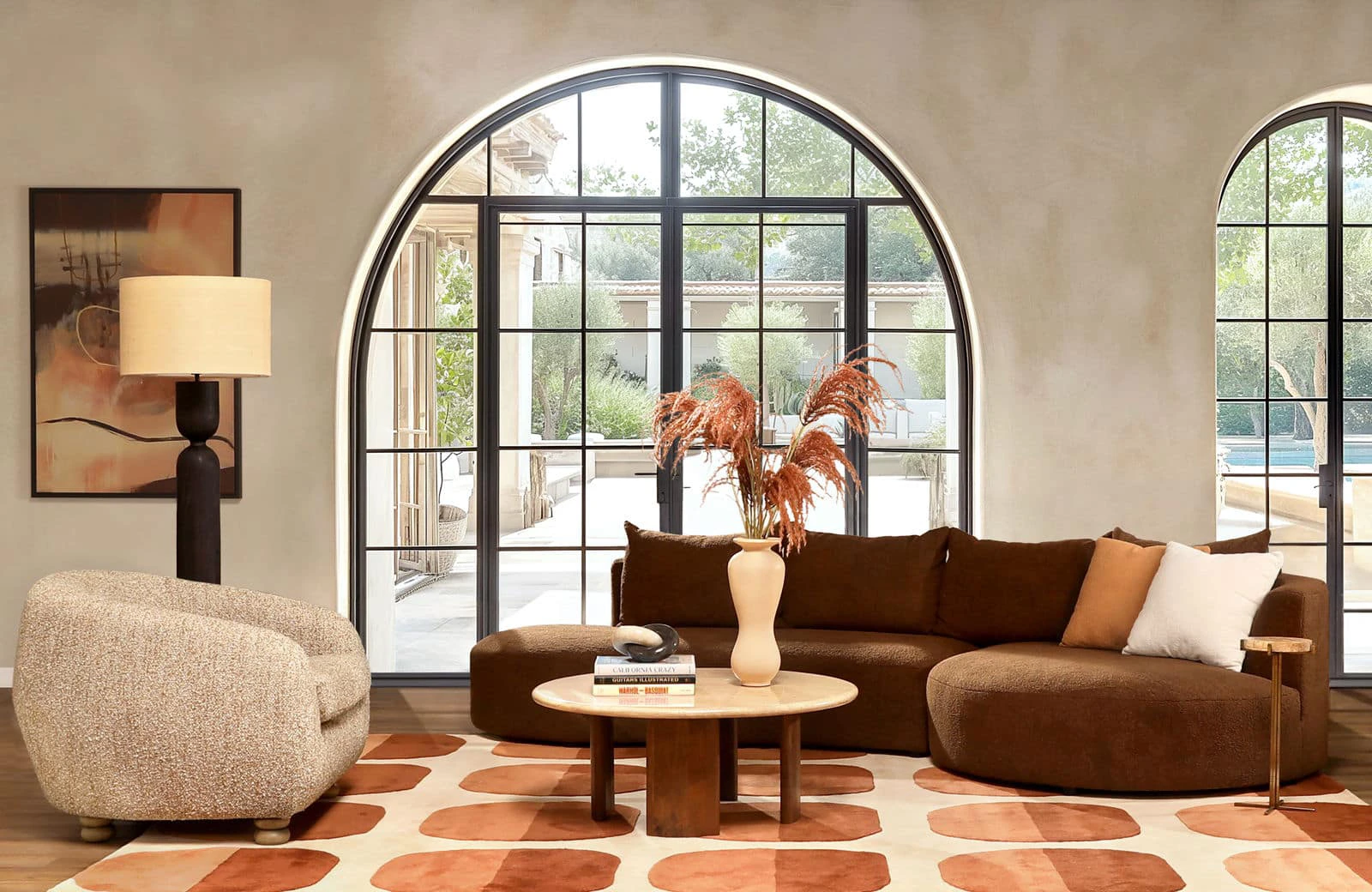
One of the most prominent bespoke furniture trends is the growing preference for sculptural forms. Furniture is increasingly treated as functional art, contributing to the architectural composition of the space.
Curved sofas, monolithic tables, and asymmetrical seating arrangements introduce visual softness while maintaining sophistication. Designers are particularly drawn to pieces that balance minimalism with expressive form. Consequently, bespoke furniture often acts as a focal point within luxury interiors, shaping spatial rhythm and enhancing the emotional atmosphere of the environment.
Materiality and Tactile Richness
Material selection plays a crucial role in defining bespoke luxury furniture:
- Solid wood with visible natural grain
- Bouclé upholstery that enhances softness and texture
- Marble and travertine surfaces with sculptural qualities
- Brushed metals that introduce subtle contrast
- Linen and wool textiles that reinforce comfort
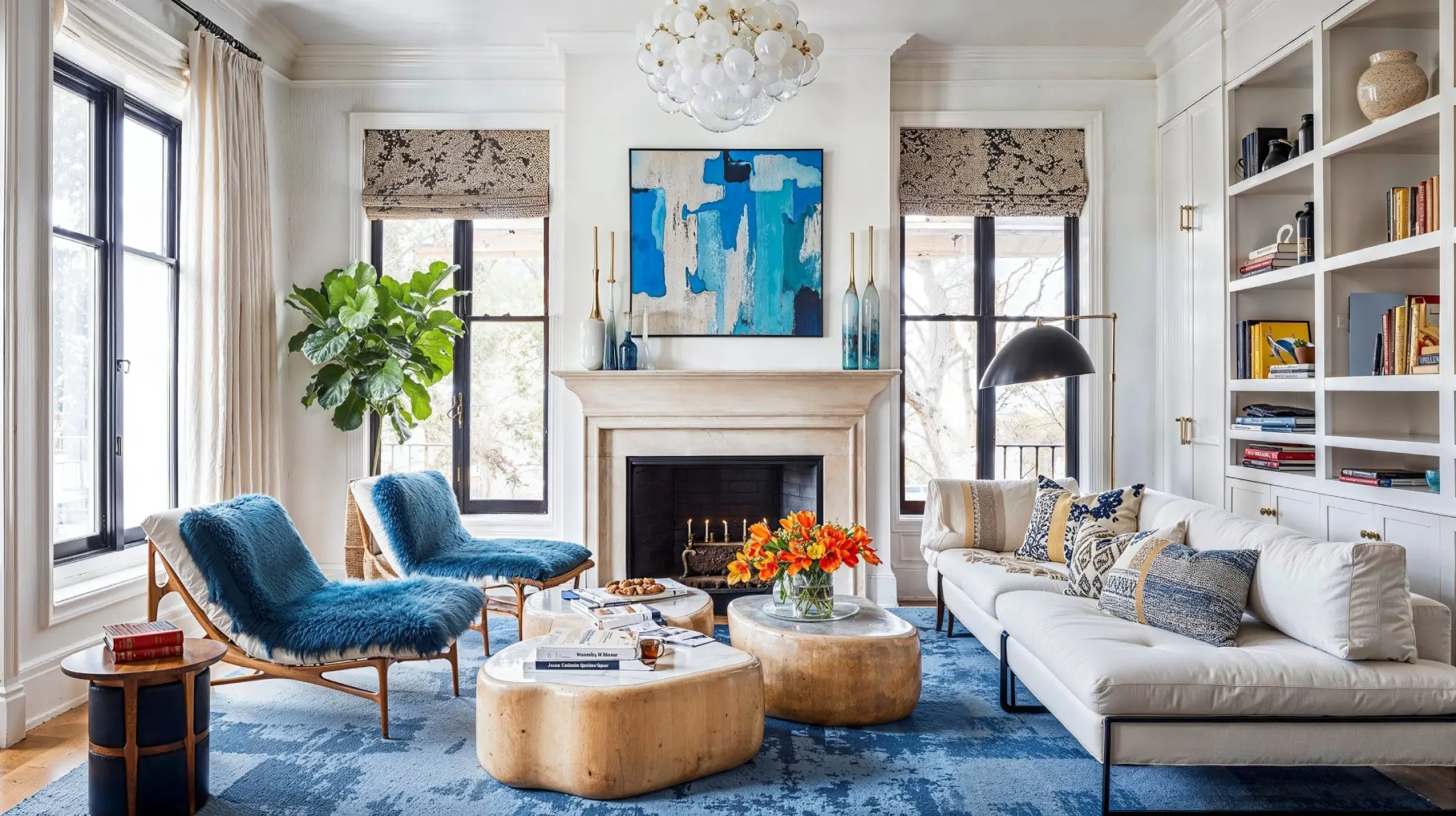
Because bespoke pieces are crafted individually, designers can explore richer material combinations and refined finishes that elevate sensory experience.

Furniture Designed Around Architecture
Contemporary bespoke furniture is increasingly conceived in direct dialogue with architecture. Rather than selecting furniture after completing the interior, designers now integrate custom pieces into the spatial concept from the beginning.
This approach ensures visual continuity and proportional harmony throughout the project. Built-in seating, custom shelving, and integrated dining solutions create interiors that feel unified and intentional. Additionally, furniture designed specifically for a space improves functionality while reinforcing architectural clarity. This seamless relationship between furniture and architecture has become a hallmark of luxury interior design.
The Influence of Minimalist Luxury
Minimalist interiors have strongly influenced the evolution of bespoke furniture trends. As luxury spaces embrace cleaner lines and restrained palettes, furniture has become more refined and purposeful.
Rather than relying on ornamentation, contemporary bespoke furniture emphasizes craftsmanship, proportion, and texture. This shift allows materials and form to become the primary sources of visual richness. Consequently, minimalist luxury interiors often feature fewer pieces, but each item carries greater sculptural and emotional significance within the overall design composition.
Comfort and Wellness in Furniture Design
Modern bespoke furniture increasingly prioritizes comfort and emotional well-being:
- Ergonomic seating designed for extended use
- Soft upholstery that enhances tactile comfort
- Organic forms that create visual calmness
- Flexible layouts that support contemporary lifestyles
- Materials chosen for warmth and sensory appeal
These features reflect the growing importance of wellness within luxury residential environments, where comfort is considered essential to sophisticated living.
Craftsmanship and Artisanal Production
The renewed appreciation for craftsmanship has become one of the strongest forces behind bespoke furniture trends. Luxury clients increasingly value artisanal production methods that emphasize quality and authenticity over mass manufacturing.
Hand-finished details, traditional woodworking techniques, and custom upholstery contribute to the uniqueness of each piece. Moreover, visible craftsmanship adds emotional depth to interiors, reinforcing the idea that luxury lies in precision and care rather than excess. This return to artisanal values aligns closely with broader movements toward timeless and sustainable design.
Bespoke Furniture in Hospitality and Residential Design
Luxury hospitality projects have also contributed significantly to the popularity of bespoke furniture. Boutique hotels and private resorts frequently use custom-made furnishings to create distinctive and memorable guest experiences.
This hospitality influence has translated directly into residential design, where clients increasingly expect homes to feel curated and immersive. Bespoke furniture therefore serves as a bridge between hospitality sophistication and residential comfort. The result is an interior language centered on personalization, sensory richness, and architectural cohesion.
Sustainability and Long-Term Value
Bespoke furniture trends are increasingly associated with sustainability and longevity. Rather than purchasing disposable pieces driven by short-term trends, clients are investing in furniture designed to endure for decades.
Custom furniture often uses higher-quality materials and construction methods, ensuring greater durability over time. Additionally, timeless design reduces the need for frequent replacement, aligning with more conscious approaches to luxury living. This emphasis on longevity reinforces the growing connection between sustainability and contemporary high-end interiors.
Why Nolita Harbour
Nolita Harbour reflects many of the defining qualities shaping contemporary bespoke furniture trends through its focus on customization, refined craftsmanship, and sculptural elegance. The brand’s bespoke options allow designers and clients to tailor upholstery, finishes, and proportions according to specific architectural contexts and interior concepts. Additionally, Nolita Harbour’s collections frequently emphasize tactile materials such as bouclé and richly textured fabrics, aligning with the growing demand for sensory comfort within luxury interiors. This combination of personalization and material sophistication positions the brand naturally within today’s evolving landscape of bespoke luxury furniture design.
Conclusion
The rise of bespoke furniture trends highlights a broader transformation within luxury interior design, where personalization, craftsmanship, and emotional experience are becoming increasingly important. Through sculptural forms, natural materials, and tailored solutions, bespoke furniture allows designers to create interiors that feel distinctive, immersive, and timeless.
For interior designers, architects, and luxury design studios, custom furniture offers a powerful tool for shaping cohesive luxury environments. As high-end interiors continue to evolve, the integration of bespoke design principles will remain central to creating spaces that balance sophistication, comfort, and individuality.