Luxury furniture is often recognised by its elegance, yet true quality extends far beyond first impressions. A beautifully designed sofa or dining table may immediately capture attention, but its real value is revealed over time in the way it is crafted, how it performs through daily life and how gracefully it matures with age.
In today’s furniture market, appearance alone can be misleading. Advances in manufacturing have made it possible for mass-produced pieces to imitate the look of premium materials, making it increasingly difficult to distinguish genuine craftsmanship from clever imitation. While two pieces may appear similar in a showroom or on a screen, the experience of living with them for years can be remarkably different.
High-quality luxury furniture is created with permanence in mind. It is designed to become part of a home’s architecture rather than simply occupying space within it. Every decision—from the selection of solid walnut and natural travertine to the precision of handcrafted joinery and upholstery—contributes to furniture that delivers lasting comfort, structural integrity and timeless appeal.
Rather than following seasonal trends, exceptional furniture embraces enduring design principles. Balanced proportions, authentic materials and meticulous attention to detail ensure that each piece remains relevant as interiors evolve, allowing homeowners to invest with confidence instead of continually replacing furniture as fashions change.
Whether furnishing an entire residence or selecting a single statement piece, understanding what defines genuine quality is essential. The following seven characteristics reveal what truly distinguishes high-quality luxury furniture and why these details continue to matter long after the excitement of a new purchase has passed.
Design Perspective
The finest furniture never competes for attention. Instead, it earns admiration through proportion, authenticity and craftsmanship qualities that become more apparent with every passing year.
What Defines High-Quality Luxury Furniture?
Luxury furniture cannot be measured by price alone. Its true distinction lies in the relationship between design, materials and craftsmanship. Every element is considered not only for its visual impact but also for its ability to enhance durability, comfort and longevity.
Natural materials play a defining role in this philosophy. Solid walnut offers remarkable strength alongside rich grain patterns that become even more beautiful with age. Travertine introduces organic texture and quiet sophistication, while marble brings depth and individuality through naturally occurring veining. Complementing these surfaces, brushed brass, ceramic details and carefully selected hardwoods create subtle contrasts that elevate the overall composition without overwhelming it.
Soft furnishings deserve the same level of consideration. Bouclé provides warmth and tactile richness, velvet introduces depth and refinement, while premium woven fabrics deliver comfort and resilience suited to everyday living. Rather than masking imperfections, these materials celebrate their natural characteristics, ensuring every piece possesses a unique identity.
Construction is equally important. Superior furniture is engineered with precision, using carefully executed joinery, balanced proportions and refined finishing techniques that allow each component to function seamlessly. Drawers glide effortlessly, doors close with reassuring precision and every transition between materials reflects thoughtful craftsmanship.
Ultimately, high-quality luxury furniture is created to outlast trends. It is designed to accompany changing interiors, evolving lifestyles and even future generations, proving that genuine luxury is defined not by excess, but by enduring excellence.
1. Premium Materials with Lasting Character
The first sign of exceptional luxury furniture is immediately apparent in the materials themselves. Authentic natural materials possess a depth, texture and individuality that manufactured alternatives simply cannot reproduce. They engage the senses not only visually but also through touch, creating furniture that feels as refined as it appears.
Among the most celebrated hardwoods, walnut remains a benchmark for premium furniture design. Its rich chocolate tones, flowing grain and natural durability have made it a favourite of designers for generations. Oak offers a lighter, architectural character with outstanding structural stability, making it equally valued in contemporary interiors.
Natural stone introduces another dimension of luxury. Travertine is admired for its subtle tonal variations and organic texture, creating tabletops that feel calm and understated. Marble offers greater visual drama through distinctive veining, ensuring that no two surfaces are ever identical. These materials transform functional furniture into pieces with genuine artistic presence.
Metals are chosen with equal care. Brushed brass adds warmth without excessive shine, while ceramic accents provide refined detailing that enhances the overall composition. Together, these elements create balanced contrasts that enrich the furniture rather than dominate it.
Luxury upholstery completes the experience. Bouclé introduces softness and visual depth, velvet reflects light with understated elegance and premium woven textiles deliver exceptional comfort while maintaining their appearance over years of everyday use. Each material is selected not only for its beauty but also for the way it contributes to the furniture’s long-term performance.
When premium materials are thoughtfully combined, they create furniture that develops character rather than showing wear. Hardwood gains richness, natural stone acquires subtle patina and fine fabrics mature gracefully, reinforcing the enduring value that defines true luxury.
2. Craftsmanship That Reveals Itself Over Time
While premium materials establish the foundation of luxury furniture, craftsmanship is what gives those materials purpose. It is the invisible discipline behind every beautifully proportioned dining table, every impeccably upholstered armchair and every sideboard that feels as solid decades later as it did on the day it was delivered.
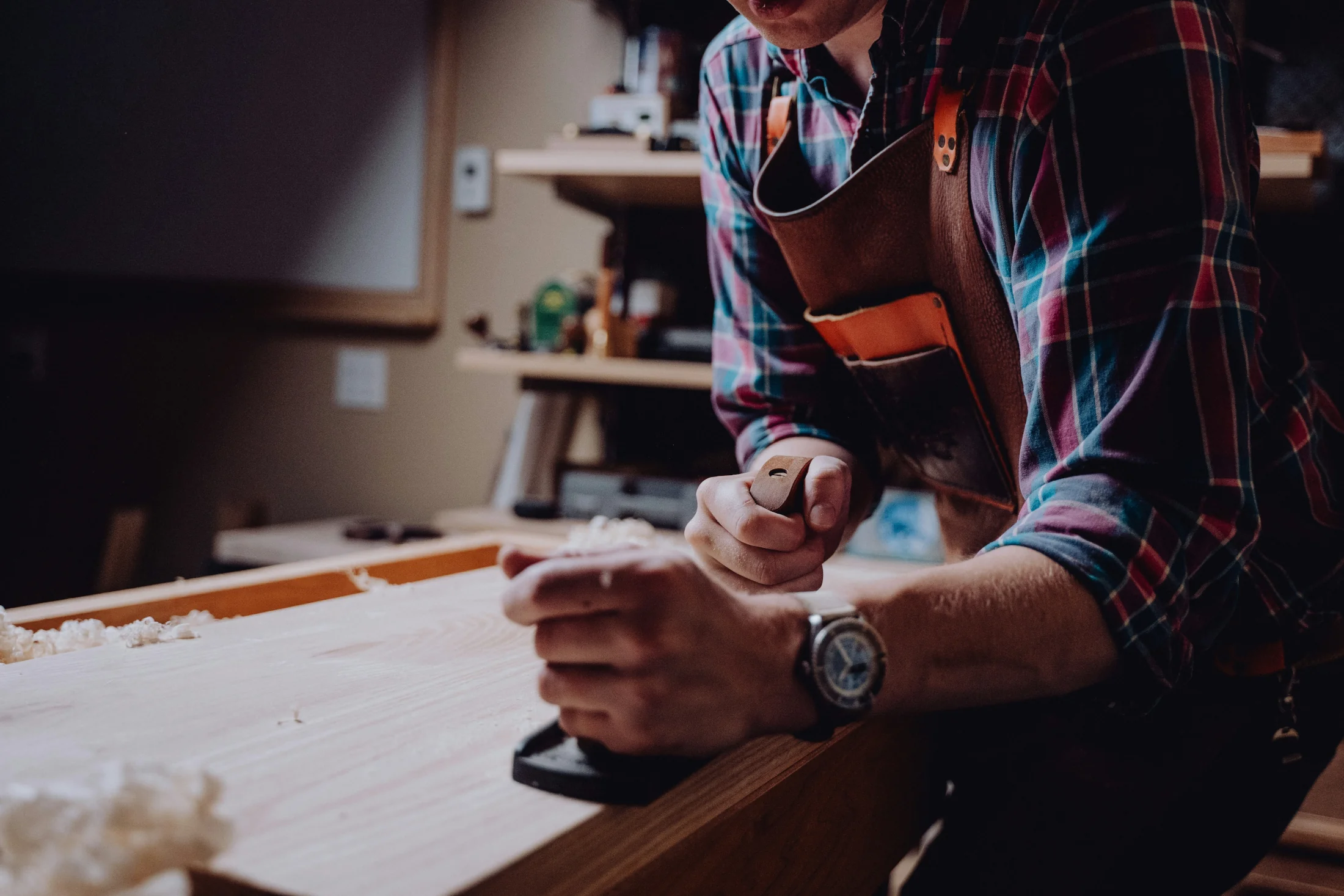
Expert craftsmanship remains one of the defining characteristics of heirloom-quality furniture. Photo by Bailey Alexander on Unsplash
Exceptional craftsmanship is rarely dramatic. Instead, it reveals itself gradually through the quiet confidence of a piece that performs flawlessly year after year. A drawer should glide with effortless precision, doors should close perfectly flush, and every joint should remain stable despite daily use. These seemingly modest details are often the clearest indicators of furniture created without compromise.
One of the hallmarks of luxury manufacturing is precision joinery. Rather than relying solely on mechanical fasteners, premium furniture incorporates construction techniques that distribute weight evenly and preserve structural integrity over time. The result is furniture that feels reassuringly substantial, free from movement, creaking or distortion even after years of regular use.
The finishing process demands equal attention. Timber surfaces are carefully prepared to enhance the natural grain rather than conceal it, while stone is finished to preserve its tactile qualities and distinctive character. Upholstered pieces require meticulous pattern alignment, consistent stitching and perfectly balanced cushioning to achieve both visual harmony and exceptional comfort.
Perhaps the greatest measure of craftsmanship is consistency. Every angle, edge and transition should feel intentional, reflecting a level of precision that cannot be achieved through rapid production alone. It is this dedication to detail that allows luxury furniture to maintain both its beauty and functionality for generations.
3. Timeless Design That Transcends Trends
Design trends are constantly evolving, yet truly exceptional furniture remains remarkably unaffected by them. Pieces created with timeless proportions and balanced compositions continue to feel contemporary regardless of changing fashions, making them far more valuable than furniture designed around temporary aesthetics.
Timeless design is characterised by restraint rather than excess. Clean architectural lines, harmonious proportions and carefully considered details create furniture that integrates effortlessly into a wide variety of interiors. Whether placed within a modern penthouse, a restored townhouse or a countryside residence, well-designed furniture complements its surroundings instead of competing with them.
This philosophy also allows natural materials to take centre stage. The flowing grain of walnut, the quiet elegance of travertine and the subtle warmth of brushed brass become defining features of the design, reducing the need for unnecessary ornamentation. Rather than following decorative fashions, these materials provide visual richness through their own inherent beauty.
Investing in timeless furniture also offers practical advantages. As personal tastes evolve and interiors are renovated, quality pieces continue to adapt naturally to new settings. A dining table selected today may comfortably accompany several generations of chairs, lighting schemes and decorative styles without ever appearing out of place.
Ultimately, timeless design is not about simplicity for its own sake. It is about creating furniture with lasting relevance pieces that continue to inspire admiration many years after passing trends have been forgotten.
4. Attention to Detail Defines Excellence
The difference between good furniture and truly exceptional furniture is often found in the details that many people never consciously notice. Individually they may appear subtle, yet together they create an unmistakable impression of quality.
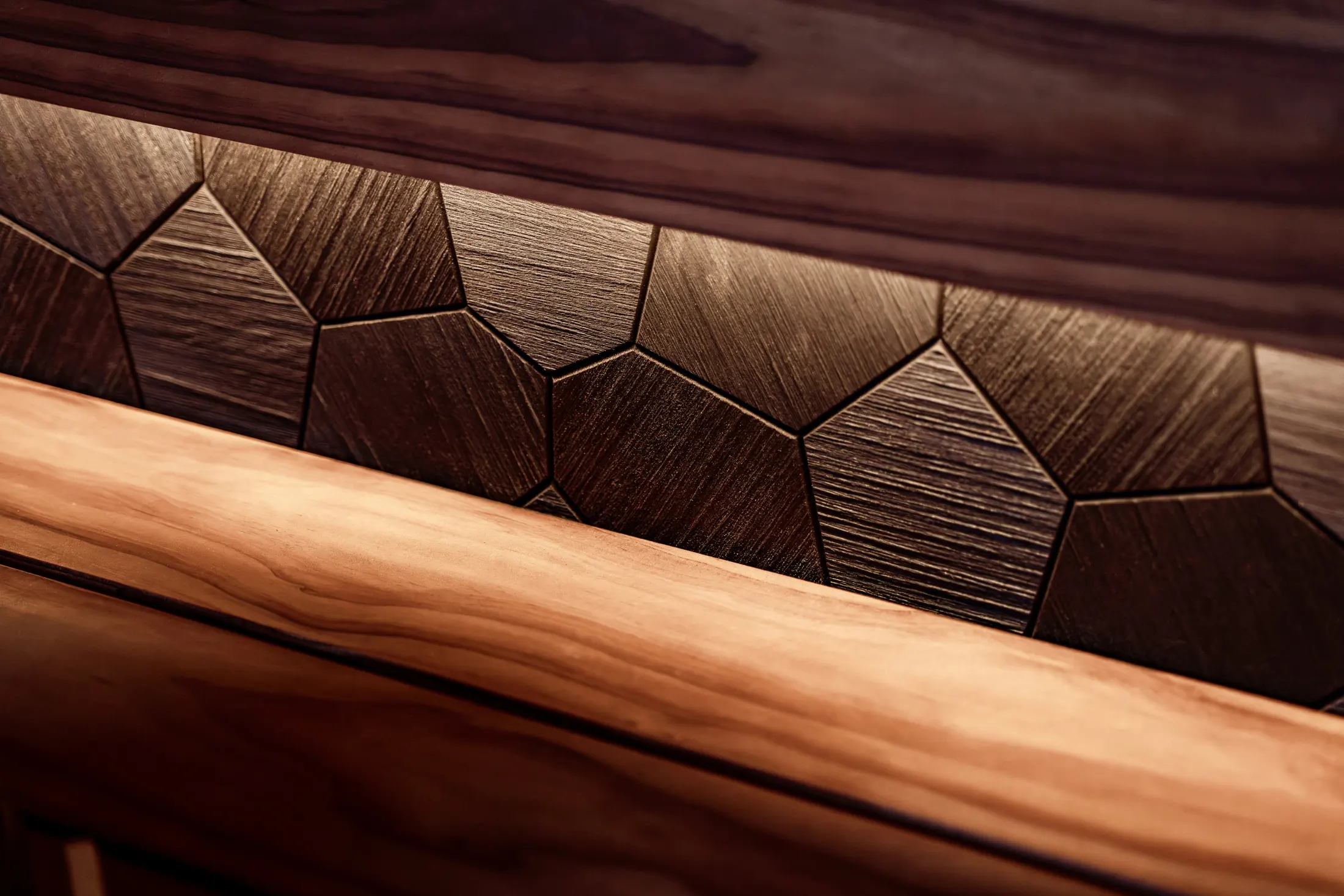
Photo by Huum on Unsplash
Look closely at the grain of a walnut cabinet and you may find that it flows continuously across adjoining doors, creating visual continuity that requires careful material selection during production. Examine the edge where travertine meets timber and the transition should appear effortless, with each material complementing the other rather than competing for attention.
Hardware deserves similar scrutiny. Hinges should operate smoothly and silently, drawer runners should move with reassuring precision and handles should feel substantial without overwhelming the design. These tactile experiences shape the way furniture is perceived every time it is used.
Attention to detail extends beyond functionality. Consistent stitching on bouclé upholstery, perfectly aligned piping on velvet seating and accurately finished timber edges all demonstrate the level of care invested throughout the manufacturing process. These refinements may not attract immediate attention, yet they contribute enormously to the overall sense of quality.
Luxury furniture is defined as much by what is refined as by what is visible. Every interaction should reinforce the impression that nothing has been overlooked and that every element has been considered with equal importance.
5. Comfort Is an Essential Part of Luxury
Beautiful furniture should enhance everyday living rather than simply decorate a room. Comfort is therefore not an additional feature of luxury furniture it is one of its defining characteristics.
Creating exceptional comfort requires far more than generous cushioning. Designers carefully study ergonomics, seating angles, body support and material performance to ensure that every chair, sofa and armchair provides a naturally comfortable sitting experience over extended periods. The goal is to achieve effortless support without compromising visual elegance.
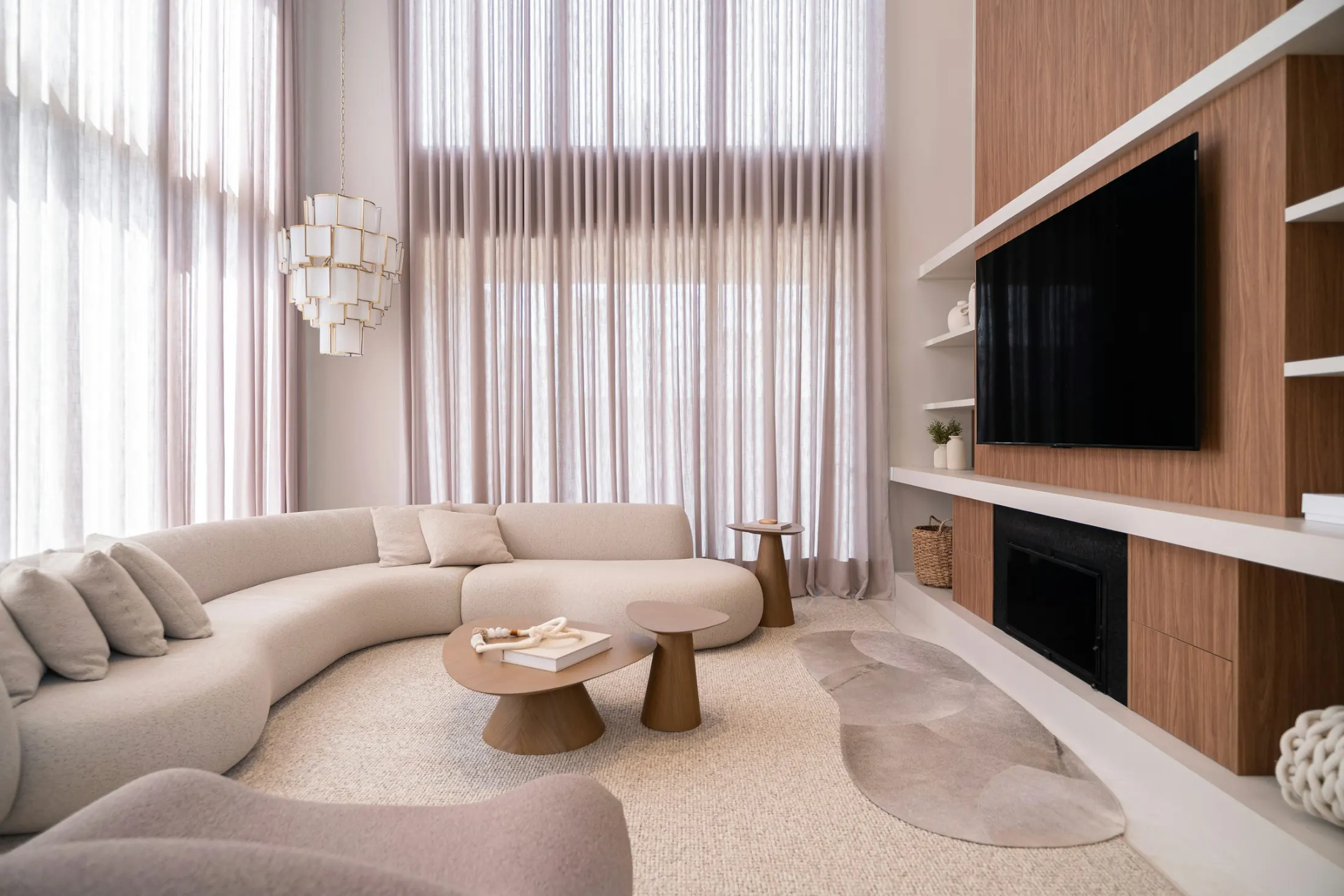
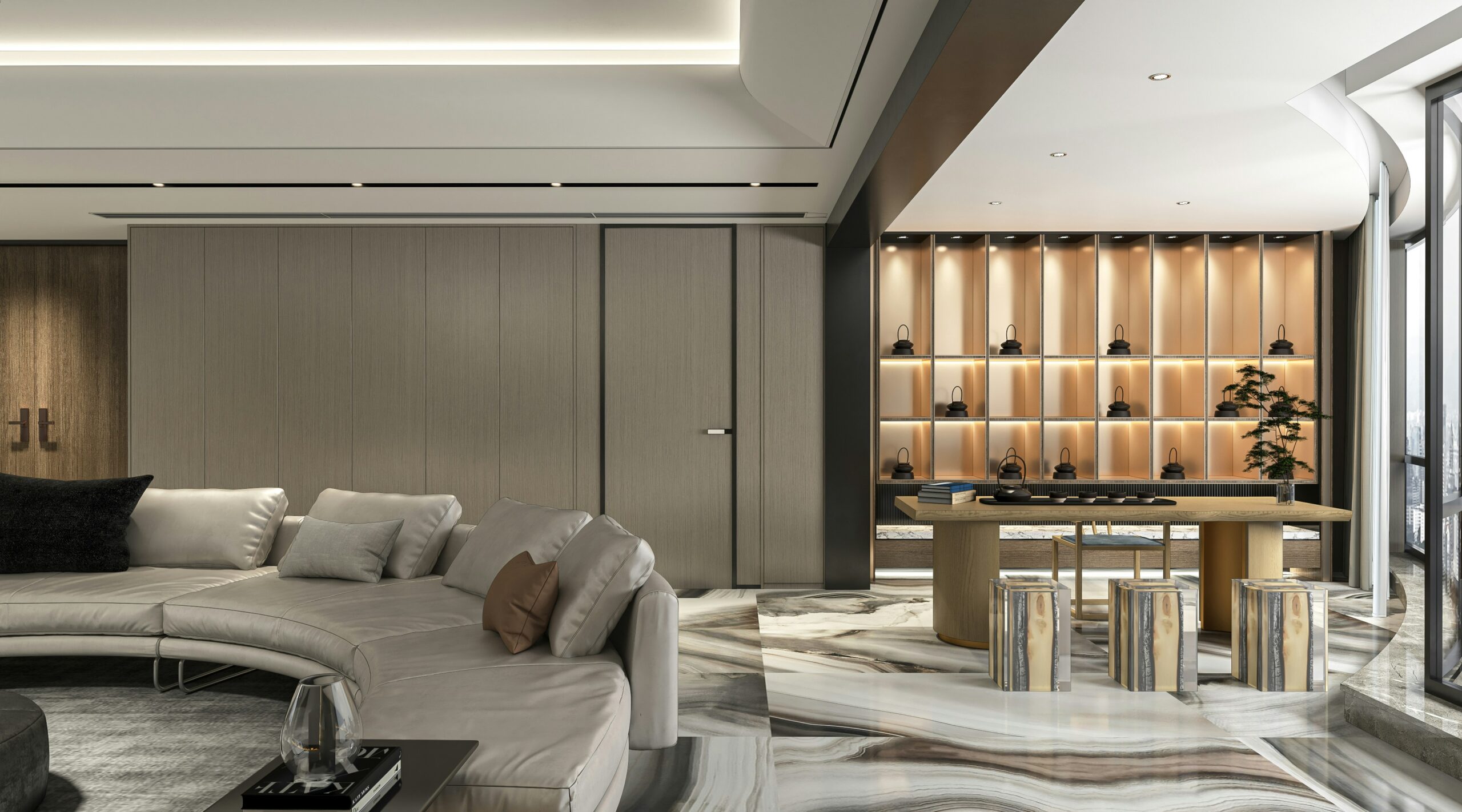
Timeless interiors combine refined materials, balanced proportions and understated elegance. Photo by Caroline Badran on Unsplash
Premium upholstery materials play an important role in this balance. Bouclé introduces warmth and inviting texture, velvet offers remarkable softness with a refined appearance, while carefully woven fabrics provide breathability and resilience suited to everyday use. Beneath these finishes, high-quality cushioning and expertly engineered internal structures ensure that comfort remains consistent for years rather than months.
Furniture that combines outstanding comfort with timeless aesthetics quickly becomes central to everyday life. Dining chairs encourage lingering conversations long after meals have ended, sofas invite quiet evenings with family and friends, and armchairs become favourite places for reading, reflection or conversation.
This harmony between beauty and functionality is one of the clearest distinctions of genuine luxury furniture. When craftsmanship, materials and ergonomics work together, every piece becomes an experience rather than simply an object.
6. Built to Last for Generations
One of the defining qualities of high-quality luxury furniture is its remarkable longevity. Unlike furniture designed for short product cycles, premium pieces are created with the expectation that they will remain part of a home for decades, becoming more meaningful with every passing year.
Longevity begins with intelligent construction. A dining table must withstand daily meals, celebrations and family gatherings without losing its stability. A sideboard should continue to open and close with the same reassuring precision after years of regular use, while a well-crafted sofa should maintain both its comfort and elegant silhouette long after trends have changed.
Natural materials play an important role in this process. Solid walnut gradually develops a richer patina that enhances its depth and warmth, while oak acquires subtle character through everyday living. Travertine and marble preserve their distinctive textures and natural patterns, allowing every surface to tell its own story rather than simply showing signs of age.
This ability to mature gracefully distinguishes luxury furniture from products that quickly deteriorate or become visually dated. Rather than replacing worn furniture every few years, homeowners enjoy pieces that continue to improve through careful use and proper maintenance.
Furniture designed for longevity also carries emotional value. It becomes associated with memorable occasions, family traditions and significant moments, transforming functional objects into meaningful parts of everyday life. This lasting connection is one of the greatest luxuries exceptional furniture can offer.
7. Responsible Luxury Begins with Thoughtful Manufacturing
Luxury and sustainability are no longer separate conversations. Increasingly, the highest standards of furniture design are measured not only by aesthetics and craftsmanship but also by the responsibility shown throughout the manufacturing process.
The most sustainable piece of furniture is often the one that never needs replacing. By creating products that remain structurally sound, visually timeless and functionally relevant for decades, premium manufacturers naturally reduce waste and encourage a more considered approach to consumption.
Responsibly sourced hardwoods, carefully selected natural stone and durable upholstery materials all contribute to furniture with a significantly longer lifespan than mass-produced alternatives. Equally important is the careful use of finishing techniques that preserve the authentic beauty of these materials while supporting their long-term performance.
Thoughtful manufacturing also means respecting the inherent qualities of every material. Walnut should be celebrated for its distinctive grain, travertine for its organic texture and marble for the individuality of its veining. Rather than attempting to standardise nature, exceptional craftsmanship embraces these differences, ensuring that every piece possesses its own identity.
For today’s homeowner, investing in quality furniture represents more than a design decision. It reflects a commitment to longevity, authenticity and responsible consumption values that continue to shape the future of luxury interiors.
Common Mistakes When Buying Luxury Furniture
Even experienced buyers can overlook important factors when selecting premium furniture. While appearance often influences the first impression, genuine quality is determined by characteristics that become apparent only through closer inspection and thoughtful consideration.
- Choosing furniture based solely on appearance without considering construction quality.
- Confusing veneers, laminates or synthetic finishes with solid natural materials.
- Prioritising short-term design trends over timeless proportions.
- Overlooking comfort in favour of aesthetics alone.
- Ignoring the importance of craftsmanship and finishing details.
- Selecting furniture without considering how it will complement future interior changes.
- Viewing luxury furniture as an expense instead of a long-term investment.
Taking time to evaluate these aspects helps ensure that every purchase delivers satisfaction not only on the day it arrives, but for many years to come.
How to Choose Luxury Furniture with Confidence
Selecting luxury furniture should never feel rushed. The finest interiors are created gradually, with each piece chosen for its ability to contribute to a harmonious and enduring environment rather than simply filling available space.
Begin by evaluating the materials. Natural hardwoods such as walnut and oak should display authentic grain patterns and a depth of colour that cannot be replicated by artificial finishes. Stone surfaces should celebrate their natural variation, while upholstery should feel substantial, comfortable and beautifully finished.
Next, examine the craftsmanship. Open drawers, inspect internal finishes, observe the alignment of doors and pay close attention to how different materials meet one another. High-quality furniture communicates precision through every detail, even those rarely seen.
Finally, consider how the piece will serve your home over the next decade rather than the next season. Furniture that combines timeless design with exceptional craftsmanship is far more likely to remain relevant, functional and beautiful as your lifestyle evolves.
Expert Perspective: The finest furniture never asks to be replaced. Its quality becomes more apparent with time, rewarding careful investment through decades of comfort, reliability and understated elegance.
Investment Value Beyond the Purchase Price
The value of luxury furniture cannot be measured solely by its initial cost. Its true worth becomes evident over time through years of reliable performance, enduring beauty and the ability to remain relevant as homes and lifestyles evolve.
While lower-priced furniture may appear economical at first, frequent replacement often results in a far greater long-term expense. Premium furniture, by contrast, is designed to withstand daily life without compromising its structural integrity or visual appeal, making it a more considered investment for discerning homeowners.
Timeless design also contributes significantly to long-term value. A beautifully crafted walnut dining table, a travertine coffee table or a carefully upholstered bouclé armchair can adapt effortlessly to changing interiors, accompanying new colour palettes, architectural styles and decorative schemes without losing their sense of relevance.
Beyond financial considerations, quality furniture enriches everyday living. It becomes the backdrop to family celebrations, quiet evenings and shared moments, gradually acquiring a personal significance that extends well beyond its functional purpose. This emotional connection is something disposable furniture rarely achieves.
The Enduring Beauty of Natural Materials
One of the defining characteristics of luxury interiors is their relationship with natural materials. Unlike synthetic alternatives that often seek visual uniformity, wood, stone and premium textiles embrace variation, creating furniture with depth, authenticity and individuality.
Walnut is admired for its flowing grain and rich tonal variation, qualities that become even more pronounced as the timber matures. Oak offers a lighter aesthetic with exceptional durability, while travertine introduces a quiet architectural elegance through its naturally textured surface. Marble, celebrated for centuries in art and architecture, provides striking veining that ensures no two pieces are ever exactly alike.
These materials are not only beautiful they also tell a story. Small variations in colour, texture and pattern are reminders of their natural origin, giving each piece a distinctive identity that cannot be replicated by engineered surfaces.
When paired with refined materials such as bouclé, velvet, brushed brass or ceramic, they create interiors with remarkable visual balance. The result is furniture that feels warm, tactile and inviting while retaining the sophistication expected of contemporary luxury design.