

In an era defined by curated interiors and globally referenced aesthetics, the conversation around seating design has shifted. No longer confined to a single iconic chair or sculptural sofa, today’s most compelling interiors are composed through layers—of texture, scale, silhouette, and function. Few design studios have articulated this evolution more eloquently than Yabu Pushelberg. Renowned for shaping immersive environments across hospitality, residential, and retail sectors, the studio consistently privileges layered seating over singular statement pieces.
For architects, interior designers, and high-net-worth homeowners seeking to refine luxury living room seating, understanding this philosophy is essential. The move toward layered, nuanced compositions reflects broader cultural values: comfort without excess, flexibility without chaos, and elegance without theatricality.
The Philosophy of Yabu Pushelberg
Founded by George Yabu and Glenn Pushelberg, Yabu Pushelberg has built a global reputation for creating environments that feel both serene and sophisticated. Their work—spanning luxury hotels, private residences, and branded spaces—prioritizes atmosphere over ornament and cohesion over spectacle.
At the heart of their approach to seating design lies a rejection of the “hero object” mentality. Rather than allowing a single chair or sofa to dominate the room, they choreograph multiple seating elements into a unified spatial narrative. This methodology aligns with contemporary living patterns, where rooms are increasingly multi-functional and socially dynamic.
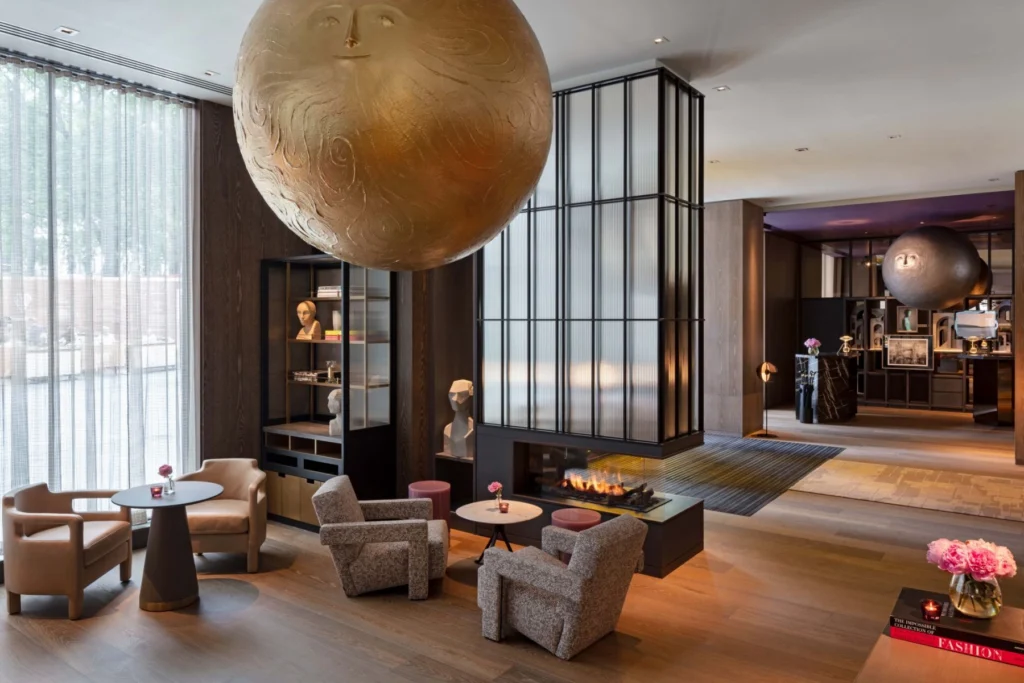
Why Layered Seating Reflects Contemporary Living
1. Flexibility in Function
Today’s interiors must accommodate fluid lifestyles—formal entertaining, intimate family gatherings, remote work, and private retreat. Layered contemporary seating layouts allow a room to adapt seamlessly.
- Modular sofas that shift configuration
- Accent chairs positioned for conversation clusters
- Ottomans that function as tables or extra seating
- Benches that anchor transitional zones
By composing luxury living room seating as a system rather than a singular object, Yabu Pushelberg ensures that interiors evolve with their occupants.
2. Psychological Comfort Over Visual Drama
Statement pieces often prioritize visual impact over ergonomic or emotional comfort. In contrast, layered seating design invites use. It signals hospitality rather than spectacle.
In hospitality environments—an arena where Yabu Pushelberg excels—this distinction is critical. Guests gravitate toward seating that feels intuitive and welcoming. Translating that principle into residential spaces elevates everyday living into a curated yet deeply livable experience.
The Spatial Intelligence Behind Layered Seating
Proportion and Scale
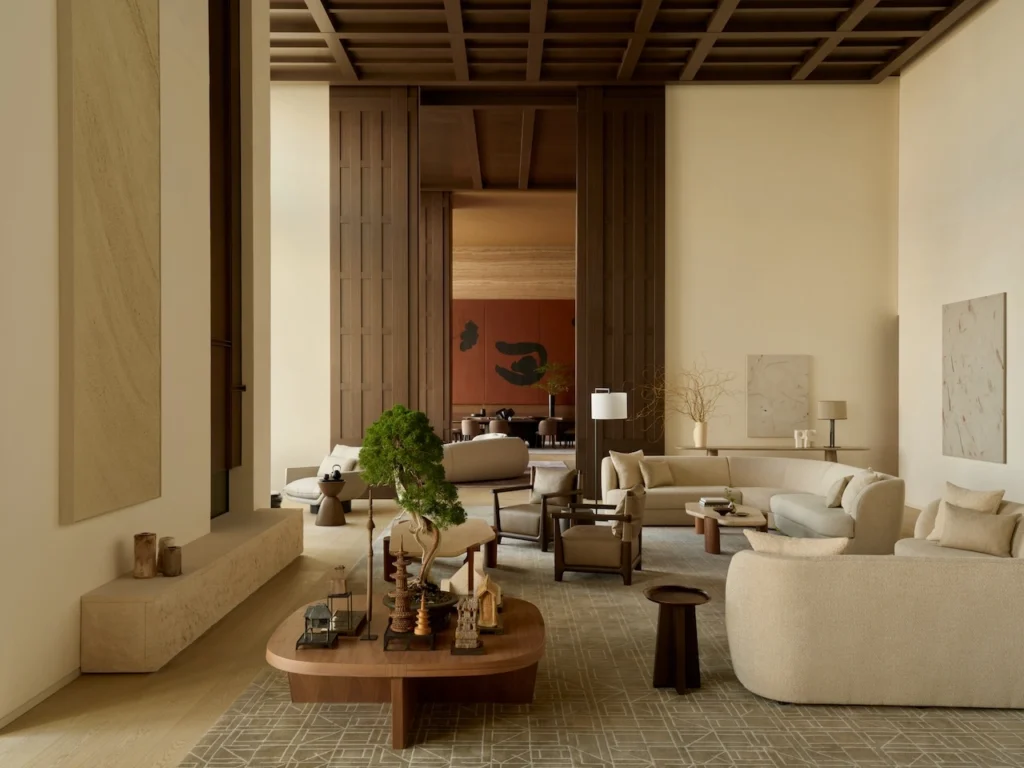
A single oversized sofa can visually flatten a room. Layered contemporary seating layouts, however, introduce varied heights and volumes that animate the interior architecture.
Consider how Yabu Pushelberg balances low-profile sectional forms with sculptural lounge chairs or refined armchairs. The interplay creates rhythm—an architectural cadence that enriches luxury living room seating without overwhelming it.
Material Dialogue
Layering is not limited to arrangement; it extends to materiality. Bouclé beside leather, velvet against brushed oak, matte textiles contrasting polished metals—these combinations generate tactile depth.
In refined seating design, material layering softens modern architecture and adds emotional warmth. Yabu Pushelberg frequently employs tonal palettes that allow materials to converse subtly, reinforcing the studio’s preference for nuance over noise.
Layered Seating as a Marker of Luxury
Beyond the Iconic Chair
For decades, luxury interiors often revolved around a single collectible piece—a mid-century classic or avant-garde design. While culturally significant, such focal points can inadvertently restrict spatial flexibility.
Layered luxury living room seating represents a more evolved expression of affluence. It suggests:
- Confidence in restraint
- Investment in comfort
- Understanding of spatial choreography
- Appreciation for cohesive environments
In this context, Yabu Pushelberg reframes luxury not as acquisition, but as atmosphere.
Hospitality Influence in Residential Design
The hospitality sector has profoundly influenced high-end residential interiors. Hotel lounges—carefully composed with layered seating design—offer a blueprint for residential living rooms.
In these spaces, contemporary seating layouts are designed to encourage both privacy and interaction. Translating this strategy into private homes results in rooms that feel curated yet effortless. It is a hallmark of the Yabu Pushelberg approach: environments that anticipate human behavior rather than dictate it.
Design Strategies Architects and Designers Can Apply
1. Create Conversational Islands
Instead of aligning all seating along walls, position elements to form intimate clusters. This enhances flow and supports layered seating design.
- Anchor the space with a modular sofa.
- Add two lounge chairs at varying angles.
- Incorporate a bench or ottoman for flexibility.
- Use rugs to define each zone.
2. Vary Silhouettes
A compelling luxury living room seating scheme juxtaposes structured forms with softer profiles. Yabu Pushelberg often contrasts tailored upholstery with rounded volumes, creating visual balance.
3. Consider Sightlines
Layered contemporary seating layouts must respond to architectural context—windows, fireplaces, art installations, and circulation paths. Seating becomes an extension of spatial planning rather than an afterthought.
4. Integrate Multi-Functional Pieces
Ottomans, daybeds, and modular elements expand usability. In sophisticated seating design, flexibility is not compromise—it is refinement.
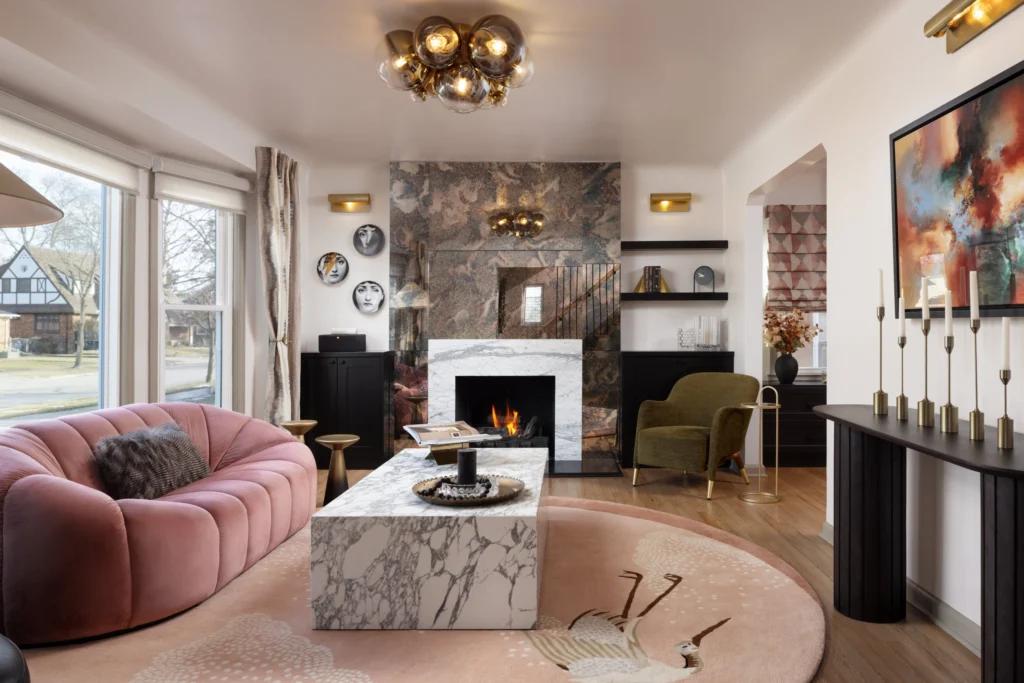
The Emotional Architecture of Layered Seating
Interiors communicate values. A room centered around a singular statement piece often conveys exclusivity or display. A room composed of layered luxury living room seating communicates inclusion and hospitality.
Yabu Pushelberg understands that the emotional experience of space shapes memory. By orchestrating contemporary seating layouts that encourage movement and interaction, the studio elevates daily rituals—morning coffee, evening conversations, quiet reading—into moments of considered luxury.
Answering Key Questions About Layered Seating
Why does Yabu Pushelberg prefer layered seating over statement pieces?
Yabu Pushelberg prioritizes layered seating design because it enhances flexibility, comfort, and spatial harmony. Rather than relying on a single focal object, layered arrangements create immersive environments that adapt to human behavior.
How does layered seating enhance luxury living rooms?
Layered luxury living room seating introduces depth, versatility, and material richness. It fosters both intimacy and grandeur, supporting diverse social scenarios without sacrificing aesthetic cohesion.
What defines contemporary seating layouts today?
Today’s contemporary seating layouts emphasize modularity, varied silhouettes, and multi-functional elements. Inspired by studios like Yabu Pushelberg, they prioritize experiential quality over singular visual impact.
The Future of Seating Design
As global lifestyles continue to evolve, so too will expectations around interior environments. Hybrid living, wellness-driven design, and sustainable material innovation will further influence seating design.
Layering allows interiors to adapt without complete reinvention. A well-conceived luxury living room seating composition can incorporate new textures, modules, or accents over time—preserving relevance while maintaining identity.
For design professionals, the lesson from Yabu Pushelberg is clear: true sophistication lies in orchestration. The artistry is not in selecting a singular masterpiece, but in composing a symphony of elements that resonate together.
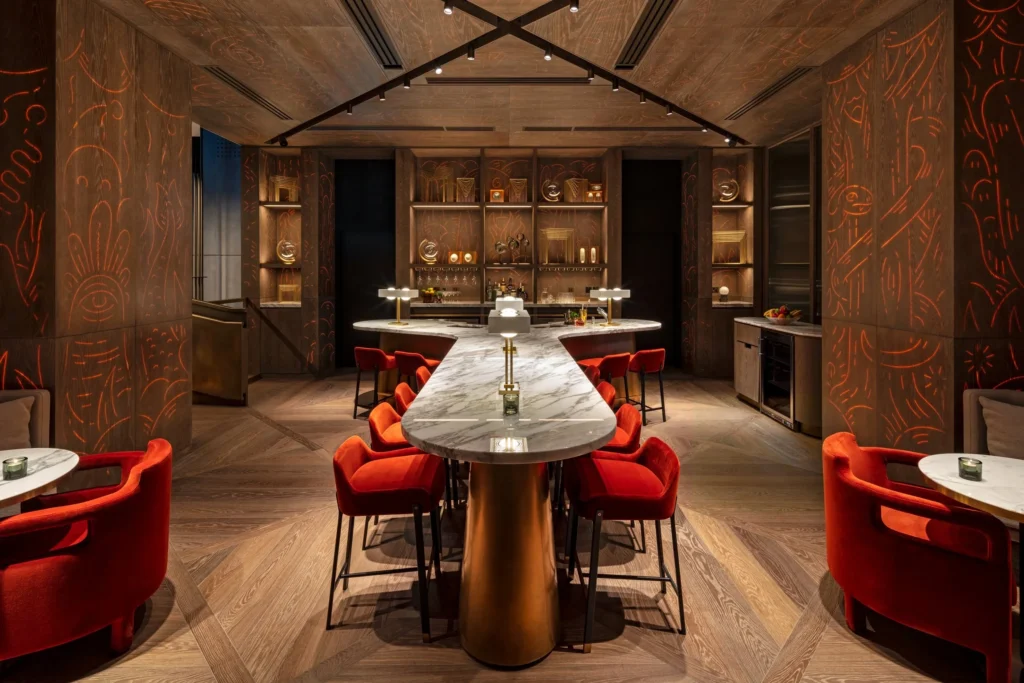
From Object to Experience
The shift from statement pieces to layered arrangements reflects a broader transformation in how we define luxury. It is no longer about isolated icons, but about immersive environments.
Through meticulously curated contemporary seating layouts, Yabu Pushelberg demonstrates that layered seating design fosters both aesthetic refinement and authentic comfort. For architects, designers, and discerning homeowners, embracing layered luxury living room seating is not simply a stylistic choice—it is an investment in experiential quality.
In a world saturated with visual noise, layered seating offers something rarer: composure, adaptability, and enduring elegance.