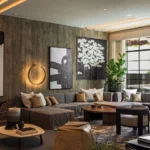
In the evolving landscape of luxury interiors, textured walls have made a powerful comeback. Once overshadowed by ultra-minimalist, flat surfaces, texture now plays a central role in shaping atmosphere, depth, and material identity. Designers and architects increasingly embrace tactile finishes to create immersive spaces that feel both refined and emotionally engaging.
This resurgence reflects a broader shift in luxury interior design—one that prioritizes sensory experience, craftsmanship, and authenticity over sterile perfection. For interior designers, furniture brands, and architectural studios, textured walls offer new opportunities to define space through material richness.
The Shift Away from Flat Minimalism
Over the past decade, smooth, monochromatic walls dominated high-end interiors. While minimalism brought clarity and visual calm, it often lacked warmth and character.
Today, clients seek environments that feel layered and human. Textured walls answer that demand by introducing:
- Subtle irregularities that catch light differently throughout the day
- Depth that enhances spatial perception
- A tactile quality that invites interaction
This evolution doesn’t reject minimalism—it refines it. Texture adds complexity without overwhelming the overall composition.
The Influence of Material-Driven Design
Materiality now sits at the core of luxury interiors. Designers no longer treat walls as passive backdrops; instead, they use them as active design elements.
Leading designers like Axel Vervoordt have long championed natural textures, incorporating plaster, limewash, and raw finishes into serene, minimalist spaces. Similarly, Peter Zumthor emphasizes material authenticity, often using textured surfaces to create atmospheric architecture.
These approaches highlight how textured walls can define a space without relying on excessive decoration.
Popular Textured Wall Finishes in Luxury Interiors
1. Limewash and Plaster Finishes
Limewash and hand-applied plaster have become staples in high-end residential and hospitality projects. These finishes create soft, cloud-like variations that shift with light.
Key characteristics:
- Matte, breathable surfaces
- Subtle tonal movement
- Handcrafted appearance
Designers often use these finishes in living rooms, bedrooms, and spa-like bathrooms to evoke calm and understated luxury.
2. Wood Paneling and Carved Surfaces
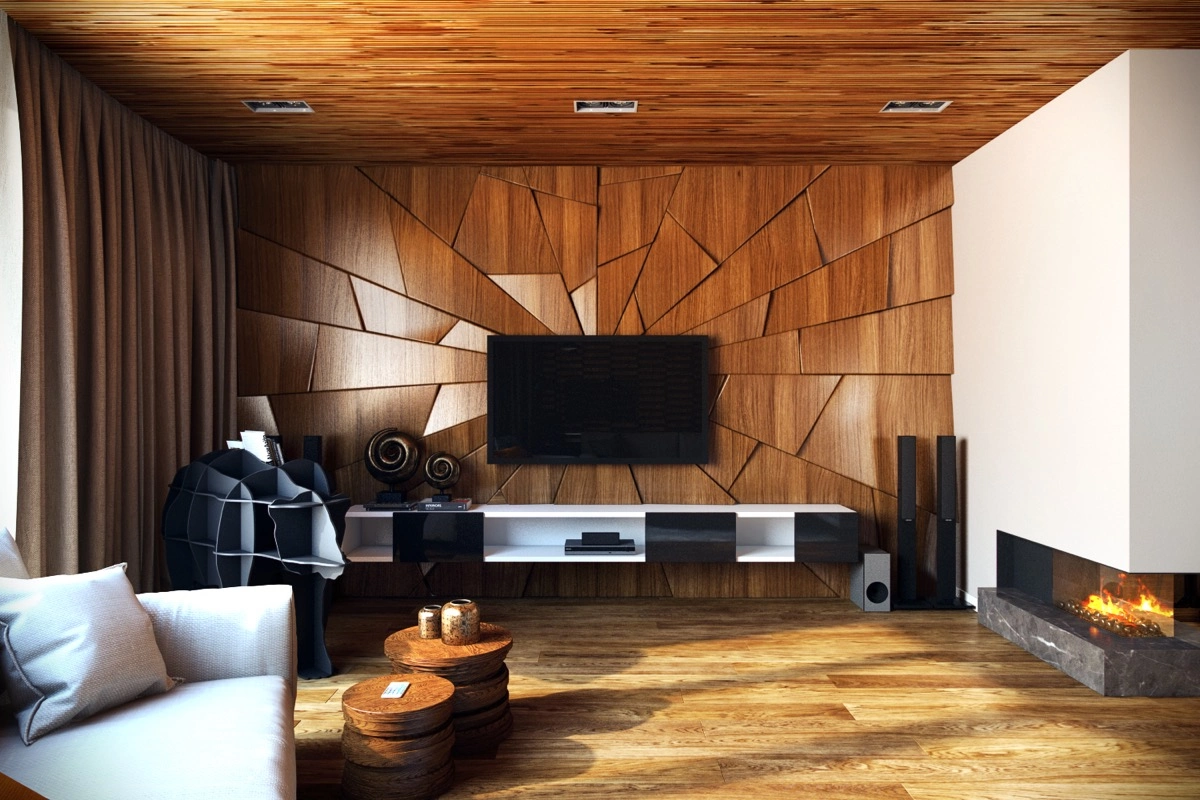
Wood introduces warmth and structure while offering endless possibilities for texture. Contemporary applications move beyond traditional paneling into sculptural territory.
Examples include:
- Fluted wood panels
- Geometric carvings
- Layered wood compositions
Brands like Listone Giordano explore innovative wood treatments that elevate walls into architectural features.
3. Stone and Mineral-Based Textures
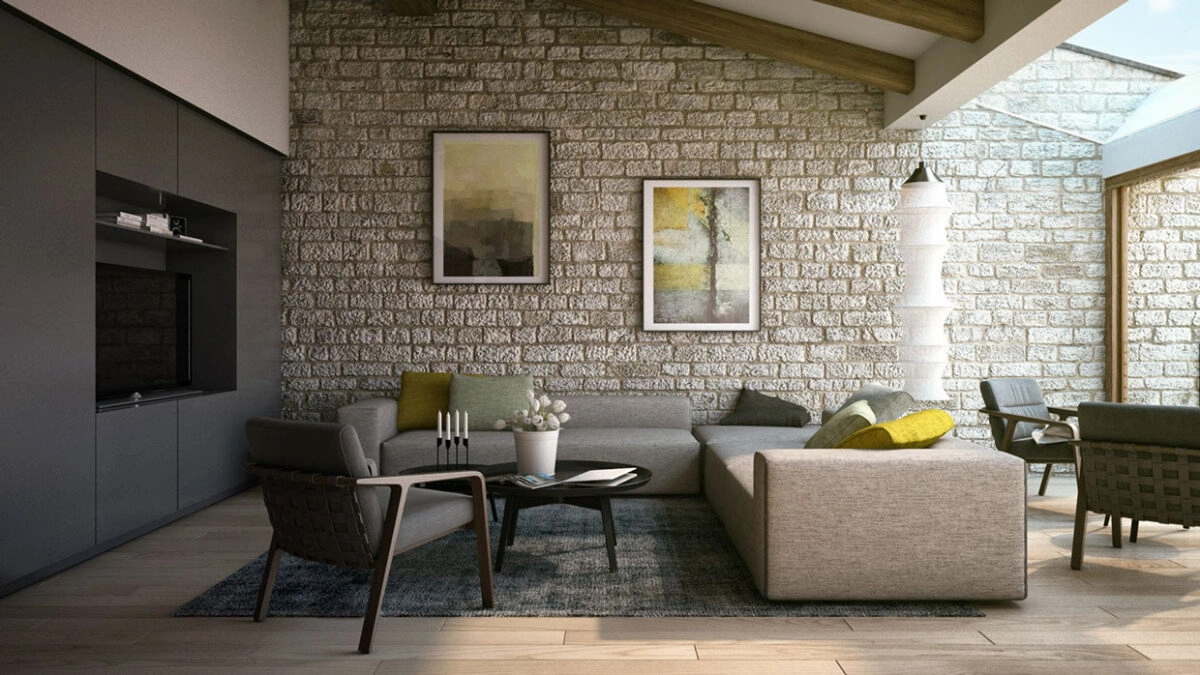
Natural stone remains a cornerstone of luxury design. Textured stone walls add permanence and richness to interiors.
Applications include:
- Split-face stone for dramatic shadow effects
- Honed or brushed finishes for subtle texture
- Large-format slabs with natural veining
Studios such as B&B Italia often pair stone walls with refined furnishings to balance rawness with elegance.
4. Fabric and Upholstered Walls
Soft textures also play a role in the resurgence of textured walls. Upholstered panels introduce comfort and acoustic benefits.
Common uses:
- Bedroom headboard walls
- Private lounges and home theaters
- Hospitality suites
Textiles such as bouclé, velvet, and linen add depth while enhancing the sensory experience of a space.
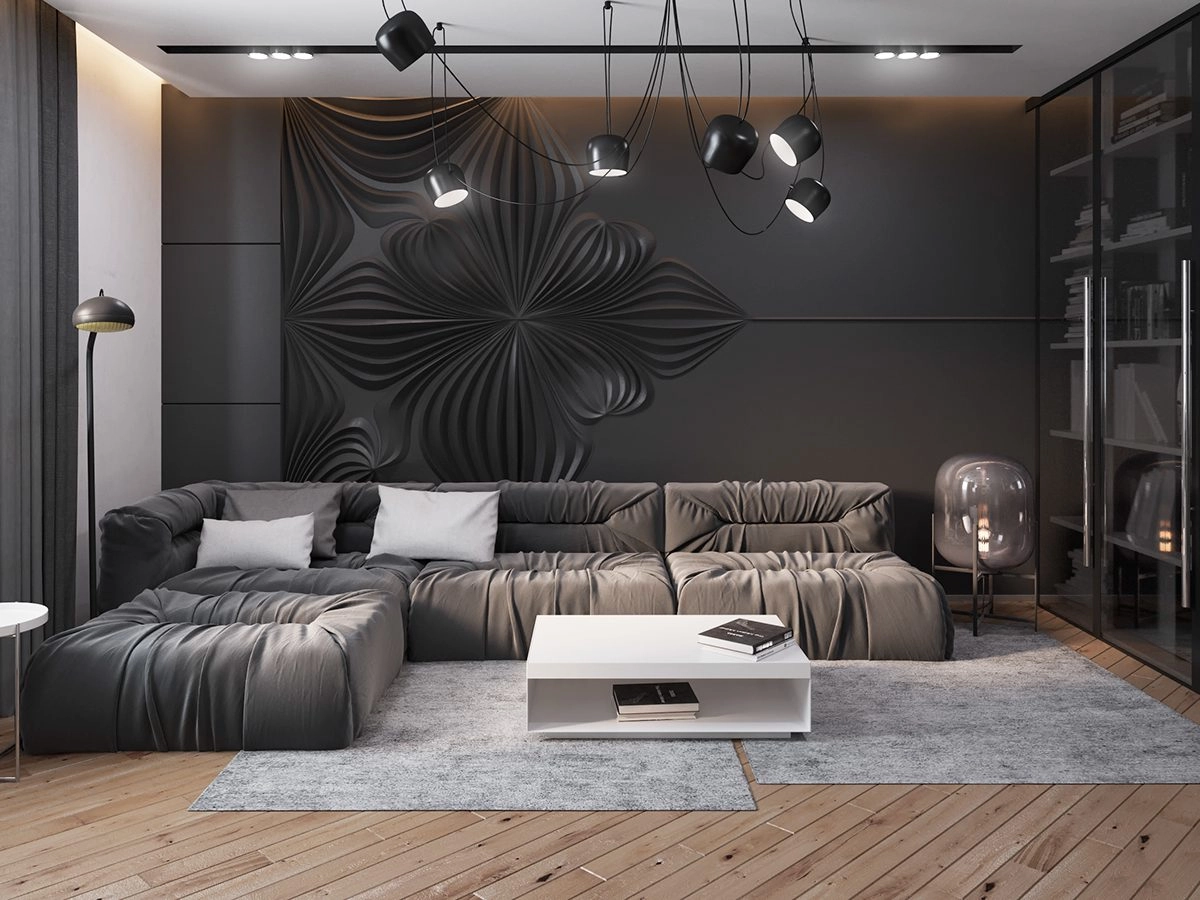
5. 3D Wall Panels and Sculptural Surfaces
Advancements in fabrication have enabled more complex wall designs. 3D panels create dynamic surfaces that interact with light and shadow.
Materials include:
- Gypsum and plaster composites
- Engineered wood
- Resin and composite materials
Brands like Boca do Lobo incorporate sculptural wall elements into their interiors, blurring the line between art and architecture.
The Role of Light in Enhancing Texture
Texture and light work together to define spatial experience. Without proper lighting, even the most intricate wall finishes lose their impact.
Designers use:
- Grazing light to emphasize surface irregularities
- Warm lighting to enhance natural materials
- Layered lighting strategies to create depth
When light moves across textured walls, it reveals nuances that flat surfaces cannot achieve. This interaction adds a dynamic quality to interiors, making them feel alive and evolving.
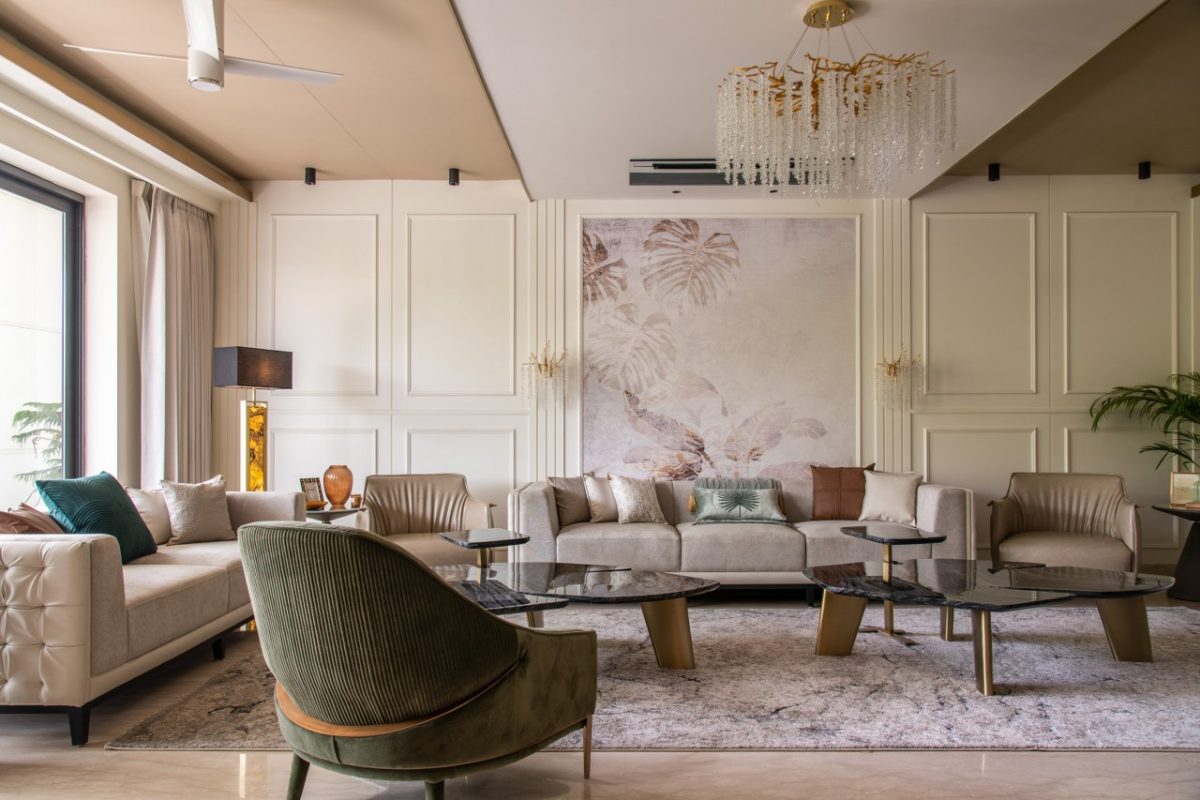
Textured Walls in Different Design Contexts
Residential Interiors
In luxury homes, textured walls create intimacy and character. Designers often use them to:
- Anchor living spaces
- Add warmth to minimalist interiors
- Highlight architectural features
A textured wall can replace artwork, serving as a focal point in its own right.
Hospitality Design
Hotels and resorts increasingly rely on textured walls to create memorable guest experiences. From lobbies to guest rooms, texture adds a sense of place and identity.
For example:
- Earthy plaster walls in wellness retreats
- Stone feature walls in luxury suites
- Fabric panels in high-end lounges
These elements contribute to a cohesive narrative that guests can feel as much as see.
Retail and Commercial Spaces
In retail environments, textured walls help define brand identity. They create immersive backdrops that enhance product presentation.
Designers use texture to:
- Guide customer movement
- Highlight key display areas
- Reinforce material storytelling
The result is a more engaging and memorable shopping experience.
The Emotional Impact of Texture
One of the main reasons textured walls are returning lies in their emotional resonance. Smooth surfaces often feel distant, while textured materials create a sense of connection.
Texture can evoke:
- Warmth and comfort
- Authenticity and craftsmanship
- A connection to nature
As clients prioritize well-being and sensory design, these qualities become increasingly important.
Technology Meets Craftsmanship
Modern technology has expanded the possibilities for textured walls without replacing traditional techniques.
Digital Fabrication
CNC cutting and 3D modeling allow designers to create precise, repeatable patterns while maintaining complexity.
Handcrafted Techniques
Artisans continue to play a crucial role, especially in plasterwork, wood carving, and stone finishing. Their expertise ensures that each surface feels unique.
Hybrid Approaches
Many projects combine digital precision with hand-finishing, resulting in textures that feel both contemporary and authentic.
The Future of Textured Walls in Luxury Design
The demand for textured walls will continue to grow as designers push toward more immersive environments. Future developments may include:
- Interactive surfaces that respond to light or movement
- Sustainable materials with enhanced tactile qualities
- Greater integration between walls, furniture, and lighting
As boundaries between architecture and interior design blur, walls will play an even more active role in shaping space.
A Stylish Separation of Rooms
Textured walls have re-established themselves as essential elements in luxury interior design. They bring depth, warmth, and character to spaces that might otherwise feel flat or impersonal.
For interior designers, architects, and luxury brands, texture offers a powerful way to elevate projects and create lasting impressions. Whether through handcrafted plaster, sculptural wood, or innovative 3D panels, textured walls transform interiors into rich, sensory experiences—defining the next chapter of modern luxury living.